


Table of Contents
Introduction: Mold on Plywood Subfloors Is More Serious Than It Looks
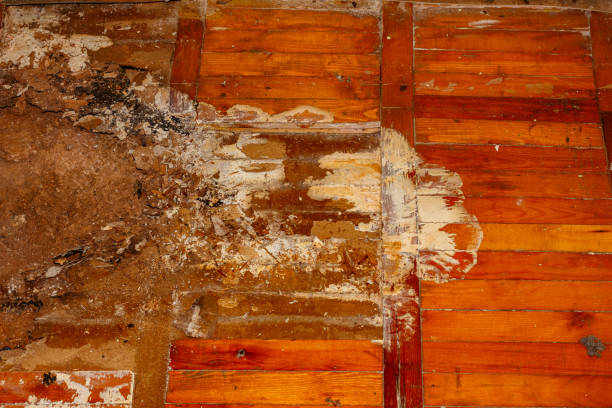
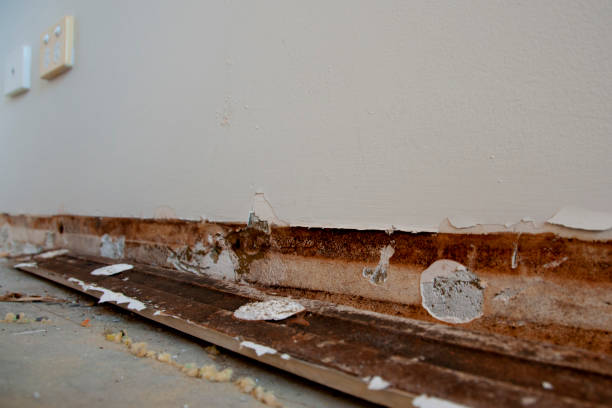
When it comes to hidden home problems, mold on plywood subfloors is one of the trickiest—and most dangerous—to deal with. It’s often ignored by contractors who focus on surface fixes like new flooring, but beneath those fresh planks, moisture and mold can be quietly eating away at your home’s foundation.
What contractors don’t always tell you is this: mold on plywood subfloors isn’t just an aesthetic issue. It can compromise structural integrity, trigger health problems, and spread rapidly if left untreated.
This guide dives deep into the causes, dangers, safe cleanup methods, and long-term solutions to keep your Santa Rosa Beach home mold-free.
Why Mold Loves Plywood Subfloors
Plywood, made of thin layers of wood glued together, is strong but highly porous. That porosity makes it an ideal host for mold when moisture enters your home. Common culprits include:
- Flooding and storm surges common in coastal Santa Rosa Beach.
- Leaky plumbing under bathrooms or kitchens.
- Poor ventilation in crawl spaces or basements.
- High humidity in Florida’s Gulf Coast climate.
Once moisture seeps in, mold on plywood subfloors thrives, spreading spores that can cause respiratory issues and unpleasant odors.
The CDC warns that mold exposure can irritate the lungs, eyes, and skin, especially for people with asthma or weakened immune systems.
The Hidden Dangers of Mold on Plywood Subfloors
Contractors might suggest covering mold with new flooring, but this is just a short-term patch. The real risks include:
- Structural Weakness – Mold can break down the wood fibers, weakening your floor.
- Air Quality Issues – Spores can rise through cracks, contaminating indoor air.
- Recurring Mold – Covering it doesn’t stop growth. It returns, often worse.
- Costly Repairs – Ignoring it now can lead to replacing entire sections of flooring later.
This is why addressing mold on plywood subfloors early is key to protecting your home and health.
How to Kill Mold on Plywood Subfloors Safely
If caught early and confined to a small area, you may be able to treat mold on plywood subfloors yourself. Always wear protective gear: gloves, goggles, and an N95 respirator, before starting.
Step 1: Dry the Area Completely
Use dehumidifiers and fans to ensure no ongoing moisture is feeding the mold.
Step 2: Vacuum with HEPA Filter
A HEPA vacuum captures spores without redistributing them into the air.
Step 3: Apply a Mold Cleaner
Options include:
- A commercial mold remover designed for wood.
- A solution of white vinegar and water (kills most surface mold).
- Borax mixed with water (both cleans and inhibits regrowth).
Step 4: Scrub Gently
Use a stiff brush to scrub affected areas. Avoid soaking the plywood, as excess water can worsen the problem.
Step 5: Sand if Necessary
For stubborn mold, lightly sand the surface. Dispose of dust safely using sealed bags.
Step 6: Seal and Protect
Apply an anti-microbial sealant to reduce the risk of regrowth.
⚠️ Warning: If the area of mold on plywood subfloors covers more than 10 square feet, the EPA recommends calling professional remediation services.
When to Call Professionals
DIY methods may work for small, surface-level growth, but larger infestations require professional intervention. Reasons to call mold damage experts include:
- Mold spreading across multiple rooms.
- Persistent odors after cleaning.
- Evidence of structural damage.
- Health symptoms in your household.
Professionals not only kill the visible mold on plywood subfloors but also address the root cause—moisture intrusion.
Preventing Mold on Plywood Subfloors
Prevention is always more cost-effective than remediation. Protect your home by:
- Running dehumidifiers in high-humidity seasons.
- Sealing crawl spaces and improving ventilation.
- Inspecting plumbing regularly for leaks.
- Using moisture barriers under flooring during installation.
- Scheduling annual inspections after storm season.
FAQs About Mold on Plywood Subfloors
Q1: Can I just paint over mold to seal it?
A1: No. Mold must be removed before sealing. Painting over it only hides the problem temporarily.
Q2: Is bleach safe for mold on plywood subfloors?
A2: Bleach doesn’t penetrate porous surfaces like plywood, so it often leaves spores behind. Safer alternatives like vinegar or borax are more effective.
Q3: How can I tell if mold has spread under my flooring?
A3: Signs include musty odors, warped floors, or soft spots in plywood. A professional inspection confirms hidden growth.
Q4: Will insurance cover mold damage?
A4: Coverage depends on the cause. Mold from sudden water damage (like a burst pipe) is often covered, while mold from long-term neglect may not be.
Compassionate and Discreet Restoration Services in Santa Rosa Beach
At PuroClean of Santa Rosa Beach, we know discovering mold on plywood subfloors can be stressful and even embarrassing. That’s why our team approaches every job with compassion, discretion, and professionalism.
We offer:
- Certified mold remediation.
- Moisture detection and prevention strategies.
- Full water damage restoration.
- 24/7 emergency services for storm and flood damage.
Your home deserves more than a quick cover-up. With PuroClean, you get lasting solutions and peace of mind.
📞 Call us at (850) 399-3380 for a confidential consultation today.