


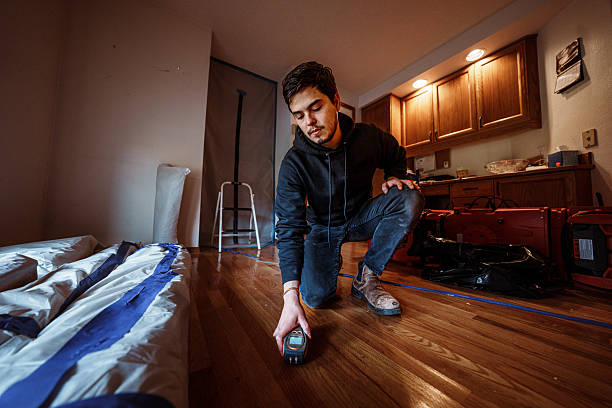
If you’re renovating and hoping new flooring will solve an old moisture problem, here’s the direct answer: installing flooring over mold is dangerous, and it doesn’t make the problem go away — it seals it in. The Resilient Floor Covering Institute (RFCI) is explicit on this point, advising that all flooring work should stop immediately if mold or a musty odor is present, rather than proceeding with installation over it (FloorCentral).
This mistake is more common than most homeowners and even some contractors realize, especially during 30A remodels where schedules are tight and a quick cover-up feels faster than a moisture investigation. Here are the three mistakes that turn installing flooring over mold from a bad idea into a five-figure remediation bill.
Mistake 1: Treating a Musty Smell or Stain as Cosmetic
A musty odor or subtle discoloration in a subfloor is often dismissed as a minor cosmetic issue to be covered rather than investigated. In reality, that smell is frequently the clearest available signal that moisture and mold are already present — and installing flooring over mold at that stage locks contamination beneath a surface where it’s even harder to detect and address later (FloorCentral).
Mistake 2: Installing Over Old, Water-Damaged Underlayment
Reusing existing underlayment or subfloor material without inspecting it for water damage is a common shortcut during remodels. Old plywood or underlayment that’s been water-damaged can carry mold spores and residual moisture directly into a brand-new floor, meaning installing flooring over mold sometimes happens unintentionally — through material that was already contaminated before the new flooring ever arrived (ProFloors & Blinds).
Mistake 3: Skipping Moisture Testing Because “It Looks Dry”
Visual inspection alone isn’t reliable. A subfloor can look and feel dry to the touch while still carrying moisture levels well above what’s safe for new flooring, which is exactly why documented testing under ASTM F2170 or ASTM F1869 exists — to catch what eyes and hands miss (Flooring Explorer). Skipping this step is one of the most common ways installing flooring over mold happens without anyone realizing it until symptoms appear months later.
What Proper Remediation-Then-Installation Actually Looks Like
The correct sequence isn’t complicated, but it does require patience:
- Stop all installation work the moment mold or a musty odor is identified, per RFCI guidance
- Find and fix the underlying moisture source — mold will return if moisture remains, regardless of what flooring goes on top
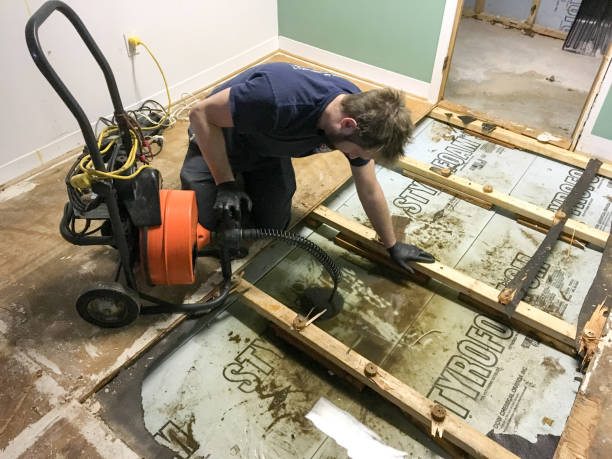
- Remove and replace contaminated underlayment or subflooring rather than installing over it
- Test moisture levels using ASTM-standard methods before any new material is installed
- Install only after documented moisture readings confirm the subfloor is within acceptable range
Skipping any one of these steps is how installing flooring over mold turns a manageable moisture issue into a full tear-out months or years later.
Why the Installer You Choose Matters as Much as the Material
Choosing a reputable, experienced installer matters because a poor installation is what created the original mold problem in many cases — and repeating those same mistakes during a “fix” simply resets the clock. Working with an established flooring provider often comes with warranty protection covering prep-related issues, giving homeowners real recourse if moisture problems resurface after installation (ProFloors & Blinds).
PuroClean of Santa Rosa Beach: The Call Before the New Floor Goes Down
Because installing flooring over mold is one of the most preventable — and most expensive — mistakes in a renovation, PuroClean of Santa Rosa Beach works directly with homeowners and flooring contractors across the 30A corridor and our Dothan, AL service area to clear subfloors before new material is installed. Our technicians follow the ANSI/IICRC S520 standard of care for remediation, then provide documented moisture readings your installer can rely on before work resumes.
Frequently Asked Questions
Can I put new flooring over mold? No. Installing flooring over mold traps moisture and contamination beneath the new surface rather than resolving it, and the problem typically resurfaces later, often more extensively.
How do I know if my subfloor is dry enough for new flooring? Documented moisture testing under ASTM F2170 or F1869 is the reliable method — visual inspection alone often misses moisture levels that are still too high for safe installation.
Does new flooring void a mold warranty? Installing over undocumented or excessive subfloor moisture can void the flooring manufacturer’s warranty entirely, since most manufacturers require proof of pre-installation moisture testing.
What should a contractor do if they find mold during a remodel? Per RFCI guidance, all installation work should stop immediately, and the moisture source should be identified and corrected before any new flooring is installed.
Clear Your Subfloor Before You Renovate With PuroClean of Santa Rosa Beach
Don’t let a renovation seal in a problem that will only get more expensive later. PuroClean of Santa Rosa Beach provides IICRC-certified mold remediation and subfloor clearance testing for homeowners and contractors across Santa Rosa Beach, the 30A corridor, Dothan, and Enterprise, AL, with 24/7 emergency availability.
Contact PuroClean of Santa Rosa Beach today for a certified mold inspection, or call (850) 399-3380.
Available 24/7/365 | Contact Us Online | Google Business Profile | IICRC Certified | Insurance Preferred | Complete Mold Remediation Solutions