 PuroClean of Santa Rosa Beach
Table of Contents
Is Mold on Plywood Dangerous? What You Can’t See Is Hurting Your Family
You’re replacing a section of flooring in your Santa Rosa Beach home when you notice it—fuzzy patches of green and black growth covering the plywood subfloor beneath. Or maybe you ventured into your attic and spotted similar discoloration spreading across the plywood sheathing.
Your first thought: “How bad is this really?”
The question “is mold on plywood dangerous” has a straightforward answer that most homeowners don’t want to hear: yes, potentially very dangerous—and not just because it looks unpleasant. Mold spores can trigger allergic reactions and respiratory problems, and some species produce mycotoxins with damaging neurological effects.
What makes plywood mold particularly insidious is where it grows—hidden beneath your floors and above your ceilings, releasing spores and toxic compounds into your air for months or years before you discover it. By the time visible signs appear, your family may have been breathing contaminated air far longer than you realize.
Understanding the real dangers of mold on plywood, how it affects your family’s health, and when professional intervention becomes non-negotiable could literally save lives—especially in Santa Rosa Beach’s humid Gulf Coast climate where mold thrives year-round.
Truth #1: Is Mold on Plywood Dangerous? It’s Worse Than You Think
Most people assume mold is mainly a cosmetic issue or minor allergen. The reality is far more concerning.
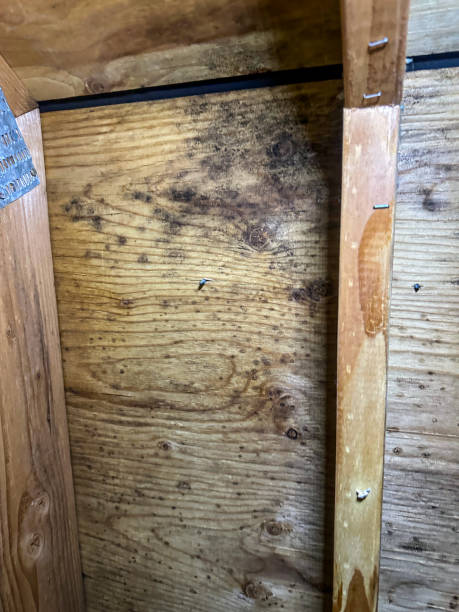
Plywood, made from thin wood layers glued together, creates the perfect environment for mold colonization. Its porous structure traps moisture and provides abundant organic material for mold to consume. Once established, mold doesn’t just sit there—it actively reproduces and spreads.
The CDC reports that excessive exposure to mold-contaminated materials can cause adverse health effects in susceptible persons regardless of mold type or contamination extent. This means even “non-toxic” molds create health risks when growing extensively in your home.
Here’s what makes the question “is mold on plywood dangerous” so critical: plywood is structural material hidden from view. Subfloors sit beneath carpeting, tile, or hardwood. Attic sheathing is concealed above insulation. By the time you see mold on plywood, extensive colonization has likely occurred—and your family has been exposed for far longer than the visible mold suggests.
In Santa Rosa Beach’s climate, where humidity averages 71% even in winter, mold thrives once moisture seeps into plywood subfloors, spreading spores that cause respiratory issues and unpleasant odors.
Truth #2: Mycotoxins Are the Real Threat Lurking in Your Plywood
When asking “is mold on plywood dangerous,” most people focus on visible mold growth. The greater danger is invisible: mycotoxins.
Mycotoxins are chemicals with damaging neurological effects, and given the right temperature and humidity, some mold species release these toxins from their cell walls into indoor environments where they remain for months, even after the mold itself is eliminated.
This persistence is what makes plywood mold so hazardous. You can kill surface mold, but mycotoxins embedded in porous plywood continue affecting air quality. Mycotoxin molecules stick to dust particles and become airborne, allowing people and animals to breathe in these particles.
According to research from the Environmental Protection Agency, molds produce allergens, irritants, and potentially toxic substances called mycotoxins that can cause allergic reactions, asthma attacks, and irritate eyes, skin, nose, throat, and lungs.
The health impacts are serious. Mold produces mycotoxins that are potent nerve toxins causing cognitive impairment, with common symptoms including fatigue, nervousness, chronic sinusitis, and brain fog. Many patients report mysterious symptoms that doctors struggle to diagnose—until mold contamination is discovered.
Truth #3: Your Subfloors and Attic Are Silent Contamination Zones
When people wonder “is mold on plywood dangerous,” they often underestimate how these specific locations amplify the threat.
Subfloor Mold: Plywood subfloors sit directly beneath your living spaces. Every step compresses the material slightly, releasing trapped air—and whatever spores or mycotoxins it contains—into your home. Heating systems drawing air from crawl spaces or floor cavities pull contamination directly into your HVAC system, distributing it throughout every room.
Common causes of subfloor mold in Santa Rosa Beach include flooding from storms, plumbing leaks beneath bathrooms and kitchens, poor crawl space ventilation, and the constant high humidity of Gulf Coast living.
Attic Mold: Attics in Florida homes often reach 130°F or higher in summer. When this hot, moist air contacts cooler surfaces at night, condensation forms—creating perfect conditions for mold growth on plywood sheathing. Roof leaks, inadequate ventilation, and insufficient insulation all contribute.
The danger? Attic air doesn’t stay in the attic. Through a process called the stack effect, contaminated attic air migrates downward into living spaces, especially in homes with recessed lighting, attic access points, or gaps in ceiling penetrations.
So is mold on plywood dangerous when hidden in these locations? Absolutely—perhaps more dangerous than visible mold because families remain unaware of exposure while it continues month after month.
Truth #4: Children and Vulnerable Individuals Face the Greatest Risk
Not everyone responds identically to mold exposure, which complicates the question “is mold on plywood dangerous?”
People who are atopic or already have allergies, asthma, or compromised immune systems and occupy damp or moldy buildings face increased risk of health problems including inflammatory responses, respiratory symptoms, and immune system responses.
Children are particularly vulnerable. Studies suggest childhood exposure to dampness and mold might contribute to asthma development, and residents of homes with mold have elevated risk for respiratory infections and bronchitis.
Here’s an often-overlooked factor: women tend to absorb dangerous mycotoxins more readily than men because mycotoxins are fat-soluble toxins and women typically have higher body fat percentages, making women often get sick before men when homes have mold outbreaks.
Elderly family members, pregnant women, infants, and anyone undergoing cancer treatment or taking immunosuppressive medications face heightened risks. For these vulnerable populations, asking “is mold on plywood dangerous” isn’t academic—it’s potentially life-threatening.
Truth #5: DIY Removal Often Makes the Problem Worse
Discovering mold on plywood subfloors or in your attic triggers an understandable impulse: grab some bleach and scrub it away. This approach, however, often creates more problems than it solves.
First, bleach doesn’t penetrate porous materials like plywood. It kills surface mold but leaves roots (mycelia) embedded in the wood, which regrow quickly. Worse, the water in bleach solutions adds moisture to already-compromised materials.
Second, disturbing mold colonies during amateur cleanup releases massive quantities of spores into your air. Without proper containment, HEPA filtration, and protective equipment, you’re essentially broadcasting contamination throughout your home while exposing yourself to concentrated spore loads.
Third—and this addresses why “is mold on plywood dangerous” requires professional assessment—DIY efforts rarely identify the moisture source causing mold growth. You might kill visible mold, but if moisture continues infiltrating the area, mold returns within weeks.
Professional restoration companies don’t just remove mold; they map contamination extent using thermal imaging and moisture meters, contain work areas to prevent cross-contamination, remove unsalvageable materials completely, and most critically, identify and fix the moisture source.
According to the Institute of Inspection, Cleaning and Restoration Certification, proper remediation requires specific protocols ensuring occupant safety and preventing recurrence—standards most homeowners cannot achieve with consumer-grade equipment.
Warning Signs Your Plywood Has Dangerous Mold
Recognizing mold early makes the difference between minor remediation and major reconstruction. Watch for these indicators that answer “is mold on plywood dangerous” in your specific situation:
Musty or earthy odors that persist despite cleaning, particularly in specific rooms or when HVAC runs. Mold produces volatile organic compounds creating distinctive smells even before visible growth appears.
Water stains on ceilings or floors indicating moisture intrusion from above or below. Discoloration shows water has compromised materials, creating ideal mold conditions.
Warped, cupped, or buckling floors suggesting subfloor moisture and potential mold growth beneath finished flooring.
Allergy symptoms that worsen at home but improve away from the house. Consistent indoor allergic reactions, respiratory issues, or unexplained health problems affecting multiple family members suggest environmental contamination.
Visible discoloration in attics or crawl spaces—any black, green, white, or orange patches on plywood warrant immediate professional inspection.
Condensation on windows or walls indicating high indoor humidity levels promoting mold growth throughout your home’s hidden cavities.
The Santa Rosa Beach Climate Factor
Living along Florida’s Gulf Coast means constantly battling moisture. Our humid subtropical climate, proximity to the Gulf of Mexico, and frequent tropical weather systems create persistent mold challenges that make the question “is mold on plywood dangerous here” especially relevant.
Santa Rosa Beach receives over 60 inches of annual rainfall. Summer humidity regularly exceeds 80%. Hurricane season brings flooding, roof damage, and moisture intrusion that homeowners may not discover for weeks or months. Storm surge, heavy rains, and prolonged power outages (eliminating air conditioning and dehumidification) create perfect mold incubation conditions.
These regional factors mean Santa Rosa Beach homes face higher mold risks than properties in drier climates. Vigilant moisture control, proper ventilation, and prompt response to water intrusion become essential protective measures, not optional maintenance.
When Professional Remediation Becomes Non-Negotiable
Some small surface mold on non-porous materials can be addressed by homeowners. But is mold on plywood dangerous enough to require professionals? In most cases, yes—especially when:
- Affected areas exceed 10 square feet
- Mold appears in HVAC systems
- Contamination involves multiple rooms or floors
- Anyone in your household has respiratory conditions or compromised immunity
- Previous cleanup attempts failed to prevent recurrence
- The moisture source remains unidentified
- You’re planning to sell your home (disclosure requirements demand proper documentation)
Professional remediation provides comprehensive solutions addressing both visible mold and underlying causes, protecting your family and your property investment.
Frequently Asked Questions
Is mold on plywood dangerous if it’s just in my attic where nobody goes?
Yes. Attic air doesn’t stay isolated—it migrates into living spaces through the stack effect, ceiling penetrations, and HVAC systems. Spores and mycotoxins from attic mold contaminate your entire home, affecting air quality in rooms you occupy daily.
Can I just paint over mold on plywood to seal it?
No. Painting over mold never works. Mold continues growing beneath paint, eventually breaking through. Mycotoxins remain embedded in materials regardless of surface coatings. Proper remediation requires removing contaminated material or thoroughly cleaning and treating it with antimicrobials.
How quickly can mold grow on plywood after water damage?
Mold can spread quickly throughout a site, sometimes in just a couple of days or even overnight (4 to 12 hours) under favorable conditions. In Santa Rosa Beach’s warm, humid climate, colonization often occurs within 24-48 hours of moisture exposure.
Is mold on plywood dangerous even if it’s not black mold?
Yes. While toxic black mold (Stachybotrys) receives the most attention, excessive exposure to mold-contaminated materials can cause adverse health effects regardless of mold type. All mold growth in occupied spaces poses potential health risks and indicates moisture problems requiring correction.
Will a dehumidifier prevent mold on plywood?
Dehumidifiers help maintain healthy humidity levels (30-50%) and can prevent new mold growth, but they cannot remediate existing contamination. Once mold establishes on plywood, active removal and treatment are necessary. Dehumidifiers work best as preventive measures combined with proper ventilation and moisture control.
Does homeowners insurance cover mold remediation?
Coverage varies significantly by policy and mold cause. Damage from sudden, accidental water events (burst pipes, roof storm damage) is often covered. Gradual damage from neglected maintenance, long-term leaks, or flooding typically isn’t. Review your policy carefully and document all water damage immediately to support potential claims.
Protecting Your Family From Hidden Mold Dangers
The question “is mold on plywood dangerous” has been definitively answered: yes, potentially very dangerous—especially when hidden in subfloors and attics where exposure occurs undetected for extended periods.
Your family’s health, your home’s structural integrity, and your property value all depend on addressing mold contamination properly. This isn’t a challenge you should face alone with inadequate equipment and incomplete information.
Professional Mold Remediation for Santa Rosa Beach Homes
When you discover mold on plywood in your Santa Rosa Beach home, immediate professional response prevents minor contamination from becoming a health crisis and major reconstruction project.
PuroClean of Santa Rosa Beach specializes in comprehensive mold remediation protecting Gulf Coast families from the hidden dangers of plywood mold in subfloors, attics, and crawl spaces.
Our IICRC-certified technicians understand precisely why “is mold on plywood dangerous” requires serious attention in Florida’s humid climate. We’ve restored hundreds of Santa Rosa Beach homes, and we know the unique challenges coastal properties face.
Why Families Trust PuroClean:
Comprehensive Assessment: Advanced moisture detection, thermal imaging, and air quality testing identify all contamination—not just visible growth. We find hidden mold before it causes greater damage.
Proper Containment: HEPA filtration and negative air pressure prevent spreading contamination during remediation, protecting unaffected areas.
Complete Removal: We don’t just clean surface mold—we remove unsalvageable materials completely and treat salvageable materials with hospital-grade antimicrobials.
Source Correction: Identifying and fixing moisture sources prevents recurrence. We address roof leaks, plumbing issues, ventilation problems, and drainage concerns creating mold conditions.
Health-Focused Protocols: Every remediation follows strict safety standards protecting occupants, especially vulnerable family members.
Insurance Coordination: Detailed documentation and direct insurance company communication ensure proper claim handling while protecting your interests.
24/7 Emergency Response: Mold doesn’t wait for convenient timing. We respond immediately to prevent additional damage and exposure.
Don’t let mold on plywood continue threatening your family’s health. Whether you’ve discovered contamination or suspect hidden mold based on odors or symptoms, professional assessment provides answers and solutions.
📞 Call PuroClean of Santa Rosa Beach: (850) 399-3380
🌐 Visit: www.puroclean.com/santa-rosa-beach-al
Your family deserves to breathe clean, healthy air in a home free from hidden contamination. Is mold on plywood dangerous? Yes—but it doesn’t have to remain a threat when you have experienced professionals protecting your home and health.
Call now for immediate assessment and remediation that eliminates mold dangers permanently.
Available 24/7/365 | Contact Us Online | Google Business Profile | IICRC Certified | Insurance Preferred | Complete Water Damage Remediation Solutions

 PuroClean of Santa Rosa Beach