 PuroClean of Santa Rosa Beach
Table of Contents
You’ve just bought your dream home in Santa Rosa Beach. The home inspection came back clean. No visible mold, no obvious water damage, no red flags. You move in, start unpacking, and within months you notice something’s wrong.
Your kids develop persistent coughs. You’re getting headaches that vanish when you leave the house. There’s a faint musty smell you can’t quite locate. Your energy bills are inexplicably high.
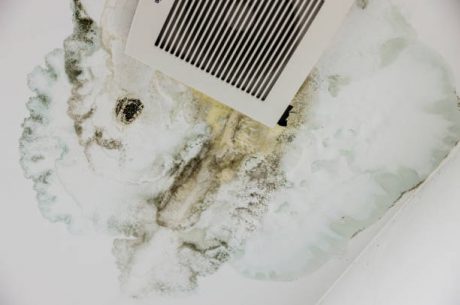
What you don’t know—what 84% of home inspectors miss during standard inspections—is that behind your drywall, plywood sheathing is actively colonized with toxic mold. Hidden from view, it’s been growing for months or years, contaminating your indoor air and slowly destroying your home’s structural integrity.
Is mold on plywood dangerous when you can’t see it? It’s potentially more dangerous than visible mold because it grows unchecked, spreads extensively, and causes compounding damage while you remain completely unaware.
Why Standard Home Inspections Fail Catastrophically
Here’s an uncomfortable truth: most home inspections are visual-only assessments. Inspectors look at what they can see, touch, and access easily. They check obvious trouble spots: under sinks, around windows, in attics if accessible.
What they don’t do is look inside walls, beneath flooring, or behind finished surfaces where plywood sheathing lives.
Plywood sheathing is the structural material covering your wall studs (exterior sheathing) and ceiling joists (roof decking). In most homes, it’s completely hidden behind drywall, insulation, and exterior siding or roofing. You literally cannot see it without removing finished materials.
This creates a massive blind spot in home inspections. An inspector might see a perfectly intact drywall surface while inches behind it, plywood is blackened with mold colonies feeding on moisture from a hidden roof leak or condensation problem.
According to research from the American Society of Home Inspectors, standard visual inspections identify less than 16% of hidden moisture and mold problems. That means 84% of homes with concealed mold contamination receive clean inspection reports.
For buyers, this is catastrophic. You’re making the largest financial investment of your life based on incomplete information, inheriting someone else’s mold problem, and facing remediation costs that can easily exceed $30,000.
How Mold Colonizes Hidden Plywood
Understanding how hidden mold develops helps you recognize risk factors even when you can’t see the contamination.
Plywood sheathing becomes contaminated through several mechanisms:
Roof leaks. Small, slow leaks around flashing, valleys, or penetrations allow water to drip onto attic plywood roof decking. The drywall ceiling below remains dry while plywood above becomes saturated. Mold colonizes the hidden surface long before any visible ceiling damage appears.
Condensation. In Santa Rosa Beach’s humid climate, temperature differences between conditioned indoor air and unconditioned attic spaces create condensation on plywood sheathing. This moisture accumulation happens repeatedly, creating ideal conditions for mold growth without any actual leak.
Wall cavity moisture. Bathroom or kitchen moisture can migrate into wall cavities through gaps around fixtures, outlets, or plumbing penetrations. This moisture condenses on plywood wall sheathing, creating hidden mold growth behind perfectly intact drywall.
HVAC condensation. Air conditioning systems create moisture. When ductwork runs through attics or wall cavities and develops condensation or leaks, nearby plywood becomes contaminated.
Previous water damage. Homes that experienced past water damage—even years ago—often have hidden residual contamination. The visible damage gets repaired, but moisture trapped in wall cavities or between floors continues supporting mold growth on concealed plywood.
In every scenario, the common factor is invisibility. The mold develops where you can’t see it, making detection nearly impossible without specialized technology.
The Health Consequences of Hidden Exposure
Is mold on plywood dangerous when you can’t see it becomes especially important when considering health impacts.
Visible mold at least alerts you to a problem. You can see it, you can remediate it, you can limit exposure. Hidden mold offers no such warning. You’re exposed continuously, breathing contaminated air for months or years before discovering the source.
This chronic, low-level exposure creates cumulative health effects:
Respiratory sensitization. Repeated exposure to mold spores can sensitize your respiratory system, making you increasingly reactive to even small amounts of mold. What starts as minor irritation can progress to serious asthma or allergic responses.
Mycotoxin accumulation. Some mold species produce mycotoxins; toxic compounds that can accumulate in your body over time. Hidden mold means prolonged mycotoxin exposure without any opportunity for mitigation.
Systemic inflammation. Chronic mold exposure triggers persistent inflammatory responses. This can manifest as fatigue, joint pain, cognitive difficulties, and other systemic symptoms that doctors struggle to diagnose because they don’t present as typical allergic reactions.
Children’s vulnerability. Developing immune systems make children especially susceptible to mold exposure. Hidden mold contamination can contribute to childhood asthma, allergies, and developmental issues that persist into adulthood.
The National Institute of Environmental Health Sciences confirms that mold exposure (particularly hidden, chronic exposure) can cause significant health problems, especially in sensitive individuals.
Many families spend thousands on medical appointments, allergy testing, and treatments for symptoms that persist because they never identify the hidden mold contaminating their home’s air supply.
The Thermal Imaging Revolution
Modern technology has created a solution to the hidden mold detection problem: thermal imaging cameras.
Thermal imaging detects temperature differences across surfaces. Moisture-affected materials have different thermal properties than dry materials, creating temperature variations invisible to the naked eye but clearly visible in thermal images.
When plywood sheathing is contaminated with mold, several thermal signatures appear:
Cool spots where moisture evaporation creates cooling effects.
Thermal bridging patterns where wet insulation creates conductive pathways.
Temperature gradients indicating moisture movement through wall cavities.
Condensation patterns showing areas where humid air meets cold surfaces.
A trained thermal imaging technician can scan your walls, ceilings, and floors, identifying moisture anomalies that indicate hidden contamination. This non-invasive assessment reveals problems without cutting into walls or removing finishes.
The technology isn’t perfect (it detects moisture, not mold directly) but moisture presence in building cavities almost always indicates mold risk, making thermal imaging an invaluable screening tool.
Real Cases: The $30,000+ Mistakes
Let me share real scenarios from Santa Rosa Beach homes where hidden plywood mold created financial disasters:
Case 1: The “Perfect” Beach House
A couple purchased a beautifully renovated beach home for $850,000. Standard inspection showed no issues. Six months after moving in, their toddler developed persistent respiratory infections. They hired an indoor air quality specialist who used thermal imaging to discover extensive mold contamination on wall sheathing throughout the home.
Investigation revealed the previous owner had experienced roof leak damage two years earlier. They hired a contractor who dried the visible attic damage and replaced water-stained drywall but never addressed moisture that had migrated into wall cavities. Hidden plywood sheathing remained damp, allowing mold to colonize over 18 months.
Remediation cost: $47,000. Legal costs attempting to recover from the seller: $18,000. Total loss: $65,000 plus years of health issues for their child.
Case 2: The HVAC Catastrophe
A family bought a 15-year-old home with a recently replaced HVAC system; a selling point that convinced them the home was well-maintained. Standard inspection found nothing concerning.
Nine months later, unexplained allergies plagued everyone in the household. Thermal imaging revealed cold spots throughout interior walls. Investigation showed the HVAC contractor who installed the new system had improperly sized ductwork, creating excessive condensation in wall cavities. This moisture had been colonizing wall sheathing plywood for nearly two years.
Remediation required removing drywall in five rooms, replacing contaminated plywood sheathing, correcting HVAC installation, and rebuilding walls. Cost: $34,000.
Case 3: The Bathroom Remodel Deception
Buyers purchased a home advertising a “completely renovated master bathroom.” The gorgeous tile work and modern fixtures looked perfect. No inspector identified any problems.
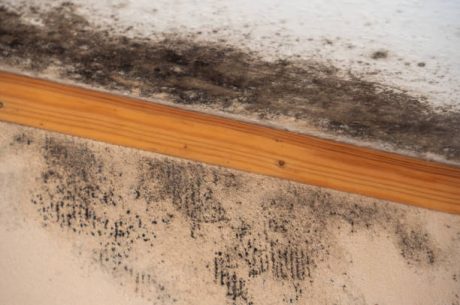
One year later, a different contractor discovered during a minor repair that plywood wall sheathing behind the beautiful tile was black with mold. The previous owner’s remodel had created moisture intrusion that was never addressed. The contractor simply tiled over existing contaminated surfaces, creating a beautiful facade hiding extensive mold growth.
Full bathroom reconstruction cost: $28,000.
In every case, is mold on plywood dangerous when you can’t see it became a question answered with devastating financial and health consequences.
Why 84% of Inspectors Miss the Problem
Standard home inspector training and inspection protocols create systematic blind spots.
Most home inspection standards specifically state inspectors are NOT required to:
- Move furniture or personal items
- Dismantle or remove components
- Perform invasive or destructive testing
- Use specialized diagnostic equipment beyond basic tools
These limitations mean inspectors assess only readily visible conditions. If mold contamination isn’t obviously visible, it doesn’t get reported.
Additionally, many inspectors lack training in advanced diagnostic techniques. Thermal imaging requires specialized certification, equipment that costs $3,000-$15,000, and interpretive skills that take years to develop. Most general home inspectors don’t invest in this expertise.
The result: systematic underreporting of hidden mold contamination across the real estate industry.
The Pre-Purchase Inspection Gap
Florida’s real estate environment creates additional challenges. Unlike some states, Florida doesn’t require sellers to complete comprehensive disclosure forms. Sellers must disclose known defects, but if they genuinely don’t know about hidden mold—because it’s never been inspected—they have no disclosure obligation.
This places enormous burden on buyers to conduct thorough due diligence. Standard home inspections provide a false sense of security, leading buyers to believe “inspection passed” means “home is safe.”
The reality is that without thermal imaging and specialized moisture assessment, you’re gambling on whether hidden contamination exists.
Smart buyers are increasingly demanding advanced inspections including:
Thermal imaging of all wall and ceiling surfaces.
Moisture mapping using multi-point moisture meters.
Indoor air quality testing to establish baseline spore counts.
Invasive inspection of high-risk areas like bathrooms and kitchens.
These enhanced inspections cost $500-$1,500 more than standard inspections, but that investment pales compared to the $30,000+ remediation costs you might face after unknowingly buying a contaminated home.
Buying a Santa Rosa Beach home? Don’t trust standard inspections alone. Call PuroClean of Santa Rosa Beach at (850) 399-3380 for advanced thermal imaging mold assessment. Protect your investment before closing.
Hidden Mold Red Flags You Can Identify
Even without thermal imaging, certain warning signs suggest possible hidden plywood contamination:
Persistent musty odors that you can’t locate visually indicate mold growth in concealed spaces.
Rooms that feel humid or damp despite HVAC operation suggest moisture problems in wall cavities.
Exterior paint peeling or bubbling can indicate moisture moving through wall assemblies from the inside.
Roof stains or discoloration visible from the exterior often correlate with hidden attic plywood mold.
Higher-than-expected energy bills suggest insulation or building envelope problems often associated with moisture issues.
Allergy or respiratory symptoms that improve when you leave the home and worsen when you return.
Previous water damage history mentioned by sellers or visible in disclosure documents.
Older HVAC systems or roofs approaching end-of-life are more likely to have created hidden moisture problems.
None of these definitively prove hidden mold exists, but they’re red flags justifying advanced inspection before purchasing.

The Insurance Nightmare
Here’s another uncomfortable truth: most homeowners insurance policies exclude mold coverage or severely limit it.
When buyers discover hidden mold after closing, their options are limited:
Sue the seller for non-disclosure, but this requires proving the seller knew about the contamination—difficult when it’s hidden.
Sue the inspector for negligence, but standard inspection agreements specifically disclaim responsibility for hidden conditions.
File insurance claims that get denied because mold resulted from “long-term maintenance issues” rather than covered perils.
The result: you’re personally responsible for tens of thousands in remediation costs with limited recourse.
This makes pre-purchase advanced inspection your only real protection.
Thermal Imaging Limitations and Alternatives
Thermal imaging is powerful but not perfect. It detects temperature variations, not mold directly. Experienced interpretation is critical; temperature anomalies can result from numerous causes beyond moisture.
Additional diagnostic tools complement thermal imaging:
Moisture meters provide direct moisture content readings in materials, confirming thermal imaging findings.
Borescopes allow visual inspection inside wall cavities through tiny holes, verifying contamination without extensive demolition.
Air sampling measures airborne mold spore concentrations, helping identify hidden sources through elevated readings.
Surface sampling tests visible surfaces that may show mold transfer from hidden sources.
Mold-detecting dogs are increasingly used by some inspection companies, offering high sensitivity to mold odors humans can’t detect.
Comprehensive assessment combines multiple technologies, creating confidence that hidden contamination is either identified or ruled out.
The Coastal Climate Factor
Santa Rosa Beach’s coastal environment creates perfect conditions for hidden mold growth.
High humidity levels mean building materials rarely fully dry. Even without obvious water intrusion, ambient moisture can accumulate in wall and ceiling cavities over time.
Older homes built before modern moisture barrier standards are especially vulnerable. Many were constructed with minimal vapor barriers, allowing moisture migration from humid exterior air directly into wall assemblies.
Salt air accelerates material degradation, creating entry points for moisture and mold.
Hurricane and tropical storm history means many homes have experienced past water intrusion that may not have been fully remediated.
These factors make is mold on plywood dangerous when you can’t see it particularly relevant for coastal property buyers. The risk is simply higher here than in drier, inland environments.
Remediation of Hidden Mold Contamination
When thermal imaging or other diagnostics confirm hidden mold, remediation requires more extensive intervention than surface mold cleanup.
Typical process includes:
Containment of affected areas to prevent spore distribution during demolition.
Removal of finish materials (drywall, insulation) to access contaminated plywood.
Assessment of plywood condition. Lightly contaminated plywood can sometimes be cleaned and treated. Heavily colonized or structurally compromised plywood requires replacement.
Source correction. Identifying and fixing whatever moisture source created the contamination—roof leaks, condensation problems, plumbing issues, etc.
Structural repairs. Replacing contaminated plywood sheathing, framing if affected, and structural components.
Antimicrobial treatment of salvageable materials.
Air scrubbing throughout the process using HEPA filtration.
Reconstruction including new insulation, vapor barriers, drywall, and finishes.
Clearance testing to verify successful remediation before reconstruction.
This process is invasive, expensive, and time-consuming—precisely why prevention through pre-purchase advanced inspection makes so much sense.
Current Homeowner Assessment
Is mold on plywood dangerous when you can’t see it if you already own your home?
Even if you didn’t conduct advanced pre-purchase inspection, you should consider thermal imaging assessment if:
You’ve experienced any water intrusion events (roof leaks, plumbing failures, hurricane damage).
Your home is more than 15 years old and hasn’t had roof or HVAC replacement.
You’re experiencing unexplained health symptoms or musty odors.
You’re planning major renovations and want to identify hidden problems before construction.
You’re preparing to list your property and want to avoid buyer discovery of hidden issues.
Proactive assessment lets you address problems on your timeline rather than during a real estate transaction when you have minimal negotiating power.
Frequently Asked Questions
Can thermal imaging cameras detect mold directly?
No. Thermal imaging detects temperature variations caused by moisture, not mold itself. However, persistent moisture in building cavities creates ideal conditions for mold growth, making moisture detection an excellent proxy for mold risk. Moisture findings should be confirmed with direct testing or visual inspection.
How much does thermal imaging mold inspection cost?
Professional thermal imaging inspections typically cost $400-$800 for residential properties, depending on home size and complexity. This is in addition to standard inspection fees. Comprehensive moisture assessment including thermal imaging, moisture metering, and air quality testing ranges $800-$1,500.
Should I walk away from a home if hidden mold is discovered?
Not necessarily. The discovery gives you negotiating power. You can request the seller remediate before closing, negotiate a price reduction reflecting remediation costs, or negotiate a credit at closing. Walking away makes sense only if contamination is extensive and the seller refuses reasonable accommodation.
Can I use consumer thermal cameras to check for hidden mold?
Consumer-grade thermal cameras ($200-$500) can detect obvious temperature anomalies but lack the resolution, sensitivity, and calibration of professional equipment ($3,000-$15,000). More importantly, correct interpretation requires training and experience. DIY thermal scanning may miss subtle problems or create false alarms, making professional assessment more reliable.
How long does hidden mold take to develop after water exposure?
Initial mold colonization can begin within 24-48 hours of moisture exposure on organic materials like plywood. Visible growth typically appears within 7-14 days, though hidden growth behind walls may develop more slowly due to limited air circulation. Significant structural contamination usually requires several months to years of ongoing moisture presence.
Will home insurance cover mold remediation if discovered after purchase?
Unlikely. Most policies exclude mold or severely limit coverage. If mold resulted from a sudden, covered peril (like a burst pipe), you might have coverage for resulting mold growth. However, hidden mold from long-term moisture problems, maintenance issues, or gradual leaks is typically excluded. Check your specific policy language and consider purchasing additional mold coverage riders.
Protect yourself from hidden mold nightmares. PuroClean of Santa Rosa Beach offers advanced thermal imaging and moisture assessment. Call (850) 399-3380 to schedule comprehensive inspection before your next real estate transaction.
Legal Considerations and Seller Disclosure
Florida’s real estate disclosure laws create gray areas regarding hidden mold.
Sellers must disclose “known” defects. If a seller genuinely doesn’t know about hidden mold contamination, they have no legal disclosure obligation. However, if evidence suggests they should have known (previous water damage claims, visible staining, prior inspection reports) failure to disclose can create liability.
For sellers, this creates risk. If you suspect possible hidden contamination, ignoring it doesn’t protect you legally. Buyers who discover undisclosed mold after closing can pursue legal action, and courts may find that sellers who avoided investigating known risk factors failed their disclosure obligations.
Smart sellers conduct pre-listing assessments to identify and address problems before marketing. This approach:
Eliminates surprises during buyer inspections.
Provides documentation of responsible remediation if contamination is found.
Justifies asking price by demonstrating home condition.
Speeds transactions by removing negotiation obstacles.
For buyers, understanding that sellers may not know about hidden contamination reinforces why advanced inspection is your responsibility.
The Future of Home Inspection Standards
Industry pressure is mounting to update inspection standards to include advanced diagnostics.
Some states are considering legislation requiring thermal imaging for certain property types or transaction values. Industry groups are developing enhanced inspection protocols that include moisture assessment and air quality testing.
Insurance companies increasingly recommend or require advanced inspections for high-value homes or properties in high-risk areas.
These changes reflect growing recognition that standard visual-only inspections are inadequate for modern home buying due diligence.
Until standards formally change, the burden remains on individual buyers to demand comprehensive assessment.
PuroClean of Santa Rosa Beach: Your Hidden Mold Detection Experts
When standard inspections aren’t enough and you need certainty about hidden contamination, PuroClean of Santa Rosa Beach provides advanced diagnostic services using professional-grade thermal imaging and comprehensive moisture assessment.
Our certified technicians understand:
Coastal construction patterns common in 30A homes.
Thermal signature interpretation specific to Gulf Coast climate conditions.
Moisture source identification in complex building assemblies.
Remediation planning if contamination is discovered.
We serve both buyers seeking pre-purchase assessment and current homeowners investigating possible hidden contamination.
Our thermal imaging services include:
Comprehensive scanning of all accessible wall, ceiling, and floor surfaces.
Moisture mapping correlating thermal findings with direct moisture readings.
Detailed reporting with thermal images, findings, and recommendations.
Remediation estimates if contamination is identified.
Follow-up services including verification testing after remediation.
Don’t let hidden mold destroy your health, your investment, or your peace of mind. Is mold on plywood dangerous when you can’t see it? Absolutely, but only if it remains hidden.
Schedule advanced thermal imaging mold assessment with PuroClean of Santa Rosa Beach today. Whether you’re buying, selling, or concerned about your current home, we provide the certainty you need. Call (850) 399-3380 for professional hidden mold detection. Available 24/7 for emergency assessment.
Your home should be your safe haven, not a hidden health hazard. Advanced detection technology ensures you know exactly what’s behind your walls, before it’s too late.
Available 24/7/365 | Contact Us Online | Google Business Profile | IICRC Certified | Insurance Preferred | Complete Water Damage Remediation Solutions

 PuroClean of Santa Rosa Beach