 PuroClean of Santa Rosa Beach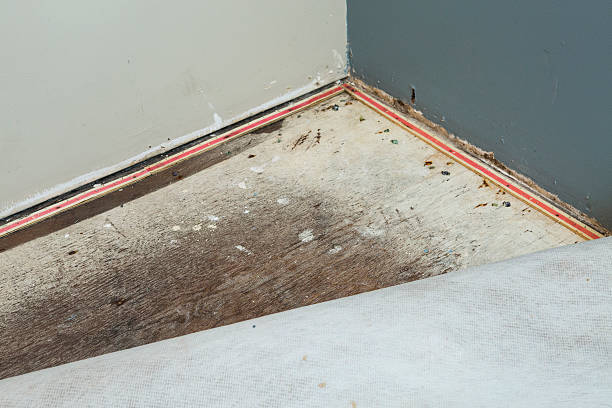
When Sarah noticed a faint musty smell in her Santa Rosa Beach bedroom, her contractor assured her it was nothing to worry about. “If you’re not seeing black mold, you’re fine,” he said dismissively. Three months later, after her daughter developed persistent respiratory problems, Sarah finally pulled up the carpet to discover extensive white and green mold covering the entire subfloor. The question that kept her awake at night was one that haunts thousands of homeowners: is mold under flooring dangerous even when it’s not the infamous “black mold”?
The answer Sarah discovered – after $28,000 in remediation costs and weeks of medical appointments – is that focusing only on black mold while ignoring other species is one of the most dangerous misconceptions in home safety. The question “is mold under flooring dangerous” has a definitive answer that every homeowner needs to understand: yes, regardless of color, and often in ways that have nothing to do with toxicity.
After years of responding to mold emergencies across the Gulf Coast, I’ve learned that the black mold obsession has created a false sense of security that puts families at risk every day. Understanding why the answer to “is mold under flooring dangerous” is always yes – regardless of species or color – is essential for protecting both your family’s health and your property investment.
Understanding Why Mold Under Flooring Applies to All Species
The health risks from mold under flooring extend far beyond the mycotoxins that black mold produces, making the question “is mold under flooring dangerous” relevant for every type of fungal growth.
Allergic Reactions Are Universal All mold species can trigger allergic reactions in sensitive individuals. When people ask “is mold under flooring dangerous,” they often don’t realize that common species like Aspergillus and Penicillium (which appear white, green, or gray) cause more allergic reactions than Stachybotrys (black mold) simply because they’re more prevalent.
Respiratory Irritation Doesn’t Discriminate Mold spores irritate respiratory systems regardless of species. The answer to “is mold under flooring dangerous” for people with asthma or COPD is an emphatic yes, as any mold type can trigger attacks and breathing difficulties.
Structural Damage Crosses Color Lines Mold feeds on organic materials including wood subflooring. When homeowners ask “is mold under flooring dangerous” for their property value, the answer is yes because all mold species cause progressive structural deterioration.
The Centers for Disease Control and Prevention (CDC) clearly states that all molds can cause health problems and that the focus should be on removal rather than species identification, definitively answering with yes.
Why the Location Makes Mold Under Flooring More Serious
The specific location of mold under flooring creates unique dangers that make the answer particularly concerning.
Hidden Growth Advantage Mold under flooring grows undetected for months or years, reaching extensive colonization before discovery. This hidden nature is why the question has a more serious answer than visible surface mold.
Continuous Spore Release Every footstep on contaminated flooring releases mold spores into living spaces. This constant exposure pattern is a key reason why mold under flooring concerns health professionals.
Moisture Trap Environment Subflooring traps moisture between layers, creating ideal growth conditions. When people ask “is mold under flooring dangerous,” they often don’t realize the extent of colonization possible in these perfect growing environments.
HVAC System Contamination Floor cavities often connect to HVAC systems, spreading spores throughout entire homes. This distribution mechanism makes mold under flooring a whole-house concern rather than a localized issue.
Health Impacts That Make “Is Mold Under Flooring Dangerous” a Valid Concern
Understanding specific health impacts helps answer “is mold under flooring dangerous” beyond vague warnings about “toxic mold.”
Chronic Respiratory Problems Long-term exposure to mold under flooring causes progressive respiratory issues including persistent coughing, wheezing, and reduced lung capacity. These chronic conditions definitively answer “is mold under flooring dangerous” for long-term health.
Sinus and Nasal Complications Constant exposure to spores from mold under flooring triggers chronic sinusitis, nasal congestion, and recurring infections. These persistent problems demonstrate why mold under flooring dangerous is beyond just allergic reactions.
Skin Irritation and Rashes Direct contact with or proximity to mold under flooring causes skin problems in sensitive individuals. Unexplained rashes and itching may indicate that “is mold under flooring dangerous” applies to your specific situation.
Immune System Suppression Chronic mold exposure can weaken immune system function, making individuals more susceptible to other illnesses. This systemic impact is why mold under flooring is dangerous for overall health, not just respiratory issues.
Structural Dangers: Why “Is Mold Under Flooring Dangerous” for Your Property
Beyond health concerns, the structural implications make mold under flooring a property protection issue.
Progressive Wood Deterioration Mold consumes wood cellulose, progressively weakening subflooring and joists. This structural damage is why mold under flooring is dangerous for property integrity, potentially causing floor collapse in extreme cases.
Decreased Property Value Undisclosed mold problems significantly impact property values and sales. Real estate professionals know that mold under flooring is dangerous for market value, often reducing sale prices by 10-25%.
Insurance Complications Many insurance policies exclude mold damage or impose strict coverage limits. Understanding whether “is mold under flooring dangerous” enough to require immediate action affects insurance protection and claim outcomes.
Expensive Remediation Costs Delayed response allows contamination to spread, dramatically increasing remediation costs. Early action when asking “is mold under flooring dangerous” saves thousands compared to extensive colonization requiring complete floor replacement.
Common Mold Species Found Under Flooring
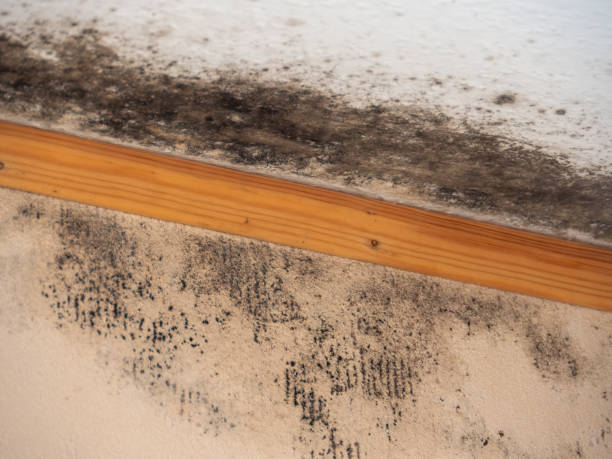
Understanding specific species helps homeowners recognize that “is mold under flooring dangerous” applies to many common varieties beyond black mold.
Aspergillus (Green, White, or Yellow) One of the most common species found under flooring, Aspergillus can cause serious lung infections in immune-compromised individuals. When people ask “is mold under flooring dangerous,” Aspergillus provides a clear yes answer.
Penicillium (Blue, Green, or White) Common in water-damaged areas, Penicillium causes allergic reactions and respiratory problems. The prevalence of this species demonstrates why “is mold under flooring dangerous” regardless of color.
Cladosporium (Black, Green, or Brown) This outdoor mold frequently enters through moisture intrusion. While less toxic than Stachybotrys, it still illustrates why “is mold under flooring dangerous” extends beyond “toxic black mold.”
Alternaria (Dark Brown or Black) Often mistaken for Stachybotrys, Alternaria causes severe allergic reactions. Its appearance shows that “is mold under flooring dangerous” can’t be determined by color alone.
Warning Signs That Answer “Is Mold Under Flooring Dangerous” in Your Home
Recognizing early indicators helps homeowners determine if “is mold under flooring dangerous” applies to their specific property.
Persistent Musty Odors Earthy, damp smells that don’t dissipate indicate hidden mold growth. These odors provide the first clue that “is mold under flooring dangerous” may be a current rather than theoretical concern.
Visible Floor Discoloration Dark spots, staining, or discoloration on flooring surfaces often indicate mold growth underneath. These visual cues answer “is mold under flooring dangerous” before you can see actual growth.
Soft or Spongy Floor Areas Floors that feel soft or give under weight indicate moisture damage and likely mold. This structural change demonstrates that “is mold under flooring dangerous” for both health and safety.
Increased Allergy Symptoms at Home Respiratory problems, sneezing, or congestion that worsens at home but improves away suggests mold exposure. These symptom patterns help answer “is mold under flooring dangerous” in your environment.
Santa Rosa Beach’s Unique Risk Factors
Gulf Coast properties face specific conditions that make “is mold under flooring dangerous” particularly relevant for local homeowners.
Year-Round High Humidity Coastal humidity above 70% creates constant moisture that supports mold growth. This climate reality makes “is mold under flooring dangerous” a year-round concern rather than seasonal issue.
Hurricane and Storm Damage Frequent weather events cause water intrusion that may go undetected under flooring. Storm season makes “is mold under flooring dangerous” especially relevant for Santa Rosa Beach properties.
Older Construction Standards Many local homes were built before modern moisture barriers and ventilation standards. This construction reality increases how often “is mold under flooring dangerous” applies to area properties.
Vacation Home Monitoring Gaps Properties left unoccupied for extended periods allow minor moisture problems to become major mold contamination. Sporadic occupancy makes “is mold under flooring dangerous” harder to detect early.
Professional Assessment: Determining If Mold Under Flooring Is Dangerous in Your Home
Professional evaluation provides definitive answers when homeowners wonder “is mold under flooring dangerous” in their specific situations.
Moisture Detection Technology Professional-grade moisture meters identify elevated levels in subflooring that indicate mold risk. These tools help answer “is mold under flooring dangerous” before visible growth appears.
Thermal Imaging Inspection Infrared cameras reveal moisture patterns and temperature differentials suggesting hidden mold. This technology provides visual evidence when asking “is mold under flooring dangerous” requires proof.
Air Quality Testing Professional air sampling quantifies spore concentrations and identifies species present. Lab results provide objective data answering “is mold under flooring dangerous” based on actual contamination levels.
Invasive Inspection Removing small flooring sections allows direct visual assessment of mold extent. This definitive inspection method conclusively answers “is mold under flooring dangerous” in specific locations.
Treatment Options When “Is Mold Under Flooring Dangerous” Becomes Reality
When testing confirms contamination, several treatment approaches address the dangers that make “is mold under flooring dangerous” a serious concern.
Localized Treatment Small affected areas may respond to antimicrobial treatment without complete floor replacement. This approach works when “is mold under flooring dangerous” but contamination remains limited.
Subfloor Replacement Extensive contamination often requires removing and replacing affected subflooring. This comprehensive approach fully addresses situations where “is mold under flooring dangerous” involves structural damage.
Complete Floor System Removal Severe cases require removing both surface flooring and subfloor along with contaminated insulation. This extensive remediation becomes necessary when “is mold under flooring dangerous” extends throughout floor assemblies.
Moisture Control Installation Addressing underlying moisture sources prevents recurrence. Installing vapor barriers and improving ventilation ensures that “is mold under flooring dangerous” doesn’t become a recurring question.
Prevention Strategies: Keeping “Is Mold Under Flooring Dangerous” Theoretical
Proactive measures prevent conditions that make “is mold under flooring dangerous” a reality rather than just a concern.
Humidity Control Maintaining indoor humidity below 60% prevents mold growth conditions. Dehumidifiers ensure that “is mold under flooring dangerous” remains hypothetical rather than actual.
Immediate Water Damage Response Addressing leaks and spills within 24-48 hours prevents mold establishment. Quick action keeps “is mold under flooring dangerous” from becoming a problem requiring remediation.
Regular Inspections Periodic moisture assessments identify problems before mold develops. Proactive monitoring answers “is mold under flooring dangerous” before contamination requires expensive treatment.
Proper Ventilation Adequate air circulation prevents moisture accumulation that supports mold growth. Good ventilation keeps “is mold under flooring dangerous” from applying to well-maintained properties.
The True Cost of Ignoring “Is Mold Under Flooring Dangerous”
Understanding financial implications motivates action when homeowners wonder “is mold under flooring dangerous” enough to warrant immediate response.
Health Care Expenses Chronic respiratory problems from mold exposure require ongoing medical treatment. These costs demonstrate that mold under flooring is dangerous has financial as well as health implications.
Remediation Cost Escalation Early intervention costs $3,000-$8,000 while extensive contamination requires $15,000-$40,000. This cost difference shows why asking “is mold under flooring dangerous” early saves money.
Property Value Impact Mold history reduces property values even after remediation. This lasting impact proves that mold under flooring is dangerous for real estate investments.
Legal Liability Sellers who fail to disclose known mold problems face legal consequences. Understanding when mold under flooring is dangerous requires disclosure protects against future liability.
Frequently Asked Questions
Q: Is mold under flooring dangerous if I can’t see or smell it? A: Yes. Hidden mold still releases spores into living spaces and causes structural damage. The answer to “is mold under flooring dangerous” is yes regardless of whether contamination is obvious.
Q: Is mold under flooring dangerous only for people with allergies? A: No. While sensitive individuals face higher risks, anyone can develop health problems from chronic mold exposure.
Q: How do I know if is mold under flooring dangerous in my specific home? A: Professional testing provides definitive answers. Air quality sampling and moisture detection determine whether mold under flooring applies to your property.
Q: Is mold under flooring dangerous enough to require moving out during remediation? A: Proper containment usually allows occupancy during work, but severe cases may require temporary relocation. The answer to “is mold under flooring dangerous” during remediation depends on extent and containment effectiveness.
Q: Can I determine if is mold under flooring dangerous without removing flooring? A: Professionals use moisture meters and thermal imaging to identify likely contamination without invasive inspection. These tools help determine if demolition is necessary.
Q: Is mold under flooring dangerous if it’s been there for years? A: Long-term presence often means extensive growth and structural damage. The longer contamination exists, the more serious the answer to “is mold under flooring dangerous” becomes.
Q: How quickly does mold under flooring become dangerous after water damage? A: Mold can begin growing within 24-48 hours of moisture exposure. This rapid development is why mold under flooring requires immediate water damage response.
Trust PuroClean of Santa Rosa Beach for Expert Mold Damage Restoration
When the answer to “is mold under flooring dangerous” becomes yes in your home, you need more than surface treatment – you need comprehensive mold damage restoration services that address contamination at its source while protecting your family’s health and your property’s structural integrity.
At PuroClean of Santa Rosa Beach, our certified mold remediation specialists understand that all mold species pose risks regardless of color. We’ve restored hundreds of Gulf Coast homes affected by mold under flooring, combining advanced technology with proven protocols that ensure complete contamination removal.
Our Comprehensive Mold Damage Restoration Services:
- 24/7 emergency response for mold discovery
- Professional mold assessment and air quality testing
- Advanced moisture detection using thermal imaging and meters
- Safe containment preventing spore spread during removal
- Complete subfloor and structural remediation when necessary
- HEPA air filtration throughout remediation process
- Antimicrobial treatments and moisture control installation
- Reconstruction services for replaced materials
- Insurance coordination and documentation support
- Post-remediation verification testing
Why Santa Rosa Beach Homeowners Trust PuroClean:
- IICRC-certified mold remediation technicians
- Extensive experience with Gulf Coast humidity challenges
- Understanding that all mold species require professional treatment
- Advanced equipment for detection and removal
- Proven protocols for subflooring and structural mold
- Direct insurance billing and preferred vendor relationships
- Local expertise with coastal property vulnerabilities
- Compassionate service during stressful situations
- Serving Santa Rosa Beach, Destin, Fort Walton Beach, and the entire Emerald Coast
Don’t let myths about “safe” mold colors put your family at risk. When you’re asking “is mold under flooring dangerous” about your property, the answer is always yes – regardless of species or appearance. Immediate professional intervention prevents health problems and protects your investment.
Our mold damage restoration process addresses both visible contamination and underlying moisture conditions that allowed growth. This comprehensive approach ensures lasting results that protect your family’s health and your property’s value.
Call us today at (850) 399-3380 | Contact Us Online | Available 24/7 | Google Business Profile for immediate mold damage restoration services.
Available 24/7/365 | IICRC Certified | All Mold Species Treatment | Complete Mold Remediation Solutions

 PuroClean of Santa Rosa Beach