


Table of Contents
Is Mold Under Flooring Dangerous for Pets? Your Dog Knew First
Your golden retriever has been acting strange for three weeks. Excessive scratching despite flea treatments. Decreased appetite. Lethargy that’s unusual for her normally energetic personality. You’ve taken her to the vet twice. They’ve run tests, prescribed medications, but nothing seems to help.
Then you discover it, dark mold growth spreading across the subflooring beneath your bathroom after pulling up a warped tile. The musty smell you’d been dismissing as “old house odor” suddenly makes sense. So does your dog’s mysterious illness.
Is mold under flooring dangerous for pets? The answer is a resounding yes, often more dangerous than for humans. Your dog was experiencing toxic mold poisoning for weeks before you ever noticed the visible growth. She was trying to tell you, but you couldn’t understand the warning signs.
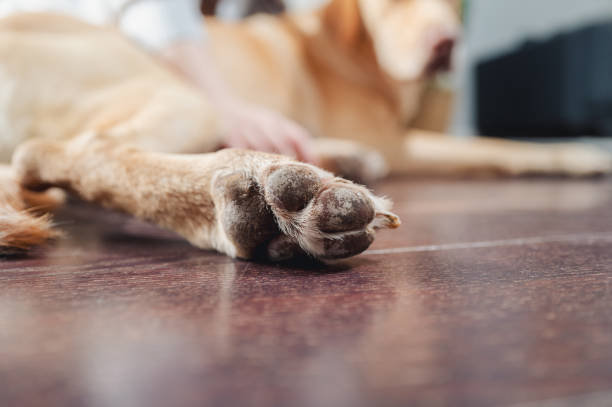
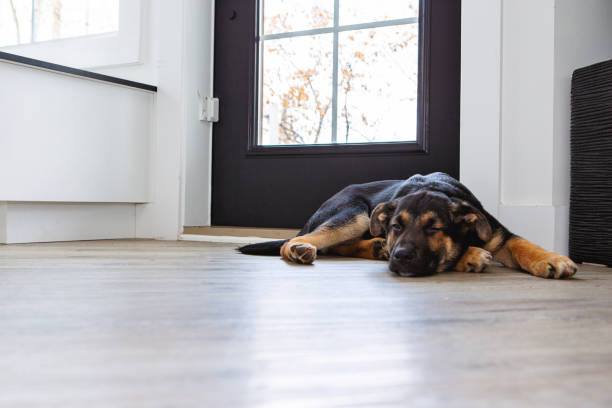
Here’s what most Santa Rosa Beach pet owners don’t realize: dogs and cats spend significantly more time near floor-level where mold spore concentrations are highest. These molds can cause anything from sneezing or coughing fits to, in extreme cases, neurologic problems and death.
Understanding why mold under flooring poses unique threats to pets, how to recognize early warning signs your pet is being poisoned, and when professional remediation becomes urgent could literally save your pet’s life.
Why Is Mold Under Flooring Dangerous for Pets More Than Humans?
When homeowners ask “is mold under flooring dangerous for pets,” they’re often shocked to learn their furry family members face far greater risks than human occupants. Several factors create this heightened vulnerability:
Pets spend more time at home. While you leave for work, school, or errands, your pet remains in the contaminated environment continuously. Pets spend more time in your home than you do, giving them consistent and high exposure rates to mold if your house is contaminated.
Floor-level exposure is highest. Mold spores are heavier than air and concentrate at floor level, exactly where dogs and cats spend their entire day. Smaller animals tend to be at higher risk for toxic mold poisoning because they spend more time in areas impacted by mold growth, and they’re able to fit in smaller areas where mold may be hiding.
Respiratory sensitivity is greater. Pets are more susceptible to mold illness because their respiratory systems are more sensitive, and black mold affects pets quicker than humans after they come in contact.
Smaller body size means higher toxin concentration. The same mold exposure that causes mild symptoms in a 180-pound adult creates severe poisoning in a 40-pound dog. Toxins concentrate more intensely in smaller bodies.
Limited communication about symptoms. When you feel sick, you can articulate symptoms and seek medical care. Your pet suffers silently, relying on you to notice behavioral changes and connect them to environmental causes.
According to research documented by veterinarians, is mold under flooring dangerous for pets gets answered dramatically in 2007 when two Himalayan cats died from pulmonary hemorrhages linked to toxic black mold exposure, raising awareness of health dangers mold poses to pets.
The 5 Types of Toxic Mold Under Flooring That Threaten Pets
There are five categories of toxic mold that are especially dangerous for pets: Cladosporium, Penicillium, Fusarium, Aspergillus, and Stachybotrys (black mold).
Stachybotrys (Black Mold):
The most notorious and deadly. For black mold, it isn’t the mold itself that’s poisonous to pets, but the mycotoxins on the surface of mold spores released into the air and then inhaled. Once mycotoxins enter the bloodstream, they damage the liver’s ability to make blood clotting factors, leading to nosebleeds, bloody urine or stool, and hemorrhages.
In Santa Rosa Beach’s 70%+ humidity, black mold thrives in subflooring following any water intrusion. Your pet walking across contaminated flooring constantly disturbs spores, increasing airborne concentrations.
Aspergillus:
This mold grows rapidly in damp environments and produces mycotoxins causing respiratory distress in pets. Brachycephalic breeds (bulldogs, pugs, Persian cats) with already compromised breathing face life-threatening complications from Aspergillus exposure.
Penicillium:
Studies analyzing pet food samples found Penicillium contaminating 38% of samples, but when growing in your home’s subflooring, concentration levels far exceed food contamination. Penicillium causes chronic respiratory issues and allergic reactions in pets.
Fusarium:
Particularly dangerous because it produces mycotoxins that cause neurological symptoms. Muscle tremors, seizures, uncoordinated movements, and weakness in pets often result from Fusarium exposure beneath flooring.
Cladosporium:
While less toxic than black mold, Cladosporium triggers severe allergic reactions. Pets develop chronic itching, skin lesions, and respiratory problems from prolonged exposure to this common household mold.
When asking is mold under flooring dangerous for pets, understand these five mold types frequently colonize together in moisture-damaged subflooring. Your pet may be exposed to multiple toxic molds simultaneously, compounding health effects.
The 8 Warning Signs Your Pet Is Being Poisoned by Mold Under Flooring
Recognizing symptoms early allows intervention before permanent damage occurs. Here are the critical warning signs answering why is mold under flooring dangerous for pets:
Warning Sign #1: Excessive Scratching, Chewing, and Licking
In most cases, pets have allergic reactions to mold spores, manifesting as intense itching. Unlike flea allergies affecting specific areas, mold-related itching appears generalized across the body. Your pet scratches constantly, chews paws obsessively, and licks excessively despite flea/tick preventatives.
This symptom appears weeks before humans notice mold problems. Your dog is reacting to spores you cannot yet see or smell.
Warning Sign #2: Respiratory Distress
Symptoms may include wheezing (high-pitched whistling during breathing), persistent coughing indicating respiratory tract irritation, and struggling to breathe with labored or shallow breaths indicating severe respiratory distress.
Santa Rosa Beach’s humid climate exacerbates respiratory symptoms. The combination of outdoor humidity plus indoor mold creates constant respiratory stress for sensitive pets.
Warning Sign #3: Decreased Appetite and Lethargy
Mycotoxins damage liver function and cause systemic inflammation. Affected pets lose interest in food, seem perpetually tired, and lack enthusiasm for activities they previously enjoyed.
If your normally energetic dog suddenly seems exhausted after minimal activity, mold poisoning could be the cause, especially if appetite decreases simultaneously.
Warning Sign #4: Gastrointestinal Problems
Some symptoms of mycotoxicosis include vomiting, weakness, loss of appetite, and stool changes. Pets ingesting mold from contaminated surfaces or food dishes placed on moldy floors develop digestive distress.
Recurring vomiting or diarrhea without dietary changes or illness suggests environmental toxin exposure.
Warning Sign #5: Neurological Symptoms
Muscle tremors, seizures, uncoordinated movements, and panting indicate severe mycotoxin poisoning requiring immediate veterinary intervention. These symptoms mean toxins have entered your pet’s bloodstream and are damaging neurological function.
Warning Sign #6: Bleeding and Hemorrhaging
Severe mold exposure can lead to bleeding in the lungs, with blood vessels bleeding and causing coughing up blood or blood-tinged sputum. Nasal bleeding (epistaxis) occurs from extensive irritation or damage to nasal passages caused by mold spores.
This critical symptom proves is mold under flooring dangerous for pets with potentially fatal consequences. The two cats who died in 2007 suffered pulmonary hemorrhages while under routine anesthesia, their compromised systems couldn’t handle standard veterinary procedures.
Warning Sign #7: Skin Inflammation and Unusual Odors
Dry, scaly skin, skin inflammation, and unnatural skin odor signal exposure to black mold. Pets develop hot spots, lesions, and chronic skin infections that don’t respond to typical treatments.
Warning Sign #8: Behavior Changes
It can be easier to detect mold exposure in humans because you may develop allergy-like symptoms, but with pets, you must trust your intuition about whether they’ve been exposed. Changes in sleeping patterns, increased anxiety or aggression, reluctance to enter specific rooms, and depression all indicate environmental problems affecting your pet.
Why Mold Under Flooring Affects Pets Differently Than Visible Mold
When mold grows on visible surfaces like walls or ceilings, you notice and address it relatively quickly. Mold under flooring remains hidden for months while continuously releasing spores into your home’s air.
Constant disturbance increases exposure: Every footstep, every time your pet walks across contaminated flooring, spores become airborne. Your dog’s daily routine of walking, lying down, and playing on floors creates constant spore clouds at nose-level.
Sleeping areas concentrate exposure: Dogs and cats sleep 12-16 hours daily. If their favorite sleeping spot sits above moldy subflooring, they’re breathing concentrated spores throughout rest periods when respiratory rates slow and they’re most vulnerable.
Toys and food dishes become contaminated: Pet toys left on contaminated floors absorb spores. Food and water dishes placed on moldy subflooring transfer toxins to items your pet licks daily. Water bowls, food bowls, and plastic or rubber chew toys should be thoroughly cleaned at least once a week to minimize mold exposure.
Grooming spreads toxins: When pets lick themselves, they ingest mold spores that settled on their fur from floor-level exposure. This oral toxin exposure adds to inhalation risks.
The Environmental Protection Agency confirms mold grows wherever moisture exists, but they focus primarily on human health impacts. Understanding is mold under flooring dangerous for pets requires recognizing these unique exposure patterns affecting animals differently than humans.
The Santa Rosa Beach Pet Owner’s Challenge
Santa Rosa Beach’s climate creates perfect conditions for answering why is mold under flooring dangerous for pets with alarming frequency.
Our 70%+ year-round humidity means any water intrusion (roof leaks, plumbing failures, storm damage) creates rapid mold colonization beneath flooring. Mold can start within 24-48 hours in warm, damp conditions like those present year-round in coastal Florida.
The vacation rental market compounds risks. Properties sitting vacant with reduced climate control during low-occupancy periods develop extensive mold problems. When owners return with pets, animals immediately experience concentrated exposure in homes where mold has been growing unchecked for weeks or months.
Beach sand tracked into homes abrades flooring seams, creating entry points for moisture. Salt air accelerates material degradation, allowing water penetration that leads to subflooring mold. Pet owners living near beaches face heightened risks their animals will encounter mold under flooring.
What to Do If Your Pet Shows Mold Exposure Symptoms
If you suspect mold exposure based on your pet’s symptoms, immediate action protects both your animal and your family.
Step 1: Remove your pet from the environment immediately. Arrange for them to stay with friends, family, or board temporarily while you address contamination. Continued exposure worsens symptoms and can be fatal.
Step 2: Seek veterinary care urgently. If your pet shows symptoms of black mold exposure, take them to the vet immediately. Treatment may include inducing vomiting, gastric lavage under anesthesia, activated charcoal administration, cathartic medications promoting bowel movements, intravenous fluids for stabilization, and medications managing symptoms.
Step 3: Identify mold sources professionally. Don’t attempt to find mold yourself, you’ll disturb colonies and spread spores. Professional mold inspectors use thermal imaging and moisture detection identifying all contamination including hidden subflooring mold.
Step 4: Hire certified mold remediation. DIY cleanup is dangerous and ineffective. Professional restoration companies contain work areas preventing cross-contamination, remove all contaminated materials completely, treat remaining surfaces with antimicrobials, and verify successful remediation through testing.
Step 5: Address moisture sources permanently. Fix leaks, improve ventilation, install dehumidification systems, and correct drainage problems causing mold growth. Important: Even with medication, your pet may get sick again if mold remains in the home.
Preventing Mold Under Flooring to Protect Your Pets
Prevention protects pets more effectively than remediation after poisoning occurs.
Maintain aggressive humidity control: In Santa Rosa Beach’s climate, whole-home dehumidification isn’t optional for pet owners, it’s essential. Keeping down the humidity in homes prevents mold growth that poses dangers to pets.
Use mold-resistant materials: When replacing flooring, choose options less susceptible to moisture damage and mold colonization. Porcelain tile, sealed concrete, and specific luxury vinyl products resist mold better than organic materials.
Clean pet items weekly: Store pet food in airtight containers discouraging mold growth. Launder and completely dry pet beds, plush toys, and similar items weekly. Plastic or rubber chew toys should be thoroughly cleaned weekly.
Immediate spill response: Any water on floors must be cleaned immediately and thoroughly dried. Moisture penetrating flooring seams initiates the 24-48 hour mold colonization timeline.
Regular professional inspections: Annual mold inspections using moisture meters and air quality testing identify problems before visible growth appears or pets develop symptoms.
Monitor pet behavior closely: Keep tabs on typical behavior, dietary habits, and sleeping patterns. Changes may indicate environmental problems like mold exposure before you discover the source.
Frequently Asked Questions
How quickly can mold under flooring make my pet sick?
Mold colonizes within 24-48 hours after moisture exposure. Pets can develop symptoms within days of initial exposure, though chronic symptoms typically appear after 2-3 weeks of continuous contact. Smaller pets, young animals, and those with compromised immunity show symptoms fastest when is mold under flooring dangerous for pets becomes reality.
Are certain dog breeds more susceptible to mold poisoning?
Yes. Brachycephalic breeds (bulldogs, pugs, Boston terriers, Pekingese, Persian cats) with flat faces and short noses are prone to respiratory diseases, making mold exposure particularly dangerous. However, all pets can be affected regardless of breed when exposed to toxic mold under flooring.
Can my pet recover from mold exposure?
The prognosis for pets afflicted by mold is generally good, provided the mold source is properly removed to prevent continued problems. With prompt veterinary care and complete environmental remediation, most pets fully recover. Delayed treatment or continued exposure can cause permanent damage or death.
Should I have my pet tested for mold exposure?
If your pet shows symptoms, veterinary examination is more important than specific mold testing. Vets diagnose based on symptoms, environmental history, and response to treatment. Testing your home for mold is more valuable than testing your pet, as it identifies the contamination source requiring remediation.
How do I know if the mold under my flooring is the toxic kind?
You can’t determine mold toxicity visually. Professional mold testing identifies species present and mycotoxin levels. However, given any mold under flooring poses pet health risks through allergic reactions and respiratory irritation regardless of type, remediation is necessary whenever subflooring mold is discovered.
Will cleaning visible mold protect my pet?
No. Surface cleaning doesn’t address mold under flooring where most contamination hides. Complete remediation requires removing affected subflooring materials, treating remaining structures, and eliminating moisture sources. Surface cleaning while subflooring mold persists leaves your pet exposed to ongoing poisoning.
Why Professional Remediation Protects Both Pets and People
When homeowners discover mold after their pets develop symptoms, some attempt DIY cleanup to save money and reunite with their animals quickly. This approach fails and often worsens contamination.
Proper containment prevents spreading spores. Professional restoration companies seal work areas with plastic barriers and negative air pressure. This containment prevents disturbing mold colonies from spreading spores to previously clean areas where your pet will live after remediation.
Complete material removal eliminates sources. Mold penetrates porous subflooring materials that cannot be adequately cleaned. Professionals remove contaminated materials entirely rather than attempting surface treatments that leave toxins embedded in structures.
Air scrubbing removes airborne spores. Industrial HEPA filtration systems capture microscopic mold spores during remediation. This protects both workers and ensures clean air when your pet returns home.
Verification testing confirms safety. Post-remediation air quality testing proves mold levels have returned to safe ranges before allowing pet reoccupancy. Without testing, you’re guessing whether your home is safe for your vulnerable pet.
Moisture source correction prevents recurrence. Professionals identify and fix leaks, ventilation failures, or drainage problems causing mold growth. Eliminating moisture sources ensures mold won’t return and re-expose your pet.
Protecting Your Furry Family Members
For Santa Rosa Beach pet owners, understanding that is mold under flooring dangerous for pets demands urgent attention protects beloved family members from serious illness or death.
Your dog or cat cannot tell you they feel sick from mold exposure. They cannot explain respiratory distress, neurological symptoms, or gastrointestinal problems. They depend entirely on you recognizing warning signs and acting quickly.
Don’t dismiss behavioral changes, excessive scratching, or decreased appetite as minor issues. These symptoms may indicate your pet is being poisoned by hidden mold under your flooring—contamination you won’t discover for weeks while your pet suffers.
Professional Mold Remediation for Pet-Safe Homes
When your pet shows signs of mold exposure or you’ve discovered mold under flooring in your Santa Rosa Beach home, PuroClean of Santa Rosa Beach provides comprehensive remediation protecting both pets and people.
Our IICRC-certified technicians understand why is mold under flooring dangerous for pets and implement protocols ensuring complete contamination removal and safe reoccupancy for vulnerable family members.
Why Pet-Owning Families Trust PuroClean:
Pet Health Priority: We understand pets are family. Our remediation timelines minimize time your pet must stay away from home while ensuring complete decontamination before their return.
Complete Containment: Proper barriers and negative air pressure prevent spreading spores during remediation, protecting both unaffected areas and ensuring thorough cleanup for your pet’s return.
Thorough Material Removal: We don’t just clean visible mold. Contaminated subflooring, insulation, and porous materials are completely removed and properly disposed of, eliminating the toxic sources making your pet sick.
Air Quality Verification: Post-remediation testing confirms mold spore counts have returned to safe levels before we recommend bringing pets back home.
Moisture Source Correction: Identifying and fixing leaks, ventilation problems, or humidity issues prevents mold recurrence that would re-expose your pet to danger.
Pet-Safe Products: All antimicrobial treatments and cleaning products we use are safe for pets once dried, meeting strict safety standards protecting vulnerable animals.
Coastal Climate Expertise: Years serving Santa Rosa Beach means we understand how Gulf Coast humidity creates ongoing mold risks for pet owners and implement long-term prevention strategies.
Don’t wait until your pet’s symptoms become severe or permanent damage occurs. If your pet shows any warning signs or you suspect mold contamination, professional assessment protects their health and your peace of mind.
📞 Call PuroClean of Santa Rosa Beach: (850) 399-3380
🌐 Visit: www.puroclean.com/santa-rosa-beach-al
Your pet depends on you to recognize when their environment threatens their health. Is mold under flooring dangerous for pets? Absolutely, often more dangerous than for humans. But with vigilant monitoring, immediate professional intervention when problems appear, and comprehensive remediation protecting vulnerable family members, you can keep your furry companions safe from this hidden threat.
Call now if your pet shows any mold exposure symptoms or you’ve discovered contamination in your home. We provide emergency assessment and remediation ensuring your pet can return to a safe, healthy environment as quickly as possible.
Available 24/7/365 | Contact Us Online | Google Business Profile | IICRC Certified | Insurance Preferred | Complete Water Damage Remediation Solutions