


Table of Contents
Your home was built in 2015 using the latest mold-resistant construction materials. The builder proudly showed you the mold-resistant drywall, treated lumber, and moisture barriers. Marketing materials promised “superior mold-blocking materials” achieving “the best possible score of 10 for mold resistance.”
You chose this property specifically because Santa Rosa Beach’s humid climate concerned you. The builder assured you that modern mold-resistant construction eliminated concerns about coastal moisture.
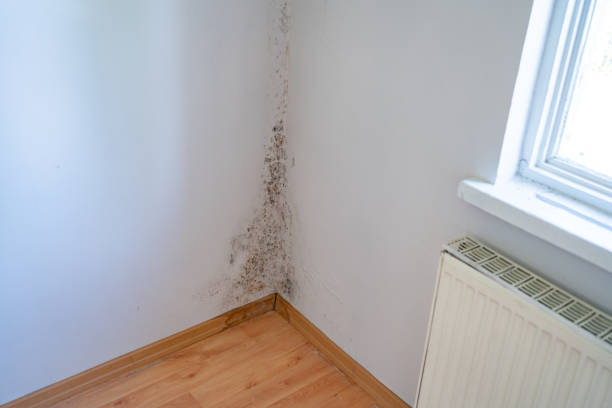
Now, seven years later, you’re pulling up buckled bathroom flooring to discover extensive black mold spreading across subflooring beneath your feet. The restoration estimate? $42,000. Your builder’s warranty expired years ago. And your question becomes urgent: is mold under flooring dangerous in mold-resistant buildings that were specifically constructed to prevent this exact problem?
The devastating answer: mold-resistant building materials reduce mold risk but cannot eliminate it, and in Santa Rosa Beach’s extreme coastal humidity, even the best materials fail when other critical factors aren’t addressed.
Here’s what construction companies don’t explain: “mold-resistant” means resistant, not immune. Mold resistant drywall does not completely prevent mold, it just reduces its occurrence. The difference between these terms costs unsuspecting homeowners tens of thousands in unexpected remediation when they discover materials marketed as mold protection actually provided false security.
The Mold-Resistant Construction Marketing vs. Scientific Reality
Walk through any modern Santa Rosa Beach development and builders tout mold-resistant construction as a premium feature. Their marketing sounds convincing: treated face paper that resists mold, moisture-resistant cores, fiberglass facing removing organic material, superior mold-blocking scores, achieving ASTM D3273 standards with perfect 10 ratings.
This marketing isn’t technically false, it’s incomplete in ways creating dangerous misunderstandings about what “resistant” actually means.
Mold-resistant materials slow mold growth under moderate moisture exposure. They’re not designed for and cannot withstand the conditions that typically cause serious mold under flooring problems: sustained high humidity, water intrusion from leaks, or flooding events.
According to manufacturers’ own documentation, even mold and moisture resistant drywall can be compromised during flooding or when there are unfixed leaks left to flow over time, water can start to break down almost any material.
The Environmental Protection Agency confirms mold grows on virtually any substance when moisture is present. “Resistant” materials simply take longer to colonize than standard materials, but in Santa Rosa Beach’s 70%+ year-round humidity with persistent coastal moisture, “longer” still means eventual failure without aggressive moisture management.
The 6 Construction Myths About Mold-Resistant Buildings
Myth #1: Mold-Resistant Drywall Prevents All Mold Growth
The Marketing: Mold and moisture-resistant drywall protects homeowners by preventing mold growth with treated face paper and moisture-resistant cores.
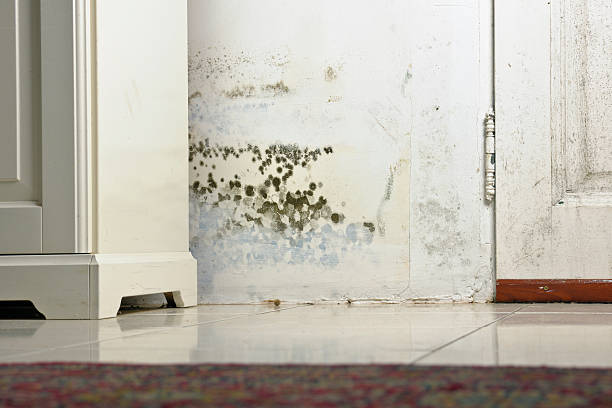
The Reality: Mold resistant drywall does not completely prevent mold, it just reduces its occurrence. The paper facing on even “mold-resistant” drywall still provides organic material mold can colonize when conditions become favorable.
Manufacturers are clear: they aren’t saying their drywall is immune to mold, but resistant to mold, and moisture resistant, not waterproof.
When homeowners ask “is mold under flooring dangerous in mold-resistant buildings,” they discover the drywall above their floors didn’t prevent mold from colonizing subflooring, insulation, or structural lumber beneath it. The resistant material slowed surface growth but provided zero protection for hidden areas.
Myth #2: Treated Lumber Can’t Support Mold
The Marketing: Wood treated with preservatives like pressure-treated lumber is more resistant to mold and rot.
The Reality: Treated wood or sealed wood still absorbs moisture and can become moldy if exposed to prolonged moisture. The chemical treatments protect against certain fungi causing rot but don’t prevent all mold species—especially those thriving in Santa Rosa Beach’s humid climate.
Treated lumber used for framing can still develop mold when subflooring moisture creates persistent dampness against wood surfaces. The treatment extends wood life and resists decay fungi, but mycotoxin-producing mold species still colonize treated surfaces when moisture persists.
Myth #3: Fiberglass-Faced Drywall Eliminates Food Sources for Mold
The Marketing: Fiberglass facing removes organic material making it less enticing to mold than paper-faced products.
The Reality: While fiberglass facing resists mold better than paper, it may provide more resistance to moisture and mold than regular drywall but this is because paper facing provides a food source for mold. However, mold doesn’t need drywall facing to grow, it colonizes on dust, dead skin cells, and microscopic organic particles accumulating on any surface.
When moisture penetrates fiberglass-faced walls and reaches gypsum cores, wood studs, or insulation behind them, mold thrives regardless of resistant facing materials. Is mold under flooring dangerous in mold-resistant buildings with fiberglass-faced drywall? Yes, because the resistant facing doesn’t protect subflooring materials beneath floors at all.
Myth #4: Perfect ASTM Scores Mean Perfect Mold Protection
The Marketing: Achieving the best possible score of 10 for mold resistance per ASTM D3273 standards means products are made of superior mold-blocking materials keeping homes safe.
The Reality: ASTM D3273 tests materials under specific laboratory conditions that don’t replicate real-world scenarios homeowners face. High test scores indicate superior performance compared to other products—not immunity from mold growth in challenging environments.
Santa Rosa Beach’s persistent 70%+ humidity, coastal salt air accelerating material degradation, and regular storm events creating water intrusion far exceed test conditions producing those perfect scores. Materials earning top ratings still fail when environmental pressures surpass their design parameters.
Myth #5: Moisture Barriers Alone Prevent Mold Under Flooring
The Marketing: Modern moisture barriers beneath flooring prevent ground moisture from reaching subflooring and creating mold conditions.
The Reality: Good ventilation is essential for preventing mold growth by removing moisture from the air. Moisture barriers slow ground moisture transmission but cannot prevent condensation from indoor humidity, water intrusion from above (spills, leaks, floods), or moisture migration through compromised seams.
In Santa Rosa Beach’s climate, moisture barriers are necessary but insufficient alone. Without aggressive humidity control maintaining indoor levels below 50%, moisture accumulates despite barriers through countless pathways resistant construction cannot address.
Myth #6: New Construction Means No Mold Risk
The Marketing: Modern homes built with latest mold-resistant materials eliminate mold concerns plaguing older properties.
The Reality: Shoddy construction practices are to blame, doors and windows need to be framed and installed properly as that is where a lot of moisture intrusion comes in regardless of materials used.
Even premium mold-resistant materials fail when:
- Windows and doors are improperly sealed
- Foundations aren’t level, creating gaps between foundation and frame
- Crawl spaces aren’t properly constructed
- Contractors accept gaps and imperfections they shouldn’t
Construction quality matters more than material selection. Perfect materials installed incorrectly provide less protection than standard materials installed expertly.
Why Mold-Resistant Construction Fails in Santa Rosa Beach
Our Gulf Coast location creates conditions exceeding what mold-resistant materials were designed to handle.
Year-round 70%+ humidity: Materials tested under moderate humidity fail when exposed to persistent extreme moisture. What resists mold in Arizona succumbs quickly in coastal Florida.
Salt air accelerates degradation: Coastal environments corrode fasteners, degrade sealants, and compromise protective coatings faster than inland locations. Materials losing integrity from salt exposure can no longer resist mold as designed.
Hurricane and storm damage: Regular severe weather events create water intrusion resistant materials cannot prevent. One roof leak from hurricane-force winds can introduce gallons of water that even the best drywall cannot withstand.
Vacation rental usage patterns: Properties experiencing high turnover with varying guest behaviors face moisture exposure standard residential use wouldn’t create. Multiple showers daily, wet beach gear, and inconsistent climate control stress resistant materials beyond design limits.
When homeowners ask “is mold under flooring dangerous in mold-resistant buildings” in Santa Rosa Beach, they’re discovering environmental challenges materials cannot overcome without comprehensive moisture management strategies.
What “Resistant” Actually Means (And Doesn’t Mean)
Understanding the distinction between “resistant” and “proof” protects homeowners from false confidence in construction marketing claims.
Mold-Resistant Means:
- Materials take longer to develop mold than standard products
- Under moderate moisture exposure, growth slows significantly
- Surface colonization is reduced compared to untreated materials
- Materials perform better in ASTM testing than alternatives
Mold-Resistant Does NOT Mean:
- Materials prevent mold growth completely
- Flooding, leaks, or sustained high humidity won’t cause problems
- Subflooring beneath resistant materials is protected
- Homeowners can ignore moisture control and maintenance
The difference between these definitions represents tens of thousands in unexpected costs when “resistant” materials fail under real-world coastal conditions they were never designed to handle indefinitely.
The Financial Devastation of Believing Construction Marketing
Scenario 1: Standard Construction With Aggressive Moisture Control
- Standard drywall and materials: $25,000 (2,000 sq ft home)
- Premium moisture barriers: $4,000
- Whole-home dehumidification system: $5,000
- Professional installation with proper sealing: $8,000
- Total upfront: $42,000
Result: No mold problems over 10+ years with proper maintenance
Scenario 2: Mold-Resistant Construction Without Moisture Control
- Mold-resistant drywall (15% premium): $28,750
- Standard moisture barriers: $2,000
- No dehumidification (relying on “resistant” materials): $0
- Standard installation: $6,000
- Total upfront: $36,750
Result after 5-7 years:
- Mold remediation: $18,000-$42,000
- Material replacement: $15,000-$30,000
- Subflooring damage: $8,000-$15,000
- Total actual cost: $77,750-$123,750
The “affordable resistant construction” approach costs $35,750-$81,750 MORE than standard materials with proper moisture management—and that’s before accounting for temporary housing during remediation, lost rental income if it’s an investment property, or decreased property value from mold history.
What Actually Prevents Mold in Coastal Construction
Rather than relying solely on resistant materials, effective mold prevention in Santa Rosa Beach requires comprehensive strategies:
Whole-Home Dehumidification:
In 70%+ humidity climates, commercial-grade dehumidification maintaining indoor levels below 50% year-round prevents mold regardless of whether materials are “resistant.” This system matters more than any material choice.
Expert Installation Quality:
Proper installation with attention to sealing, caulking, and finishing is critical, poor installation can negate the benefits of mold-resistant materials. Hire contractors with proven coastal construction experience understanding moisture management in humid environments.
Continuous Ventilation:
Bathroom and kitchen exhaust fans running during and 20 minutes after moisture-generating activities remove humidity before it condenses on surfaces or penetrates flooring seams. Ventilation prevents problems resistant materials might delay but cannot ultimately prevent.
Regular Professional Inspection:
Quarterly moisture assessments using thermal imaging and moisture meters detect problems before visible mold appears, whether you have resistant materials or not. Early detection prevents minor issues from becoming catastrophic failures.
Immediate Water Event Response:
Any leak, spill, or intrusion requires professional assessment within 24 hours regardless of your “resistant” construction. Materials slow mold growth, they don’t prevent it after prolonged moisture exposure.
Strategic Material Selection:
Use truly waterproof materials (porcelain tile, sealed concrete, luxury vinyl) in highest-risk areas instead of relying on “resistant” drywall and flooring that still support mold growth eventually.
When to Question Your Builder’s Mold-Resistant Claims
If your Santa Rosa Beach builder or contractor makes these statements, demand detailed clarification:
❌ “This drywall prevents mold growth” ✅ Should say: “This drywall resists mold better than standard products but still requires moisture control”
❌ “Our moisture barriers eliminate mold risk” ✅ Should say: “Barriers reduce ground moisture transmission but cannot prevent all moisture sources”
❌ “Treated lumber won’t support mold” ✅ Should say: “Treatment resists rot and some fungi but mold can still colonize with sustained moisture”
❌ “New construction means no mold concerns” ✅ Should say: “Quality construction reduces risk but ongoing moisture management is essential”
❌ “These materials have perfect mold resistance scores” ✅ Should say: “Lab scores indicate superior performance but don’t guarantee immunity in real-world humid climates”
Builders emphasizing materials over moisture management strategies either don’t understand coastal mold dynamics or are deliberately overselling resistant products’ capabilities.
Frequently Asked Questions
Can mold grow in homes built entirely with mold-resistant materials?
Yes. Even mold and moisture resistant drywall can be compromised if homes are flooded or unfixed leaks flow over time. No material combination prevents mold when moisture problems aren’t addressed. Is mold under flooring dangerous in mold-resistant buildings? Absolutely, resistant materials above don’t protect vulnerable subflooring beneath.
Do mold-resistant materials justify skipping dehumidification?
Never. In Santa Rosa Beach’s climate, dehumidification is essential regardless of construction materials. Resistant materials may extend the time before mold appears but won’t prevent eventual colonization without humidity control maintaining levels below 50%.
Should I pay extra for mold-resistant construction?
Only if combined with comprehensive moisture management. Spending 15% more on resistant materials without investing in dehumidification, proper ventilation, quality installation, and moisture barriers wastes money. Invest in moisture control first, then consider resistant materials as supplementary protection.
Will mold-resistant construction prevent mold under my flooring?
No. Mold-resistant drywall on walls doesn’t protect subflooring materials beneath finished floors. Subflooring (typically plywood or OSB) remains vulnerable to mold regardless of what resistant materials exist elsewhere in your home. Prevention requires moisture barriers, humidity control, and immediate spill response.
Can I sue my builder if mold develops despite mold-resistant construction?
Possibly, but success depends on specific claims made and whether moisture problems resulted from construction defects or inadequate maintenance. If marketing promised mold “prevention” rather than “resistance,” you may have grounds. If problems stem from poor installation, improper sealing, or construction defects, builder liability may apply. Consult construction litigation attorneys specializing in mold cases.
How do I know if my mold-resistant materials failed or if I needed better moisture control?
Professional mold assessment determines root causes. If moisture intrusion from leaks, flooding, or extreme events caused mold, materials may have performed as designed under conditions exceeding specifications. If mold developed from normal coastal humidity without water events, either installation was inadequate or moisture control was insufficient.
Professional Mold Assessment for Resistant Construction
When mold develops in homes built with resistant materials—or when you’re planning coastal construction and need expert guidance on realistic mold prevention—PuroClean of Santa Rosa Beach provides comprehensive assessment and remediation services.
Our IICRC-certified technicians understand that is mold under flooring dangerous in mold-resistant buildings depends not on marketing claims but on actual moisture management implementation. We’ve remediated mold in countless “resistant construction” properties where homeowners believed materials alone provided adequate protection.
Why Homeowners in Resistant Construction Trust PuroClean:
Material-Specific Expertise: We understand how different resistant materials perform in Santa Rosa Beach’s climate and what supplementary protection they actually require beyond marketing promises.
Honest Assessment: We won’t tell you resistant materials failed, we’ll identify whether moisture control, installation quality, ventilation, or material limitations caused your mold problem, providing actionable solutions.
Comprehensive Remediation: Complete removal of contaminated materials regardless of whether they’re “resistant,” antimicrobial treatment of salvageable structures, and moisture source correction preventing recurrence.
Construction Defect Documentation: If poor installation or construction defects caused mold in resistant buildings, our detailed reports support potential builder liability claims or warranty enforcement.
Prevention Consultation: Beyond remediating existing problems, we help homeowners implement moisture management strategies protecting resistant construction from environmental challenges materials alone cannot overcome.
Coastal Climate Experience: Years serving Santa Rosa Beach means we understand exactly what mold-resistant materials can and cannot achieve in Gulf Coast humidity, and what supplementary measures are essential.
Don’t let construction marketing create false confidence about mold immunity. Whether you’re planning new construction, remodeling with resistant materials, or discovering mold in properties you believed were protected, professional guidance ensures realistic expectations and effective protection strategies.
📞 Call PuroClean of Santa Rosa Beach: (850) 399-3380
🌐 Visit: www.puroclean.com/santa-rosa-beach-al
Is mold under flooring dangerous in mold-resistant buildings? Yes, because “resistant” never meant “proof,” and in Santa Rosa Beach’s challenging coastal environment, materials alone cannot prevent what comprehensive moisture management addresses. Call now for honest assessment distinguishing construction marketing from scientific reality protecting your home and investment.