 PuroClean of Santa Rosa Beach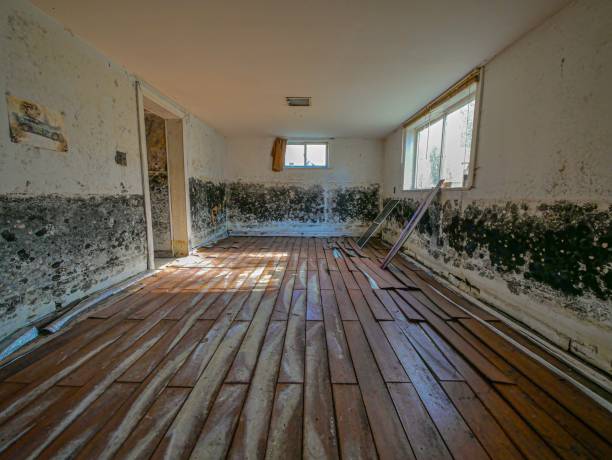
Saturday morning. You’re conducting your routine turnover inspection between vacation guests. The property looks pristine—or so you think. Then you notice it: a faint musty odor near the master bathroom. The floors feel slightly soft underfoot. Dark spots appear along baseboards.
Your heart sinks as you realize the question every 30A property owner dreads: is mold under flooring dangerous, and how bad has it gotten?
A guest review from last month suddenly makes sense: “Nice property but sandy floors and drainage issues in the primary shower.” You dismissed it as normal beach rental feedback. Now you understand those “sandy floors” were grinding beach sand into floor seams for months, creating microscopic gaps that trapped moisture beneath your luxury vinyl plank flooring.
The restoration estimate? $18,000 for complete floor removal, mold remediation, and replacement. The spring bookings you’ll cancel during repairs? Another $22,000 in lost revenue. All because you didn’t realize beach sand combined with coastal humidity creates the perfect storm for dangerous mold growth under flooring.
Understanding whether is mold under flooring dangerous in coastal vacation rentals, and why sandy beach guests accelerate this hidden threat, protects your investment property from catastrophic damage that devastates 30A property owners every season.
Why Is Mold Under Flooring Dangerous in Beach Vacation Rentals?
The question “is mold under flooring dangerous” has a clear answer: yes, potentially very dangerous—and beach properties face unique risks that make this threat even more severe than typical residential mold.
Coastal homeowners face unique challenges when it comes to moisture, with mobile homes and vacation rentals especially vulnerable as damage may go unnoticed during unoccupied months. Unlike primary residences where occupants notice problems immediately, vacation rentals experience high turnover with guests who don’t report issues or even recognize warning signs.
Mold beneath flooring releases spores throughout your entire home via HVAC systems and natural air circulation. These microscopic particles cause respiratory issues, allergic reactions, and asthma attacks—particularly dangerous for children, elderly guests, and anyone with compromised immune systems.
But here’s what makes the question “is mold under flooring dangerous” especially critical for 30A properties: beach sand accelerates flooring degradation in ways most property owners never consider.
The Sandy Guest Problem: How Beach Traffic Destroys Flooring Seals
Santa Rosa Beach’s beautiful white sand attracts guests year-round. But that same sand creates hidden dangers when tracked into vacation rentals thousands of times per season.
Sand Acts Like Sandpaper:
Sand gets everywhere, acting like sandpaper on flooring surfaces, causing scratches and dulling finishes. Every grain of sand tracked across floors creates microscopic abrasions. Over hundreds of guest visits, these abrasions compromise floor seams, grout lines, and protective coatings.
Luxury vinyl plank (LVP) flooring—increasingly popular in 30A rentals—relies on tight seams to keep moisture out. Beach sand wedges into these seams, preventing proper sealing. Water from wet bathing suits, damp towels, and shower overspray then seeps through compromised seams directly onto subflooring.
Guest Behavior Compounds the Problem:
Vacation guests track in wet sand from beach visits multiple times daily. They hang damp swimsuits in bedrooms. They walk from outdoor showers to interior spaces without fully drying. They leave wet beach bags on floors.
Between wet footprints, soaked bathing suits, damp towels, and drenched toys/games/accessories, beach activities bring lots of moisture into homes. Each guest stay adds incremental moisture beneath flooring that never fully dries before the next guest arrives.
The 7 Coastal Threats Making “Is Mold Under Flooring Dangerous” a Critical Question
Threat #1: Constant High Humidity Accelerates Mold Growth
Santa Rosa Beach maintains 70%+ humidity year-round. Many mold species can survive and thrive in high humidity, and since beach properties are located right beside bodies of water, moisture is in abundance.
When is mold under flooring dangerous? In coastal climates, always, because humidity never drops low enough to naturally dry moisture trapped beneath floors. Mold can colonize within 24-48 hours once moisture penetrates subflooring, and Gulf Coast humidity ensures perfect growth conditions exist constantly.
Threat #2: Drainage Issues Create Persistent Moisture
Actual 30A guest review: “Drainage issue in primary shower.” This common complaint signals serious problems property managers often ignore. Poor shower drainage means standing water that seeps through floor seams, saturating subflooring beneath.
If you’ve had a leaking dishwasher, fridge line, or AC unit nearby—even months ago—there could be moisture trapped under your floor that never fully dried. Coastal humidity prevents trapped moisture from evaporating, allowing mold colonization that spreads invisibly for months.
Threat #3: Salt Air Corrodes Protective Barriers
Coastal salt air doesn’t just affect exterior surfaces. It penetrates homes, slowly degrading protective floor coatings and seam sealants. As these barriers break down, they become increasingly permeable to moisture.
Salt also attracts moisture from the air, creating condensation on surfaces including the underside of flooring materials. This phenomenon—unique to coastal properties—makes the question “is mold under flooring dangerous” even more urgent near beaches.
Threat #4: Closed Properties During Low Season
Properties left for long periods of time face problems—storms can punch holes in roofs, cold weather can lead to pipe bursting, lack of airflow can trap humidity, allowing mold to grow unresolved for long periods.
When vacation rentals sit empty during low occupancy periods with reduced HVAC, humidity soars above 60%. Moisture that seeped beneath flooring during busy season has perfect conditions for mold colonization—and no one discovers the problem for weeks or months.
Threat #5: High Turnover Means Missed Warning Signs
Saturday-to-Saturday rental schedules create compressed cleaning windows where property managers focus on visible surfaces, not subtle indicators of hidden mold. By the time musty odors or visible mold appear, extensive contamination has already occurred beneath floors.
Vacation rental business requires addressing mold immediately when discovered, as bringing in experts speeds up the process, saving valuable time. But most property managers don’t discover mold until guests complain or annual inspections reveal extensive damage.
Threat #6: Shower and Bathroom Moisture Migration
Beach vacation rentals see dramatically higher bathroom usage than typical homes. Multiple guests showering daily, wet towels dropped on floors, and steam from hot showers create constant moisture exposure.
Humidity can create more issues with mold, so you want to make sure everything is in good order, and you can seal tiles with silicone if they’re picking up lots of moisture with every stay. Without aggressive ventilation and moisture control, bathroom floors become prime locations for asking “is mold under flooring dangerous”—because the answer is definitively yes.
Threat #7: The Luxury Vinyl Plank Misconception
Many 30A property owners install LVP believing it’s “waterproof” and immune to mold issues. While LVP resists water better than hardwood, it’s not mold-proof.
Hardwood flooring is susceptible to warping, swelling, and cracking with humidity and water exposure, with sand easily scratching finishes. Property owners switching from hardwood to LVP solve some problems but create others—LVP seams trap moisture against subflooring where it cannot evaporate, creating perfect mold incubation chambers.
The Health Dangers: Why “Is Mold Under Flooring Dangerous” Matters for Guest Safety
When property owners ask “is mold under flooring dangerous,” they often focus on property damage. The greater concern should be guest health and safety.
Mold exposure causes respiratory problems including coughing, wheezing, and throat irritation. Guests with asthma experience severe attacks. Elderly individuals, children, and those with compromised immune systems are especially susceptible to mold exposure.
Mycotoxins—toxic compounds some molds produce—cause neurological symptoms including headaches, difficulty concentrating, and fatigue. Guests attribute these symptoms to vacation stress or travel exhaustion, never realizing they’re experiencing mold poisoning.
The legal liability for vacation rental owners is substantial. If guests become ill from mold exposure and can prove negligence in property maintenance, lawsuits can exceed hundreds of thousands of dollars.
Warning Signs Property Managers Miss During Turnover
Recognizing early indicators of mold under flooring prevents catastrophic damage. Watch for these subtle warnings during inspections:
Musty or earthy odors in specific rooms or near HVAC returns. Mold produces volatile organic compounds creating distinctive smells before visible growth appears. If guests mention odors in reviews, investigate immediately—don’t dismiss feedback as normal beach house smell.
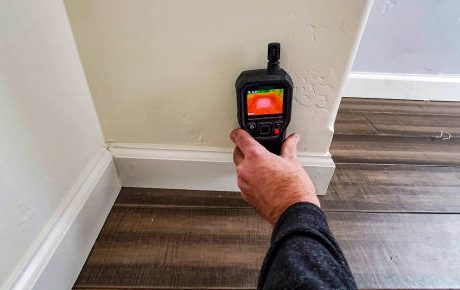
Soft or spongy flooring when walked upon. Areas feeling different underfoot suggest subfloor moisture and potential mold growth. Professional inspection using moisture meters and thermal imaging is the best way to detect hidden mold or trapped water.
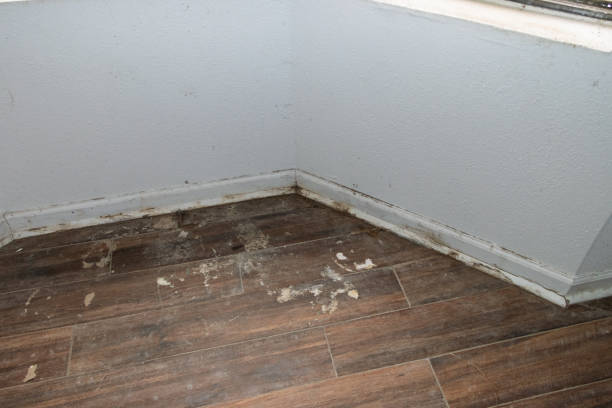
Discoloration along baseboards where floors meet walls. Dark staining, even if dry to touch, indicates moisture wicking upward from contaminated subflooring.
Guest complaints about “sandy floors” that persist despite cleaning. While some sand is inevitable in beach rentals, persistent sandiness suggests floor seam degradation allowing sand to penetrate beneath flooring where it traps moisture.
Warping or cupping of floor boards or LVP planks. This visible damage signals moisture intrusion that’s likely causing mold growth in subflooring.
The Financial Devastation of Ignoring “Is Mold Under Flooring Dangerous”
Let’s calculate the real cost when property owners don’t take seriously whether is mold under flooring dangerous:
Direct Restoration Costs:
- Floor removal and disposal: $3,000-$6,000
- Subfloor inspection and drying: $2,500-$5,000
- Mold remediation: $5,000-$15,000
- New flooring installation: $8,000-$18,000
- Baseboard and trim replacement: $2,000-$4,000
- Total restoration: $20,500-$48,000
Lost Revenue:
- Spring/summer bookings cancelled (6-8 weeks): $20,000-$40,000
- Negative reviews from guests who experienced mold: immeasurable reputation damage
- Revenue impact: $20,000-$40,000+
Property Value Loss:
- Disclosed mold history reduces values 5-10%
- On $800,000 property: $40,000-$80,000
- Equity impact: $40,000-$80,000
Total potential loss: $80,500-$168,000
Compare that to $3,000-$5,000 annually for preventive monitoring, professional-grade dehumidifiers, and aggressive moisture control. The ROI on prevention becomes obvious.
Prevention Strategies Protecting 30A Vacation Rentals
Protecting beach vacation rentals from mold under flooring requires proactive management addressing unique coastal challenges:
Install Commercial-Grade Dehumidifiers:
Between 30-50% humidity is ideal to stop mold in its tracks, and using dehumidifiers is a great way to accomplish this. Household dehumidifiers cannot handle coastal humidity in vacation rentals. Commercial units maintain safe humidity levels even during vacant periods.
Implement Moisture Monitoring Systems:
Smart sensors placed beneath flooring in high-risk areas (bathrooms, kitchens, laundry rooms) alert property managers when moisture levels indicate potential mold growth. Early detection prevents extensive damage.
Use Mold-Resistant Flooring Materials:
Porcelain tile is highly durable, waterproof with very low water absorption rates, making it highly resistant to moisture damage and mold. For beach rentals experiencing constant sand and moisture exposure, porcelain tile or mold-resistant LVP provides better protection than standard materials.
Schedule Professional Inspections:
Quarterly professional assessments using thermal imaging and moisture meters detect hidden moisture before mold colonizes. Professional inspection using moisture meters and thermal imaging is the best way to detect hidden mold or trapped water.
Aggressive Bathroom Ventilation:
Installing bathroom fans, attic fans, and a ridge vent on the roof helps moisture escape and circulates airflow to keep dampness at bay. Beach vacation rentals need commercial-grade exhaust fans running continuously, not just when bathrooms are occupied.
Regular Floor Seam Inspection:
Every 6-12 months, inspect all flooring seams, especially in high-traffic areas and near entrances. Re-seal compromised seams before moisture can penetrate to subflooring.
Guest Education:
Provide clear instructions about shaking sand from feet before entering, using outdoor showers before coming inside, and hanging wet items in designated areas. While guests won’t be perfect, education reduces moisture exposure.
What Professional Mold Assessment Reveals
When property owners finally ask “is mold under flooring dangerous” and call professionals, comprehensive assessment provides definitive answers.
Thermal imaging cameras map temperature differentials indicating moisture presence beneath floors. Cool spots often reveal hidden water damage invisible to visual inspection. Moisture meters measure water content in flooring and subfloor materials, with readings exceeding normal ranges confirming active moisture problems.
Air quality testing identifies mold spore counts and species present. High spore counts indicate active mold growth even when no visible mold appears. Professional reports document all findings with photographs, moisture readings, and specific remediation recommendations.
Frequently Asked Questions
Is mold under flooring dangerous even if I can’t see it?
Yes. Hidden mold is often more dangerous than visible growth because it remains undetected longer, allowing extensive colonization. Mold beneath flooring releases spores continuously into your air, causing health problems for guests even when no visible mold appears. While DIY mold tests can be helpful, bringing in an expert in mold inspection from the get-go helps speed up the process.
How quickly can mold grow under flooring in beach vacation rentals?
Mold can only grow in places with moisture, and once it takes root, it only takes 24-48 hours for signs and symptoms to develop. In Santa Rosa Beach’s humid coastal environment with constant moisture from sandy beach guests, mold colonization occurs rapidly—often within 24-48 hours of moisture penetrating subflooring.
Can I prevent mold under flooring while maintaining guest satisfaction?
Absolutely. Professional dehumidifiers, aggressive ventilation, and moisture monitoring prevent mold without impacting guest experience. Many guests actually appreciate seeing visible mold prevention measures, as it demonstrates property maintenance commitment. Simple additions like outdoor foot wash stations and clear signage about wet gear placement help prevent moisture intrusion.
Will insurance cover mold remediation in vacation rentals?
Coverage depends on the cause and your specific policy. If mold resulted from a covered water event like a sudden pipe burst, it may be covered. However, mold from gradual moisture accumulation, deferred maintenance, or coastal humidity is often excluded. Specialized vacation rental insurance typically provides better mold coverage than standard policies.
Should I replace hardwood with LVP to prevent mold under flooring?
LVP offers better water resistance than hardwood but isn’t immune to mold issues. While affordable, traditional laminates are vulnerable to water damage from spills and humidity, leading to swelling. For high-moisture beach rentals, porcelain tile provides superior mold resistance. If using LVP, select premium products with superior moisture barriers and ensure professional installation with proper seam sealing.
How often should beach vacation rentals be inspected for mold under flooring?
Quarterly professional inspections using moisture meters detect problems before visible mold appears. Additionally, property managers should conduct visual inspections during every turnover, checking for musty odors, soft spots, and discoloration. High-risk areas like bathrooms and kitchens deserve extra attention during each guest changeover.
Don’t Wait Until Guests Complain About “Sandy Floors”
By the time vacation guests mention musty odors, soft floors, or persistent sand issues in reviews, extensive mold contamination has likely occurred beneath your flooring. The question isn’t whether is mold under flooring dangerous—it’s how much damage has already happened.
Your 30A vacation rental represents a substantial investment in one of Florida’s most desirable markets. Protecting that investment requires understanding the unique challenges beach properties face and implementing prevention strategies that address coastal risks.
Professional Mold Inspection & Remediation for 30A Vacation Rentals
When you need to know if is mold under flooring dangerous in your Santa Rosa Beach vacation rental—or when you’ve discovered contamination requiring professional remediation—PuroClean of Santa Rosa Beach provides expert assessment and restoration services designed specifically for 30A properties.
Our IICRC-certified technicians understand the unique challenges coastal vacation rentals face. We’ve remediated mold in hundreds of beach properties, and we know exactly why sandy guests and Gulf Coast humidity make the question “is mold under flooring dangerous” so critical for property owners.
Why 30A Property Owners Trust PuroClean:
Vacation Rental Expertise: We specialize in beach property challenges including sand abrasion, coastal humidity, and high guest turnover. Our team understands the urgency of rapid restoration to minimize lost bookings.
Advanced Detection Technology: Thermal imaging cameras and professional moisture meters identify hidden mold beneath flooring before extensive damage occurs—saving thousands in unnecessary floor replacement.
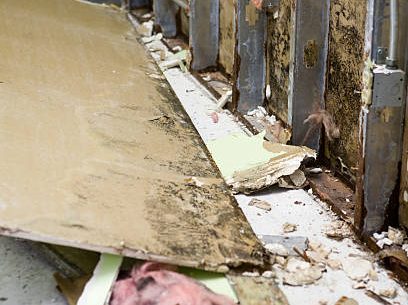
Comprehensive Remediation: Complete floor removal when necessary, thorough subfloor treatment preventing recurrence, antimicrobial applications protecting treated areas, and new flooring installation coordinating directly with your specifications.
Minimal Revenue Disruption: We work efficiently to restore properties to rental-ready condition as quickly as possible, minimizing cancelled bookings and lost income.
Insurance Coordination: Detailed documentation supports insurance claims while protecting your interests throughout the claims process.
Prevention Consultation: Beyond emergency remediation, we help property owners implement monitoring systems and maintenance protocols preventing future mold problems.
Don’t let sandy beach guests and coastal humidity destroy your investment. Whether you need professional assessment to determine if is mold under flooring dangerous in your property, or you’ve discovered contamination requiring immediate remediation, PuroClean provides solutions protecting 30A vacation rentals.
📞 Call PuroClean of Santa Rosa Beach: (850) 399-3380
🌐 Visit: www.puroclean.com/santa-rosa-beach-al
Your beach vacation rental faces unique mold threats that typical properties never encounter. Protect your investment with professional mold inspection, remediation, and prevention services designed specifically for the challenges 30A coastal properties face every season.
Call now for expert assessment that answers definitively whether is mold under flooring dangerous in your vacation rental, and provides solutions protecting your property and guests.
Available 24/7/365 | Contact Us Online | Google Business Profile | IICRC Certified | Insurance Preferred | Complete Water Damage Remediation Solutions

 PuroClean of Santa Rosa Beach