


Table of Contents
When you think of mold, you probably picture black spots on walls or a musty smell in the basement. But what about the mold you can’t see — the kind hiding beneath your hardwood, tile, or laminate floors?
Many Florida homeowners don’t realize that the most serious mold problems happen underfoot. So, is mold under flooring dangerous, or is it just another cosmetic nuisance? The short answer: it’s dangerous — to both your health and your home’s structure.
Let’s dig into why this hidden problem is often underestimated, how to recognize it, and how PuroClean of Santa Rosa Beach can help protect your home before minor damage turns into a $25,000 repair bill.
1. Why Mold Grows Under Flooring in Santa Rosa Beach Homes
Mold thrives where moisture and warmth meet — and that’s exactly what you get in Florida’s coastal climate. Even a small spill, AC leak, or storm intrusion can trap moisture beneath flooring materials.
The subfloor and padding below your floors are often made of porous materials like plywood or fiberboard, which absorb water quickly but dry slowly. This creates the perfect environment for mold spores to colonize — often within 24 to 48 hours, according to the Environmental Protection Agency (EPA).
That means by the time you notice warping, discoloration, or an earthy smell, the problem has likely been growing for days — or even weeks — out of sight.
2. Health Risks: Why Mold Under Flooring Is More Than Cosmetic
So, is mold under flooring dangerous for your health? Unfortunately, yes. Even if the mold is hidden, spores can still become airborne and circulate through your home’s HVAC system.
Common health effects include:
- Persistent coughing, sneezing, and throat irritation
- Headaches and sinus congestion
- Skin rashes or eye irritation
- Exacerbated asthma or allergy symptoms
For sensitive individuals — especially children, the elderly, and anyone with respiratory conditions — these symptoms can worsen quickly. Long-term exposure can even lead to chronic sinus infections or fatigue.
This is why indoor air quality testing is a crucial part of professional mold inspections.
3. Structural Damage: When Hidden Mold Eats Away at Your Home
While health issues are concerning enough, hidden mold can also cause expensive structural damage.
Over time, mold breaks down the cellulose fibers in wood and organic flooring materials. This weakens the subfloor and framing underneath, potentially leading to:
- Buckled or warped flooring
- Sagging or soft spots
- Rotting joists or beams
- Unstable flooring that creaks or sinks
Repairing structural damage caused by mold under flooring can cost anywhere from $5,000 to $25,000, depending on the extent — hence the “$25,000 question.”
4. Early Warning Signs You Should Never Ignore
Because mold under flooring is often invisible, you need to pay attention to subtle signs:
- Musty Odors: A persistent, earthy smell is the first red flag.
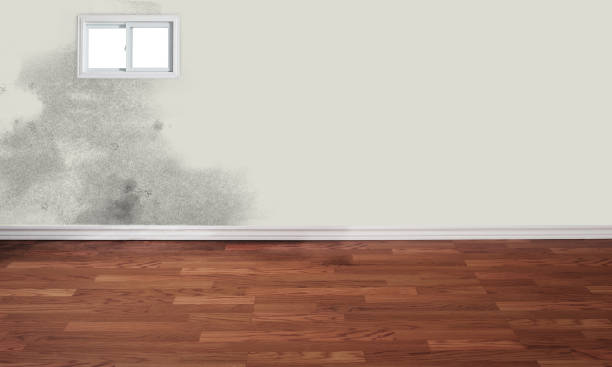
- Discoloration or Dark Spots: Especially along baseboards or corners.
- Warped Flooring: Cupping or uneven planks may indicate trapped moisture.
- Soft or Spongy Feel: Floors that feel “bouncy” could have rotting subfloors.
- Allergy Flare-Ups Indoors: If symptoms worsen at home, mold may be hidden under your flooring.
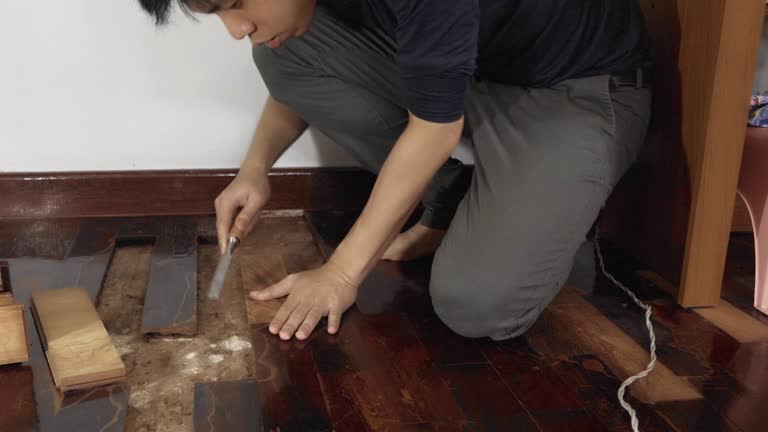
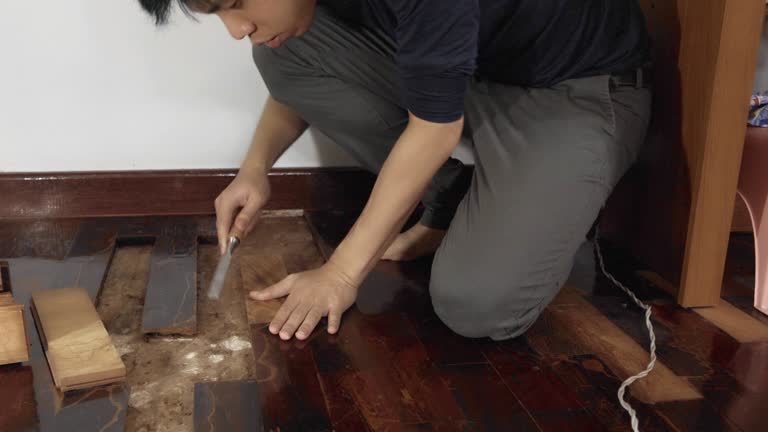
If you suspect something’s wrong, don’t try to pry up the floor yourself — this can release spores and make the situation worse.
5. What Causes Mold Under Flooring in Coastal Homes
In Santa Rosa Beach, moisture is practically a part of life. But certain home conditions make the risk even higher:
- Post-Storm Flooding: Even a few inches of stormwater can seep into flooring seams.
- High Indoor Humidity: Homes without proper dehumidifiers are especially vulnerable.
- Plumbing Leaks: Small leaks beneath appliances can go unnoticed for months.
- Condensation from HVAC Systems: Improper drainage can drip into subflooring.
- Improperly Sealed Floors: Missing caulk or gaps along walls allow moisture in.
Preventive maintenance is the key — especially before and after Florida’s storm season
6. Professional Mold Detection and Removal
So, what should you do if you suspect mold beneath your floors? This is not a DIY fix.
Professional mold remediation involves much more than bleach and a mop. At PuroClean of Santa Rosa Beach, we use advanced detection and restoration methods:
Step 1: Moisture & Mold Assessment
Using thermal imaging cameras and moisture meters, our technicians locate hidden water pockets without unnecessary demolition.
Step 2: Containment & Filtration
We isolate the affected area and use HEPA filtration to prevent spores from spreading.
Step 3: Safe Removal
Contaminated flooring and subfloor materials are safely removed following IICRC standards.
Step 4: Drying & Dehumidification
We deploy industrial drying equipment to eliminate all residual moisture.
Step 5: Sanitization & Restoration
Finally, we disinfect, deodorize, and restore the affected areas — returning your home to a clean, safe condition.
This thorough, science-backed approach ensures the problem is solved for good.
7. Prevention Tips: How to Keep Mold Away for Good
Even after professional cleanup, prevention is key. Follow these habits to keep your home safe:
✅ Monitor Humidity Levels: Keep indoor humidity between 45–55%.
✅ Inspect Plumbing Regularly: Especially around dishwashers, fridges, and sinks.
✅ Maintain Proper Ventilation: Use exhaust fans in bathrooms and kitchens.
✅ Check for Leaks After Storms: Moisture can travel under flooring unnoticed.
✅ Schedule Annual Inspections: A yearly moisture assessment can prevent costly surprises.
Remember, in coastal areas like Santa Rosa Beach, moisture control is year-round maintenance — not just a rainy-season task.
FAQs About Mold Under Flooring
Q1: Is mold under flooring dangerous if it’s a small area?
Even small patches can release spores into the air. Small visible spots often hide larger colonies below the surface.
Q2: Can I clean mold under my floor myself?
DIY methods are risky — disturbing mold releases spores that spread contamination. Always call certified professionals.
Q3: How fast does mold grow after a leak?
Mold can begin forming within 24–48 hours of moisture exposure. Acting fast prevents extensive damage.
Q4: Will insurance cover mold under flooring?
Policies vary. Most cover sudden leaks or burst pipes but exclude gradual moisture damage. Review your policy carefully.
Q5: How can I tell if mold is making me sick?
Persistent headaches, fatigue, or allergies that improve when you leave the house often indicate mold exposure.
Why Santa Rosa Beach Homeowners Trust PuroClean
When it comes to answering “is mold under flooring dangerous,” experience says yes — and fast action is your best defense.
At PuroClean of Santa Rosa Beach, our certified mold damage specialists combine advanced technology with compassionate service. We understand how stressful hidden mold can be, and we’re here 24/7 to respond — because every hour counts.
Our Services Include:
- 24/7 Emergency Water & Mold Damage Restoration
- Moisture Detection & Drying
- HEPA Filtration & Air Quality Treatment
- Structural Repairs & Reconstruction
- Direct Insurance Coordination
Our team serves Santa Rosa Beach, Miramar Beach, Destin, and surrounding Gulf Coast communities, helping homeowners recover quickly and safely.
Don’t let hidden mold threaten your family’s health or your home’s value.
📞 Call (850) 399-3380 today or visit our Google Business Profile to schedule an inspection.
When in doubt, remember — “is mold under flooring dangerous?” Yes, and PuroClean is here to make it right.
Available 24/7/365 | Contact Us Online | Google Business Profile | IICRC Certified | Insurance Preferred | Complete Mold Remediation Solutions