 PuroClean of Santa Rosa Beach
Table of Contents
Moisture Under Hardwood Floors in Winter: The Silent Investment Killer
You’ve locked up your beautiful 30A vacation rental for the off-season. The property has been immaculate all summer, generating nearly $60,000 in rental income. You’ve turned down the HVAC to save on utility costs, closed the windows, and headed back to your primary residence up north.
Three months later, you return to find your gorgeous hardwood floors buckling, warping, and stained with dark mold spots. The musty smell hits you the moment you open the door. What should have been a quick property check has turned into a $40,000 nightmare.
This scenario plays out across Santa Rosa Beach every single winter. Property owners assume that cooler temperatures mean less moisture risk. They couldn’t be more wrong. Moisture under hardwood floors in winter actually poses greater dangers than summer humidity—and it destroys investment properties with shocking speed.
Understanding why this happens and how to prevent it could save your vacation rental from catastrophic damage while protecting the substantial investment you’ve made in one of Florida’s most desirable coastal markets.
Why Winter Is Deceptively Dangerous for 30A Properties
Most people associate moisture problems with Florida’s notoriously humid summers. But winter introduces a completely different—and often more damaging—type of moisture threat.
Santa Rosa Beach averages 71% humidity even during February, the driest winter month. Winter temperatures range from 48°F to 63°F, creating the perfect conditions for condensation when warm indoor air meets cold surfaces.
Here’s what makes moisture under hardwood floors in winter so insidious: condensation forms invisibly beneath floors where you can’t see it, especially in closed-up properties. Unlike summer’s steady high humidity that you can feel, winter moisture accumulates silently through temperature differentials.
When you close up a vacation home, you trap whatever moisture exists inside. That moisture has nowhere to go. As temperatures fluctuate between chilly nights and warmer days, condensation forms on cold surfaces—including the underside of hardwood floors and within subfloor materials.
The 30A Vacation Rental Market: High Stakes, Hidden Risks
Santa Rosa Beach hosts 2,855 active vacation rentals with an average occupancy rate of 71% and annual revenue of approximately $59,600 per property. These aren’t just second homes—they’re substantial financial investments generating significant income.
The vacation rental business model creates unique vulnerabilities. Properties sit vacant during slower winter months. Owners trying to minimize expenses reduce climate control. Some turn off HVAC systems entirely, thinking cooler weather eliminates moisture concerns.
This cost-saving measure often triggers damage that wipes out an entire season’s rental income—and then some.
Premium hardwood flooring is standard in high-end 30A rentals because it photographs beautifully and commands top dollar. But that same beautiful flooring becomes a massive liability when moisture under hardwood floors in winter goes undetected in a closed-up property.
How Moisture Under Hardwood Floors in Winter Actually Forms
Understanding the science helps you prevent disaster. Winter moisture doesn’t work like summer humidity.
During winter, outdoor temperatures drop significantly at night—sometimes into the 40s. Any moisture in your home’s air or structure seeks the coldest surfaces to condense on. Concrete slab foundations become cold. Crawl spaces reach dew point. The space between your hardwood floors and subfloor becomes a condensation zone.
If you’ve reduced HVAC to minimal levels or turned it off completely, you’ve eliminated the dehumidification and air circulation that normally prevents moisture accumulation. Stagnant air allows humidity to settle into materials rather than being processed and removed.
Water vapor from the ground can also migrate upward through concrete slabs or crawl spaces—a process called vapor drive. In winter, when properties aren’t climate-controlled, nothing prevents this moisture from collecting directly beneath your hardwood floors.
According to the Environmental Protection Agency, indoor humidity levels should stay between 30-50% to prevent moisture damage and mold growth. Closed-up homes easily exceed these levels, especially in coastal climates.
6 Costly Mistakes Vacation Property Owners Make
Mistake #1: Turning Off HVAC to Save Money
This is the single most expensive mistake owners make. Modern HVAC systems don’t just heat and cool—they dehumidify and circulate air. When you shut them off, moisture accumulates rapidly.
The few hundred dollars you save on utilities pale compared to the $20,000-$40,000 you’ll spend replacing ruined hardwood floors and remediating mold growth.
Mistake #2: Closing All Windows and Doors Completely
While security requires locking up, completely sealing a property traps moisture inside. Without any air exchange, humidity builds to damaging levels. Moisture under hardwood floors in winter flourishes in these stagnant conditions.
Many coastal homes need some level of ventilation even when vacant, though this must be balanced carefully with security and weather concerns.
Mistake #3: Ignoring Humidity Monitoring
You can’t manage what you don’t measure. Property owners who leave for months without humidity monitors have no idea conditions are deteriorating until damage is visible—which means extensive destruction has already occurred.
Smart home humidity sensors cost under $100 and send alerts when levels become dangerous. This early warning system can save your entire investment.
Mistake #4: Assuming Cool Weather Means Dry Conditions
This misconception costs vacation rental owners millions collectively. Cool doesn’t equal dry in coastal Florida. Winter humidity remains high enough to support mold growth and wood damage, especially when combined with temperature fluctuations.
Moisture under hardwood floors in winter develops even when outdoor temperatures drop, because the mechanisms creating it differ from summer moisture absorption.
Mistake #5: Delaying Property Checks
Owners who visit monthly instead of weekly miss critical early warning signs. By the time you notice floor discoloration, warping, or musty odors, significant damage has accumulated.
Professional property managers typically check weekly, but many owners managing their own rentals stretch visits to reduce trips—unknowingly allowing problems to compound.
Mistake #6: Not Installing Proper Vapor Barriers
Many older 30A properties lack adequate vapor barriers beneath hardwood floors. Ground moisture migrates upward through concrete slabs or crawl spaces directly into flooring materials.
This issue worsens in winter when HVAC isn’t running to combat moisture intrusion. The National Wood Flooring Association recommends proper vapor barriers as essential protection, especially in humid climates.
The Financial Impact on Your Investment Property
Let’s calculate what moisture under hardwood floors in winter actually costs vacation rental owners.
Premium hardwood flooring installation runs $8-$15 per square foot. A 2,000-square-foot property means $16,000-$30,000 just for floor replacement. Add subfloor damage, mold remediation, baseboard replacement, and you’re easily at $40,000-$60,000.
Now factor in lost rental income. If damage forces you to cancel bookings during peak spring season when nightly rates exceed $500, you’re losing $15,000-$30,000 in revenue for a single month of repairs.
Property value takes a hit too. Disclosed moisture damage and mold issues can reduce home values by 5-10% or more. On a $800,000 property, that’s $40,000-$80,000 in lost equity.
Total cost of ignoring moisture under hardwood floors in winter: potentially $100,000+ in direct damage, lost income, and reduced property value.
Warning Signs Your Property Has Moisture Problems
Early detection makes the difference between minor repairs and catastrophic damage. Watch for these indicators:
Floors feel soft or spongy when walked on. Boards show slight cupping (edges higher than centers) or crowning (centers higher than edges). Gaps appear between boards that weren’t there previously.
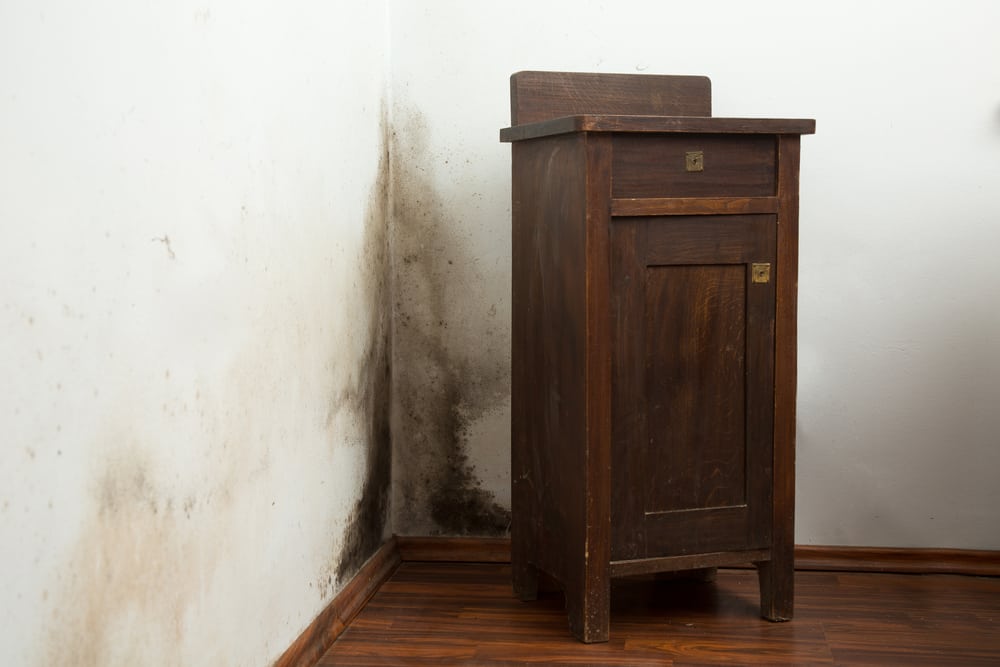
Musty or earthy odors indicate mold growth somewhere in the structure. Condensation forms on windows consistently. Visible mold or mildew appears on baseboards, in closets, or in corners.
Wood surfaces feel damp or show water staining. Air feels heavy or stuffy when you enter after being away. These signs mean moisture under hardwood floors in winter has already begun causing damage.
Preventing Winter Moisture Damage in Vacant Properties
Protection requires active management, not passive hope. Here’s your winter prevention strategy:
Maintain Climate Control: Keep HVAC set to at least 68°F with dehumidification active. The utility costs are insurance against catastrophic damage. Modern smart thermostats let you monitor and adjust remotely.
Install Humidity Monitoring: Smart sensors alert you instantly when humidity exceeds safe levels. Position sensors in multiple rooms, especially near exterior walls and over concrete slabs.
Schedule Regular Inspections: Visit weekly if possible, minimum every two weeks. Check for condensation, run faucets to prevent pipe issues, and verify HVAC is functioning properly.
Ensure Proper Ventilation: Bathroom and kitchen exhaust fans should vent outside, not into attics. Consider running exhaust fans periodically even when vacant.
Address Drainage Issues: Ensure gutters function properly and ground slopes away from your foundation. Poor drainage sends water under your home where it creates moisture under hardwood floors in winter.
Use Dehumidifiers Strategically: In problem areas like crawl spaces or rooms over concrete slabs, dedicated dehumidifiers provide extra protection beyond HVAC.
What Professional Restoration Involves
When moisture damage occurs, professional intervention is essential. DIY attempts typically miss hidden damage, allowing mold to spread and structural issues to worsen.
Professional restoration starts with comprehensive moisture mapping using thermal imaging cameras and moisture meters. Technicians identify all affected areas, including hidden damage in walls and subfloors.
If moisture under hardwood floors in winter has caused significant damage, affected flooring and subflooring materials are removed. The Institute of Inspection, Cleaning and Restoration Certification sets standards for proper drying, requiring industrial dehumidifiers and air movers running continuously for several days.
Antimicrobial treatments prevent mold growth during drying. After moisture levels return to normal ranges, damaged materials are replaced following proper installation protocols to prevent recurrence.
Frequently Asked Questions
How quickly does moisture under hardwood floors in winter cause damage?
Damage begins within 24-48 hours in favorable conditions. Mold can start colonizing within this timeframe, and wood begins swelling immediately upon moisture contact. In closed-up vacation properties, damage can become extensive within 2-3 weeks of moisture accumulation.
Can I prevent moisture damage by just turning the heat down instead of off?
Lowering heat helps, but temperature alone isn’t enough. You need active dehumidification and air circulation. Set your thermostat to maintain both temperature (68°F minimum) and humidity control. Many modern thermostats include dehumidification settings specifically for this purpose.
How often should I check my vacant vacation rental in winter?
Weekly checks are ideal, with bi-weekly being the minimum acceptable frequency. Each visit should include checking for condensation, verifying HVAC operation, running water, and visually inspecting floors for early warning signs of moisture damage.
Will a dehumidifier alone protect my hardwood floors in winter?
A dehumidifier helps but shouldn’t be your only defense. You need functioning HVAC for air circulation, proper vapor barriers beneath flooring, good drainage around your foundation, and regular monitoring. Moisture under hardwood floors in winter requires comprehensive protection, not a single solution.
Does homeowners insurance cover moisture damage in vacant properties?
Coverage varies significantly by policy. Many standard policies exclude damage from lack of maintenance or properties vacant beyond 30-60 days. Specialized vacation rental insurance typically provides better protection. Review your policy carefully and consider additional coverage for investment properties.
What humidity level is safe for hardwood floors?
Hardwood floors perform best between 35-50% relative humidity. Above 60%, wood begins absorbing moisture and swelling. Below 30%, wood can shrink and crack. Maintaining this range requires active climate control, especially in humid coastal environments.
Protecting Your 30A Investment Year-Round
Your vacation rental represents a substantial investment in one of Florida’s most desirable markets. Premium properties command premium rates—but only when maintained in pristine condition.
Moisture under hardwood floors in winter destroys that investment silently and swiftly. By the time damage becomes visible, you’ve already lost thousands of dollars and potentially weeks or months of rental income during peak season.
Prevention costs a fraction of restoration. Smart monitoring, consistent climate control, and professional oversight protect your property value and rental income potential.
Emergency Restoration Services for 30A Investment Properties
When moisture damage strikes your Santa Rosa Beach vacation rental, immediate professional response prevents minor problems from becoming catastrophic losses. PuroClean of Santa Rosa Beach specializes in protecting investment properties throughout the 30A corridor.
We understand the unique challenges vacation rental owners face. Your property can’t generate income while under repair, making fast, comprehensive restoration essential. Our team responds 24/7 to moisture emergencies with the expertise and equipment your investment deserves.
Why 30A Property Owners Trust PuroClean:
Investment Property Specialists: We work with vacation rental owners throughout Santa Rosa Beach, understanding the financial pressures and timeline requirements unique to rental properties.
24/7 Emergency Response: Moisture damage doesn’t wait for convenient timing. We respond immediately, typically arriving within 60 minutes to begin mitigation.
Advanced Moisture Detection: Thermal imaging cameras and professional moisture meters identify all damage—including hidden moisture in walls, subfloors, and structural materials invisible to visual inspection.
Comprehensive Restoration: From emergency water extraction through complete reconstruction, we handle every phase so you work with one trusted team throughout.
Insurance Coordination: We document everything thoroughly and work directly with insurance companies to ensure proper claim handling while protecting your interests.
Rental Timeline Focus: We understand you need your property rental-ready as quickly as possible. Our efficient processes minimize downtime and lost rental income.
Quality That Commands Premium Rates: Restoration work meets the high standards your investment property demands to maintain its position in the luxury rental market.
Don’t let moisture under hardwood floors in winter destroy your investment. Whether you’ve discovered active damage or want to implement prevention strategies, PuroClean provides the expertise 30A property owners depend on.
📞 Call PuroClean of Santa Rosa Beach: (850) 399-3380
🌐 Visit: www.puroclean.com/santa-rosa-beach-al
Your vacation rental is a significant investment generating substantial income. Protect it with professional moisture management and emergency restoration services designed specifically for 30A investment properties. Call now for a property assessment or emergency response.
Available 24/7/365 | Contact Us Online | Google Business Profile | IICRC Certified | Insurance Preferred | Complete Mold Remediation Solutions


 PuroClean of Santa Rosa Beach