


Table of Contents
Mold Under Flooring: The Hardwood Question Every Santa Rosa Beach Homeowner Gets Wrong
You’re renovating your Santa Rosa Beach home and standing in the flooring showroom facing a critical decision: engineered hardwood or solid hardwood? The salesperson assures you that engineered hardwood is “more moisture-resistant” and “better for humid climates.”
You choose engineered, confident you’ve made the smart choice for coastal living. Three years later, you’re pulling up buckled planks to discover extensive mold under flooring that’s destroyed your subflooring and created a $15,000 remediation project.
“But they said engineered hardwood resists moisture better!” you protest to the restoration technician. The technician nods sympathetically, they’ve heard this exact statement dozens of times from homeowners who believed marketing claims without understanding what “moisture-resistant” actually means in Santa Rosa Beach’s relentless 70%+ humidity.
Here’s the truth flooring salespeople don’t explain: while engineered hardwood resists expansion and contraction better than solid wood, mold under flooring doesn’t care about dimensional stability. Mold cares about moisture, and both flooring types can develop catastrophic mold problems in coastal humidity when other factors aren’t addressed.
Understanding which hardwood type actually gets mold under flooring faster in high-humidity environments—and why the answer might surprise you—protects your investment and prevents the expensive disasters we remediate throughout Santa Rosa Beach every year.
The Engineered Hardwood Marketing vs. Reality
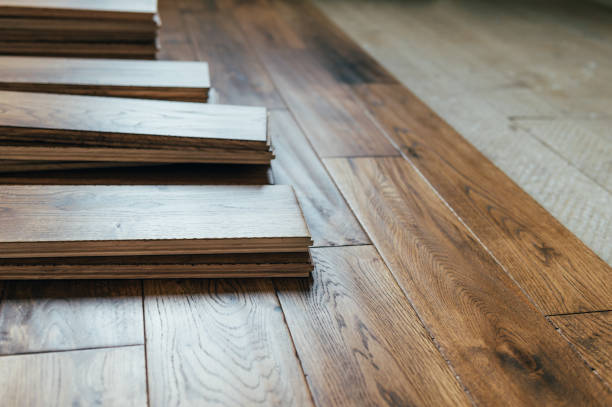
Walk into any flooring store and sales representatives will tout engineered hardwood’s superiority in humid climates. Their pitch sounds convincing: engineered hardwood’s layered construction of real hardwood veneer over plywood or high-density fiberboard provides dimensional stability and moisture resistance that solid hardwood cannot match.
This marketing isn’t technically false, it’s just incomplete in ways that create dangerous misunderstandings. Core materials ensure engineered hardwood floors remain less vulnerable to moisture and dimensional instability compared to traditional solid wood, which can swell and contract with varying humidity levels.
But here’s what salespeople don’t emphasize: “moisture-resistant” doesn’t mean “mold-proof.” Engineered hardwood resists warping from humidity changes better than solid wood, but that structural stability provides zero protection against mold under flooring when moisture actually penetrates beneath your floors.
The layered construction involves adhesives bonding wood layers together. When moisture reaches these adhesive layers (and it will in Santa Rosa Beach’s climate) mold colonizes rapidly on the organic glues and compressed wood fibers. Ironically, the same engineered construction praised for moisture resistance becomes perfect mold food once water breaches the surface.
Solid Hardwood: The “Worse” Option That Might Actually Warn You Earlier
Solid hardwood flooring gets an unfair reputation in humid climates. Salespeople warn it will warp, cup, and buckle. They’re right, solid wood expands and contracts naturally when exposed to varying moisture levels, absorbing moisture from air and swelling in humid environments.
But here’s the counterintuitive reality: this “weakness” actually provides earlier warning of moisture problems developing mold under flooring. Solid hardwood shows visible symptoms faster when moisture accumulates beneath floors. Cupping, warping, and gaps appear weeks before engineered hardwood would show similar distress.
According to the Environmental Protection Agency, mold grows on virtually any substance when moisture is present. Both solid and engineered hardwood provide organic material mold consumes. The question isn’t which material prevents mold—it’s which one alerts you to moisture problems before extensive colonization occurs.
Solid hardwood’s movement in response to moisture is a liability, until you need that movement to warn you about water accumulating where you can’t see it. Engineered hardwood’s stability means it often conceals moisture problems until mold has spread extensively through subflooring.
The Surprising Answer: It Depends on Installation More Than Material
If you’re hoping for a simple “engineered is better” or “solid is safer” answer regarding mold under flooring in Santa Rosa Beach’s humidity, I have to disappoint you. The reality is more complex, and more important to understand.
Research indicates proper installation with moisture barriers and sealing edges and joints is key to protecting floors from moisture and mold, regardless of whether you choose engineered or solid hardwood. Installation quality matters more than material choice when preventing mold under flooring.
Poor installation of engineered hardwood:
- Inadequate moisture barriers allow ground moisture through slabs
- Unsealed seams let spills penetrate to subflooring
- Missing expansion gaps trap moisture along walls
- Result: Mold develops rapidly under “moisture-resistant” flooring
Poor installation of solid hardwood:
- Same moisture barrier, seam sealing, and expansion gap problems
- But visible warping alerts homeowners weeks earlier
- Earlier detection means intervention before extensive mold colonization
- Result: Easier remediation, lower costs
Professional installation of either type:
- Premium moisture barriers (6-mil polyethylene minimum)
- Properly sealed seams preventing water intrusion
- Correct expansion gaps allowing air circulation
- Result: Significantly reduced mold risk regardless of material
The uncomfortable truth: DIY or budget installation of engineered hardwood creates worse mold outcomes than professional installation of solid hardwood. You’re better off with properly installed solid wood than poorly installed engineered, despite engineered’s superior marketing.
The 6 Factors That Determine Mold Under Flooring Speed
Whether engineered or solid hardwood develops mold under flooring faster depends on variables beyond material choice:
Factor #1: Vapor Barrier Quality
For most flooring, moisture levels should be below 12%; anything higher indicates issues such as moisture seeping from subfloor or high room humidity requiring immediate action. Without premium vapor barriers, ground moisture penetrates through concrete slabs or crawl space floors directly to your hardwood, regardless of whether it’s engineered or solid.
In Santa Rosa Beach’s coastal location, high water tables and persistent humidity mean inadequate vapor barriers guarantee mold problems. The flooring material becomes irrelevant when moisture continuously enters from below.
Factor #2: Room Humidity Control
Most flooring materials work best when indoor humidity stays between 30-50%; above 50%, materials start absorbing moisture and mold risk increases dramatically. Santa Rosa Beach’s average outdoor humidity exceeds 70% year-round.
Without aggressive whole-home dehumidification, both engineered and solid hardwood will develop mold under flooring. The question becomes only timing: engineered might take 4-6 months longer due to dimensional stability, but mold still wins eventually without humidity control.
Factor #3: Spill Response and Water Events
Solid hardwood requires immediate cleanup of spills—, ater left on surfaces for hours penetrates and causes visible damage within days. This urgency trains homeowners to respond quickly to water exposure.
Engineered hardwood’s surface moisture resistance allows more relaxed cleanup. Homeowners see water beading on surfaces and assume no damage occurred, meanwhile, water that found seams or edges has been saturating subflooring for hours or days. By the time mold under flooring is discovered, colonization is extensive.
Factor #4: Subfloor Condition and Type
Mold under flooring grows on subflooring, not on hardwood itself. Whether you have plywood, OSB, or concrete subfloors matters enormously. Engineered hardwood is built to resist environmental changes, making it less likely to expand or contract in response to humidity or temperature fluctuations, but if water reaches porous plywood subflooring, mold thrives regardless.
Solid hardwood installed over concrete with inadequate moisture barriers experiences different but equally serious mold problems. The material above doesn’t change what happens beneath when moisture accumulates.
Factor #5: Ventilation and Air Circulation
Poor ventilation contributes to high indoor humidity, which accelerates mold under flooring for both hardwood types. Bathrooms, kitchens, and laundry rooms without proper exhaust fans maintain humidity levels guaranteeing eventual mold colonization.
Engineered hardwood’s dimensional stability doesn’t protect against constant 75%+ humidity in poorly ventilated bathrooms. Solid hardwood’s warping in these conditions at least warns you there’s a problem. Either way, without ventilation, mold wins.
Factor #6: Location in Home
Engineered hardwood can be installed at all levels of the home including basements and below-grade spaces where solid hardwood isn’t recommended. But installation capability doesn’t equal mold immunity.
Basements face high humidity, potential groundwater intrusion, and poor ventilation, all factors accelerating mold under flooring. Engineered hardwood’s ability to be installed in basements doesn’t mean it should be installed without aggressive moisture control measures. Many homeowners install it because they can, then discover mold problems solid hardwood’s limitations would have prevented through material incompatibility warnings.

What Actually Prevents Mold Under Flooring (For Both Types)
Rather than obsessing over engineered versus solid hardwood, focus on factors actually preventing mold under flooring in Santa Rosa Beach’s challenging climate:
Comprehensive Moisture Barrier Systems:
Premium 6-mil polyethylene vapor barriers beneath all flooring prevent ground moisture from reaching hardwood and subflooring. This single upgrade matters more than material choice for mold prevention.
Aggressive Whole-Home Dehumidification:
Maintaining indoor humidity below 50% year-round prevents mold regardless of hardwood type. In coastal climates, this requires substantial dehumidification systems, not portable units. Humidity levels and temperature fluctuations play significant roles in mold resistance, proper ventilation and humidity control drastically reduce mold development risk.
Professional Installation:
Proper techniques including moisture barriers, sealing edges and joints, and correct expansion gaps are key to protecting floors from moisture and mold. DIY or budget installation compromises mold resistance more than choosing the “wrong” hardwood type.
Regular Maintenance and Immediate Spill Response:
Maintaining floors in ways that prevent mold involves regular cleaning using products designed for hardwood, dealing with spills immediately, and using dehumidifiers in high-humidity areas. These practices matter equally for engineered and solid hardwood.
Strategic Material Selection for Specific Rooms:
Neither engineered nor solid hardwood belongs in certain high-moisture areas regardless of marketing claims. Bathrooms, laundry rooms, and below-grade basements need truly waterproof materials like porcelain tile or luxury vinyl. Choosing hardwood for these spaces—engineered or solid—invites eventual mold problems.
The Hidden Cost of Choosing Based on Marketing
When homeowners select engineered hardwood primarily because salespeople warned about solid hardwood’s moisture sensitivity, they often spend more upfront ($3-8 per square foot for engineered versus $5-10 for solid—with engineered’s lower cost encouraging larger installations).
Then they skip critical moisture protection measures because they believe engineered hardwood’s “moisture resistance” provides adequate protection. They forego premium vapor barriers ($1-2 per square foot), skip professional-grade dehumidification systems ($2,000-5,000), and attempt DIY installation to save costs ($3-5 per square foot for professional installation).
Result of this “economical” approach:
- Engineered hardwood: $6,000 (materials for 2,000 sq ft)
- Moisture protection skipped: $0
- DIY installation: $0
- Total upfront: $6,000
Three years later:
- Mold remediation: $5,000-$12,000
- Subfloor replacement: $4,000-$8,000
- New flooring: $6,000-$10,000
- Lost time and disruption: incalculable
- Total actual cost: $21,000-$36,000
Compare to the “expensive” solid hardwood approach:
- Solid hardwood: $10,000 (materials for 2,000 sq ft)
- Premium moisture barriers: $3,000
- Professional installation: $8,000
- Whole-home dehumidification: $4,000
- Total upfront: $25,000
Years later:
- No mold problems
- No remediation needed
- Total actual cost: $25,000
The “affordable moisture-resistant” choice costs $11,000-$36,000 more than the “expensive moisture-sensitive” option installed correctly.
Why Santa Rosa Beach Makes Hardwood Choice Critical
Our Gulf Coast location creates unique challenges making the engineered versus solid hardwood decision more consequential than in drier climates.
Santa Rosa Beach maintains 70%+ humidity year-round. Summer humidity regularly exceeds 80%. Even winter months average 71% humidity. This persistent moisture overwhelms hardwood flooring that would perform perfectly in Arizona or Colorado.
Coastal salt air accelerates corrosion of metal fasteners, adhesives, and finishes. Combined with humidity, this creates perfect conditions for mold under flooring to develop rapidly once any water intrusion occurs.
The vacation rental market means thousands of properties experience periods of vacancy with reduced climate control. Owners minimizing utility costs during low-occupancy months create conditions where mold develops in weeks rather than months.
These factors mean Santa Rosa Beach homeowners cannot rely on flooring material choice alone to prevent mold. Both engineered and solid hardwood require aggressive moisture management strategies exceeding what manufacturers recommend for “normal” humid climates.
Frequently Asked Questions
Does engineered hardwood prevent mold better than solid hardwood in humid climates?
No. Engineered hardwood resists warping and dimensional changes from humidity better than solid wood, but this doesn’t prevent mold under flooring. Mold grows on subflooring when moisture accumulates regardless of hardwood type above it. Engineered wood resists mold better than solid hardwood due to its layered structure limiting moisture absorption, but only when properly installed with moisture barriers and humidity control.
Can I install either type in Santa Rosa Beach bathrooms?
Neither engineered nor solid hardwood is recommended for full bathrooms despite marketing claims. Bathroom humidity, shower steam, and inevitable water exposure create mold risks both materials cannot adequately resist in coastal climates. Porcelain tile or luxury vinyl tile provides superior mold resistance for bathrooms.
How do I know if my current hardwood floors have mold underneath?
Musty odors persisting despite cleaning, soft or spongy spots when walking, visible warping or cupping, and discoloration along baseboards all indicate possible mold under flooring. Professional moisture assessment using thermal imaging and moisture meters provides definitive answers before visible damage appears.
Should I replace solid hardwood with engineered to prevent future mold?
Not necessarily. If your solid hardwood developed mold due to inadequate moisture barriers, poor humidity control, or water events, engineered hardwood will experience identical problems without addressing root causes. Fix moisture sources first, then choose materials appropriate for corrected conditions.
Which type is easier to remediate when mold develops underneath?
Both require similar remediation: complete floor removal, subfloor treatment, moisture source correction, and replacement. Engineered hardwood’s multiple glued layers sometimes complicate removal compared to solid wood planks, but remediation costs are comparable. Prevention matters more than ease of remediation.
Can professional installation prevent all mold problems with either hardwood type?
Professional installation dramatically reduces but cannot eliminate mold risk in Santa Rosa Beach’s extreme humidity. Even perfectly installed hardwood requires whole-home humidity control, proper maintenance, immediate spill response, and addressing any water intrusion quickly to prevent mold under flooring.
Making the Right Choice for Your Santa Rosa Beach Home
The engineered versus solid hardwood decision shouldn’t focus primarily on which develops mold under flooring slower. Instead, choose based on your ability and willingness to implement comprehensive moisture control regardless of material.
Choose engineered hardwood if:
- You’re installing over concrete slabs
- Rooms have radiant heating systems
- You want installation flexibility (nail, glue, or float)
- You’ll implement aggressive humidity control and moisture barriers
- You understand “moisture-resistant” ≠ “mold-proof”
Choose solid hardwood if:
- You want maximum refinishing capability (3-5 times versus 1-2)
- You prefer earlier warning signs of moisture problems
- You’re installing over wood subfloors
- You’ll implement aggressive humidity control and moisture barriers
- You want traditional solid wood aesthetics
Choose neither if:
- You won’t invest in whole-home dehumidification
- Rooms lack proper ventilation
- You plan DIY installation without moisture barriers
- You can’t commit to immediate spill response
- You’re installing in bathrooms or below-grade basements
In Santa Rosa Beach’s challenging climate, material choice is less important than moisture management commitment. Both engineered and solid hardwood can perform well or fail catastrophically depending on protection measures implemented.
Professional Mold Remediation and Flooring Assessment
When you discover or suspect mold under flooring in your Santa Rosa Beach home—or want professional guidance on preventing it during renovation—PuroClean of Santa Rosa Beach provides expert services designed specifically for coastal properties.
Our IICRC-certified technicians have remediated mold under both engineered and solid hardwood flooring throughout Santa Rosa Beach. We understand why both materials can develop mold problems in Gulf Coast humidity and implement solutions addressing root causes, not just symptoms.
Why Santa Rosa Beach Homeowners Trust PuroClean:
Comprehensive Assessment: Thermal imaging and moisture mapping identify all mold beneath flooring, including hidden colonization in subfloors and wall cavities that homeowners cannot detect.
Material-Specific Expertise: We understand differences between engineered and solid hardwood remediation, adapting techniques for each material’s construction.
Complete Remediation: Removal of affected flooring and subflooring, treatment of contaminated materials with hospital-grade antimicrobials, structural drying ensuring complete moisture elimination, and air quality testing verifying successful remediation.
Moisture Source Correction: Identifying why moisture accumulated beneath flooring—inadequate vapor barriers, humidity control failures, water intrusion, ventilation problems—and implementing permanent solutions.
Coastal Climate Experience: Years serving Santa Rosa Beach means we understand how Gulf Coast humidity creates unique challenges both hardwood types face.
Prevention Consultation: Beyond remediation, we help homeowners implement moisture barriers, humidity control systems, and maintenance protocols preventing future mold under flooring regardless of hardwood type chosen.
Don’t let flooring marketing create false confidence about mold resistance. Whether you have engineered or solid hardwood, professional assessment provides honest evaluation of mold risks and solutions protecting your investment.
📞 Call PuroClean of Santa Rosa Beach: (850) 399-3380
🌐 Visit: www.puroclean.com/santa-rosa-beach-al
The engineered versus solid hardwood debate misses the point in coastal climates. Both materials need aggressive moisture protection to prevent mold under flooring. Professional guidance ensures you implement solutions that actually work in Santa Rosa Beach’s relentless 70%+ humidity—protecting your flooring investment for years to come.
Available 24/7/365 | Contact Us Online | Google Business Profile | IICRC Certified | Insurance Preferred | Complete Water Damage Remediation Solutions