


Table of Contents
Mold under flooring in closed winter rentals is one of the most destructive problems property owners don’t see coming, until January arrives and the damage is already done.
Along 30A and Santa Rosa Beach, many vacation rentals sit unoccupied during the winter months. Doors stay locked. Thermostats are turned down. Windows stay closed. On the surface, everything appears fine.
But underneath the flooring, moisture quietly builds.
By the time owners return in January to prepare for spring bookings, they often uncover warped floors, musty odors, discoloration, or worse—extensive mold growth spreading unseen beneath tile, laminate, vinyl, or hardwood.
What makes this problem especially dangerous is how silent it is. Mold doesn’t need light, noise, or foot traffic. It only needs moisture, darkness, and time.
And winter provides all three.
Why Winter Closures Create the Perfect Conditions for Mold
Closed winter rentals face a unique set of environmental risks, especially in coastal Florida.
Humidity doesn’t disappear just because guests do.
Even during cooler months, Santa Rosa Beach experiences fluctuating temperatures, coastal moisture, and condensation. When properties are sealed up with minimal airflow, moisture becomes trapped under floors.
Common winter-related contributors include:
- Undetected plumbing leaks
- Condensation from temperature swings
- Poor ventilation
- HVAC systems set too low or turned off
- Storm-driven moisture intrusion
- Residual moisture from fall rains
Over weeks or months, that moisture settles beneath flooring materials—and mold begins to grow quietly.
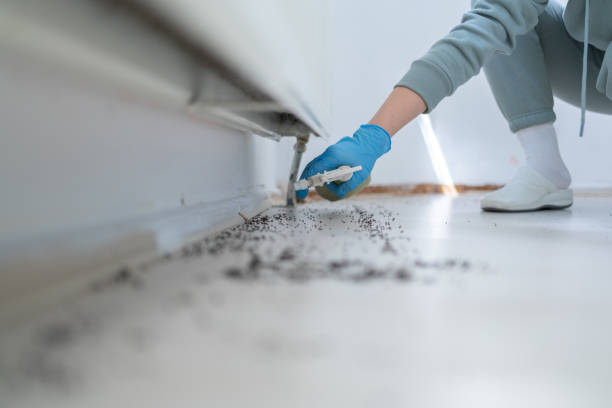
Why January Is the Month Mold Gets Discovered
January is when property owners finally return.
After weeks—or months—of closure, rental owners step back inside expecting a routine inspection. Instead, they’re hit with:
- A strong musty smell
- Soft or buckling floors
- Dark stains along baseboards
- Warped planks or lifting tiles
- Allergy-like symptoms after entering
This is why mold under flooring in closed winter rentals often becomes visible in January. The damage didn’t start then—it simply reached the point where it could no longer stay hidden.
Mold Under Flooring in Closed Winter Rentals: What Makes It So Dangerous
Mold beneath flooring is more than a cosmetic issue, it’s a structural and health threat.
Because it grows out of sight, it often spreads unchecked across large areas before discovery. By the time symptoms appear, contamination may already involve subflooring, insulation, drywall, and framing.
Unlike surface mold, this type of growth requires professional intervention.
According to the EPA, mold exposure can trigger respiratory issues, allergic reactions, and worsen asthma symptoms, especially in enclosed spaces:
Health Risks for Owners, Cleaners, and Guests
Once disturbed, mold spores become airborne.
That means the first people exposed are often:
- Property owners
- Maintenance staff
- Cleaning crews
- Contractors
And if missed, future guests.
Health risks include:
- Headaches
- Sinus irritation
- Chronic coughing
- Fatigue
- Skin irritation
- Worsened asthma or allergies
This is why mold under flooring in closed winter rentals should never be ignored or handled without proper containment and remediation.

Flooring Types Most Vulnerable to Hidden Mold
Certain flooring materials are especially susceptible to moisture trapping.
These include:
- Luxury vinyl plank (LVP)
- Laminate flooring
- Engineered hardwood
- Tile with porous grout
- Carpet with padding
Moisture becomes trapped between the flooring and subfloor, creating an ideal breeding ground. Without foot traffic or airflow, evaporation slows dramatically during winter months.
Why DIY Mold Cleanup Makes Things Worse
One of the biggest mistakes property owners make is attempting DIY cleanup after discovering mold.
Scrubbing visible areas does not solve the problem.
In fact, it often:
- Spreads spores deeper
- Disturbs contaminated materials
- Pushes mold into walls or HVAC systems
- Creates cross-contamination
The CDC warns against improper mold cleanup in enclosed spaces without protective measures:
Professional remediation is essential for mold under flooring in closed winter rentals because the contamination source must be fully identified and removed.
Hidden Structural Damage Beneath the Surface
Mold doesn’t stop at the surface.
If left untreated, it can damage:
- Subflooring
- Floor joists
- Wall framing
- Insulation
- Drywall
Over time, this leads to costly structural repairs, extended downtime, and lost rental income, especially damaging just before peak spring and summer seasons.
Warning Signs You Should Never Ignore
Even subtle clues can indicate serious mold growth below your floors.
Watch for:
- Persistent musty odors
- Floors that feel soft or uneven
- Discoloration along baseboards
- Flooring lifting or separating
- Increased humidity indoors
- Condensation near floor edges
If you notice even one of these, it’s time to call a professional.
How Professionals Detect Mold Beneath Flooring
Certified restoration teams use specialized tools to locate hidden contamination, including:
- Moisture meters
- Infrared cameras
- Hygrometers
- Non-invasive inspection methods
This allows professionals to pinpoint affected areas without unnecessary demolition, saving time, money, and stress.
FAQs: Mold Under Flooring in Closed Winter Rentals
Is mold under flooring common in winter rentals?
Yes. Properties that remain closed for weeks or months are at higher risk due to trapped humidity and lack of airflow.
Can mold grow even if there’s no visible water damage?
Absolutely. Condensation and humidity alone are enough to support mold growth beneath flooring.
How fast does mold spread under flooring?
Mold can begin growing within 24–48 hours of moisture exposure and continue spreading silently for months.
Do I need to replace my flooring?
In many cases, yes—especially if mold has contaminated the subfloor or padding. A professional assessment determines what can be saved.
Is professional restoration really necessary?
Yes. Mold beneath flooring requires containment, removal, drying, and sanitization to ensure the property is safe.
Why Early Action Saves Thousands
The sooner mold under flooring in closed winter rentals is addressed, the more damage you prevent.
Early intervention can:
- Reduce demolition costs
- Shorten downtime
- Preserve flooring materials
- Prevent structural repairs
- Protect guest health
- Maintain rental value
Waiting until spring often turns a manageable issue into a major restoration project.
Why Santa Rosa Beach Property Owners Trust PuroClean
When you discover mold damage in January, you need fast, professional help—not guesswork.
PuroClean of Santa Rosa Beach specializes in:
- Emergency water damage restoration
- Mold detection and remediation
- Moisture control and drying
- Structural drying
- Odor removal
- Winter property damage response
Our team understands coastal properties, seasonal closures, and the urgency of preparing rentals for peak season.
Call Now Before Spring Bookings Are at Risk
If you suspect mold under flooring in closed winter rentals, don’t wait for visible damage to spread.
📞 Call PuroClean of Santa Rosa Beach at (850) 399-3380 for 24/7 emergency damage restoration.
We help protect your property, your guests, and your rental income—before a hidden winter problem becomes a spring disaster.
Available 24/7/365 | Contact Us Online | Google Business Profile | IICRC Certified | Insurance Preferred | Complete Water Damage Remediation Solutions