


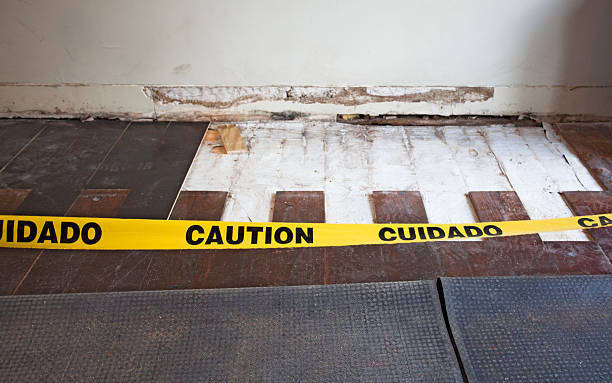
Mold Under Flooring in Rental Properties: When Ignorance Becomes $250K Liability
You own three vacation rentals on 30A. One tenant emails mentioning a musty smell in the bathroom. You respond that you’ll “look into it” and add it to your maintenance list for next month when the property has a vacancy gap.
Three weeks later, that same tenant develops severe respiratory problems requiring hospitalization. Their doctor attributes symptoms to toxic mold exposure. The tenant hires an attorney, and suddenly you’re facing a lawsuit alleging negligent failure to maintain habitable premises, fraudulent concealment of known health hazards, violation of implied warranty of habitability, and intentional infliction of emotional distress.
The settlement? $280,000 plus your legal fees of $95,000. Your insurance denied coverage because you had “prior knowledge” of the problem and failed to address it promptly.
Mold under flooring in rental properties creates unique legal exposures determining whether you face simple remediation costs ($8,000-$25,000) or catastrophic liability ($250,000-$500,000+) when tenant health claims, disclosure violations, and negligence accusations converge.
Understanding the landlord liability timeline for mold under flooring in rental properties, critical legal obligations specific to Santa Rosa Beach rentals, and when “I didn’t know” stops being a defense protects your investment from lawsuits that destroy portfolios in single verdicts.
Why Mold Under Flooring in Rental Properties Creates Unique Legal Liability
When property owners discover mold under flooring in rental properties, they’re facing unique legal exposures not present in owner-occupied homes.
Implied warranty of habitability. Landlords have legal duty to maintain rental properties in habitable condition, including addressing health hazards like mold under flooring in rental properties. This warranty exists even without explicit lease language and cannot be waived.
Constructive knowledge doctrine. Courts hold landlords responsible for mold under flooring in rental properties they “should have known about” through reasonable inspection—not just problems explicitly reported. Claiming ignorance doesn’t eliminate liability when conditions were discoverable through diligent management.
Duty to warn and disclose. Many states require landlords to disclose known mold conditions to tenants. Failure to disclose mold under flooring in rental properties transforms simple negligence into fraudulent concealment—dramatically increasing damage awards.
Heightened duty of care. Landlords owe tenants higher standards of care than they owe themselves. What might be acceptable risk tolerance in your own home becomes actionable negligence when mold under flooring in rental properties threatens others’ health.
According to the Environmental Protection Agency, mold grows wherever moisture exists, and courts consistently hold landlords financially responsible for health consequences from mold under flooring in rental properties resulting from inadequate maintenance or delayed remediation.
The Landlord Liability Timeline: How Mold Under Flooring in Rental Properties Becomes a $250K Lawsuit
Understanding how mold under flooring in rental properties evolves from maintenance issue to massive lawsuit reveals critical intervention points:
Day 0: Initial Moisture Event
- Roof leak, plumbing failure, or water intrusion occurs beneath flooring
- Tenant may or may not notice or report it
- Your Legal Status: No liability yet if genuinely unknown
Day 7-14: Tenant Reports “Weird Smell” or Water Stain
- Email, text, or maintenance portal mention of odor or dampness
- Many landlords dismiss as minor or add to future maintenance list
- Your Legal Status: You now have actual knowledge; delay starts liability clock for mold under flooring in rental properties
Day 30: Mold Begins Colonizing Subflooring
- Hidden growth spreading where tenant cannot see it
- Tenant experiencing unexplained respiratory symptoms
- Your Legal Status: Constructive knowledge—should have investigated reported smell
Day 45: Tenant Connects Symptoms to Home
- Sees visible mold or finds contamination during cleaning
- Emails photos or more urgent complaints about mold under flooring in rental properties
- Your Legal Status: Clear actual knowledge; immediate response required
Day 60: Tenant Seeks Medical Care
- Doctor documents mold exposure in medical records
- Tenant researches landlord obligations and tenant rights
- Your Legal Status: Medical documentation creates permanent evidence
Day 75: Tenant Retains Attorney
- Demand letter alleging negligence regarding mold under flooring in rental properties
- Attorney requests maintenance records showing response timeline
- Your Legal Status: Your delayed response becomes evidence of negligence
Day 90: Lawsuit Filed
- Complaint alleges multiple causes of action for mold under flooring in rental properties
- Discovery reveals all your delayed responses in emails/texts
- Your Legal Status: Every day of delay becomes evidence of disregard for tenant health
The severity of mold under flooring in rental properties gets answered definitively in courtrooms where juries see landlords ignoring tenant complaints for weeks while contamination poisoned occupants.
📞 Facing tenant mold complaints? Call PuroClean immediately: (850) 399-3380
The 7 Critical Mistakes Creating $250K+ Liability for Mold Under Flooring in Rental Properties
Mistake #1: Treating Mold Under Flooring in Rental Properties as Low-Priority Maintenance
Many landlords handle complaints about mold under flooring in rental properties like minor repairs—scheduling them when convenient rather than treating them as urgent health hazards requiring immediate response.
The Liability: Courts view delays addressing known health hazards as gross negligence. Juries award massive damages when landlords’ own communications show they prioritized convenience over tenant safety regarding mold under flooring in rental properties.
The Standard: When tenants report mold indicators (musty smells, visible growth, water stains), professional assessment must occur within 48-72 hours—not weeks or months.
Mistake #2: Responding “I’ll Look Into It” Then Doing Nothing
Acknowledging tenant complaints about mold under flooring in rental properties without taking meaningful action creates documented evidence of knowledge combined with deliberate inaction.
The Liability: These responses prove you knew about problems and consciously chose not to address mold under flooring in rental properties. Plaintiff attorneys love these communications—they’re admissions undermining any “I didn’t know” defense.
The Standard: Every complaint requires documented professional assessment and written response detailing specific remediation plans and timelines.
Mistake #3: DIY “Fixes” Instead of Professional Remediation
Landlords who send maintenance staff to “clean up” mold under flooring in rental properties with bleach or paint over discoloration create liability on multiple fronts.
The Liability: Amateur remediation that doesn’t eliminate mold under flooring in rental properties exposes tenants to ongoing health risks while creating false impression problems were addressed. When contamination returns and tenants become ill, your inadequate response becomes central evidence.
The Standard: Suspected mold under flooring in rental properties requires IICRC-certified professional assessment and remediation following established protocols.
Mistake #4: Not Disclosing Mold History to New Tenants
Many landlords remediate mold under flooring in rental properties between tenants without disclosing the history to incoming renters. Some states require explicit disclosure; others apply “material fact” standards.
The Liability: Non-disclosure of previous mold under flooring in rental properties transforms negligence claims into fraud claims. Punitive damages apply when landlords deliberately concealed known health hazards from tenants.
The Standard: Err toward disclosure. Written acknowledgment that tenants were informed about previous contamination and remediation protects against fraudulent concealment claims.
Mistake #5: Continuing to Rent Units During Remediation
Some landlords allow tenants to remain in properties during assessment and remediation of mold under flooring in rental properties rather than providing temporary alternative housing.
The Liability: Continued occupancy during exposure creates ongoing health damage for which landlords bear responsibility. Courts view profit prioritization over tenant safety as willful disregard.
The Standard: Tenants must be relocated during remediation. Professional restoration companies advise on safe reoccupancy timelines based on contamination extent.
Mistake #6: Ignoring Moisture Sources Causing Mold Under Flooring in Rental Properties
Remediating visible contamination without fixing underlying moisture problems—leaks, humidity, ventilation failures—guarantees recurrence and extended tenant exposure to mold under flooring in rental properties.
The Liability: When contamination returns after “remediation,” it proves landlords addressed symptoms without eliminating causes. This pattern demonstrates systemic disregard for tenant welfare.
The Standard: Comprehensive moisture source identification and permanent correction must accompany remediation of mold under flooring in rental properties. Half-measures create ongoing liability.
Mistake #7: Inadequate Documentation of Response Actions
Landlords who respond to complaints about mold under flooring in rental properties verbally or through unrecorded phone conversations cannot prove they acted appropriately when lawsuits arrive years later.
The Liability: Burden of proof in negligence cases often falls on defendants. Without documentation showing prompt, appropriate response to mold under flooring in rental properties, juries assume inaction.
The Standard: Document everything in writing: complaint receipt, assessment scheduling, professional reports, remediation work, tenant communications, and move-back clearance.
The Santa Rosa Beach Rental Market Liability Factors
Santa Rosa Beach’s vacation rental market creates unique liability exposures making mold under flooring in rental properties especially consequential.
2,855+ active vacation rentals mean substantial landlord population facing these risks. With average occupancy around 71%, properties experience constant turnover potentially delaying discovery of mold under flooring in rental properties.
Short-term rental guests may not report indicators during brief stays. Problems accumulate across multiple guest cycles before someone complains—but earlier guests may have suffered exposure creating multiple claimants for mold under flooring in rental properties.
Property management companies create liability questions: who’s responsible when management companies fail to report conditions to owners? Courts often hold both owners and management jointly liable for mold under flooring in rental properties.
High-value properties along 30A command premium rents. When these properties cause tenant health problems from mold under flooring in rental properties, damage awards reflect the premium prices charged and economic class of affected tenants.
Florida’s humid climate means contamination develops rapidly and extensively. Delayed responses in 70%+ humidity create worse health exposures than similar delays in drier regions—translating to higher damages for mold under flooring in rental properties.
What Courts Actually Award in Mold Under Flooring in Rental Properties Cases
Understanding real litigation outcomes reveals the financial liability dimension of mold under flooring in rental properties:
Medical Expenses: $5,000-$75,000+ Economic Damages: $10,000-$150,000+ Non-Economic Damages: $50,000-$500,000+ Punitive Damages: $100,000-$1,000,000+ Attorney Fees: $50,000-$200,000+ Total Exposure: $250,000-$2,000,000+
These aren’t theoretical maximums—they’re actual awards in documented cases where landlords’ delayed or inadequate responses to mold under flooring in rental properties created severe tenant health consequences.
Landlord Defenses That Fail in Court
Understanding which defenses courts reject regarding mold under flooring in rental properties helps landlords avoid false security:
❌ “The tenant didn’t specifically say ‘mold'”
❌ “I sent someone to look at it”
❌ “The lease says tenant handles minor maintenance”
❌ “Mold is common in Florida homes”
❌ “The tenant caused it by not ventilating properly”
❌ “I didn’t know it was that serious”
When evaluating mold under flooring in rental properties, courts focus on landlord response adequacy, not tenant fault or environmental conditions beyond landlord control.
📞 Tenant reported mold? Get professional assessment now: (850) 399-3380
What Landlords Must Do About Mold Under Flooring in Rental Properties
Proper response protects both tenant health and landlord legal interests:
Within 24 Hours:
- Acknowledge complaint in writing
- Schedule professional assessment for mold under flooring in rental properties
- Document all communications
- Notify insurance company
Within 48-72 Hours:
- Professional inspection conducted
- Moisture testing completed
- Contamination extent determined
- Remediation plan developed
Within 1 Week:
- Provide tenant written assessment results
- Outline remediation timeline
- Arrange temporary housing if needed
- Begin professional remediation
Throughout Process:
- Maintain written communication record
- Provide regular status updates
- Document all work performed
- Obtain professional verification
Before Reoccupancy:
- Post-remediation air quality testing
- Moisture readings confirming dryness
- Written clearance from certified professionals
- Tenant walkthrough and approval
Insurance Coverage Issues for Mold Under Flooring in Rental Properties
Many landlords discover too late that insurance doesn’t cover claims related to mold under flooring in rental properties:
Typical Exclusions:
- Gradual damage from poor maintenance
- Long-term moisture intrusion
- Known pre-existing conditions
- Tenant health claims
Critical Requirements:
- Immediate reporting of water damage
- Prompt mitigation efforts
- No prior knowledge of conditions
- Compliance with policy maintenance obligations
Most policies provide minimal coverage for mold under flooring in rental properties—making prevention far more important than relying on post-incident insurance.
Frequently Asked Questions
How quickly must landlords respond to complaints about mold under flooring in rental properties?
No universal legal standard exists, but reasonable response typically means professional assessment within 48-72 hours of complaint, immediate remediation plan development, and remediation beginning within 1 week. Longer delays strengthen tenant negligence claims.
Can landlords be sued if they didn’t know about mold under flooring in rental properties?
Yes, through constructive knowledge doctrine. If indicators were observable during reasonable inspections, or if moisture conditions should have been detected through diligent property management, landlords can be liable even without explicit tenant complaints.
What disclosure obligations exist for mold under flooring in rental properties?
Requirements vary by state. Many jurisdictions require landlords to disclose known material defects including previous contamination. Even where not legally required, disclosure protects against fraudulent concealment claims. Best practice: disclose in writing to all new tenants.
Are landlords liable for mold under flooring in rental properties with weekly vacation rental turnover?
Yes. Short rental periods don’t eliminate landlord obligations to maintain habitable properties. Brief tenancy might limit damages to actual health costs incurred during short exposure, but liability exists. High turnover may create multiple claimants if contamination persisted across several rental periods.
Can landlords require tenants to pay for remediating mold under flooring in rental properties?
Generally no, unless tenant caused contamination through extreme negligence (flooding unit, leaving windows open during storms). Ordinary living activities—cooking, showering, breathing—are expected. Contamination resulting from building moisture issues or inadequate ventilation remains landlord responsibility.
What if property management companies fail to report mold under flooring in rental properties?
Courts often hold both owners and management companies jointly liable. While management companies may have contractual liability to owners, that doesn’t eliminate owner liability to tenants. Property owners remain ultimately responsible regardless of management arrangements.
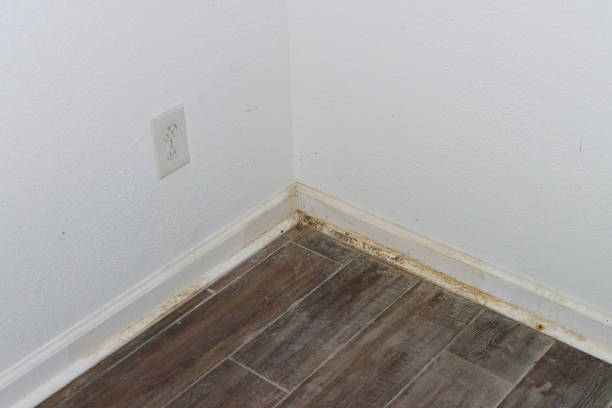
Professional Assessment and Remediation for Rental Property Owners
When tenants report indicators or you discover mold under flooring in rental properties during vacancy—or when you need preventive assessment protecting your rental investment—PuroClean of Santa Rosa Beach provides services designed specifically for landlord legal protection.
Our IICRC-certified technicians understand that mold under flooring in rental properties isn’t just a health question—it’s a legal liability issue requiring documentation, timeline, and thoroughness standards exceeding owner-occupied property remediation.
Why Rental Property Owners Trust PuroClean:
Landlord-Focused Documentation: Every report on mold under flooring in rental properties includes detailed findings supporting your good-faith response to tenant complaints and demonstrating code compliance.
Rapid Emergency Response: 24/7 availability means immediate assessment when tenants report problems—documentation shows you took complaints seriously and acted promptly.
Tenant Communication Support: We provide professional reports you can share with tenants explaining findings, remediation plans, and timelines—demonstrating transparency and appropriate response to mold under flooring in rental properties.
Complete Remediation Protocols: IICRC-standard work protects you from claims that remediation was inadequate or exposed tenants to ongoing risks.
Post-Remediation Verification: Independent air quality testing provides written confirmation of safe reoccupancy—critical evidence if future health claims arise regarding mold under flooring in rental properties.
Insurance Coordination: Detailed documentation supports coverage claims while demonstrating prompt mitigation efforts policies require.
Moisture Source Correction: Comprehensive assessment and permanent source elimination prevent recurrence creating extended liability exposure for mold under flooring in rental properties.
Multiple Property Management: Experience serving property management companies with large rental portfolios means efficient, consistent service across all your properties.
Don’t wait for tenant complaints about mold under flooring in rental properties to become lawsuits. Whether you need emergency response, preventive assessment, or comprehensive remediation protecting your legal interests, professional service designed for landlord liability protection makes the difference between $8,000 remediation and $250,000 lawsuit settlement.
📞 Call PuroClean of Santa Rosa Beach: (850) 399-3380
🌐 Visit: www.puroclean.com/santa-rosa-beach-al
Mold under flooring in rental properties creates catastrophic legal liability when landlord response is delayed, inadequate, or undocumented. But immediate professional assessment and comprehensive remediation following industry standards protects both tenant health and your financial interests—preventing simple maintenance issues from becoming quarter-million-dollar lawsuits.
Call now for landlord-focused service that treats tenant complaints with the legal urgency they require.