 PuroClean of Santa Rosa Beach
Table of Contents
Mold Under Flooring Insurance Claim: The $40,000 Mistake Property Owners Make in the First Week
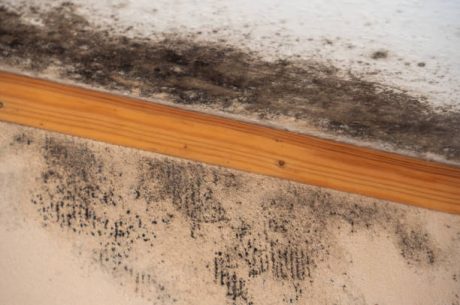
You discovered mold under your flooring three days ago. Dark growth spreading across subflooring beneath your bathroom. The musty smell has become overwhelming. You called your insurance company yesterday to report it—feeling responsible and proactive.
Today, the claims adjuster delivered devastating news: your mold under flooring insurance claim is denied. The reason? “Gradual damage not covered under your policy.” Or “insufficient evidence of covered peril.” Or “failure to properly document the initial water event.”
You’re stunned. You have mold remediation estimates ranging from $15,000-$40,000. Your policy has mold coverage listed. You reported it immediately—or so you thought. How did this happen?
Here’s what most Santa Rosa Beach property owners don’t realize: insurance companies require homeowners to report mold damage within six months of the date of the event that caused the mold, and they often expect documentation of the underlying water event within days—not documentation of the mold itself weeks later.
The critical window for protecting your mold under flooring insurance claim opens the moment water enters your home, not when you eventually discover mold. Miss that window—and most homeowners do—and you’ve potentially forfeited tens of thousands in coverage before you even realize mold exists.
Understanding the 7-day documentation requirements, the 6 critical mistakes that trigger denials, and how professional restoration companies protect your insurance rights could mean the difference between full coverage and complete financial devastation.
Why Mold Under Flooring Insurance Claims Get Denied More Than Others
Mold claims can be tricky, particularly if it was caused by a leak instead of a storm, as many insurers argue that mold was caused by the homeowner’s failure to repair a leak promptly.
Insurance companies treat mold under flooring insurance claims with extreme skepticism for several reasons:
Mold indicates pre-existing moisture problems. When adjusters see mold, they assume water has been present for weeks or months. This assumption shifts burden of proof to you—proving the water event was recent, sudden, and accidental rather than gradual neglect.
Coverage limits are low. Most insurers cap mold-related payouts at $1,000 to $10,000, with coverage rarely covering severe damage and companies aggressively looking for reasons to deny claims exceeding these caps rather than pay additional amounts.
Policy language creates exclusions. Standard homeowners insurance only covers mold in specific situations—mold damage usually covered if it results from “sudden and accidental” events like roof leaks from storms or broken pipes, but if mold is caused by gradual issues like high humidity, lack of ventilation, or neglect, insurance companies may deny claims.
Documentation requirements are strict. Without clear photos, reports from mold inspectors, and repair estimates, insurers may reject mold under flooring insurance claims due to insufficient proof, with weak evidence creating risk of denial that delays rightful compensation.
The Environmental Protection Agency confirms mold grows wherever moisture exists, but insurance companies only cover mold resulting from covered perils—not mold from conditions homeowners should have prevented or addressed.

The Critical 7-Day Documentation Window Nobody Tells You About
Here’s the timeline that determines whether your mold under flooring insurance claim gets approved or denied:
Day 0-1: The Water Event
Water enters your home from a burst pipe, roof leak, appliance failure, or storm damage. This is the “covered peril” that might trigger insurance coverage.
YOUR CRITICAL ACTION: Document everything immediately. Photograph the water source, standing water, affected areas, and anything damaged. Include timestamps. Video the scene narrating what happened. This documentation proves the “sudden and accidental” nature required for coverage.
Most homeowners’ mistake: They mop up water, fix the immediate problem, and move on—creating zero documentation of the water event itself.
Day 2-7: Hidden Moisture Accumulation
Water has been extracted from surfaces, but moisture remains in subflooring, wall cavities, and structural materials. You don’t see anything wrong. The area seems dry.
YOUR CRITICAL ACTION: Have professionals assess moisture levels using detection equipment. Document moisture readings showing water penetration into materials. Report the water event to insurance immediately—not when you discover mold weeks later.
Most homeowners’ mistake: They assume everything is fine because surfaces appear dry. They don’t report anything to insurance because there’s “no damage yet.”
Day 8-14: Mold Begins Colonizing
Mold spores present in all indoor environments begin germinating on moisture-saturated subflooring. Colonization starts invisibly where you cannot see it.
YOUR CRITICAL ACTION: If you didn’t document the initial water event or have professional moisture assessment, this window for proving “sudden and accidental” water damage is closing rapidly.
Most homeowners’ mistake: They remain completely unaware mold is developing beneath their floors.
Week 3-4: Visible Mold Appears
You notice musty odors, see mold growth along baseboards, or discover it when investigating soft spots in flooring.
YOUR MISTAKE (That Ruins Your Claim): You call insurance NOW—weeks after the water event—and report “I found mold.” The adjuster asks when water entered your home. You can’t provide specific dates or documentation. They classify it as “gradual damage” or “long-term moisture” and deny your mold under flooring insurance claim.
The devastating reality: by the time most homeowners discover and report mold under flooring, they’ve already missed the documentation window that would have protected their insurance coverage.
The 6 Critical Mistakes That Trigger Mold Under Flooring Insurance Claim Denials
Mistake #1: Waiting to Report Until You Discover Mold
Report mold damage immediately and document when the problem started—without solid evidence, it’s difficult to prove mold was caused by a covered event.
Most property owners report the mold discovery, not the water event that caused it. Insurance companies require knowing when water entered your home, not when you eventually noticed consequences.
If you can’t prove water intrusion occurred recently from a covered peril, adjusters classify mold as resulting from “gradual neglect” or “poor maintenance”—both explicitly excluded from coverage.
Mistake #2: DIY Cleanup Before Documentation and Professional Assessment
Stop the leak as quickly as possible, but avoid cleaning or removing mold yourself before inspection—it can weaken your mold under flooring insurance claim and expose you to health risks.
Homeowners who immediately clean up water and affected materials destroy critical evidence insurers need. Adjusters cannot verify the extent of damage, the water source, or whether rapid professional mitigation would have prevented mold growth.
Professional restoration companies document everything before touching damaged materials. They provide detailed reports insurers accept as legitimate evidence supporting claims.
Mistake #3: Insufficient Photo and Video Documentation
Lack of documentation creates the biggest problem resulting in denied mold under flooring insurance claims—without clear photos showing the water event, mold location, and damage extent, insurers reject claims due to insufficient proof.
Take clear, timestamped photos and videos to fully document the extent of mold damage, and if you can, seal and save contaminated items that may be tested later to prove mold was present if disputes arise with your carrier.
What to photograph:
- The water source (broken pipe, roof leak, etc.)
- Standing water and affected areas
- All visible damage before cleanup
- Moisture readings from professional equipment
- Mold growth from multiple angles
- Damaged materials before removal
Most homeowners take a few phone pictures showing mold. Insurance companies need comprehensive documentation proving the entire damage timeline from water intrusion through mold discovery.
Mistake #4: Failing to Understand Your Policy’s Mold Coverage
Many insurers require homeowners to report mold damage within six months of the date of the event that caused the mold—in many cases, mold damage may not be found until months after the incident that caused it, putting claims outside this window.
What mold coverage actually includes:
Most policies cover mold only when it results from covered perils like:
- Sudden pipe bursts
- Storm-related roof damage
- Appliance failures
- Firefighting water damage
What mold coverage excludes:
Policies typically don’t cover mold from:
- Gradual leaks homeowners didn’t repair
- Poor ventilation in bathrooms
- Lack of maintenance
- Flooding (requires separate flood insurance)
- Pre-existing conditions
Understanding your policy before filing a mold under flooring insurance claim helps you present information meeting coverage requirements rather than inadvertently admitting excluded scenarios.
Mistake #5: Not Hiring Professional Restoration Immediately
Professional restoration companies do more than remove mold—they document damage in ways that protect your insurance rights.
Restoration professionals:
- Document the full extent of water intrusion
- Provide detailed moisture readings and thermal imaging
- Create professional reports insurers respect
- Establish timelines showing when damage occurred
- Demonstrate proper mitigation efforts preventing additional damage
When homeowners attempt DIY remediation, they lose all this professional documentation. Insurance companies view amateur cleanup skeptically, questioning whether problems were as serious as claimed or whether homeowners worsened situations through improper techniques.
Mistake #6: Missing Critical Reporting Deadlines
Insurance policies have specific timeframes for reporting claims. Some require notice “immediately” or “as soon as practicable” after discovering damage. Others allow specific windows like 30, 60, or 90 days.
Following your insurer’s instructions for filing mold under flooring insurance claims is imperative for making sure claims aren’t denied for improper or late filing.
Homeowners who discover mold weeks after water events then wait additional days or weeks to report it may find themselves outside policy timeframes—providing insurers legitimate grounds for denial even when coverage would otherwise apply.
What Actually Gets Mold Under Flooring Insurance Claims Approved
Understanding denial triggers reveals what actually succeeds. Here’s the approval formula:
1. Immediate Water Event Reporting
Contact your insurance company immediately after any significant water intrusion—before you even know if mold will develop. Documentation proves when the covered peril occurred.
2. Comprehensive Initial Documentation
Photograph and video everything. Include timestamps. Document the water source, extent of flooding, and all affected areas before any cleanup or repairs begin.
3. Professional Restoration Company Involvement
Hire IICRC-certified restoration companies immediately. Their documentation, moisture readings, and professional reports carry weight with insurance adjusters that homeowner photos and statements cannot match.
4. Evidence of Prompt Mitigation
Insurance companies expect homeowners to prevent additional damage. Professional restoration services beginning within 24-48 hours of water events demonstrate responsible mitigation efforts.
5. Clear Cause-and-Effect Timeline
Your mold under flooring insurance claim must show: specific water event → immediate reporting → professional assessment → mitigation efforts → mold discovery despite prompt action. This timeline proves mold resulted from a covered peril, not gradual neglect.
6. Professional Mold Assessment
Independent mold inspectors provide air quality tests, mold identification, and contamination extent reports that substantiate claims with scientific evidence insurers cannot easily dismiss.
The Santa Rosa Beach Mold Insurance Challenge
Santa Rosa Beach’s 70%+ year-round humidity creates unique challenges for mold under flooring insurance claims. Adjusters familiar with coastal Florida properties are especially skeptical of mold claims, knowing high humidity makes mold prevention difficult even with proper maintenance.
This skepticism means documentation requirements for Santa Rosa Beach properties often exceed what insurers demand in drier climates. Adjusters assume any mold in coastal homes resulted from ongoing humidity issues rather than sudden water events.
Overcoming coastal bias:
Santa Rosa Beach property owners must provide overwhelming evidence that mold resulted from specific covered perils, not general coastal humidity. Professional restoration documentation becomes even more critical—showing exact water sources, precise timelines, and aggressive mitigation efforts distinguishing your situation from typical coastal mold problems.
The vacation rental market complicates matters further. Properties sitting vacant for periods face heightened adjuster skepticism about when water events occurred and why they weren’t discovered immediately.
What to Do If Your Mold Under Flooring Insurance Claim Is Denied
Receiving denial letters feels devastating, but it’s not necessarily final. Most insurance companies allow policyholders to appeal claim denials.
Immediate steps after denial:
1. Request written explanation: Ask your insurer for detailed denial reasoning. Understanding specific grounds for rejection guides your appeal strategy.
2. Review your policy carefully: Verify the denial aligns with actual policy language. Adjusters sometimes misinterpret exclusions or overlook coverage provisions.
3. Gather additional evidence: Obtain independent mold inspection reports, expert opinions on water damage timelines, and contractor estimates for remediation. Additional documentation can overcome initial insufficiency issues.
4. File a formal appeal: Most insurers have specific appeal processes. Submit comprehensive documentation addressing denial reasons point by point.
5. Consider public adjusters: Public adjusters work exclusively for policyholders, not insurance companies. They negotiate aggressively on your behalf and understand technical policy language and documentation requirements.
6. Consult insurance attorneys: If insurers deny appeals or you suspect bad faith practices, attorneys specializing in mold insurance claims can escalate matters legally, potentially holding insurers accountable for unfair denials.
The Role of Professional Restoration in Protecting Insurance Rights
When property owners call professional restoration companies immediately after water events, they’re not just addressing damage—they’re protecting their insurance rights.
What professional documentation includes:
Restoration technicians arrive with industrial moisture meters, thermal imaging cameras, and comprehensive assessment protocols. They document:
- Exact moisture readings in affected materials
- Thermal imaging showing water migration paths
- Detailed damage extent before mitigation begins
- Step-by-step mitigation processes followed
- Daily progress reports during drying
- Final moisture readings confirming complete drying
- Mold prevention measures implemented
This documentation creates an unassailable timeline and evidence trail for mold under flooring insurance claims. Adjusters reviewing professional restoration reports see:
- Clear covered peril (specific water event)
- Immediate homeowner response
- Proper mitigation following industry standards
- Evidence water was completely dried
- Proof any subsequent mold resulted from initial event despite proper response
Without professional involvement, homeowners face skeptical adjusters questioning every aspect of their claims.
Frequently Asked Questions
How long do I have to file a mold under flooring insurance claim?
Most policies require reporting water damage immediately or “as soon as practicable.” For mold specifically, many insurers require reporting within six months of the water event that caused mold growth. However, the longer you wait, the harder proving cause-and-effect becomes. Report water events within 24-72 hours regardless of whether mold is visible.
Can I file a mold under flooring insurance claim if I already cleaned up the water?
Yes, but it’s significantly harder. Insurers want to see damage before cleanup, verify water sources, and assess whether mitigation was adequate. If you’ve already cleaned up, gather any photos taken during cleanup, obtain professional moisture assessments of materials you couldn’t dry, and hire restoration companies to document remaining issues.
What if mold developed despite calling professionals immediately?
This is the ideal scenario for claim approval. Your documentation shows: covered water event → immediate professional response → proper mitigation → mold developed anyway. This timeline proves mold resulted from the covered peril despite responsible actions, making denials much harder to justify.
Do I need a separate flood insurance policy for mold under flooring?
If flooding caused your mold problem, standard homeowners insurance won’t cover it. Even with flood insurance, mold coverage may be limited and require inability to access your home. Review both policies carefully and consider mold coverage endorsements if you’re in flood-prone areas.
What’s the typical payout cap for mold under flooring insurance claims?
Most insurers cap mold coverage at $1,000-$10,000 regardless of actual damage costs. Some policies offer higher limits as add-ons. If your remediation exceeds policy caps, you’ll pay the difference out-of-pocket—making proper documentation critical for maximizing whatever coverage you have.
Should I wait for the insurance adjuster before starting remediation?
No. Policies require homeowners to prevent additional damage. Waiting days for adjuster visits while mold spreads can actually jeopardize claims. Hire professional restoration immediately, have them document everything before beginning work, and coordinate with insurance on their schedule. Professional companies know how to protect insurance rights while preventing damage progression.
Protecting Your Future Mold Under Flooring Insurance Claims
Learning from claim denial experiences helps prevent future problems:
Implement preventive measures:
- Fix leaks immediately
- Maintain proper ventilation in bathrooms, kitchens, and basements
- Use whole-home dehumidification in coastal climates
- Schedule regular home inspections catching water damage early
- Replace old caulking and seals preventing leaks
Documenting preventive efforts can be invaluable should you need to file future mold under flooring insurance claims, showing you maintained your property properly and any mold resulted from sudden events, not neglect.
Create a water event response plan:
Develop and document protocols for responding to water intrusion:
- Shut off water sources immediately
- Photograph and video everything before touching anything
- Contact insurance company within 24 hours
- Call professional restoration company immediately
- Document all actions taken and expenses incurred
- Keep all receipts and reports
Having this plan ensures you won’t make documentation mistakes under emergency stress.
Professional Mold Remediation and Insurance Coordination
When water damage or mold threatens your Santa Rosa Beach property, PuroClean of Santa Rosa Beach provides comprehensive restoration services designed specifically to protect your insurance rights while addressing contamination.
Our IICRC-certified technicians understand that successful mold under flooring insurance claims require documentation quality and mitigation speed that exceeds what typical restoration provides. We’ve worked with hundreds of insurance claims, and we know exactly what adjusters need to approve coverage.
Why Property Owners Trust PuroClean for Insurance Claims:
Complete Documentation From Day One: Our technicians arrive with professional equipment documenting damage extent, moisture readings, and contamination levels before any remediation begins. This creates the evidence trail protecting your claim.
Insurance Adjuster Coordination: We work directly with insurance companies, providing detailed reports, moisture logs, and professional assessments adjusters respect and cannot easily dispute.
Proper Mitigation Timeline: 24/7 emergency response means we begin work within hours of your call, demonstrating the prompt mitigation efforts insurance companies expect and policies require.
Comprehensive Assessment: Thermal imaging, moisture mapping, and air quality testing identify all damage—including hidden contamination invisible to visual inspection—ensuring claims reflect full extent of problems.
Expert Testimony: When claims face denial or dispute, our professional assessments and documentation provide expert evidence supporting appeals and negotiations.
Policy Knowledge: Years working with Santa Rosa Beach property insurance means we understand coverage nuances, documentation requirements, and how to present information meeting policy standards.
Mold Prevention Protocols: Our restoration includes antimicrobial treatments and moisture control measures preventing future mold growth—showing insurers we address root causes, not just symptoms.
Don’t navigate mold under flooring insurance claims alone. Professional restoration companies don’t just remediate damage—we protect your financial interests by ensuring proper documentation supports claim approval.
📞 Call PuroClean of Santa Rosa Beach: (850) 399-3380
🌐 Visit: www.puroclean.com/santa-rosa-beach-al
When water threatens your property, immediate professional response protects both your home and your insurance coverage. Call now for emergency restoration that documents everything correctly from the start—preventing the documentation mistakes that lead to denied mold under flooring insurance claims.
Available 24/7/365 | Contact Us Online | Google Business Profile | IICRC Certified | Insurance Preferred | Complete Water Damage Remediation Solutions


 PuroClean of Santa Rosa Beach