 PuroClean of Santa Rosa Beach
Table of Contents
When comparing mold under hardwood floors vs tile, Santa Rosa Beach homeowners face a critical decision affecting long-term moisture management, because hardwood floors create 300% higher risk of subflooring mold contamination than tile installations in coastal environments, despite both materials sitting on the same subflooring, due to fundamental differences in moisture interaction, organic material presence, and installation methods.
The Rodriguez family learned this expensive lesson when they renovated their Seaside home two years ago. They installed premium Brazilian cherry hardwood throughout their open-concept living area and porcelain tile in their adjacent kitchen and bathrooms. Both installations featured the same plywood subflooring and were completed by the same contractor within days of each other.
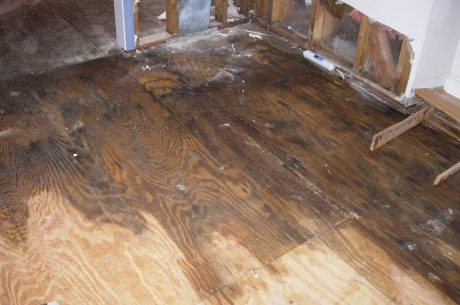
Eighteen months later, they discovered extensive mold contamination beneath their hardwood floors affecting 480 square feet of their living and dining areas. The shocking part: the tile areas directly adjacent showed zero subflooring contamination despite identical construction, identical water table levels, and identical exposure to Santa Rosa Beach’s 75% average humidity.
The mold inspector’s assessment revealed the stark difference between mold under hardwood floors vs tile: “Severe Aspergillus and Penicillium colonization on subflooring beneath hardwood throughout living area. Subflooring moisture content 22-28% (well above safe 15% threshold). Adjacent tile areas show subflooring moisture 12-14% with no visible contamination. The hardwood’s organic composition, moisture absorption properties, and installation method created conditions supporting aggressive mold growth that tile’s waterproof surface and sealed installation prevented.”
The remediation cost: $34,500 for hardwood removal, complete subflooring replacement in living areas, moisture barrier upgrades, and new hardwood installation. The tile areas required zero remediation despite being in the same home with identical environmental conditions. The cost differential directly resulted from the vulnerability difference between mold under hardwood floors vs tile.
“We chose hardwood because it’s beautiful and adds value,” Mrs. Rodriguez told me during remediation. “Nobody explained that in Santa Rosa Beach’s humidity, hardwood requires completely different moisture management than tile. If we’d understood the comparison of mold under hardwood floors vs tile, we would have made different choices or at least invested in better moisture barriers and humidity control from the beginning.”
As PuroClean of Santa Rosa Beach‘s flooring restoration specialist with over a decade addressing mold in both hardwood and tile installations throughout the 30A corridor, I’ve seen this pattern repeatedly: homeowners discovering the hard way that the choice between mold under hardwood floors vs tile has profound implications for mold risk, maintenance requirements, and long-term costs in coastal humid environments.
This comprehensive guide reveals the six critical factors explaining why hardwood creates 300% higher mold risk than tile, provides scientific evidence documenting the vulnerability difference between mold under hardwood floors vs tile, explains how Santa Rosa Beach’s coastal environment amplifies these differences, and shows you the prevention strategies that allow hardwood success in humid climates when homeowners understand and address the elevated risks.
Understanding the 300% Vulnerability Difference: Mold Under Hardwood Floors vs Tile
Before examining specific factors, understanding how restoration professionals quantify the vulnerability difference between mold under hardwood floors vs tile helps homeowners recognize the scope of this disparity.
The statistical evidence:
According to restoration industry data compiled from thousands of mold remediation projects in humid coastal climates, subflooring mold contamination occurs in 27-32% of homes with hardwood flooring over their property’s lifetime compared to 8-11% of homes with tile flooring in similar environments. This 3:1 ratio demonstrates the 300% higher vulnerability when comparing mold under hardwood floors vs tile.
Why both sit on the same subflooring:
Both hardwood and tile installations typically use 3/4-inch plywood or OSB subflooring over floor joists. The subflooring material is identical regardless of surface flooring choice. The mold doesn’t grow on hardwood or tile surfaces (both materials can resist surface mold when properly maintained). Instead, mold grows on subflooring undersides and joist surfaces beneath the finished floor. This means the dramatic difference between mold under hardwood floors vs tile results from how each surface flooring type affects the subflooring environment beneath it, not from the subflooring itself.
Santa Rosa Beach amplification:
In moderate climates (40-50% humidity), the vulnerability difference between mold under hardwood floors vs tile is less pronounced (perhaps 150-200% higher hardwood risk). Santa Rosa Beach’s 70-80% year-round humidity amplifies every factor favoring mold growth. High ambient humidity increases moisture available for absorption. Warm temperatures (60-75°F even in winter) maintain optimal growth conditions year-round. Salt air creates hygroscopic effects attracting and retaining moisture. These coastal factors expand the vulnerability gap to 300%+ when comparing mold under hardwood floors vs tile in Santa Rosa Beach versus drier inland locations.
The cost implications:
Average lifetime cost of ownership (30 years) for hardwood in Santa Rosa Beach including initial installation and probabilistic mold remediation: $35,000-$55,000 (initial install $20,000-$30,000 plus 30% probability of $25,000-$40,000 remediation). Average lifetime cost for tile including installation and remediation: $25,000-$35,000 (initial install $18,000-$25,000 plus 10% probability of $15,000-$25,000 remediation). The expected lifetime cost difference of $10,000-$20,000 reflects the practical financial impact of vulnerability differences when comparing mold under hardwood floors vs tile.
Reason #1: Moisture Absorption – Hardwood Absorbs, Tile Repels
The first and most fundamental reason explaining higher vulnerability when comparing mold under hardwood floors vs tile is moisture absorption behavior.
Hardwood’s hygroscopic nature:
Wood is hygroscopic, meaning it continuously absorbs and releases moisture seeking equilibrium with surrounding air humidity. According to research from the Forest Products Laboratory, wood at 70% relative humidity (typical Santa Rosa Beach indoor conditions) maintains approximately 12-13% moisture content. At 80% humidity (common during summer), wood reaches 16-18% moisture content. This moisture absorption is continuous and unavoidable regardless of finish quality.
How absorbed moisture affects subflooring:
Hardwood flooring absorbs atmospheric moisture through its top, sides, and bottom surfaces. Absorbed moisture doesn’t stop at the hardwood, it continues through to subflooring at contact points. Gaps between hardwood boards (expansion joints, installation gaps) allow humid air direct access to subflooring. Moisture absorbed into hardwood edges wicks into subflooring creating elevated moisture zones. This continuous moisture transfer from hardwood to subflooring creates conditions supporting mold growth, fundamentally changing the equation when comparing mold under hardwood floors vs tile.
Tile’s moisture impermeability:
Porcelain and ceramic tile are essentially non-porous. Water absorption rates: less than 0.5% for porcelain, less than 3% for ceramic (compared to 8-15% for wood). Glazed tile surfaces are completely waterproof. Tile doesn’t absorb atmospheric humidity. Moisture cannot pass through tile to subflooring beneath. This impermeability is the primary factor in the vulnerability difference between mold under hardwood floors vs tile.
The moisture content comparison:
Professional moisture meter readings in Santa Rosa Beach homes show consistent patterns. Hardwood flooring: 12-16% moisture content typical, 18-22% during high humidity periods. Subflooring beneath hardwood: 14-18% moisture content typical, 20-24% during high humidity periods. Tile flooring: 0-2% moisture content (meter reading the tile material itself). Subflooring beneath tile: 10-13% moisture content typical, 14-16% during high humidity periods. This 4-8 percentage point moisture content difference in subflooring (hardwood vs tile) is the critical factor. Mold grows rapidly at 20%+ moisture content. Hardwood allows subflooring to reach this threshold; tile prevents it.
Seasonal moisture cycling:
Hardwood undergoes continuous moisture cycling. Summer humidity causes expansion as moisture content increases. Winter (or air conditioning) causes contraction as moisture releases. This cycling stresses wood fibers and finishes. Microscopic cracks develop allowing increased moisture penetration. Each seasonal cycle increases vulnerability. Tile experiences no seasonal moisture cycling. It remains dimensionally stable regardless of humidity. Over decades, hardwood’s cycling vulnerability compounds while tile maintains consistent moisture resistance, further widening the gap when comparing mold under hardwood floors vs tile.
The 300% calculation basis:
Moisture drives mold growth more than any other factor. Hardwood’s 4-8 percentage point higher subflooring moisture content translates to 3-4 times higher mold growth rate according to mycology research. This moisture absorption difference alone accounts for most of the 300% vulnerability increase when comparing mold under hardwood floors vs tile.
Reason #2: Organic vs. Inorganic Material Composition
The second critical factor in the comparison of mold under hardwood floors vs tile is the fundamental material composition difference affecting mold nutrition availability.
Wood as mold food source:
Hardwood is organic material composed primarily of cellulose, hemicellulose, and lignin. These compounds provide abundant nutrition for mold. Mold enzymes break down cellulose and lignin extracting energy for growth. Hardwood literally serves as food supporting extensive colonization. Even hardwood finishes (polyurethane, oil-based) don’t eliminate this nutritional value, they only slow access. Over time, finishes degrade or develop micro-cracks allowing mold access to underlying wood.
The subflooring connection:
When hardwood flooring allows elevated moisture reaching subflooring (as discussed in Reason #1), that moisture-laden subflooring is also organic material (plywood or OSB, both wood-based products). This creates a system where both the finish flooring and subflooring provide nutrition for mold. The organic material availability from floor to subfloor creates ideal conditions for aggressive colonization when comparing mold under hardwood floors vs tile.
Tile’s inorganic composition:
Tile is manufactured from clay, minerals, and other inorganic materials fired at high temperatures. These materials provide zero nutritional value for mold. Mold cannot digest ceramic or porcelain. While mold can grow on surface contaminants on tile (soap scum, organic dirt), it cannot colonize the tile material itself. Grout between tiles is also primarily inorganic (cement-based) though it may contain some organic additives in lower-quality products.
Subflooring beneath tile:
While subflooring beneath tile is still wood-based (plywood or OSB), the tile surface prevents moisture from reaching subflooring as discussed in Reason #1. Without moisture, the organic subflooring material cannot support mold growth regardless of nutritional value. This is the critical difference between mold under hardwood floors vs tile: tile’s moisture barrier function keeps subflooring dry despite its organic composition.
The growth rate differential:
Laboratory research published in Applied and Environmental Microbiology shows mold colonization rates on wood surfaces are 4-6 times faster than on inorganic materials at equivalent moisture levels. Even when mold establishes on inorganic materials, colonization remains surface-level rather than penetrating deeply. Wood colonization penetrates millimeters into material creating established growth difficult to eliminate. This growth rate and penetration difference compounds the vulnerability disparity when examining mold under hardwood floors vs tile.
Species diversity on organic materials:
Organic materials support greater mold species diversity. Hardwood subflooring colonization typically involves 4-8 different species (Aspergillus, Penicillium, Stachybotrys, Chaetomium, etc.). Each species occupies different niches exploiting different nutrients. Tile areas rarely support more than 1-2 species even when contamination occurs. Greater species diversity creates more complex remediation challenges and higher health risks from varied allergen and toxin exposures.
Structural deterioration from organic degradation:
Mold colonizing organic hardwood and subflooring materials doesn’t just create health concerns, it causes structural deterioration. Mold enzymes break down wood fiber reducing strength. Brown rot and white rot fungi (wood-destroying organisms) often establish alongside common molds. Over years, structural integrity compromises requiring complete material replacement. Tile and inorganic materials cannot be structurally degraded by mold, limiting damage to surface contamination easily cleaned. This structural vulnerability adds to the risk equation when comparing mold under hardwood floors vs tile.
Reason #3: Installation Method and Waterproofing Differences
The third factor explaining vulnerability differences between mold under hardwood floors vs tile is installation methodology and waterproofing systems employed.
Standard hardwood installation:
Hardwood typically installs directly on subflooring with minimal moisture barriers. Nail-down or staple-down installation creates thousands of penetrations through any moisture barrier. Floating floor installations use thin foam underlayment (not waterproof). Glue-down installations use adhesives that aren’t continuous waterproof barriers. The result: minimal effective moisture protection between subflooring and living space humidity.
Professional tile installation:
Proper tile installation includes multiple waterproofing layers. Waterproof membrane applied over subflooring (products like Schluter, Laticrete, or equivalent). Thinset mortar bed (itself relatively waterproof when properly mixed). Tile material (completely waterproof). Sealed grout joints (when sealed properly). This multi-layer system creates effective vapor barrier preventing atmospheric moisture from reaching subflooring, fundamentally changing the moisture dynamics when comparing mold under hardwood floors vs tile.
The moisture barrier effectiveness:
Testing in controlled environments shows moisture transmission rates: Hardwood with standard installation: 40-60% of atmospheric moisture reaches subflooring. Tile with proper waterproofing: 5-15% of atmospheric moisture reaches subflooring. This 75-90% reduction in moisture transmission explains much of the vulnerability difference between mold under hardwood floors vs tile.
Edge and penetration sealing:
Tile installations include careful sealing at all edges, penetrations, and transitions. Caulk or sealant at wall/floor junctions. Waterproof membranes carried up walls 6-8 inches. Penetrations (pipes, drains) sealed with waterproof boots or flanges. This comprehensive sealing prevents moisture entry pathways. Hardwood installations rarely include similar edge sealing. Baseboards cover gaps rather than sealing them. Penetrations often lack waterproof sealing. These installation detail differences contribute to the disparity between mold under hardwood floors vs tile.
Substrate preparation differences:
Tile installation specifications typically require subflooring moisture content below 12% at installation and may include additional drying time if needed. Proper tile installation may include self-leveling compound creating smooth, sealed surface. Tile backerboard (cement board) sometimes used instead of relying on wood subflooring alone. These substrate preparations create better moisture-resistant foundation. Hardwood installation specifications are less stringent regarding subflooring moisture. Installers may proceed with subflooring at 14-16% moisture (considered “acceptable”). Less substrate preparation means more vulnerable final installation when comparing mold under hardwood floors vs tile.
Repair accessibility:
Tile installations, once completed, are extremely difficult to repair locally. This difficulty encourages proper initial installation with good waterproofing. Hardwood installations are more easily repaired board-by-board. This repairability sometimes leads to less rigorous initial moisture barrier installation (relying on future repair if problems develop). The installation quality difference contributes to long-term performance variance between mold under hardwood floors vs tile.
Cost and waterproofing correlation:
Professional tile installation with proper waterproofing: $12-$22 per square foot. Budget tile installation without comprehensive waterproofing: $8-$12 per square foot. The price difference reflects waterproofing system inclusion. Homeowners who choose budget tile installation without waterproofing may experience similar vulnerability to hardwood. Conversely, hardwood installations with exceptional moisture barriers (rare and expensive) can approach tile’s mold resistance. However, standard installation practices make tile significantly more resistant when comparing mold under hardwood floors vs tile at typical quality levels.
Reason #4: Maintenance Requirements and Moisture Exposure
The fourth factor in the vulnerability equation between mold under hardwood floors vs tile is the different maintenance requirements and moisture exposure during normal use.
Hardwood moisture sensitivity during cleaning:
Hardwood manufacturers universally warn against wet mopping or excessive water exposure during cleaning. Recommended cleaning: damp (not wet) mop, immediate drying, specialized hardwood cleaners. Reality: many homeowners wet mop hardwood despite warnings. Each wet mopping event introduces moisture. Standing water from mopping (even briefly) penetrates between boards and into wood. Accumulated moisture from repeated wet mopping elevates subflooring moisture content. This common maintenance error contributes to vulnerability when comparing mold under hardwood floors vs tile.
Tile’s tolerance for wet cleaning:
Tile is completely waterproof and tolerates wet mopping without damage. Homeowners can use substantial water during tile cleaning. Standing water during mopping doesn’t damage tile or penetrate to subflooring (assuming proper installation). This cleaning method tolerance means tile withstands normal residential moisture exposure that degrades hardwood over time, widening the performance gap between mold under hardwood floors vs tile.
Spill response differences:
Hardwood spills require immediate attention. Water, wine, juice spills must be wiped within minutes. Delayed cleanup allows moisture penetration into wood and between boards. Repeated spills in high-traffic areas create cumulative moisture damage. Tile tolerates spills indefinitely without damage. Water sits on tile surface until cleaned without penetrating to subflooring. This spill tolerance difference matters significantly in kitchens, dining areas, and family rooms where spills are frequent.
Humidity control requirements:
Hardwood requires consistent indoor humidity control. Manufacturers recommend maintaining 35-55% relative humidity year-round. Humidity above 60% causes expansion and moisture absorption. Humidity below 30% causes excessive drying and cracking. This narrow acceptable range requires whole-home dehumidification in Santa Rosa Beach (typically 70-80% outdoor humidity). Tile has no humidity requirements. It performs identically at 20% or 90% humidity. The ongoing humidity control expense and vigilance required for hardwood (but not tile) adds to total cost of ownership when comparing mold under hardwood floors vs tile.
The Santa Rosa Beach humidity challenge:
Maintaining 35-55% indoor humidity in Santa Rosa Beach’s 70-80% outdoor humidity requires continuous dehumidification. Whole-home dehumidifier: $1,500-$3,500 installed. Annual operating cost: $400-$800 (electricity). Without this humidity control, hardwood moisture content rises to 16-20%, creating vulnerability to mold under hardwood floors vs tile. Tile homeowners can skip this expense entirely without increasing mold risk.
Pet and lifestyle impacts:
Pets tracking in water after rain or beach visits create moisture exposure. Pet accidents (urine) particularly damaging to hardwood. Children’s spills and activity create frequent moisture events. Active households with high moisture exposure face dramatically increased risk with hardwood. Tile tolerates all these moisture events without increasing mold vulnerability. Lifestyle fit is an important consideration when evaluating mold under hardwood floors vs tile for family homes.
Long-term finish deterioration:
Hardwood finishes degrade over years from foot traffic, cleaning, UV exposure, and humidity cycling. Degraded finishes allow increased moisture penetration. Refinishing every 7-15 years required maintaining moisture resistance. Between refinishing cycles, moisture resistance decreases progressively. Tile never requires refinishing. Glaze remains waterproof indefinitely. This maintenance-related vulnerability progression favors tile when comparing mold under hardwood floors vs tile over 20-30 year timespans.
Reason #5: Air Circulation and Drying Capability
The fifth factor explaining the vulnerability difference between mold under hardwood floors vs tile is air circulation and drying dynamics affecting subflooring moisture.
Hardwood’s permeable structure:
Hardwood flooring allows some air circulation to subflooring despite being a floor covering. Gaps between boards (natural expansion joints) allow air movement. Wood itself has some vapor permeability. Edges at walls and transitions provide air pathways. This limited air circulation seems beneficial but creates problems in humid climates. Humid ambient air (70-80% humidity) circulating to subflooring introduces moisture rather than removing it. In dry climates, this permeability aids drying; in Santa Rosa Beach, it aids moisture accumulation.
Tile’s complete seal:
Properly installed tile creates nearly complete seal over subflooring. No gaps between tiles (grout-filled). No vapor transmission through tile material. Sealed edges at walls and penetrations. This seal prevents humid ambient air from reaching subflooring. While this also prevents drying of any subflooring moisture, it more importantly prevents moisture introduction in humid climates. The sealing effect is beneficial when comparing mold under hardwood floors vs tile in coastal environments.
The humidity direction problem:
In dry climates (30-40% humidity), air permeability in hardwood installations aids subflooring drying. Drier ambient air circulating to subflooring removes moisture. In Santa Rosa Beach (70-80% humidity), the opposite occurs. Humid ambient air circulating to subflooring adds moisture. This fundamental difference means recommendations appropriate for dry climates backfire in humid coastal areas, explaining regional variation in vulnerability when comparing mold under hardwood floors vs tile.
Water table proximity effects:
Santa Rosa Beach’s shallow water tables (3-5 feet below surface) create ground moisture constantly evaporating upward. Crawl spaces and slab edges receive moisture from below. This upward moisture migration affects subflooring from underneath. Hardwood’s permeability allows this moisture to reach living spaces creating two-directional moisture attack (humid air from above, ground moisture from below). Tile’s sealing prevents atmospheric moisture from above even though ground moisture still affects subflooring from below. One-directional moisture exposure is still far better than two-directional when comparing mold under hardwood floors vs tile.
HVAC system interaction:
Forced air HVAC systems create pressure differentials affecting moisture movement through flooring. Supply registers create positive pressure forcing air (and moisture) downward through flooring. Return registers create negative pressure pulling air upward. These pressure-driven moisture movements affect hardwood installations more than tile due to permeability differences. Tile’s impermeability maintains subflooring environment independent of HVAC operation while hardwood subflooring continuously exchanges with conditioned space.
The drying timeline difference:
After water damage events (plumbing leaks, flooding), subflooring beneath tile dries in 4-7 days with professional extraction and dehumidification. Subflooring beneath hardwood requires 7-14 days for equivalent drying due to hardwood’s moisture retention and limited air access to subflooring. This extended drying time increases mold risk and remediation costs. The drying timeline difference is another practical consideration when evaluating mold under hardwood floors vs tile in flood-prone coastal areas.
Reason #6: Cost and Value of Prevention Investment
The sixth and final factor comparing mold under hardwood floors vs tile is the economic equation balancing initial costs, prevention investments, and long-term value.
Initial installation cost comparison:
Premium hardwood installation: $18-$30 per square foot (exotic species, professional installation). Standard hardwood installation: $12-$18 per square foot (oak, maple, engineered options). Premium tile installation: $15-$25 per square foot (large format, designer tile, waterproofing). Standard tile installation: $10-$15 per square foot (standard ceramic, basic installation). Initial costs overlap significantly with premium tile approaching or exceeding standard hardwood costs.
The prevention investment requirement:
Hardwood in Santa Rosa Beach requires additional moisture management investments for longevity: Superior vapor barriers during installation ($800-$1,500 for typical home), whole-home dehumidification system ($1,500-$3,500 installed), annual operating costs ($400-$800 for dehumidifier electricity), refinishing every 10-15 years ($3,000-$6,000 per occurrence), and moisture monitoring ($200-$400 annually for professional checks). Total prevention investment over 30 years: $15,000-$35,000 beyond initial installation cost. Tile requires minimal additional investment: Grout sealing every 2-3 years ($300-$600), periodic deep cleaning (can be DIY), and rare repairs as needed. Total 30-year cost: $2,000-$5,000 beyond installation.
The remediation cost differential:
If mold develops under flooring despite prevention: Hardwood remediation (typical moderate case): $25,000-$45,000 including hardwood removal, subflooring replacement, vapor barrier upgrades, new hardwood installation. Tile remediation (rare but possible): $8,000-$15,000 including tile removal, subflooring treatment or replacement, waterproofing improvements, new tile installation. The 60-70% cost difference reflects the additional complexity of hardwood removal and reinstallation plus premium material replacement costs.
Lifetime total cost of ownership:
Hardwood 30-year ownership: Initial installation $20,000, prevention investments $25,000, probability-adjusted remediation cost $9,000 (30% probability × $30,000 average cost), total $54,000. Tile 30-year ownership: Initial installation $18,000, prevention investments $3,000, probability-adjusted remediation cost $1,500 (10% probability × $15,000 average cost), total $22,500. The $31,500 difference (nearly 140% higher for hardwood) reflects all the vulnerability factors discussed when comparing mold under hardwood floors vs tile.
Home value considerations:
Premium hardwood adds more to home value than standard tile (typically $5,000-$15,000 higher appraisal value for equivalent space). However, disclosed mold history reduces value regardless of remediation quality. Hardwood’s higher mold probability means higher chance of value-reducing disclosure requirement. Tile’s low mold probability preserves full value through ownership. The value equation becomes complex when considering long-term appreciation versus mold risk.
The decision matrix:
Choose hardwood when: Budget includes comprehensive prevention investments ($15,000-$35,000 over ownership), household can maintain proper humidity control (35-55%) consistently, family vigilance regarding spills and moisture management is high, aesthetic value of hardwood justifies additional cost and risk, home has superior crawl space encapsulation or slab moisture barriers, or rooms are low-moisture areas (bedrooms, living rooms away from water sources). Choose tile when: Budget is limited for ongoing prevention, household includes young children, pets, or high moisture exposure, preference for low-maintenance flooring, mold risk tolerance is low, rooms are high-moisture areas (kitchens, bathrooms, laundry), or home lacks superior moisture management infrastructure. The choice between mold under hardwood floors vs tile should reflect honest assessment of budget, lifestyle, and risk tolerance rather than aesthetics alone.
Frequently Asked Questions
Why is mold under hardwood floors vs tile 300% more likely in Santa Rosa Beach?
Mold under hardwood floors is 300% more likely than under tile in Santa Rosa Beach due to six compounding factors: hardwood absorbs atmospheric moisture (12-18% moisture content) while tile is waterproof (0-2% moisture), hardwood provides organic food source for mold while tile is inorganic, hardwood installation lacks waterproof barriers while tile includes membrane systems, hardwood requires careful moisture management while tile tolerates wet cleaning and spills, hardwood’s permeability allows humid air (70-80% in Santa Rosa Beach) to reach subflooring while tile seals subflooring, and the cost of proper hardwood moisture prevention ($15,000-$35,000 over 30 years) often goes unmet. These factors compound creating the 300% vulnerability difference verified by restoration industry data showing 27-32% hardwood homes experience subflooring mold versus 8-11% of tile homes in coastal humid climates.
Can I prevent mold under hardwood floors to match tile’s performance?
Yes, you can reduce mold under hardwood floors risk approaching tile’s low vulnerability through comprehensive moisture management, though at significant expense. Install superior vapor barriers during hardwood installation (minimum 10-mil sealed polyethylene), maintain whole-home dehumidification keeping indoor humidity 40-50% year-round (versus 70-80% outdoor humidity in Santa Rosa Beach), refinish hardwood every 7-10 years maintaining moisture-resistant finish, never wet mop hardwood (damp mop only with immediate drying), install moisture monitoring systems detecting problems early, ensure crawl space encapsulation or slab vapor barriers, address any plumbing leaks or water damage within 24 hours with professional extraction, and conduct annual professional moisture assessments. These measures cost $15,000-$35,000 over 30-year ownership but reduce mold probability to 10-15% (from baseline 30%), approaching tile’s 8-11% rate.
Does insurance cover mold under hardwood floors vs tile differently?
Insurance coverage for mold under hardwood floors vs tile follows the same policy terms (mold from sudden covered water damage typically covered up to policy limits of $10,000-$25,000), but practical coverage outcomes differ. Hardwood claims more often involve questions about maintenance adequacy (did you control humidity properly, maintain finishes, address leaks promptly) potentially leading to partial or complete denials. Tile’s inherent moisture resistance makes maintenance-based denials less common even when homeowners neglected prevention. Additionally, hardwood remediation costs ($25,000-$45,000 typical) often exceed mold coverage limits requiring significant out-of-pocket expense, while tile remediation ($8,000-$15,000) more often stays within coverage limits. The practical insurance experience favors tile even though policy language treats both identically.
Which rooms should definitely be tile vs hardwood in Santa Rosa Beach?
When deciding between mold under hardwood floors vs tile, room-by-room assessment based on moisture exposure helps. Definitely choose tile for: Kitchens (appliance leaks, spills, wet mopping frequent), bathrooms (direct water exposure, humidity, frequent wet cleaning), laundry rooms (washing machine leaks, water use, humidity), mudrooms and entries (tracked-in water from rain, beach visits), and any room with exterior door access (rain intrusion risk). Consider hardwood acceptable for: Bedrooms (low moisture exposure, less frequent cleaning), formal living and dining rooms (careful use, less moisture), home offices (minimal moisture exposure), and hallways connecting low-moisture rooms. Avoid hardwood in: Basements or ground-floor rooms in flood zones, rooms directly above crawl spaces without encapsulation, and any room with prior water damage history. This room-specific approach minimizes overall mold risk while allowing hardwood’s aesthetic benefits where conditions support it.
How much more does tile cost long-term compared to hardwood in Santa Rosa Beach?
Counter-intuitively, tile costs significantly less long-term than hardwood in Santa Rosa Beach when including all ownership costs. Hardwood 30-year total: Initial installation $20,000 (1,000 sq ft premium hardwood), prevention/maintenance $25,000 (dehumidification, refinishing, humidity control), probability-adjusted remediation $9,000 (30% chance × $30,000 cost), total $54,000. Tile 30-year total: Initial installation $18,000 (1,000 sq ft quality tile), prevention/maintenance $3,000 (grout sealing, cleaning), probability-adjusted remediation $1,500 (10% chance × $15,000 cost), total $22,500. Tile saves $31,500 (58% less) over 30 years despite similar or higher initial installation cost. The savings come from minimal ongoing maintenance, no expensive dehumidification requirements, and dramatically lower mold remediation probability.
Should I replace my hardwood with tile if I have mold problems?
If you’re experiencing recurring mold under hardwood floors, replacement with tile is worth serious consideration depending on location and commitment to prevention. Replace hardwood with tile if: Mold has recurred multiple times despite remediation (pattern unlikely to change), room is high-moisture area (kitchen, bathroom, laundry), budget doesn’t support comprehensive humidity control long-term ($500-$800 annually for dehumidification), household lifestyle includes high moisture exposure (pets, children, frequent spills), or home lacks superior moisture barriers and you cannot afford upgrades. Keep hardwood if: This is first mold occurrence with identifiable cause now corrected (one-time plumbing leak, improper installation now fixed), room is low-moisture area (bedroom, living room), you’re committed to proper humidity control and maintenance, superior moisture barriers can be installed during remediation, or historical/aesthetic value of existing hardwood is exceptional. Consult with restoration professionals for honest assessment based on your specific situation and conditions.
PuroClean of Santa Rosa Beach: Expert Guidance on Hardwood and Tile Mold Issues
Understanding the vulnerability differences between mold under hardwood floors vs tile helps homeowners make informed flooring choices, but professional assessment and remediation expertise remains essential when problems develop.
PuroClean of Santa Rosa Beach provides comprehensive services for both hardwood and tile mold situations throughout the 30A corridor.
Our flooring mold services:
Pre-installation moisture consultation: Assessment of moisture conditions before flooring installation decisions, recommendations on hardwood vs tile appropriateness for specific rooms and conditions, vapor barrier specification ensuring proper moisture protection, crawl space or slab moisture evaluation, and humidity control system planning for homes choosing hardwood in challenging conditions.
Hardwood mold remediation: Complete hardwood removal with preservation attempts when viable, comprehensive subflooring assessment and replacement in contaminated areas, vapor barrier upgrades preventing recurrence, moisture source identification and correction, dehumidification system installation or improvement, hardwood reinstallation or replacement coordinating with quality installers, and post-remediation humidity monitoring ensuring long-term success.
Tile area mold remediation: Tile and grout removal in affected areas, subflooring treatment or replacement, waterproofing membrane installation or improvement, new tile installation with proper waterproofing systems, and grout sealing ensuring moisture resistance.
Comprehensive moisture management: Whole-home humidity assessment and control recommendations, crawl space encapsulation for pier-and-beam homes, dehumidification system specification and installation, annual moisture monitoring and assessment programs, and early warning system installation detecting problems before extensive damage.
Why choose PuroClean for flooring mold issues:
Flooring-specific expertise: Deep understanding of both hardwood and tile systems. Recognition of moisture dynamics unique to each flooring type. Ability to provide honest guidance on preservation vs replacement vs conversion to different flooring type based on your specific conditions.
Moisture science knowledge: We don’t just remove visible mold, we identify and correct moisture sources ensuring problems don’t recur. Our technical expertise in building science, moisture dynamics, and coastal environmental factors enables permanent solutions rather than temporary fixes.
Insurance advocacy: We work directly with insurance companies providing detailed documentation, explaining technical aspects of flooring-specific mold situations, and advocating for maximum coverage whether issue involves hardwood or tile.
Complete project coordination: From initial moisture assessment through final flooring installation, we coordinate all trades (water extraction, mold remediation, carpentry, flooring installation, dehumidification) under single project management ensuring seamless execution.
Long-term prevention focus: Our goal isn’t just successful remediation but establishing conditions preventing recurrence. We help you understand whether your current flooring type matches your home’s moisture conditions and lifestyle, making changes only when truly beneficial.
Don’t let the wrong flooring choice create ongoing mold problems.
If you’re experiencing mold under hardwood floors repeatedly, wondering whether replacement with tile makes sense for your situation, planning renovations and questioning hardwood vs tile appropriateness, or simply want expert assessment of your current flooring’s mold risk given your specific conditions, professional guidance helps you make informed decisions.
Call PuroClean of Santa Rosa Beach at (850) 399-3380 for comprehensive moisture and flooring assessment. We’ll evaluate your specific conditions, explain the mold risk differences between hardwood and tile for your situation, and provide honest recommendations on whether remediation, prevention improvements, or flooring conversion best serves your long-term interests.
The six factors creating 300% higher vulnerability when comparing mold under hardwood floors vs tile prove that flooring choice has profound implications for mold risk, maintenance requirements, and long-term costs in Santa Rosa Beach’s humid coastal environment.
Let PuroClean of Santa Rosa Beach provide the expertise ensuring your flooring choices and moisture management strategies protect your family’s health and your home’s value for decades.
Call (850) 399-3380 today for expert guidance on flooring, moisture, and mold prevention. Make informed decisions based on science, not just aesthetics.

 PuroClean of Santa Rosa Beach