


Table of Contents
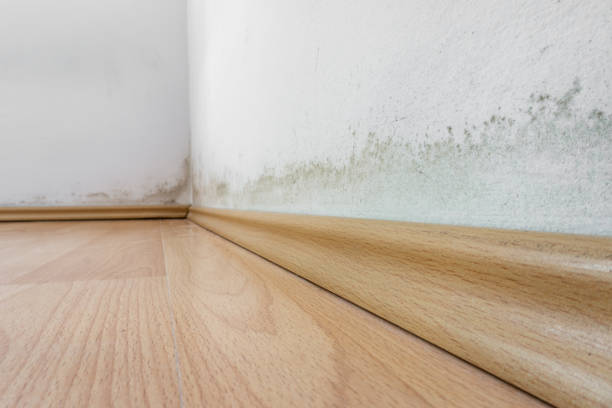
Mold under hardwood floors is a hidden threat that can seriously impact your home’s value and your family’s health. Often overlooked until it’s too late, this silent invader thrives in moist, dark conditions—and your beautiful hardwood floors may be the perfect breeding ground.
If you’ve noticed warped planks, a musty odor, or unexplained allergies, mold could be hiding just below the surface. In this guide, we’ll explore what causes mold under hardwood floors, how to identify it early, and the best ways to professionally remove it before the damage spreads.
Why Mold Under Hardwood Floors Is More Common Than You Think
Many homeowners are shocked to discover that mold under hardwood floors can develop even without flooding. Everyday sources like spills, leaky appliances, or high humidity levels in coastal areas like Santa Rosa Beach are all culprits.
Because hardwood floors are porous and absorb moisture, mold spores can easily latch onto the subfloor. Once there, they feed on organic materials and begin to grow—silently and steadily.
Top Signs of Mold Under Hardwood Floors
Here are 7 warning signs that you might have mold under hardwood floors:
1. Musty or Earthy Smell
A strong, damp odor is one of the earliest and most reliable signs. If it persists even after cleaning, mold is likely beneath the surface.
2. Discoloration Between Planks
Dark spots or patches that appear without any spills or known causes may indicate mold creeping through.
3. Creaking or Warped Planks
Water damage causes wood to swell and shift. If your floor suddenly feels uneven or “soft” in spots, there may be mold underneath.
4. Increased Allergies or Respiratory Issues
If household members experience sneezing, coughing, or asthma flare-ups indoors, mold under hardwood floors could be to blame.
5. Bubbling or Peeling Finish
As moisture builds beneath the surface, it can push up against the sealant or polish, creating bubbles or peeling.
6. Water Leaks or Past Flooding
If your home has experienced a leak—even years ago—there’s a chance mold is still present.
7. Condensation on Windows or Baseboards
Excess indoor moisture creates a perfect environment for mold under hardwood floors. Condensation can be an early moisture indicator.
Common Causes of Mold Under Hardwood Floors
Understanding what causes mold under hardwood floors helps prevent future outbreaks:
- Poor Ventilation: Without proper airflow, moisture accumulates and lingers.
- High Humidity: Santa Rosa Beach’s coastal climate can push indoor humidity above 60%, ideal for mold growth.
- Appliance Leaks: Dishwashers, washing machines, and fridges can leak unnoticed water.
- Improper Installation: If flooring is installed over a damp subfloor or without a vapor barrier, mold may follow.
- Flooding or Storm Damage: Even quick cleanup efforts may leave behind hidden moisture.
Pro Tip: Use a digital hygrometer to monitor your indoor humidity. Experts recommend keeping it between 30-50% to prevent mold growth. Source: EPA

Dangers of Ignoring Mold Under Hardwood Floors
Mold isn’t just unsightly—it’s dangerous.
Prolonged exposure can trigger allergies, asthma, and other respiratory issues. In severe cases, black mold (Stachybotrys chartarum) can pose serious health risks.
Moreover, mold eats away at wood and organic flooring materials, compromising your home’s structural integrity and lowering its resale value.
How Professionals Treat Mold Under Hardwood Floors
Step 1: Inspection & Moisture Detection
Certified professionals use moisture meters, thermal imaging, and air quality tests to locate mold and determine the source of moisture.
Step 2: Safe Removal of Contaminated Flooring
Affected areas are carefully removed, bagged, and discarded per EPA regulations to avoid spreading spores.
Step 3: HEPA Filtration & Air Scrubbing
HEPA vacuums and air scrubbers filter mold spores from the air, ensuring a clean indoor environment.
Step 4: Antimicrobial Treatment
The exposed subfloor is treated with EPA-registered mold inhibitors to prevent regrowth.
Step 5: Drying & Restoration
Professional drying equipment removes lingering moisture. Flooring is then restored or replaced.
DIY mold removal is risky. You may unknowingly release spores into the air or miss hidden mold colonies. Always call a certified mold remediation expert.
Why Call PuroClean of Santa Rosa Beach for Mold Remediation?
When it comes to mold under hardwood floors, fast, professional action matters. PuroClean of Santa Rosa Beach offers:
✅ IICRC-Certified Mold Remediation Experts
✅ Advanced Moisture Detection Equipment
✅ Safe, EPA-Compliant Mold Removal
✅ 24/7 Emergency Response
✅ Friendly, Local Technicians Who Care
📞 Call us now at (850) 399-3380 or visit our website to schedule an inspection.
FAQs: Mold Under Hardwood Floors
Q1: Can mold under hardwood floors go away on its own?
No. Mold will continue to grow as long as moisture is present. Professional removal is essential.
Q2: Is it safe to live in a house with mold under the floors?
Not for long. Mold spores can worsen respiratory conditions and pose risks to children, the elderly, and immunocompromised individuals.
Q3: Will homeowner’s insurance cover mold remediation?
It depends on the policy and the cause of the mold. Sudden events like pipe bursts may be covered. Always check with your provider.
Q4: How long does it take to remove mold under hardwood flooring?
Professional remediation can take anywhere from 1 to 5 days, depending on the extent of damage.
Don’t Wait—Protect Your Home Today
Mold under hardwood floors doesn’t go away on its own. The longer you wait, the worse—and costlier—it becomes.
If you suspect hidden mold, trust PuroClean of Santa Rosa Beach to restore your home with compassion and precision.
📞 Call us 24/7 at (850) 399-3380
💻 Or request service online
Your peace of mind starts with a single call.