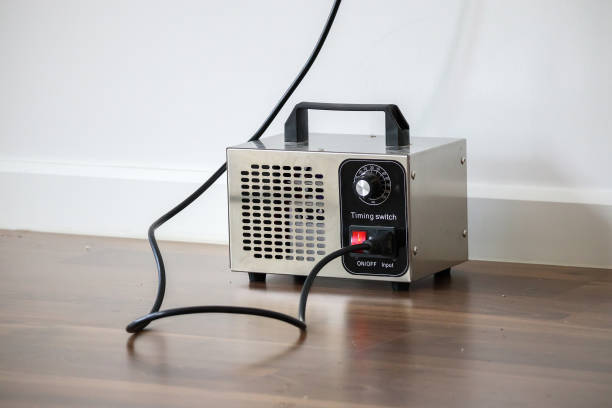
Most ozone machine questions focus on whether the device actually kills mold — we’ve covered that ground already in Ozone Therapy for Mold: 7 Reasons Why EPA Says It’s Ineffective and Does Ozone Kill Mycotoxins?. But if you’re planning to file an insurance claim, there’s a different question worth asking first: does running an ozone machine before you document the damage actually hurt your mold insurance claim? In several real ways, yes.
Risk 1: It Can Look Like a Failed Attempt at Proper Mitigation
Insurance policies generally require policyholders to take “reasonable steps” to mitigate damage after discovering it. Running a consumer ozone machine instead of contacting a professional can be interpreted by an adjuster as an inadequate mitigation attempt rather than a recognized remediation method — and if mold continues developing after the ozone treatment, the insurer may argue you failed to mitigate properly during that window.
Risk 2: It Can Destroy Your Documentation Window
Adjusters rely on moisture readings and visible evidence, not after-the-fact explanations. If an ozone machine masks the musty odor that would have prompted earlier documentation, or if you run it before photographing the damage and taking moisture readings, you may have eliminated the exact evidence your claim needs. Document first, treat second — running any treatment, ozone included, before documentation is a mistake insurers specifically look for.
Risk 3: Masking the Odor Can Undermine Your Claim During Inspection
If ozone treatment temporarily eliminates the musty smell without addressing the mold itself, an adjuster who inspects the property afterward may find less visible evidence of an ongoing problem than actually exists — potentially leading to a reduced payout or a dispute over the extent of damage, even though the underlying mold is still there.
Risk 4: Self-Treatment Isn’t a Recognized Mitigation Method
Professional mold remediation follows the ANSI/IICRC S520 standard of care, which insurers and adjusters recognize as the accepted benchmark for proper mitigation. An ozone machine purchased online doesn’t fall under that standard, and self-administered treatment generally isn’t documented, calibrated, or verified the way professional mitigation is — leaving you with no recognized record that reasonable mitigation actually occurred.
Risk 5: If It Doesn’t Work — Which Is Likely — You’ve Delayed the Real Fix
Most policies expect prompt reporting and mitigation after damage is discovered, and delayed reporting is consistently one of the top reasons mold claims get denied or reduced. Time spent running an ozone machine that, per EPA research, is unlikely to resolve the underlying mold is time that could push your claim past the window insurers consider “prompt.”
The Pattern Across Every DIY Insurance Mistake
This isn’t unique to ozone. PuroClean of Bloomington, IL has documented a similar pattern across a range of DIY cleanup attempts, noting that insurance adjusters rely on moisture readings, not guesswork, and that DIY efforts which worsen or mask damage can result in reduced or denied claims (PuroClean of Bloomington, IL). An ozone machine fits squarely into that same category of well-intentioned DIY response that can complicate rather than help a claim.
What to Do Instead
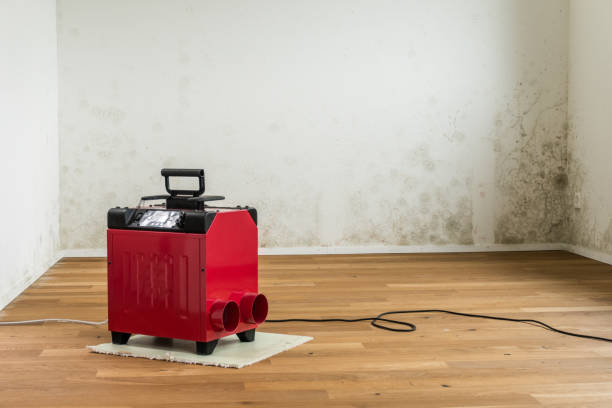
If you’re dealing with a musty smell or suspected mold and you’re planning to file a claim, document the damage first — photos, video, and a written timeline — before attempting any treatment yourself. From there, contact a professional for a proper assessment rather than reaching for a consumer device.
PuroClean of Santa Rosa Beach: Documentation That Protects Your Claim
PuroClean of Santa Rosa Beach documents moisture readings, photos, and scope of work from the moment we arrive on-site, specifically because that record matters as much for your insurance claim as it does for the remediation itself. For more on how documentation affects mold claims specifically, see our guide on mold under flooring and insurance claims. Our technicians serve homeowners across the 30A corridor and our Dothan, AL service area, following the ANSI/IICRC S520 standard of care on every job.
Frequently Asked Questions
Will using an ozone machine automatically void my mold insurance claim? Not automatically, but it can complicate your claim by masking evidence, delaying professional mitigation, or being interpreted as an inadequate mitigation attempt.
Should I document mold damage before or after trying to treat it myself? Always document first — photos, video, and a written timeline — before attempting any treatment, since altering the scene beforehand can weaken your evidence.
Does professional mold remediation count differently than DIY treatment for insurance purposes? Yes. Professional remediation following the ANSI/IICRC S520 standard is a recognized benchmark insurers and adjusters look for, while self-administered treatments generally aren’t documented or verified the same way.
What should I do if I already used an ozone machine before filing my claim? Contact a professional for an assessment as soon as possible, and document the current condition thoroughly — it’s not too late to build a strong record from this point forward.

Protect Your Claim From the Start With PuroClean of Santa Rosa Beach
Don’t let a well-intentioned DIY attempt complicate your mold insurance claim. PuroClean of Santa Rosa Beach provides IICRC-certified mold assessment and remediation with documentation built for insurance claims, serving Santa Rosa Beach, the 30A corridor, and Dothan, AL, with 24/7 emergency availability.
Contact PuroClean of Santa Rosa Beach today, or call for 24/7 emergency response.
Available 24/7/365 | Contact Us Online | Google Business Profile | IICRC Certified | Insurance Preferred | Complete Mold Remediation Solutions