


Table of Contents
Preventing mold under hardwood floors in humid climates is not just possible—it’s essential for protecting your hardwood investment and your family’s health in Santa Rosa Beach and Dothan’s challenging moisture conditions. Yet most homeowners don’t understand that standard mold prevention advice fails in high-humidity environments, leaving expensive hardwood floors vulnerable to the hidden contamination that destroys homes.
The Richardson family learned this lesson after investing $42,000 in beautiful Brazilian cherry hardwood throughout their Santa Rosa Beach home three years ago. They followed all the “standard” maintenance advice: regular cleaning, keeping indoor temperatures comfortable, addressing visible water damage promptly. What they didn’t know was that preventing mold under hardwood floors in humid climates requires specific strategies addressing moisture sources and conditions that don’t exist in drier regions.
Two years after installation, they noticed slight cupping in their master bedroom floor. Six months later, musty odors appeared in multiple rooms. When they finally hired a mold inspector, extensive subflooring contamination had spread across 400+ square feet affecting four rooms. The remediation cost: $28,000. Their beautiful hardwood? Partially ruined, requiring replacement in heavily affected areas.
“If I’d known what I know now about preventing mold under hardwood floors in humid climates,” Mr. Richardson told me during our remediation project, “I would have spent $3,000-$5,000 on proper moisture control and crawl space solutions when we first installed the floors. Instead, I’m paying ten times that to fix problems that were completely preventable.”
As PuroClean of Santa Rosa Beach’s prevention specialist with over a decade helping Gulf Coast and inland Alabama homeowners protect their properties from moisture and mold, I’ve seen this pattern repeatedly: homeowners invest tens of thousands in premium hardwood flooring without understanding that preventing mold under hardwood floors in humid climates requires different strategies than those used in Arizona, Colorado, or other dry regions.
This comprehensive guide provides the specific, actionable strategies that actually work for preventing mold under hardwood floors in humid climates, explaining why Santa Rosa Beach’s coastal humidity and Dothan’s inland climate both create unique challenges, revealing the moisture sources most homeowners miss, and providing seasonal maintenance protocols that protect your hardwood investment year-round. Whether you’re installing new hardwood or protecting existing floors, these proven strategies prevent the $15,000-$40,000 remediation costs that result from inadequate moisture control in humid environments.
Why Preventing Mold Under Hardwood Floors in Humid Climates Requires Different Strategies
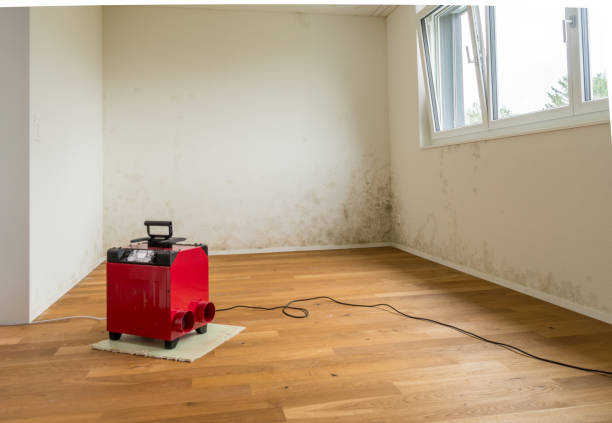
Understanding why preventing mold under hardwood floors in humid climates differs from standard prevention requires recognizing how persistent humidity creates conditions that don’t exist in drier regions.
According to NOAA climate data, Santa Rosa Beach averages 65-75% relative humidity year-round with summer peaks exceeding 90%, while Dothan maintains 60-70% humidity with similar seasonal variations. Compare this to Denver’s 35-45% average humidity or Phoenix’s 20-30%, and the challenge becomes clear: moisture is constantly present in the air, continually interacting with building materials.
Why standard prevention fails in humid climates:
Myth #1: “Just keep your home clean and dry.” In 70%+ humidity, “dry” is a relative term. Materials absorb moisture from air continuously. Wood subflooring naturally equilibrates to 12-15% moisture content in our humidity versus 8-10% in dry climates—already approaching the 20% threshold where mold grows rapidly.
Myth #2: “Running AC keeps everything dry.” Air conditioning removes some moisture but isn’t designed as a primary dehumidification system. AC systems typically maintain 50-60% indoor humidity—adequate for comfort but insufficient for comprehensive mold prevention in spaces with additional moisture sources.
Myth #3: “Vapor barriers under flooring prevent moisture.” Standard vapor barriers help but don’t address moisture from HVAC condensation, plumbing leaks, or humidity entering through wall cavities. Comprehensive preventing mold under hardwood floors in humid climates requires multi-layered approaches addressing all moisture sources.
Myth #4: “Well-ventilated crawl spaces prevent problems.” Traditional crawl space ventilation actually introduces humid outdoor air (75-90% humidity) into crawl spaces, increasing moisture problems rather than solving them. Modern building science shows sealed, conditioned crawl spaces work better in humid climates.
The reality of preventing mold under hardwood floors in humid climates:
Success requires addressing moisture from multiple sources simultaneously: ground moisture migrating upward through foundations, atmospheric humidity condensing on cool surfaces, HVAC system condensation and leaks, plumbing failures, storm water intrusion, and seasonal humidity variations creating moisture cycling.
According to research from Advanced Energy, homes in humid climates require active moisture management systems maintaining subflooring environments below 60% relative humidity and 15% material moisture content—conditions that don’t occur naturally without intervention in Santa Rosa Beach or Dothan.
Strategy #1 for Preventing Mold Under Hardwood Floors: Comprehensive Crawl Space Management
For homes on crawl space foundations (common in Santa Rosa Beach elevated construction and many older Dothan homes), crawl space moisture control is the single most important factor in preventing mold under hardwood floors in humid climates.
The traditional ventilated crawl space problem:
Old building codes required crawl space vents bringing outdoor air underneath homes. In humid climates, this outdoor air (70-90% humidity) enters cool crawl spaces where temperatures are 10-15°F cooler than outside. This causes condensation on subflooring, joists, and all surfaces—exactly the moisture conditions supporting mold growth.
Modern sealed crawl space approach:
Complete ground vapor barrier: Install 6-mil or thicker polyethylene sheeting covering 100% of crawl space soil, overlapping seams by 12 inches and sealing with tape, and extending up foundation walls 6-8 inches with sealed edges. Cost: $1.50-$3.00 per square foot ($1,200-$2,400 for 800 sq ft crawl space).
Crawl space encapsulation: Seal foundation vents permanently (from inside, not just covering outside), insulate foundation walls with closed-cell spray foam or rigid foam boards, seal all penetrations and gaps preventing outside air entry, and extend vapor barrier up walls creating a sealed envelope. Cost: $3,000-$8,000 for typical crawl space depending on size and complexity.
Crawl space dehumidification: Install dedicated crawl space dehumidifier (not portable unit) sized for space volume, maintaining relative humidity below 55% year-round, with automatic operation and condensate drainage. Units sized for crawl spaces: $1,200-$2,500 installed. Operating cost: $30-$60 monthly.
The science supporting sealed crawl spaces:
Research from the Building Science Corporation demonstrates sealed, conditioned crawl spaces in humid climates reduce subflooring moisture content by 40-60% compared to ventilated crawl spaces—the difference between subflooring at 18-20% moisture (high mold risk) versus 10-12% moisture (safe range).
Real-world results:
I’ve monitored homes that converted from ventilated to sealed crawl spaces with dehumidification. Before conversion, subflooring moisture averaged 17-19% during summer months. After conversion, subflooring moisture maintained 11-13% year-round—definitively answering preventing mold under hardwood floors in humid climates with “yes, this works.”
Investment analysis:
Crawl space encapsulation with dehumidification: $5,000-$12,000 initial investment. Annual operating cost: $360-$720 (electricity). Total 10-year cost: $8,600-$19,200. Compare this to mold remediation costs ($15,000-$40,000) plus hardwood replacement ($8,000-$25,000)—total savings: $14,400-$45,800 over ten years. The investment in preventing mold under hardwood floors in humid climates pays for itself multiple times over.
Strategy #2: Professional-Grade Vapor Barriers Under Hardwood
Preventing mold under hardwood floors in humid climates requires vapor barriers that exceed minimum code requirements, particularly important during new installation or renovation.
Standard vs. superior vapor barrier approaches:
Minimum code (often inadequate in humid climates): 6-mil polyethylene plastic sheet under subflooring with unsealed seams and gaps at walls and penetrations. This prevents ground moisture but not condensation, doesn’t address lateral moisture migration, and allows moisture intrusion at any unsealed gap.
Superior approach for humid climates: 10-15 mil reinforced vapor barrier (cross-laminated polyethylene with puncture resistance), all seams sealed with vapor barrier tape creating continuous moisture barrier, complete sealing at wall perimeters with flexible sealants, sealed penetrations around all plumbing and HVAC components, and vapor-retardant coating on concrete slabs before hardwood installation in slab-on-grade homes.
Cost comparison:
- Minimum 6-mil barrier: $0.30-$0.50 per sq ft
- Superior sealed system: $0.80-$1.50 per sq ft
- Difference on 1,000 sq ft project: $500-$1,000
When to upgrade vapor barriers:
New hardwood installation: Always invest in superior barriers—adding $500-$1,000 to a $15,000-$30,000 hardwood installation is a 2-5% increase providing critical protection.
Existing homes showing moisture issues: If moisture testing reveals subflooring moisture above 15%, or if musty odors/minor cupping appear, consider flooring removal and vapor barrier upgrade before problems become severe.
Renovation projects: When replacing damaged subflooring after water damage or mold remediation, upgrade vapor barriers—the marginal cost is minimal since flooring and subflooring are already removed.
Critical detail for preventing mold under hardwood floors in humid climates:
Vapor barriers must be continuous and sealed. A single unsealed penetration or gap creates a moisture pathway undermining the entire system. Professional installation ensuring complete sealing is worth the investment—DIY vapor barrier installation often leaves gaps that cause long-term problems.
Strategy #3: Strategic HVAC Management and Condensate Control
HVAC systems in humid climates produce significant condensation—5-20 gallons daily during cooling seasons. Improper condensate management is a leading cause of subflooring moisture supporting mold growth, making this critical for preventing mold under hardwood floors in humid climates.
Condensate drain line management:
Proper installation requirements: Primary drain lines sloped continuously toward termination without sags or low spots where water pools, terminating at least 10 feet from home foundation preventing water re-entry, secondary drain lines (required by code in many areas) as backup if primary clogs, and clean-outs accessible for maintenance at key locations.
Common installation defects causing problems:
- Drain lines with reverse slope sections where water collects
- Lines terminating near foundation allowing water to seep beneath homes
- No secondary drain creating catastrophic leaks when primary clogs
- Loose connections allowing water to drip onto subflooring or into wall cavities
Maintenance protocol:
Monthly: Visually inspect drain termination ensuring free flow. Check air handler drain pan for standing water indicating blockage. Pour 1 cup bleach solution through air handler drain pan flushing line.
Quarterly: Pour 1/2 cup vinegar through drain line dissolving organic buildup. Inspect all visible condensate piping for leaks or moisture. Verify proper drainage from both primary and secondary lines.
Annually: Professional HVAC service including complete drain line clearing, drain pan inspection and cleaning, all connection integrity verification, and installation of float switches shutting off systems if drains clog.
Cost of proper condensate management: Annual professional service: $150-$250. Monthly homeowner maintenance: minimal cost. Prevention of one condensate-caused mold incident: $15,000-$30,000 saved—an exceptional return on investment for preventing mold under hardwood floors in humid climates.
Advanced protection: Condensate pump systems:
For homes where gravity drainage is insufficient, condensate pumps ($150-$400 installed) actively remove condensate ensuring reliable drainage regardless of building configuration. These are particularly valuable in:
- Homes with AC systems in attics above living spaces
- Systems where gravity drainage requires long horizontal runs
- Homes that have experienced previous condensate leaks
Strategy #4: Humidity Control Beyond Standard Air Conditioning
While AC removes some moisture, comprehensive preventing mold under hardwood floors in humid climates requires dedicated humidity control addressing seasonal variations and zone-specific needs.
Whole-home dehumidification:
Standalone whole-home dehumidifiers: Install dedicated dehumidification systems separate from AC maintaining optimal humidity year-round including shoulder seasons when AC doesn’t run. Capacity: 70-135 pints per day for typical homes. Integration with HVAC ductwork or standalone in strategic locations. Cost: $1,500-$3,500 installed.
Benefits: Maintains 40-50% indoor humidity regardless of AC operation, reduces AC load (dehumidifiers are more efficient at moisture removal than AC), and operates during shoulder seasons (spring, fall) when AC doesn’t run but humidity remains high.
Advanced HVAC dehumidification:
Modern HVAC systems offer enhanced dehumidification modes designed specifically for humid climates: variable-speed air handlers allowing lower airflow over coils for better moisture removal, dedicated dehumidification modes sacrificing some cooling efficiency for maximum moisture extraction, and multi-stage systems providing better humidity control than single-stage units.
Upgrade consideration: When replacing HVAC systems, prioritize dehumidification performance specifications, not just cooling capacity—oversized AC systems cycle too quickly to remove moisture effectively.
Zone-specific portable dehumidification:
For problem areas (basements, enclosed porches, storage rooms), commercial-grade portable dehumidifiers (50-70 pint capacity, $300-$500) provide targeted moisture control. Ensure continuous drainage to sinks or sumps rather than manual emptying—units shutting off when buckets fill allow humidity to rise during un-monitored periods.
Humidity monitoring:
Install hygrometers ($15-$40 each) in multiple locations: main living areas, bedrooms, crawl spaces (if accessible), and areas above hardwood floors. Target: 40-50% relative humidity year-round. Above 60% persistently requires intervention for effective preventing mold under hardwood floors in humid climates.
Integration with smart home systems:
Modern humidity monitors integrate with smart home systems providing real-time monitoring, automated dehumidifier control, and alerts when humidity exceeds targets. Investment: $100-$300 for smart humidity control. Value: early warning preventing moisture damage before mold develops.
Strategy #5: Immediate Water Damage Response Protocols
Even with excellent prevention, water damage occurs—burst pipes, appliance failures, storm flooding. How quickly you respond determines whether incidents cause mold problems, making rapid response protocols critical for preventing mold under hardwood floors in humid climates.
The critical 24-48 hour window:
Mold begins colonizing saturated subflooring within 24-48 hours in humid climates—faster than the 48-72 hours typical in dry regions. This compressed timeline demands immediate professional response, not delayed DIY attempts.
Immediate response protocol (within 2 hours):
Stop water source immediately. Document damage photographically for insurance. Contact insurance company (24-hour claims lines). Call PuroClean of Santa Rosa Beach at (850) 399-3380 for immediate professional water extraction—available 24/7/365. Remove moveable items from affected areas. Begin surface water removal with wet-dry vacuum while awaiting professionals (temporary only).
Professional intervention (within 24 hours):
Truck-mounted or portable professional water extraction removing bulk water. Commercial air movers (2000-3000 CFM) positioned strategically. Industrial dehumidifiers lowering ambient humidity to 30-40%. Moisture mapping documenting extent of water migration into subflooring. Antimicrobial treatment as preventive measure. Daily monitoring until complete drying confirmed by meters.
Why DIY approaches fail in humid climates:
Santa Rosa Beach and Dothan’s high ambient humidity (65-75%) slows natural evaporation dramatically. Materials requiring 2-3 days to dry in Arizona require 5-7 days even with professional equipment here. Household fans and consumer dehumidifiers (30-50 pint capacity) are completely inadequate for structural drying in these conditions.
Cost of professional response: Emergency water extraction and drying: $2,000-$5,000 typically. Cost of delayed response allowing mold development: $15,000-$40,000 for remediation. The math strongly favors immediate professional intervention for effective preventing mold under hardwood floors in humid climates after water events.
Pre-establish relationship:
Don’t wait for emergencies to find restoration companies. Research and identify qualified contractors now so you can call immediately when needed. Companies responding within 1-2 hours (like PuroClean of Santa Rosa Beach) prevent mold; those with next-day response allow colonization to begin.
Strategy #6: Strategic Landscaping and Foundation Drainage
Exterior moisture control is essential for preventing mold under hardwood floors in humid climates because water infiltration from outside affects subflooring before you notice problems inside.
Foundation grading requirements:
Proper slope: Ground must slope away from foundation at minimum 6 inches drop over first 10 feet. More aggressive slopes (8-12 inches over 10 feet) provide better protection in high-rainfall areas like Santa Rosa Beach and Dothan.
Inspection: Walk your home’s perimeter during heavy rain observing water flow patterns. Water pooling against foundation or flowing toward house indicates grading problems requiring correction.
Correction: Professional grading: $800-$2,500 depending on extent. DIY with delivered soil: $200-$600 plus labor. This is critical infrastructure for preventing mold under hardwood floors in humid climates—foundation water intrusion is among the most common moisture sources causing subflooring problems.
Gutter and downspout systems:
Proper design: Gutters sized appropriately for roof area and rainfall intensity (6-inch K-style gutters standard for our climates). Downspouts spaced every 30-40 feet of gutter run. Clean gutters discharging freely at downspouts without overflows.
Extension requirements: Downspouts must discharge at least 10 feet from foundation using extensions, splash blocks, or underground drainage. Water discharged close to foundations seeps into crawl spaces or beneath slabs causing subflooring moisture.
Maintenance: Clean gutters minimum twice annually (spring and fall), more frequently with heavy tree cover. One clogged gutter causing overflow can saturate soil near foundation, creating moisture migration into crawl spaces or through foundation—directly compromising preventing mold under hardwood floors in humid climates efforts.
French drains and foundation drainage:
For homes with persistent foundation moisture despite proper grading and gutters, French drains provide solution: perforated pipe in gravel trench along foundation collecting and redirecting water, terminating at daylight or sump basin distant from home, and fabric wrap preventing sediment clogging. Cost: $25-$50 per linear foot installed ($2,000-$4,000 for typical home perimeter).
Landscaping considerations:
Plants near foundations: Avoid planting within 3 feet of foundations—roots damage foundations, watering creates moisture near foundations, and dense vegetation prevents soil drying. Limit foundation plantings to shallow-rooted species requiring minimal irrigation.
Mulch beds: Keep mulch 6-12 inches away from foundation creating gap preventing moisture transfer from mulch to foundation. Organic mulch (pine straw, wood chips) holds moisture; consider using it sparingly near foundations or switching to inorganic alternatives (gravel, river rock) in foundation zones.
Irrigation systems: Position sprinkler heads avoiding foundation walls. Ensure irrigation schedules don’t create oversaturated soil near foundations. Consider drip irrigation in foundation zones providing precise water delivery to plants without oversaturating surrounding soil.
Strategy #7: Seasonal Maintenance Protocols
Preventing mold under hardwood floors in humid climates requires year-round vigilance with protocols addressing seasonal variations in moisture sources and conditions.
Spring maintenance (March-May):
Focus: Moisture from winter rains, emerging humidity as temperatures rise, HVAC startup after winter dormancy.
Tasks:
- Inspect crawl spaces for standing water or moisture from winter rains
- Test crawl space dehumidifiers ensuring operation before humid season
- Professional HVAC service before cooling season including condensate system inspection
- Check exterior drainage noting any areas where spring rains pooled near foundation
- Measure indoor humidity establishing spring baseline
- Inspect hardwood floors for winter moisture damage (cupping from humidity fluctuations)
Summer maintenance (June-August):
Focus: Peak humidity season, HVAC systems operating continuously producing maximum condensate, hurricane season preparation.
Tasks:
- Monitor crawl space humidity weekly ensuring dehumidifiers maintaining below 60%
- Monthly condensate drain line flushing preventing clogs during heavy use
- Inspect HVAC drain terminations ensuring free discharge away from foundation
- Hurricane preparation including gutter cleaning, downspout checks, emergency contact information
- Increased indoor humidity monitoring (weekly) responding immediately to readings above 55%
- Professional moisture testing if any musty odors or minor floor changes appear
Fall maintenance (September-November):
Focus: Hurricane season tail end, transition to heating season, addressing summer moisture accumulation.
Tasks:
- Post-hurricane season inspection of foundations, crawl spaces, and drainage systems
- Second annual gutter cleaning removing debris accumulated during growing season
- HVAC transition inspection (if switching to heating) ensuring proper operation
- Crawl space moisture assessment checking for summer accumulation
- Foundation waterproofing inspection for any cracks or deterioration to address before winter rains
- Hardwood floor inspection for summer moisture effects
Winter maintenance (December-February):
Focus: Less obvious moisture risks but still significant in Gulf Coast and Alabama climates, condensation from temperature differentials, plumbing freeze risk.
Tasks:
- Crawl space dehumidifier operation verification (needed year-round in our climates)
- Insulate exposed plumbing preventing freeze-burst risk during occasional cold snaps
- Monitor indoor humidity (heating systems often create dry indoor air but crawl spaces remain humid)
- Watch for condensation on windows or cold surfaces indicating humidity problems
- Foundation drainage inspection after winter storms
- Address any hardwood floor issues before spring humidity season
Documentation:
Maintain maintenance log with dates, tasks completed, observations, and photos of conditions over time. This documentation helps identify developing problems early and provides valuable evidence if insurance claims become necessary—supporting your efforts toward preventing mold under hardwood floors in humid climates with documented vigilance.
Strategy #8: Material Selection for New Hardwood Installation
When installing new hardwood or replacing damaged floors, material choices significantly impact long-term success of preventing mold under hardwood floors in humid climates.
Wood species moisture stability:
Most stable (best for humid climates): Teak, mahogany, Brazilian cherry (Jatoba), santos mahogany, mesquite. These dense, oily woods have natural moisture resistance and dimensional stability. Cost: $12-$30+ per square foot installed.
Moderately stable: White oak, red oak (properly kiln-dried), hickory, hard maple. Traditional hardwoods performing well if properly installed with moisture barriers. Cost: $8-$15 per square foot installed.
Less stable (higher risk): Pine, fir, bamboo (despite marketing claims), and very wide planks of any species (wider boards move more with moisture changes). Cost varies but higher risk of moisture-related problems in humid climates.
Engineered vs. solid hardwood:
Engineered hardwood advantages: Cross-grain construction resists moisture-induced movement better than solid wood, thinner profile works better over concrete slabs with limited height clearance, and less expensive than premium solid hardwood ($6-$12 per sq ft installed).
Solid hardwood advantages: Can be refinished multiple times (engineered limited by thin veneer), perceived higher quality and value, and traditional choice for premium installations. Cost: $8-$18 per sq ft for quality materials installed.
For humid climates: Engineered hardwood’s enhanced moisture stability makes it excellent for challenging locations (basements, bathrooms, kitchens), while solid hardwood works well in ideal conditions with proper moisture barriers. Both can succeed in preventing mold under hardwood floors in humid climates when properly installed.
Finish selection:
Polyurethane finishes (oil or water-based): Create moisture-resistant surface reducing liquid water absorption. Multiple coats (4-6) provide better protection than minimal coating. Water-based polyurethane slightly more moisture-resistant than oil-based.
Hardwax oils: Natural look with easier repair but less moisture resistance than polyurethane. Require more maintenance and reapplication. Generally not recommended for humid climates unless appearance value outweighs practical concerns.
Factory-finished vs. site-finished: Factory finishes often provide superior moisture resistance through multiple UV-cured coats in controlled conditions. Site-finishing allows customization but depends heavily on installer skill. For humid climates, factory-finished products offer more consistent moisture protection.
Installation method:
Floating floors: Engineered hardwood installed as floating systems (clicking together without adhesive or fasteners) allow seasonal movement without stress. Good for moderate moisture environments.
Glue-down: Creates continuous moisture barrier between flooring and subfloor when using moisture-resistant adhesives. Excellent for humid climates when done properly over sealed subflooring.
Nail/staple-down: Traditional solid hardwood installation. Works well in humid climates with proper subflooring moisture barriers and adequate acclimation before installation.
Critical for all methods: Allow 7-14 days acclimation in home environment before installation. Rushing installation without acclimation causes problems as wood adjusts to local humidity after installation—contributing to cupping and gaps that compromise preventing mold under hardwood floors in humid climates.
Strategy #9: Professional Moisture Testing and Monitoring
Proactive monitoring provides early warning of moisture problems before mold develops, making regular testing essential for preventing mold under hardwood floors in humid climates.
Professional moisture testing schedule:
At hardwood installation: Verify subflooring moisture below 15% before hardwood installation. Test multiple locations, not just most obvious spots. Document baseline readings for future reference. Cost: $200-$400 for comprehensive pre-installation testing.
Annual maintenance testing: Schedule annual professional moisture assessment including subflooring moisture testing (if accessible from below), indoor humidity measurements in multiple zones, crawl space conditions (humidity, standing water, moisture), and visual inspection for early signs of problems. Cost: $150-$300 annually—preventive investment protecting $20,000-$40,000 hardwood investment.
After any water events: Professional testing after any flooding, leaks, or moisture intrusion verifying complete drying before assuming problems are resolved. Cost: $200-$400 preventing future mold problems from incomplete drying.
When symptoms appear: Immediate professional assessment if musty odors, minor cupping, discoloration, or other concerning signs appear. Early intervention costs far less than delayed response. Cost: $400-$800 for comprehensive problem investigation.
Moisture testing technologies:
Pin-type meters: Penetrating probes measuring moisture at specific depths in wood. Accurate for solid wood subflooring and joists. Less useful through finished hardwood (damages flooring surface).
Pinless meters: Non-invasive moisture detection scanning areas without damage. Ideal for testing through finished hardwood floors. Less precise than pin meters but provides broader assessment.
Thermal imaging: Infrared cameras detecting moisture patterns through temperature variations. Identifies hidden moisture without any material damage. Premium service typically adding $150-$300 to basic moisture testing but invaluable for finding hidden problems.
Hygrometers: Electronic humidity meters measuring relative humidity in crawl spaces, living areas, and wall cavities. Essential for understanding whether conditions support mold growth.
Professional vs. DIY monitoring:
Consumer moisture meters ($50-$200) available from hardware stores provide useful ongoing monitoring. However, interpretation requires training—professionals understand what readings mean in specific contexts while homeowners may misinterpret data.
Strategy: Use consumer meters for regular self-monitoring (monthly or quarterly) but schedule annual professional assessments for expert interpretation, comprehensive testing, and documentation supporting preventing mold under hardwood floors in humid climates through verified vigilance.
Strategy #10: Emergency Preparedness for Hurricane Season
For Santa Rosa Beach and coastal Dothan area homes, hurricane preparedness is essential for preventing mold under hardwood floors in humid climates because storm damage commonly leads to water intrusion and subsequent mold problems.
Pre-hurricane season preparation (May-June):
Documentation: Photograph all hardwood floors, crawl spaces, and building conditions establishing pre-storm baseline for insurance claims if needed. Document existing conditions (no prior damage) protecting against disputes about storm-caused versus pre-existing damage.
Gutter cleaning and inspection: Remove debris ensuring free drainage during heavy rains. Inspect for secure mounting, proper slope, and functioning downspouts. Repair or replace damaged sections before storm season.
Foundation drainage verification: Ensure all drainage systems functioning properly. Verify downspout extensions in place directing water away from foundation. Test sump pumps if present ensuring operational readiness.
Emergency contact list: Pre-identify restoration companies offering emergency response. Store contact information (including PuroClean of Santa Rosa Beach: 850-399-3380) in multiple places (phone, written, with family members). Don’t wait for emergency to research who to call.
Supply staging: Pre-position emergency supplies including wet-dry vacuum with extra bags/filters, tarps and plastic sheeting, battery-powered fans (in case of power loss), portable generator (for powering dehumidifiers, fans), and cleaning supplies.
During storm events:
Monitor for water intrusion: Check crawl spaces, areas around hardwood floors, and all vulnerable locations regularly during storms. Early detection allows faster response limiting damage.
Document immediately: If water intrusion occurs, photograph immediately documenting extent. Continue photographing throughout event showing progression. This documentation is critical for insurance claims.
Emergency water removal: If safe, begin emergency water removal using available equipment while storm continues. Every gallon removed is one less gallon saturating subflooring.
Post-storm response (critical 24-48 hours):
Immediate professional assessment: Call restoration professionals immediately even if damage appears minor. In humid climates, 24-48 hours determines whether water damage becomes mold problem. Don’t wait days to “see how it dries”—professionals must intervene within hours.
Insurance notification: Contact insurance company immediately (24-hour claims lines) reporting damage. Don’t delay waiting for full assessment—prompt notification protects coverage regardless of ultimate damage extent.
Professional water extraction and drying: Professional services remove far more water and dry materials far faster than homeowner capabilities. In post-storm demand surges, companies prioritize customers calling first; immediate calls mean faster response than delayed calls when companies are fully booked.
The cost of delay:
Professional emergency response within 24 hours: $2,000-$6,000 preventing mold entirely. Delayed response allowing mold colonization: $15,000-$45,000 for remediation plus hardwood replacement. Immediate response is the most effective investment in preventing mold under hardwood floors in humid climates after storm events.
Regional Considerations: Santa Rosa Beach vs. Dothan
While both locations face preventing mold under hardwood floors in humid climates challenges, specific strategies vary based on regional differences.
Santa Rosa Beach specific factors:
Higher humidity baseline: Coastal proximity creates 5-10% higher average humidity than inland. More aggressive dehumidification needed (systems sized 20-30% larger than inland recommendations).
Salt air corrosion: HVAC components and metal fasteners deteriorate faster requiring more frequent inspection and maintenance. Stainless steel or coated fasteners recommended for critical applications.
Hurricane exposure: Direct Gulf Coast location faces higher storm frequency and intensity requiring more robust emergency preparedness and storm-resistant construction details.
Elevated construction: Many coastal homes on pier-and-beam elevation creating exposed crawl spaces requiring encapsulation and dehumidification.
Water table proximity: Gulf Coast water tables 3-5 feet below surface creating persistent ground moisture requiring superior vapor barriers.
Dothan specific factors:
Moderate humidity: Inland location provides slightly lower average humidity but still in range requiring active moisture management.
Temperature extremes: Greater seasonal temperature variation creates condensation risks during transitions. Spring and fall monitoring particularly important.
Storm/tornado risk: Inland severe weather creates different damage patterns but similar emergency response requirements.
Traditional construction: More slab-on-grade construction compared to elevated coastal construction. Different moisture barrier approaches needed.
Lower contractor density: Fewer specialized contractors may mean longer response times requiring more proactive relationships and preparedness.
Both locations: Despite differences, both require comprehensive moisture management, active dehumidification, rapid water damage response, and seasonal monitoring for successful preventing mold under hardwood floors in humid climates.
Frequently Asked Questions
What’s the single most important factor in preventing mold under hardwood floors in humid climates?
Moisture control beneath flooring is paramount. For homes on crawl spaces, comprehensive crawl space management (encapsulation + dehumidification) provides the greatest impact. For slab-on-grade homes, superior vapor barriers and HVAC condensate management are most critical. In both cases, maintaining subflooring moisture content below 15% and relative humidity below 60% provides effective preventing mold under hardwood floors in humid climates.
How much does comprehensive mold prevention cost for hardwood floors in humid climates?
Initial investment varies by home: crawl space encapsulation with dehumidification ($5,000-$12,000), superior vapor barriers during installation ($500-$1,500 for 1,000 sq ft), whole-home dehumidification ($1,500-$3,500), and drainage improvements ($800-$4,000 as needed). Total initial investment: $8,000-$21,000 for comprehensive approach. Annual ongoing costs: $500-$1,000 (dehumidifier electricity, HVAC maintenance, monitoring). Compare to mold remediation costs ($15,000-$40,000) plus hardwood replacement ($8,000-$25,000)—prevention saves $14,000-$43,000 over remediation costs.
Can I prevent mold under hardwood floors in humid climates without crawl space encapsulation?
Partial prevention is possible through enhanced vapor barriers, aggressive indoor humidity control (whole-home dehumidification maintaining 40-50%), excellent HVAC condensate management, immediate water damage response, and regular professional monitoring. However, homes on crawl space foundations face ongoing challenges without encapsulation, particularly in peak humidity months. For long-term success in preventing mold under hardwood floors in humid climates with crawl space construction, encapsulation provides most reliable protection.
How often should I monitor moisture levels for preventing mold under hardwood floors in humid climates?
DIY monitoring with consumer moisture meters and hygrometers: monthly during moderate seasons, weekly during peak humidity (June-August), and after any water events. Professional comprehensive testing: annually for established prevention systems, biannually for high-risk situations (prior mold history, ongoing moisture concerns), and immediately if concerning signs appear (musty odors, cupping, discoloration). Consistent monitoring provides early warning enabling intervention before mold develops.
Will running my air conditioning more prevent mold under hardwood floors?
AC removes some moisture but isn’t sufficient alone for comprehensive preventing mold under hardwood floors in humid climates. AC systems typically maintain 50-60% indoor humidity—adequate for comfort but higher than optimal for mold prevention (40-50%). Additionally, AC doesn’t address crawl space humidity, HVAC condensate issues, or moisture from water intrusion. Consider AC as part of comprehensive moisture management, not a complete solution. Dedicated dehumidification provides better moisture control while reducing AC load and energy costs.
What should I do immediately after water damage to prevent mold under hardwood floors in humid climates?
Within 2 hours: stop water source, document photographically, contact insurance company, call professional restoration services (PuroClean of Santa Rosa Beach: 850-399-3380), and begin emergency surface water removal. Within 24 hours: professional water extraction, commercial air movers and dehumidifiers deployed, moisture mapping documenting extent, antimicrobial preventive treatment, and daily professional monitoring. This rapid response timeline is critical for preventing mold under hardwood floors in humid climates after water events—delay beyond 24-48 hours allows colonization to begin.
PuroClean of Santa Rosa Beach: Your Partner in Preventing Mold Under Hardwood Floors in Humid Climates
At PuroClean of Santa Rosa Beach, we understand that preventing mold under hardwood floors in humid climates requires specialized knowledge, comprehensive strategies, and ongoing commitment that goes far beyond standard mold prevention advice.
Our prevention services:
Moisture assessment and consultation: Comprehensive evaluation of your home’s specific vulnerabilities, moisture testing of crawl spaces and subflooring areas, identification of moisture sources requiring attention, customized prevention recommendations for your construction type and location, and written prevention plans with prioritized actions and cost estimates.
Crawl space solutions: Complete crawl space encapsulation, professional vapor barrier installation, crawl space dehumidification system specification and installation, moisture monitoring system setup, and ongoing maintenance agreements for continuous protection.
Emergency response preventing mold: 24/7/365 availability after water damage events, 1-2 hour response time throughout 30A corridor, professional water extraction and structural drying, antimicrobial preventive treatments, and complete documentation for insurance claims.
Annual maintenance programs: Scheduled moisture testing and inspection services, crawl space condition monitoring, HVAC system moisture assessment, drainage and exterior evaluation, detailed reporting with recommendations, and priority emergency response for program members.
Expert consulting: Pre-purchase moisture assessment for home buyers, consultation during hardwood installation projects, remediation oversight ensuring quality work after mold problems, and expert witness services for construction defect or insurance disputes.
Why choose PuroClean for preventing mold under hardwood floors in humid climates:
Coastal climate expertise: Over a decade working specifically in Gulf Coast and inland Alabama high-humidity environments. We understand challenges unique to our region that contractors from other areas may not recognize.
Certified specialists: IICRC-certified technicians trained in water damage restoration and mold remediation. Specialized training in moisture management, building science, and humid climate challenges.
Advanced technology: Professional moisture meters, thermal imaging cameras, commercial dehumidification equipment, and monitoring systems providing accurate assessment and effective moisture control.
Comprehensive approach: We don’t just address single issues, we evaluate entire systems recognizing that successful preventing mold under hardwood floors in humid climates requires multi-faceted strategies addressing all moisture sources simultaneously.
Long-term relationships: We’re invested in our community’s success. Our goal isn’t just solving immediate problems but establishing ongoing relationships keeping your home protected year after year.
Transparent communication: We explain technical concepts in understandable terms, provide detailed written assessments and recommendations, and help you prioritize investments based on risk and budget.
Don’t wait for musty odors, cupping floors, or visible mold before acting. Proactive preventing mold under hardwood floors in humid climates protects your hardwood investment, your family’s health, and your peace of mind.
Call PuroClean of Santa Rosa Beach at (850) 399-3380 to schedule moisture assessment and prevention consultation. We’ll evaluate your specific situation, identify vulnerabilities, and recommend cost-effective strategies protecting your hardwood floors for decades. Available 24/7 for emergency response and routine consultations.
Your hardwood floors represent significant investment in your home’s beauty and value. Protect that investment with strategies that actually work in our challenging humid climate. Let PuroClean of Santa Rosa Beach provide the expertise and services ensuring your hardwood floors remain beautiful, healthy, and mold-free for years to come.
Available 24/7/365 | Contact Us Online | Google Business Profile | IICRC Certified | Insurance Preferred | Complete Water Damage Remediation Solutions