


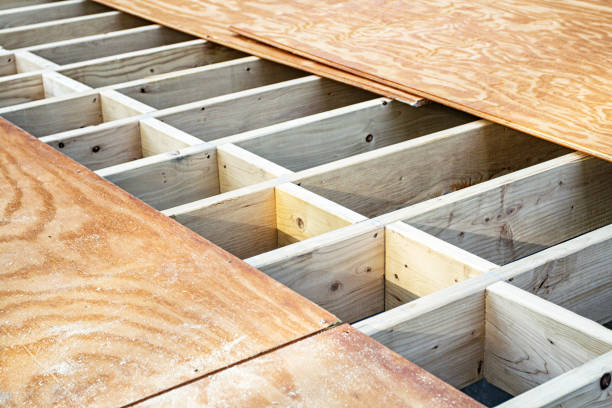
Is mold on plywood dangerous? Yes. Mold on plywood is a serious issue that can lead to structural damage, poor indoor air quality, and long-term health risks. In Santa Rosa Beach, where humidity and crawl space construction are common, plywood subfloors are especially vulnerable.
If left untreated, mold on plywood can spread quickly, weaken your home’s structure, and expose your family to harmful contaminants.
Is Mold on Plywood Dangerous? The Direct Answer
Is mold on plywood dangerous? Absolutely. Plywood’s layered structure traps moisture, making it an ideal environment for mold growth.
According to the Environmental Protection Agency, mold can begin growing within 24 to 48 hours of moisture exposure. The Centers for Disease Control and Prevention warns that mold exposure can lead to respiratory issues, allergic reactions, and worsening of asthma.
Because plywood is porous and layered, mold growth is often deeper and more difficult to remove compared to surface materials.
Why Plywood Is Highly Vulnerable in Santa Rosa Beach
Homes in Santa Rosa Beach face unique conditions that make plywood mold more likely:
- High humidity levels year-round
- Crawl spaces beneath homes
- Coastal salt air increasing moisture retention
- Storm-driven water intrusion
The Institute of Inspection Cleaning and Restoration Certification identifies subflooring materials like plywood as high-risk zones for hidden mold contamination due to trapped moisture.
7 Hidden Subflooring Threats Every Homeowner Must Know
1. Structural Weakening of Your Home
Mold breaks down the organic components of plywood. Over time, this leads to:
- Warping and soft spots
- Reduced load-bearing strength
- Potential floor collapse in severe cases
This is one of the most dangerous outcomes when asking is mold on plywood dangerous.
2. Hidden Moisture Retention
Plywood layers absorb and hold water, creating ongoing moisture problems.
Even after surface drying:
- Moisture remains trapped inside layers
- Mold continues growing unseen
- Damage spreads beneath flooring
3. Rapid Mold Spread
Mold on plywood spreads faster than on non-porous materials.
Within days:
- Spores multiply and spread to nearby materials
- Air quality declines
- Contamination reaches insulation and framing
4. Mycotoxin Exposure Risks
Certain mold types release toxic compounds known as mycotoxins.
Exposure may cause:
- Headaches
- Fatigue
- Respiratory irritation
In enclosed spaces like crawl spaces, these toxins can circulate throughout the home.
5. Respiratory Health Issues
The CDC confirms mold exposure can trigger:
- Asthma attacks
- Chronic coughing
- Sinus irritation
For families in Santa Rosa Beach, especially those searching for black mold in Santa Rosa Beach, this risk is significant.
6. Increased Remediation Costs
Ignoring mold on plywood leads to higher repair costs over time.
Typical costs:
- Minor remediation: $3,000 to $8,000
- Subfloor replacement: $10,000 to $30,000
- Full crawl space restoration: $25,000 to $60,000
Early action saves thousands.
7. Reduced Property Value
Homes with subflooring issues often face:
- Lower resale value
- Failed inspections
- Buyer hesitation
Mold on plywood is a red flag during real estate transactions.
Real Santa Rosa Beach Example
A homeowner in the 30A corridor noticed a slight musty odor but delayed inspection. Months later, widespread mold was discovered beneath hardwood floors.
The result:
- $42,000 in remediation and repairs
- Temporary relocation
- Extensive subfloor replacement
This situation highlights why is mold on plywood dangerous is not just theoretical, it has real financial consequences.
Warning Signs of Mold on Plywood
Watch for these indicators:
- Musty odors in your home
- Soft or uneven flooring
- Increased allergy symptoms
- Visible discoloration near baseboards
- High indoor humidity
If you notice these signs, immediate inspection is critical.
Prevention Tips for Santa Rosa Beach Homes
To reduce risk:
- Keep humidity below 50%
- Inspect crawl spaces regularly
- Address leaks immediately
- Ensure proper ventilation
- Install vapor barriers if needed
Proactive maintenance is the best defense against subflooring problems in 30A homes.
Why Professional Remediation Matters
DIY solutions are not effective for plywood mold.
Professional services include:
- Moisture detection and mapping
- Safe mold removal
- Structural drying
- Prevention strategies
Proper remediation ensures mold does not return.
Call PuroClean of Santa Rosa Beach Today
If you suspect mold on plywood, do not wait.
PuroClean of Santa Rosa Beach provides:
- 24/7 emergency response
- Advanced moisture detection
- Complete mold remediation
Call (850) 399-3380 now to schedule an inspection and protect your home.
FAQs
Is mold on plywood dangerous?
Yes. It can cause structural damage, health issues, and costly repairs if left untreated.
Can mold on plywood spread?
Yes. Mold spreads quickly through porous materials and can affect surrounding structures.
How fast does mold grow on plywood?
Mold can begin growing within 24 to 48 hours after moisture exposure.
Can plywood be saved after mold?
In some cases, but heavily contaminated plywood often requires replacement.
Is black mold common on plywood?
Yes, especially in humid environments like Santa Rosa Beach crawl spaces.
How do I prevent mold on subfloors?
Control moisture, improve ventilation, and address water damage immediately.
Final Thoughts
So, is mold on plywood dangerous? Without question. It threatens your home’s structure, your indoor air quality, and your financial investment.
In Santa Rosa Beach, where moisture levels remain high, early detection and professional remediation are essential.
Call PuroClean of Santa Rosa Beach at (850) 399-3380 today for expert help and peace of mind.
Available 24/7/365 | Contact Us Online | Google Business Profile | IICRC Certified | Insurance Preferred | Complete Mold Remediation Solutions