 PuroClean of Santa Rosa Beach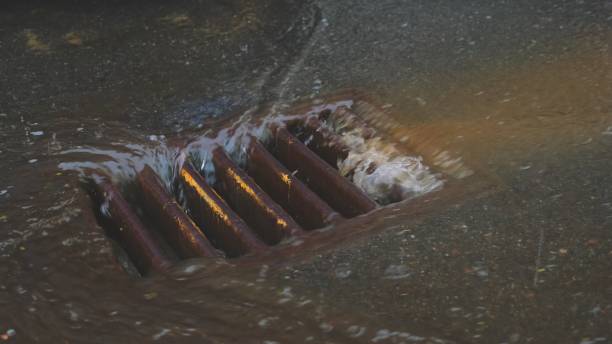
Table of Contents
The rain has been coming down for hours. December’s relentless downpour, over 4 inches this month alone, has overwhelmed Santa Rosa Beach’s drainage systems. You’re monitoring your property when you hear that ominous gurgling sound from the bathroom. Then you see it: dark, foul-smelling water backing up through your toilet and pooling across your bathroom floor.
This is sewage backup during rainy season, and you’re now facing one of the most dangerous biohazard emergencies a property owner can encounter. That contaminated water spreading across your floor contains bacteria, viruses, parasites, and toxic substances that can cause serious illness or death.
Santa Rosa County officials have specifically warned residents about this threat. Heavy rainfall overwhelms sewer systems and septic tanks, forcing raw sewage containing fecal material back into homes. With winter bringing 6-7 rainy days per month and December receiving the highest rainfall of the season, understanding sewage backup during rainy season isn’t just helpful, it could save your family’s life.
Why Sewage Backup During Rainy Season Happens in Santa Rosa Beach
Santa Rosa Beach faces unique vulnerabilities during winter rainy season. Our coastal location, aging infrastructure, and widespread septic system use create a perfect storm for sewage emergencies.
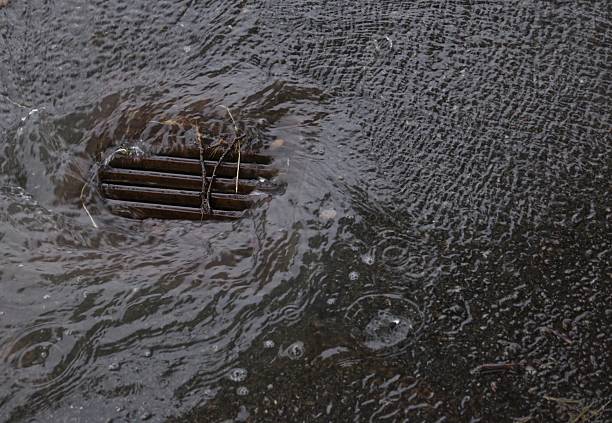
When December rains dump over 4 inches of precipitation, storm and sewer mains become overwhelmed. Municipal systems can’t handle the volume, causing backups into homes. Septic systems face even greater risks, saturated drain fields can’t absorb additional wastewater, forcing sewage to the surface or back into plumbing.
The Environmental Protection Agency warns that improperly maintained septic systems in flood-prone areas pose significant contamination risks. During heavy rainfall, groundwater tables rise, septic tanks overflow, and untreated sewage escapes into the environment, and potentially into your home.
Tree roots compound the problem. Florida’s lush vegetation means roots constantly seek moisture, infiltrating sewer lines and creating blockages. When rainy season brings additional water pressure, these compromised lines fail catastrophically.
The 6 Deadly Health Threats from Sewage Backup During Rainy Season
Understanding what makes sewage backup during rainy season so dangerous requires knowing exactly what’s in that water backing up into your home.
Threat #1: E. Coli and Gastrointestinal Destruction
Sewage water contains numerous bacteria, with E. coli among the most prevalent and dangerous. E. coli causes severe diarrhea, pneumonia, and kidney failure. In vulnerable populations—children, elderly individuals, and those with compromised immune systems—E. coli infection can be fatal.
The bacteria contaminate everything they touch. Carpets, furniture, personal belongings, and food preparation surfaces become vectors for transmission. Even after visible sewage is removed, bacteria persist in porous materials, creating ongoing infection risks.
Threat #2: Salmonella and Life-Threatening Infections
Salmonella thrives in sewage and causes salmonellosis, a bacterial disease affecting the intestinal tract. Symptoms include fever, diarrhea, and abdominal cramps developing 12-72 hours after exposure.
Left untreated, salmonella infects the bloodstream and can cause death. This bacteria is shed in human and animal feces, making sewage backup during rainy season particularly hazardous when overflow combines residential waste with contaminated stormwater.
Threat #3: Hepatitis A and Viral Contamination
Sewage contains viruses including Hepatitis A and Norovirus that spread rapidly through contaminated surfaces. Hepatitis A causes liver inflammation potentially leading to liver failure. The virus survives on surfaces for months, meaning contamination persists long after initial exposure.
Exposure to sewage dramatically increases viral hepatitis infection risk. This life-threatening disease requires immediate medical intervention and can cause permanent organ damage.
Threat #4: Toxic Gases That Kill Silently
Sewage doesn’t just threaten through direct contact. It releases toxic gases including methane, ammonia, and hydrogen sulfide that create immediate danger.
Methane displaces oxygen, causing dizziness, unconsciousness, and death in confined spaces. Ammonia irritates throats and lungs, triggering breathing difficulties. Hydrogen sulfide is highly toxic, causing headaches, nausea, and permanent lung damage.
These gases accumulate in enclosed areas, making basements, bathrooms, and crawl spaces death traps during sewage backup during rainy season. If you smell sewage in your home, evacuate immediately.
Threat #5: Parasites and Chronic Infections
Raw sewage contains parasitic organisms including Giardia, Cryptosporidium, and Acanthamoeba. These parasites cause severe infections, with symptoms ranging from chronic diarrhea to brain infections.
Acanthamoeba, though microscopic, causes severe infections affecting the brain, eyes, and skin. Leptospirosis bacteria from sewage causes high fever, kidney damage, meningitis, liver failure, and respiratory distress. Without treatment, leptospirosis can be fatal.
Threat #6: Secondary Mold Growth and Respiratory Damage
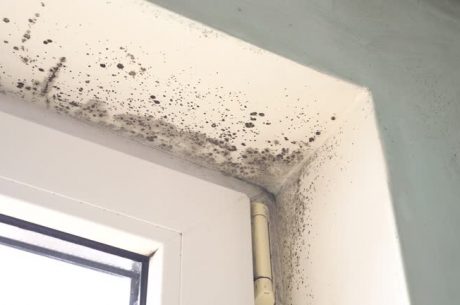
Sewage backup during rainy season creates perfect conditions for toxic mold growth. Within 24-48 hours, mold colonizes contaminated materials, releasing spores that cause respiratory infections, allergic reactions, and asthma attacks.
The combination of sewage bacteria and mold spores creates compounded health risks. Respiratory problems intensify, affecting even healthy individuals. Children and elderly family members face extreme vulnerability.
Warning Signs of Sewage Backup During Rainy Season
Early detection provides crucial response time. Watch for these indicators during heavy rainfall:
Gurgling sounds from drains or toilets signal system overload and impending backup. Multiple drains backing up simultaneously indicates main sewer line problems rather than isolated clogs. Sewage odors from drains, even without visible backup, warn of contamination in your system.
Water pooling around toilets or in basements after heavy rain suggests septic system failure or sewer backup. Slow draining throughout your home indicates blockages that will worsen during continued rainfall.
Soggy areas in your yard near septic drain fields show system saturation and imminent failure during sewage backup during rainy season conditions.
Immediate Actions When Sewage Backup During Rainy Season Strikes
Your response in the first minutes determines health outcomes and property damage extent. Follow these critical steps:
Evacuate immediately. Sewage contains bacteria, viruses, and toxic gases causing illness through contact, inhalation, or ingestion. Remove all family members and pets from affected areas.
Turn off electricity to contaminated areas at your circuit breaker. Never enter standing water while power remains on—electrocution risk is real and deadly.
Do not attempt cleanup yourself. Sewage cleanup requires specialized equipment, protective gear, and training. DIY efforts expose you to concentrated pathogens while spreading contamination.
Call professional biohazard restoration services. Companies certified by the Institute of Inspection, Cleaning and Restoration Certification (IICRC) follow strict protocols ensuring safe, complete remediation.
Document everything for insurance claims before professionals arrive. Photograph damage from doorways without entering contaminated areas.
Contact your local health department if sewage backup during rainy season affects drinking water wells or continues flowing into your property.
Why DIY Sewage Cleanup Fails Catastrophically
Many property owners attempt cleaning sewage backup themselves, believing they’re saving money. This decision typically makes situations exponentially worse while creating serious health risks.
Household cleaning products, even bleach, cannot eliminate sewage contamination. Bleach kills surface bacteria but doesn’t penetrate porous materials where pathogens embed. Contamination remains deep in carpets, drywall, subflooring, and insulation.
Disturbing sewage without proper containment spreads contamination throughout your home. Every step, every moved item, every surface touched becomes contaminated. HVAC systems draw contaminated air into ductwork, distributing pathogens to every room.
Professional restoration companies use industrial extractors removing thousands of gallons of contaminated water, hospital-grade disinfectants that actually eliminate pathogens, HEPA filtration preventing airborne contamination spread, and proper disposal of unsalvageable materials following biohazard protocols.
Attempting DIY cleanup after sewage backup during rainy season exposes you to concentrated pathogens while leaving your home contaminated and unsafe.
Santa Rosa Beach’s Unique Rainy Season Vulnerabilities
Our Gulf Coast location creates specific challenges during winter rainy season. December brings peak rainfall—4.17 inches on average—with humidity reaching 77%. These conditions persist through February, with 6-7 rainy days monthly.
Hurricane season officially ends November 30th, but winter storms continue bringing heavy rainfall events. Storm surge, king tides, and prolonged precipitation saturate ground conditions, overwhelming drainage systems and septic infrastructure.
Many Santa Rosa Beach homes use septic systems rather than municipal sewers. Septic systems require proper maintenance and struggle during extended wet periods. Saturated drain fields cannot process wastewater, causing backups into homes.
Older infrastructure throughout the county faces increasing strain. Aging sewer lines develop cracks and blockages, failing catastrophically during heavy rainfall when sewage backup during rainy season pressures systems beyond capacity.
Professional Biohazard Restoration: What Actually Happens
When certified professionals respond to sewage backup during rainy season, comprehensive protocols protect occupants and property.
Emergency Assessment: Technicians determine contamination extent, identify affected materials, and develop remediation plans. Thermal imaging reveals hidden moisture in walls and subflooring.
Complete Containment: Physical barriers and negative air pressure prevent spreading contamination to unaffected areas. HEPA filtration systems capture airborne pathogens.
Industrial Extraction: Truck-mounted extractors remove thousands of gallons of contaminated water from floors, carpets, and structural materials.
Selective Demolition: Porous materials that cannot be adequately disinfected—drywall, insulation, carpeting—are removed and disposed of following biohazard protocols.
Hospital-Grade Disinfection: Salvageable surfaces receive multiple applications of EPA-registered antimicrobial treatments eliminating bacteria, viruses, and parasites.
Structural Drying: Industrial dehumidifiers and air movers run continuously for days, reducing moisture levels preventing mold growth.
Verification Testing: Air quality testing and moisture readings confirm safe conditions before occupancy.
Long-Term Health Consequences Property Owners Ignore
Many people underestimate lasting impacts from sewage backup during rainy season exposure. Immediate illness is obvious, but chronic health problems emerge months later.
Persistent gastrointestinal issues including irritable bowel syndrome develop from bacterial infections. Chronic respiratory problems result from mold exposure in incompletely remediated properties. Skin conditions from parasitic infections require long-term medical treatment.
Children exposed to sewage contaminants may develop asthma or allergic sensitization affecting them throughout life. Elderly family members can experience severe complications from infections their immune systems cannot adequately fight.
The psychological toll matters too. Families living in homes with inadequate sewage cleanup experience anxiety, stress, and constant worry about health impacts. This ongoing burden affects quality of life and family wellbeing.
Frequently Asked Questions
How quickly does sewage backup during rainy season become dangerous?
Sewage is immediately dangerous upon contact. Bacteria, viruses, and toxic gases pose instant health threats through skin contact, inhalation, or ingestion. Even brief exposure without protective equipment can cause serious illness. Professional response should occur within hours, not days.
Can I clean up small sewage backups myself?
No. All sewage contamination requires professional remediation regardless of volume. Even small amounts contain concentrated pathogens and spread easily through porous materials. DIY cleanup exposes you to health risks while leaving contamination behind. Insurance coverage often requires professional documentation.
How much does professional sewage backup cleanup cost?
Costs typically range from $3,000-$10,000 depending on contamination extent, affected area size, and required demolition. However, this represents a fraction of medical bills from sewage-related illness, ongoing mold remediation costs, or structural damage from delayed response. Most insurance policies cover sewage backup when addressed promptly.
Will my homeowners insurance cover sewage backup during rainy season?
Standard homeowners policies often exclude sewer backup unless you’ve purchased additional coverage. Flood insurance through FEMA typically doesn’t cover sewage backup from overwhelmed systems. Review your policy immediately and consider adding sewer backup coverage—it’s inexpensive compared to out-of-pocket cleanup costs.
How long does professional sewage remediation take?
Timeline depends on damage extent. Emergency extraction and initial disinfection occur within 24 hours. Complete drying takes 3-7 days with industrial equipment running continuously. Reconstruction of demolished materials adds additional time. Most properties are safe for occupancy within 1-2 weeks.
What prevents sewage backup during rainy season in the future?
Regular septic system maintenance, installing backwater valves preventing reverse flow, clearing sewer line blockages proactively, ensuring proper drainage around your property, and upgrading aging plumbing infrastructure all reduce risk. However, during extreme rainfall events overwhelming municipal systems, even maintained properties can experience backup.
Protecting Your Family From Rainy Season Biohazard Threats
Sewage backup during rainy season represents one of the most serious emergencies Santa Rosa Beach property owners face. The combination of dangerous pathogens, toxic gases, and long-term health consequences makes immediate professional response non-negotiable.
Your family’s health and your property’s value depend on proper biohazard remediation following strict safety protocols. This isn’t a challenge you should face with inadequate equipment and incomplete training.
Emergency Biohazard Cleanup for Santa Rosa Beach Properties
When sewage backup during rainy season strikes your Santa Rosa Beach home, immediate professional response prevents health crises and catastrophic property damage.
PuroClean of Santa Rosa Beach specializes in biohazard remediation protecting Gulf Coast families from sewage contamination dangers. Our IICRC-certified technicians understand exactly why sewage backup during rainy season requires urgent, expert intervention.
We’ve responded to hundreds of sewage emergencies throughout Santa Rosa Beach, and we know the unique challenges winter rainy season creates for coastal properties.
Why Families Trust PuroClean for Biohazard Emergencies:
24/7 Emergency Response: Sewage backup is a true emergency requiring immediate professional intervention. We respond day or night, typically arriving within 60 minutes of your call.
Complete Biohazard Protocols: Our technicians wear appropriate protective equipment and follow strict IICRC standards for sewage remediation, ensuring your family’s safety throughout the process.
Industrial Extraction Equipment: Truck-mounted extractors remove thousands of gallons of contaminated water that household equipment cannot touch.
Hospital-Grade Disinfection: EPA-registered antimicrobial treatments eliminate bacteria, viruses, and parasites from all salvageable surfaces.
Comprehensive Air Quality Protection: HEPA filtration and negative air pressure prevent spreading contamination while capturing airborne pathogens.
Complete Documentation: Detailed reports support insurance claims while verifying proper remediation following industry standards.
Health-Focused Restoration: We prioritize occupant safety above all else, removing unsalvageable materials completely and treating your home as if our own families would live there.
Don’t risk your family’s health attempting DIY cleanup or delaying professional response. Sewage backup during rainy season requires immediate expert intervention.
📞 Call PuroClean of Santa Rosa Beach Emergency Line: (850) 399-3380
🌐 Visit: www.puroclean.com/santa-rosa-beach-al
When sewage backup during rainy season threatens your Santa Rosa Beach property, you need professionals who understand the deadly serious nature of biohazard contamination and respond with the urgency your family’s health demands.
Our team is standing by with the equipment, training, and experience to protect your family from sewage contamination dangers. Call immediately for emergency biohazard response that eliminates threats completely and restores your home to safe conditions.
Available 24/7/365 | Contact Us Online | Google Business Profile | IICRC Certified | Insurance Preferred | Complete Water Damage Remediation Solutions
 PuroClean of Santa Rosa Beach