 PuroClean of Santa Rosa Beach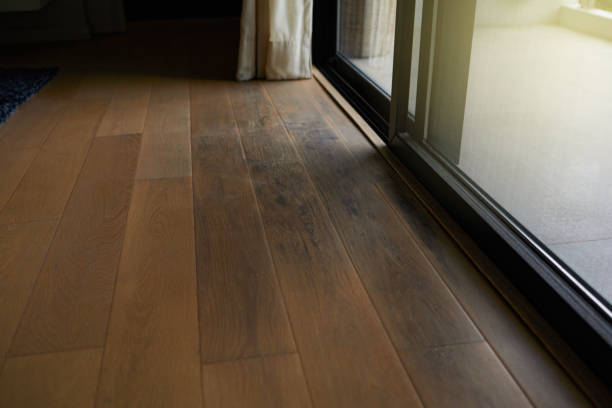
Table of Contents
Living near the beach has its perks—sun, breeze, and a laid-back lifestyle. But for homeowners in Santa Rosa Beach, it also means dealing with high humidity and moisture. And where there’s moisture, mold isn’t far behind. One of the most overlooked problem areas? Right under your feet.
This post uncovers the most common signs of mold under hardwood floors, explains why Santa Rosa Beach homes are especially vulnerable, and offers solutions to stop mold before it spreads.
Why Santa Rosa Beach Homes Are at Higher Risk for Mold
Santa Rosa Beach’s coastal climate brings frequent humidity, occasional flooding, and tropical storms. While the scenery is beautiful, the moisture-rich environment can seep into even well-maintained homes—especially through hardwood floors.
Common causes of hidden floor mold in the area include:
- Humid indoor air
- Storm surge flooding
- Leaky HVAC systems
- Spills left untreated
- Subfloor moisture from crawlspaces
These conditions create the perfect habitat for mold colonies to thrive underneath hardwood floors—where you may not notice until it’s too late.
1. Persistent Musty Smell Indoors
The first and most obvious sign of mold under hardwood floors is a lingering musty odor. If you’ve mopped, cleaned, and opened windows but the smell returns—especially after a humid day—it’s likely mold is brewing beneath your floorboards.
Even small colonies produce powerful off-gassing that creates a damp, earthy smell.
2. Warping or Buckling Floorboards
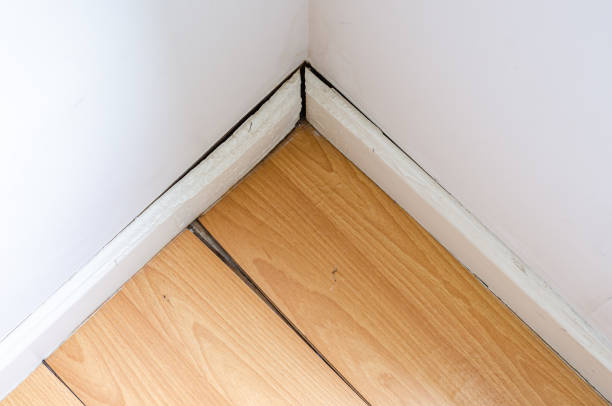
Moisture trapped under hardwood causes the boards to swell, shift, and warp. When combined with mold growth, this can worsen quickly. If your floorboards appear cupped, wavy, or uneven, it could be mold weakening the wood fibers from below.
In Santa Rosa Beach, where humidity often exceeds 75%, even seasonal fluctuations can accelerate this process.
3. Discoloration or Staining
Some molds push up through the hardwood or finish, creating:
- Dark spots
- Irregular stains
- Greenish-black patches
- Cloudy floor finishes
While stains might seem minor at first, they are often visual proof of deeper contamination. When you notice discolored planks that weren’t there before, check underneath—or call a professional.
4. Spongy or Soft Spots When Walking
Floors should feel firm underfoot. If you step on a spot that feels soft, springy, or unstable, moisture and mold might be decaying the subfloor.
This is one of the most serious signs of mold under hardwood floors, because it means structural elements might already be compromised.
5. Allergy-Like Symptoms at Home
Do you or your family members experience:
- Chronic sneezing
- Sinus headaches
- Coughing or itchy eyes
- Worsening asthma indoors?
Mold spores circulating from under your floorboards could be the cause. Even non-toxic mold strains can affect sensitive individuals. If symptoms improve when you leave home, indoor mold is a likely culprit.
6. White Residue or Powder on the Surface
Sometimes, high moisture beneath the floorboards causes a white, chalky residue—known as efflorescence—to form. It’s often mistaken for dust, but it signals underlying moisture issues that may support mold growth.
This is common in Santa Rosa Beach homes with slab foundations or crawlspaces that aren’t well sealed.
7. Recent Water Damage or Flooding
If your home recently had:
- A leak
- Plumbing issue
- AC or HVAC malfunction
- Flooding from storms
…then mold under your hardwood floors is a real risk. According to the EPA, mold begins growing within 24–48 hours of moisture exposure. That’s why fast response is critical in coastal areas like Santa Rosa Beach.
What to Do if You Suspect Mold Under Your Hardwood Floors
As soon as you notice any signs of mold under hardwood floors, act quickly.
Here’s what you should do:
- Stop the source of moisture – Fix leaks, improve ventilation, or install dehumidifiers.
- Don’t pull up floors yourself – Disturbing mold can spread spores throughout your home.
- Call a certified restoration expert – Professionals can identify the extent and safely remove the mold.
Why DIY Solutions Aren’t Enough
While bleach and vinegar might clean surfaces, they don’t reach mold embedded in subfloors or beneath planks. In fact, DIY attempts often drive mold deeper or make the situation worse.
Proper mold remediation requires:
- Containment to prevent spread
- HEPA vacuuming
- Dehumidification and drying
- Safe removal of affected materials
Trust PuroClean of Santa Rosa Beach for Mold & Water Damage Restoration
At PuroClean of Santa Rosa Beach, we understand how quickly mold can take hold in a coastal climate. That’s why we offer 24/7 emergency response for water damage and mold concerns in the Florida Panhandle.
Here’s what you get when you call us:
- IICRC-certified technicians
- Moisture detection tools to locate hidden mold
- Safe and thorough mold remediation
- Subfloor drying and floor restoration
- Direct insurance billing
From Miramar Beach to Grayton and Santa Rosa Beach, we help protect homes from mold and water damage every day.
📞 Call (850) 399-3380 now or visit our mold removal service page to schedule an inspection.
FAQs: Signs of Mold Under Hardwood Floors
❓Can mold grow under sealed hardwood floors?
Yes. Even sealed floors can trap moisture beneath them. Mold can thrive underneath where air doesn’t circulate.
❓Is it safe to live in a house with mold under the floors?
Prolonged exposure can lead to respiratory issues and health concerns. Professional removal is strongly recommended.
❓How do I know for sure there’s mold under my floors?
Professional moisture mapping, thermal imaging, or a surface test can confirm hidden mold. PuroClean of Santa Rosa Beach offers these services.
❓Will homeowners insurance cover mold removal?
If caused by a sudden event (like a burst pipe or storm damage), many policies will cover it. Gradual leaks may not be covered. We help homeowners navigate claims.
❓How fast can mold grow after a flood or leak?
Mold can begin growing in as little as 24 hours in high-humidity environments like Santa Rosa Beach.
Final Thoughts
If you’ve noticed any of these signs of mold under hardwood floors, don’t wait. Coastal homes in Santa Rosa Beach are especially prone to hidden moisture problems, and acting early can save you thousands in repairs—and protect your health.
Call PuroClean of Santa Rosa Beach at (850) 399-3380 or visit
the website to request an expert mold inspection today.


 PuroClean of Santa Rosa Beach