 PuroClean of Santa Rosa Beach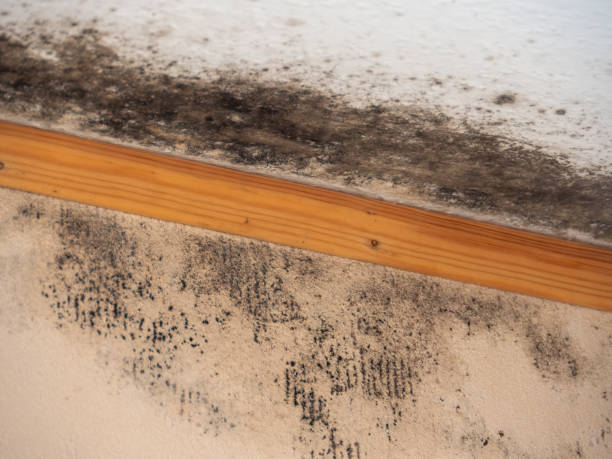
Table of Contents
When Jennifer noticed a faint musty smell in her Santa Rosa Beach master bedroom last fall, she did what most homeowners do, she ignored it. Three months later, when her hardwood floors started feeling slightly soft underfoot, she called for an assessment. What we discovered was devastating: the signs of mold under hardwood floors she’d dismissed had progressed to the point where complete floor removal was the only safe option. Total cost: $32,000.
Her neighbor Michael, by contrast, noticed similar early signs of mold under hardwood floors and called immediately. Professional inspection revealed surface-level contamination that responded to treatment without floor removal. His cost: $4,800.
The difference between these outcomes wasn’t luck, it was understanding which signs of mold under hardwood floors indicate “let’s inspect this carefully” versus “we need to remove everything now.” After two decades helping Gulf Coast homeowners navigate these decisions, I’ve learned that recognizing this distinction can literally save tens of thousands of dollars while protecting your family’s health.
Today, I’m sharing the decision framework that helps homeowners understand what different signs of mold under hardwood floors actually mean and when immediate action becomes non-negotiable.
Understanding What Signs of Mold Under Hardwood Floors Actually Tell You
Not all mold indicators mean the same thing. Different signs of mold under hardwood floors reveal specific information about contamination extent, severity, and necessary response.
Surface vs. Structural Indicators Some signs of mold under hardwood floors indicate surface contamination that may respond to treatment, while others reveal deep structural penetration requiring complete material removal.
Progressive vs. Stable Conditions Certain signs of mold under hardwood floors indicate active, worsening contamination, while others suggest stable conditions that may have existed for extended periods without significant progression.
Health Risk Levels Various signs of mold under hardwood floors correlate with different health risk levels. Understanding these correlations helps prioritize response urgency and appropriate remediation scope.
The Environmental Protection Agency (EPA) emphasizes that visible mold growth larger than 10 square feet typically requires professional remediation, but hidden contamination beneath floors often exceeds this threshold before any signs become apparent.
Early Signs of Mold Under Hardwood Floors: Inspection Territory
These indicators suggest professional inspection can determine whether treatment or removal is necessary.
Subtle Musty Odors Faint, intermittent odors that come and go represent early signs of mold under hardwood floors warranting professional inspection. These smells often worsen in humid weather or when floors are covered with rugs.
Minor Surface Discoloration Small dark spots or light shadowing visible between boards or along edges may indicate early signs of mold under hardwood floors. At this stage, inspection can determine if contamination is superficial or has penetrated deeper.
Isolated Soft Spots Single areas where floors feel slightly soft or yielding suggest localized moisture damage. These signs of mold under hardwood floors may indicate repairable problems if caught early.
Recent Water Damage History If you’ve experienced water intrusion within the past 3-6 months and notice any changes, these potential signs of mold under hardwood floors warrant immediate inspection before contamination spreads.
Intermediate Signs of Mold Under Hardwood Floors: Professional Assessment Required
These indicators demand professional evaluation to determine the extent of contamination and necessary response.
Persistent Strong Odors Constant, strong musty smells that don’t dissipate represent concerning signs of mold under hardwood floors. This level of odor typically indicates significant contamination requiring professional scope assessment.
Visible Warping or Cupping Boards that show cupping (edges higher than centers) or crowning (centers higher than edges) indicate moisture damage that creates perfect conditions for mold. These signs of mold under hardwood floors require assessment of both surface flooring and subfloor.
Multiple Soft Areas When several floor sections feel soft, spongy, or yield under weight, these signs of mold under hardwood floors typically indicate extensive contamination affecting large areas of subfloor or joists.
Discoloration Spreading Pattern Dark staining or discoloration that appears to spread or expand over weeks represents active signs of mold under hardwood floors with ongoing contamination requiring immediate professional assessment.
Advanced Signs of Mold Under Hardwood Floors: Demolition Likely
These severe indicators usually mean contamination has progressed beyond treatment, requiring complete floor removal.
Structural Instability Floors that feel unstable, bounce significantly, or show obvious structural movement represent critical signs of mold under hardwood floors where fungal growth has compromised structural elements. This severity typically requires complete removal.
Visible Mold Growth on Surface When mold becomes visible on hardwood surfaces or between boards, these obvious signs of mold under hardwood floors usually indicate extensive contamination beneath. Surface growth typically represents only a fraction of total contamination.
Pervasive Overwhelming Odors Odors so strong they’re immediately noticeable upon entering rooms represent severe signs of mold under hardwood floors with extensive colonization that usually requires complete material removal.
Multiple System Involvement When signs of mold under hardwood floors coincide with contamination in walls, HVAC systems, or other building elements, the scope typically necessitates comprehensive remediation including floor removal.
The Professional Inspection Process for Signs of Mold Under Hardwood Floors
Understanding what professional inspection involves helps homeowners make informed decisions when they notice potential signs of mold under hardwood floors.
Moisture Detection Technology Professional-grade moisture meters detect elevated moisture levels in flooring and subflooring that confirm concerns suggested by visible signs of mold under hardwood floors.
Thermal Imaging Assessment Infrared cameras reveal moisture patterns and temperature differentials that help professionals interpret signs of mold under hardwood floors and determine contamination extent.
Exploratory Access Creating small inspection openings allows direct visual assessment of conditions beneath floors. This invasive inspection definitively confirms whether signs of mold under hardwood floors indicate surface or structural problems.
Air Quality Testing Professional air sampling quantifies spore concentrations and identifies species present. Testing results provide objective data about contamination severity when signs of mold under hardwood floors are present.
Cost Implications of Different Signs of Mold Under Hardwood Floors
Understanding financial impacts helps homeowners make informed decisions when they encounter signs of mold under hardwood floors.
Inspection and Treatment Range When early signs of mold under hardwood floors indicate treatable contamination, costs typically range $3,000-$8,000 for professional cleaning, antimicrobial treatment, and moisture control.
Partial Replacement Scenarios Moderate signs of mold under hardwood floors affecting limited areas may allow selective board replacement costing $8,000-$15,000 depending on wood species and square footage.
Complete Floor System Removal Severe signs of mold under hardwood floors requiring total removal and replacement typically cost $15,000-$35,000+ depending on home size, wood quality, and subfloor involvement.
Hidden Cost of Delay Postponing action when signs of mold under hardwood floors appear typically increases costs 200-400% as contamination spreads. Early intervention almost always costs less than delayed response.
Santa Rosa Beach’s Unique Factors Affecting Signs of Mold Under Hardwood Floors
Gulf Coast properties face specific conditions that influence how signs of mold under hardwood floors develop and progress.
Year-Round High Humidity Coastal humidity above 70% means that even minor moisture intrusion creates ideal conditions for rapid mold growth. Signs of mold under hardwood floors develop faster here than in drier climates.
Hurricane Season Water Intrusion Storm-related water damage may not become apparent as signs of mold under hardwood floors until weeks or months after events when contamination has already spread extensively.
Salt Air Acceleration Marine air’s corrosive properties accelerate wood deterioration, making signs of mold under hardwood floors progress more quickly than similar conditions in non-coastal areas.
Vacation Home Monitoring Gaps Properties left unoccupied allow signs of mold under hardwood floors to develop and worsen without detection, often progressing to severe stages before discovery.
Making the Decision: Inspect or Remove
When homeowners face potential signs of mold under hardwood floors, this decision framework helps determine the appropriate response.
The Severity Assessment Evaluate whether signs of mold under hardwood floors fall into early, intermediate, or advanced categories. Early signs warrant inspection, intermediate require professional assessment, advanced typically necessitate removal.
The Progression Check Determine if signs of mold under hardwood floors are stable or worsening. Active progression suggests more aggressive intervention while stable conditions may allow time for thorough inspection.
The Health Priority Consider family member sensitivities and existing health conditions. When vulnerable individuals are present, even moderate signs of mold under hardwood floors may warrant more aggressive response.
The Financial Reality Balance inspection costs against potential removal expenses. Professional inspection typically costs $400-$800 but prevents unnecessary demolition costing tens of thousands.
What Happens During Floor Removal for Signs of Mold Under Hardwood Floors
Understanding the removal process helps homeowners prepare when severe signs of mold under hardwood floors indicate this necessity.
Containment Establishment Professional teams create sealed work areas preventing spore spread during removal. This containment protects unaffected areas when addressing signs of mold under hardwood floors.
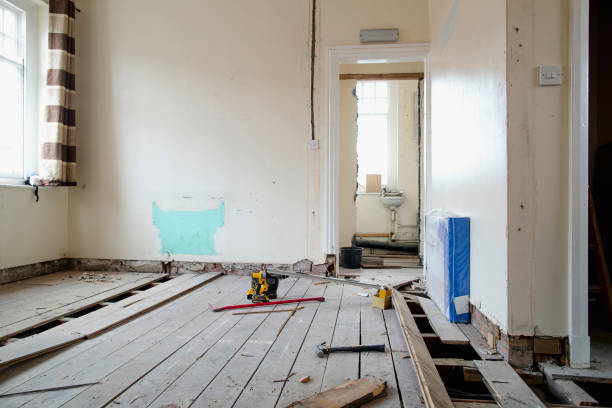
Systematic Material Removal Floors are removed systematically to prevent cross-contamination and allow assessment of underlying structures. This careful approach ensures complete removal when signs of mold under hardwood floors indicate extensive contamination.
Subfloor and Structural Assessment Once surface flooring is removed, professionals assess subflooring, joists, and structural elements for additional contamination. Signs of mold under hardwood floors often extend deeper than initial assessment suggests.
Complete Remediation Protocol All contaminated materials are removed, remaining structures are treated with antimicrobials, and moisture control systems are installed before reconstruction begins.
Prevention After Addressing Signs of Mold Under Hardwood Floors
Whether inspection or removal is chosen, preventing recurrence protects your investment and prevents future signs of mold under hardwood floors.
Moisture Control Systems Installing dehumidifiers and improving ventilation maintains conditions that prevent mold growth and eliminate future signs of mold under hardwood floors.
Vapor Barrier Installation Proper moisture barriers beneath new flooring prevent ground moisture from creating conditions that lead to signs of mold under hardwood floors.
Regular Monitoring Scheduling periodic moisture assessments identifies problems before they develop into visible signs of mold under hardwood floors requiring extensive intervention.
Immediate Water Damage Response Addressing any water intrusion within 24-48 hours prevents the moisture conditions that cause signs of mold under hardwood floors to develop.
Insurance Considerations for Signs of Mold Under Hardwood Floors
Understanding coverage implications helps homeowners navigate financial aspects when signs of mold under hardwood floors appear.
Sudden vs. Gradual Damage Insurance typically covers mold from sudden water damage but may exclude gradual moisture buildup. How signs of mold under hardwood floors developed affects coverage determinations.
Timely Response Requirements Policies often require prompt action when problems are discovered. Delaying response after noticing signs of mold under hardwood floors can impact coverage.
Professional Documentation Insurance companies prefer detailed professional assessment and remediation documentation. Professional handling of signs of mold under hardwood floors typically improves claim outcomes.
Coverage Limitations Many policies limit mold coverage to $5,000-$25,000. Understanding limits helps homeowners prepare financially when signs of mold under hardwood floors indicate extensive remediation needs.
The Time Factor: How Quickly Signs of Mold Under Hardwood Floors Progress
Understanding progression timelines helps homeowners recognize urgency when they notice potential signs of mold under hardwood floors.
Initial Development (24-48 Hours) Mold can begin growing within 24-48 hours of moisture exposure, though signs of mold under hardwood floors may not be apparent this quickly.
Visible Progression (Weeks 2-4) Surface indicators that represent early signs of mold under hardwood floors typically become noticeable 2-4 weeks after mold establishment.
Structural Impact (Months 2-6) Intermediate signs of mold under hardwood floors indicating structural involvement usually develop 2-6 months after initial contamination begins.
Critical Stage (6+ Months) Advanced signs of mold under hardwood floors requiring complete removal typically represent contamination that’s been developing for 6+ months unchecked.
Frequently Asked Questions
Q: Can I determine if signs of mold under hardwood floors require removal without professional inspection? A: While homeowners can recognize warning signs, only professional inspection with moisture detection and exploratory access definitively determines whether removal is necessary.
Q: How accurate is smell alone as one of the signs of mold under hardwood floors? A: Odor is a reliable indicator that mold is present, but smell alone can’t determine extent or severity. Professional assessment is necessary to determine appropriate response to this and other signs of mold under hardwood floors.
Q: Will homeowner’s insurance cover floor removal for signs of mold under hardwood floors? A: Coverage depends on the moisture source and policy specifics. Sudden water damage typically triggers coverage, while gradual conditions may be excluded. Professional documentation improves claim outcomes.
Q: How long can I wait after noticing signs of mold under hardwood floors? A: Immediate professional assessment is recommended. Mold spreads exponentially, and costs typically increase 200-400% when response is delayed beyond a few weeks.
Q: Can signs of mold under hardwood floors appear in new homes? A: Yes. Construction moisture, plumbing issues, or HVAC problems can cause mold in homes of any age. New construction doesn’t eliminate risks.
Q: What if I only notice signs of mold under hardwood floors in one room? A: Visible signs in one area often indicate more extensive hidden contamination. Professional assessment determines whether other areas are affected even without obvious signs.
Q: Are certain hardwood floor types more susceptible to showing signs of mold underneath? A: All hardwood floors can harbor mold beneath them, but engineered woods with moisture-sensitive adhesives may show signs of mold under hardwood floors sooner than solid hardwoods.
Trust PuroClean of Santa Rosa Beach for Expert Mold Damage Restoration
When you discover signs of mold under hardwood floors in your Gulf Coast home, you need more than guesswork—you need certified professionals who can definitively determine whether inspection and treatment or complete removal is necessary. At PuroClean of Santa Rosa Beach, our mold remediation specialists have assessed hundreds of hardwood floor mold situations and understand exactly which signs indicate treatable contamination versus those requiring complete floor system removal.
Our comprehensive approach ensures you receive honest assessment rather than automatic recommendations for expensive demolition. We use advanced technology to determine the true extent of contamination, providing you with the information necessary to make informed decisions that protect both your family’s health and your financial investment.
Our Complete Mold Damage Restoration Services:
- Professional assessment of all signs of mold under hardwood floors
- Advanced moisture detection and thermal imaging
- Air quality testing and laboratory analysis
- Honest recommendations: treatment vs. removal
- Complete containment during any remediation work
- HEPA air filtration protecting unaffected areas
- Antimicrobial treatments and moisture control
- Complete floor removal and reconstruction when necessary
- Insurance coordination and documentation support
- Post-remediation verification testing
Why Santa Rosa Beach Homeowners Trust PuroClean:
- IICRC-certified mold remediation specialists
- Extensive experience with coastal Florida’s unique challenges
- Advanced equipment for accurate contamination assessment
- Honest evaluation—we won’t recommend removal when treatment works
- Proven track record with hardwood floor mold situations
- Direct insurance billing and preferred vendor relationships
- Understanding of Gulf Coast construction and climate factors
- Compassionate service during stressful situations
- Serving Santa Rosa Beach, Destin, Fort Walton Beach, and the entire Emerald Coast
Don’t let uncertainty about signs of mold under hardwood floors lead to either unnecessary demolition or dangerous delay. Our professional assessment provides definitive answers about contamination extent and necessary response, ensuring you receive appropriate remediation that protects your family without unnecessary expense.
When you notice potential signs of mold under hardwood floors, immediate professional assessment determines the most appropriate and cost-effective response while protecting your family’s health and your property’s value.
Call PuroClean of Santa Rosa Beach at (850) 399-3380 for professional mold assessment and remediation services.
Available 24/7/365 | IICRC Certified | (850) 399-3380 | Contact Us Online | Available 24/7 | Google Business Profile



 PuroClean of Santa Rosa Beach