 PuroClean of Santa Rosa Beach
Table of Contents
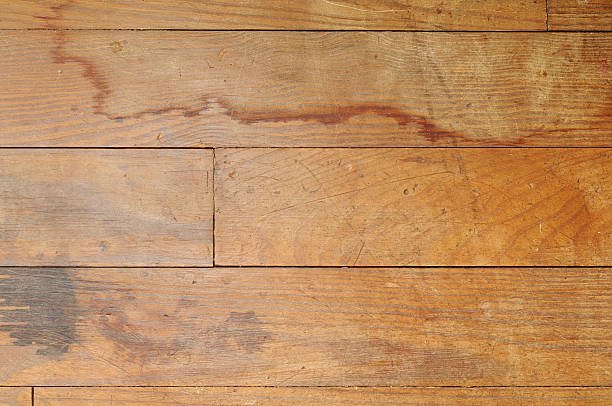
When homeowners ask, “what does mold on hardwood floors look like?”, it’s usually after noticing strange spots, discoloration, or musty odors in their home. Mold is sneaky—it doesn’t always show up as the classic fuzzy green or black growth we expect. On hardwood floors, it can look like staining, warping, or even soft spots that you might mistake for water damage.
Left unchecked, mold on hardwood floors can cause serious property damage and health risks. In this guide, we’ll cover 7 warning signs of mold, why it develops, what you can do about it, and when it’s time to call in professionals like PuroClean of Santa Rosa Beach.
1. Discoloration and Dark Stains
One of the first answers to what does mold on hardwood floors look like is unexplained discoloration. Mold often appears as black, green, or even white patches, but on hardwood, it may also cause gray or darkened spots that blend with the wood grain.
These stains don’t wipe away like dirt—they continue to spread and deepen. If you’ve noticed dark areas on your wood floors that weren’t there before, it could be mold growth beneath the surface.
2. Musty, Damp Odor
Sometimes you’ll smell it before you see it. That classic “old basement” smell? That’s often mold. If your home has a persistent musty odor—especially after a storm or water leak—it’s worth asking: what does mold on hardwood floors look like in this situation?
Even if you don’t see visible growth, mold may be hiding under floorboards, in cracks, or beneath the finish.
3. Warping or Buckling Floorboards
Mold thrives where there’s moisture. Hardwood floors exposed to leaks, humidity, or storm flooding may begin to warp or buckle. While warped wood is often assumed to be just water damage, it’s important to realize that mold can colonize the damp wood underneath.
So when you ask what does mold on hardwood floors look like, the answer isn’t always visual spores—it can be structural changes, too.
4. Soft or Spongy Spots Underfoot
Step on your floor—does it feel uneven or spongy? Mold can weaken hardwood from the inside out. Over time, moisture seeps into the wood fibers, breaking them down. When you walk across an area and it feels soft, that could be mold degradation beneath the surface.
This type of hidden damage is one of the most dangerous because it’s easy to ignore until repairs become costly.
5. White or Fuzzy Growth Between Boards
Sometimes mold appears as white or light-colored fuzz in the seams between planks. Many homeowners mistake this for dust, but when it returns even after cleaning, it’s a clear sign of mold activity.
If you’ve noticed this, it’s a strong answer to what does mold on hardwood floors look like—and it means immediate action is needed.
6. Allergic Reactions Indoors
Not all signs are visible. If your family notices increased allergy symptoms, sneezing, or asthma flare-ups while indoors, mold could be the culprit. Hardwood floors that look clean may still harbor mold beneath their surface.
When mold spores spread into the air, they affect indoor air quality. If symptoms improve when you leave home, consider checking your floors for hidden mold growth.
7. Recent Water Damage or Flooding
If your hardwood floors have been exposed to standing water, the question isn’t if mold will grow but when. According to the EPA, mold can begin developing within 24–48 hours of water damage.
So when clients ask, what does mold on hardwood floors look like after a flood? The answer is: any change in color, odor, or texture is a red flag for hidden mold.

Why Does Mold Develop on Hardwood Floors?
Mold needs three things to grow: moisture, warmth, and organic material. Hardwood provides the perfect food source, and Florida’s humid fall climate adds the moisture mold craves. Common causes include:
- Plumbing leaks
- Roof leaks
- Hurricane or storm flooding
- High indoor humidity
- Poor ventilation
How to Confirm If It’s Mold
Even when you know what does mold on hardwood floors look like, it can still be tricky to confirm without testing. Professional mold inspections use tools like:
- Moisture meters to detect hidden dampness
- Infrared cameras to spot water beneath floors
- Air quality testing to measure spore levels
DIY testing kits exist, but they rarely provide the accuracy needed for safe remediation.
What To Do If You Suspect Mold on Hardwood Floors
If you’ve recognized one or more of the signs above, here’s your action plan:
- Stop the source of moisture – Fix leaks, improve ventilation, and control humidity.
- Avoid disturbing the mold – Scrubbing can release spores into the air.
- Call professionals – Mold remediation requires proper safety gear, containment, and sanitization.
FAQs: What Does Mold on Hardwood Floors Look Like?
Q2: How long does it take for mold to show on hardwood floors?
Mold can appear within 24–48 hours after water damage. It may be visible within days, but hidden mold can develop for weeks before showing.
Q1: Can mold on hardwood floors be cleaned with bleach?
Bleach only kills surface mold—it doesn’t reach deep into wood fibers. Mold will often return if you only use bleach.
Q3: Will sanding remove mold from hardwood floors?
Not completely. Sanding might remove surface discoloration, but spores can remain deep in the wood. Professional remediation is recommended.
Q4: Can mold under hardwood floors spread to walls?
Yes. Mold spores travel through the air and can spread to drywall, baseboards, and furniture.
Q5: How can I prevent mold on hardwood floors in Santa Rosa Beach?
Keep humidity below 50%, use dehumidifiers, clean spills quickly, and schedule regular mold inspections with professionals.
When to Call the Professionals
Even if you know what does mold on hardwood floors look like, removing it safely is another challenge. Mold is not just an aesthetic problem—it can affect your health, reduce your home’s value, and cause permanent structural damage.
That’s where PuroClean of Santa Rosa Beach comes in. Our certified technicians provide:
- Mold inspection & testing
- Safe mold removal with containment to prevent spread
- Water damage cleanup to eliminate the source of moisture
- Restoration services to return your floors and home to pre-loss condition
📞 Call PuroClean of Santa Rosa Beach today at (850) 399-3380 for 24/7 emergency service. Don’t wait for mold to spread—protect your home, your health, and your hardwood floors.
(850) 399-3380 | Contact Us Online | Available 24/7 | Google Business Profile


 PuroClean of Santa Rosa Beach