 PuroClean of Santa Rosa Beach
What Is Soot Damage? The Destruction That Continues After Flames Die
Everyone understands smoke is dangerous. We evacuate quickly and call 911. The immediate danger is obvious.
But what about what remains after fire is extinguished? That black residue coating walls, fine particles on furniture, dust on electronics, what is soot damage, and why do homeowners treat it like a simple cleaning problem?
Here’s the terrifying truth: soot damage is often more destructive and costly than the fire itself.
Fire damage is immediate and visible. Soot damage is insidious, progressive, and expensive—continuing to destroy your home, belongings, and health for months or years if not professionally addressed.
The Thompson family in Inlet Beach learned this after a minor dryer fire. They cleaned visible soot themselves and resumed normal life. Six months later, their teenage son developed severe asthma requiring hospitalization. Insurance denied $18,000 in failed electronics. Black stains continued appearing despite multiple paintings.
Professional assessment revealed extensive soot damage throughout their home, in ductwork, wall cavities, and on every surface. The damage had caused continuous health problems and equipment failures for months while the family remained unaware.
Complete remediation cost: $32,000. All preventable if they’d understood what is soot damage and addressed it immediately.
Understanding What Is Soot Damage: Beyond Surface Discoloration
Most homeowners think soot damage means black stains on walls. The reality is catastrophically more complex.
What is soot damage from a comprehensive perspective? It’s a multi-dimensional property destruction process including:
Corrosive chemical damage—acidic compounds actively eating away at metals, electronics, fixtures, and structural components.
Penetrative contamination—microscopic particles embedding deep into porous materials where surface cleaning cannot reach.
Odor damage—volatile organic compounds permanently saturating materials, creating ineradicable smells that destroy property values.
Health damage—toxic exposure creating respiratory problems, allergic sensitization, and potential long-term cancer risks.
Systemic distribution—HVAC systems spreading damage throughout entire homes regardless of original fire locations.
Progressive deterioration—unlike fire damage that stops when flames are extinguished, soot damage accelerates over time as chemical reactions continue.
According to the National Institute for Occupational Safety and Health, soot damage creates greater long-term occupational health risks for firefighters than acute smoke inhalation, reflecting the serious nature of post-fire soot damage.
Soot Damage Truth #1: Corrosion Destroys Metals Within Hours
What is soot damage doing to metal surfaces in your home? Actively corroding them through acidic chemical reactions.
When soot settles on metal surfaces, sulfur and nitrogen compounds react with atmospheric moisture forming sulfuric and nitric acid. This acidic attack begins within hours and accelerates rapidly.
24-48 hours: Visible discoloration appears on stainless steel appliances, fixtures, and hardware.
3-7 days: Permanent etching and pitting develops that cannot be reversed through cleaning.
2-4 weeks: Structural weakening occurs as corrosion penetrates deeper into metal components.
1-3 months: Complete failure of sensitive components like electronics, HVAC elements, and precision fixtures.
I’ve responded to homes where weekend delays in professional remediation resulted in $8,000-$12,000 in permanently damaged appliances that could have been saved with immediate intervention. What is soot damage costing homeowners who delay? Often tens of thousands in destroyed property that proper timing would have prevented.
Soot Damage Truth #2: Electronics Face Delayed Destruction
One of the most financially devastating aspects of soot damage is delayed electronic failure.
What is soot damage doing to your electronics? Creating time-bomb failures through progressive corrosion.
Mechanism: Microscopic soot particles settle on circuit boards creating conductive bridges between components. Acidic compounds corrode delicate solder joints and connections. Heat from normal device operation accelerates corrosion processes. Internal fans and cooling systems draw contaminated air directly onto sensitive components.
The timeline: Devices often work normally immediately after fires, leading homeowners to believe they’re unaffected. Weeks or months later, progressive corrosion reaches critical failure points. Suddenly, computers won’t boot, TVs display errors, smart home systems malfunction, and appliances fail completely.
Common casualties: Desktop computers and laptops ($800-$2,500 each), smart TVs ($500-$4,000 each), gaming consoles ($300-$600 each), home automation systems ($500-$3,000), kitchen appliances with electronic controls ($400-$2,000 each), garage door openers, security systems, thermostats, and networking equipment.
Total electronic losses from soot damage: typically $5,000-$20,000 even from “minor” fires.
The particularly frustrating aspect: by the time failures manifest, insurance claim periods may have closed, leaving homeowners personally responsible for replacement costs.
Soot Damage Truth #3: HVAC Systems Become Damage Distribution Networks
What is soot damage doing through your HVAC system? Transforming a home comfort system into a property destruction network.
During fires: HVAC returns draw smoke and particles into ductwork, coating interior surfaces with sticky contamination, depositing soot onto coils reducing heat transfer efficiency by 20-40%, settling on blower assemblies affecting mechanical function, and saturating filters which then become secondary contamination sources.
After fires: Every time systems operate, air movement dislodges particles making them airborne again, heat accelerates VOC off-gassing from contaminated components creating toxic air, circulation distributes damage-causing particles to every connected room, and condensation on coils mobilizes water-soluble contaminants that drip into drain pans and potentially into living spaces.
This creates cascading soot damage: original fire affects one room, HVAC operation spreads damage throughout 100% of connected spaces, recontamination occurs continuously despite surface cleaning efforts, and progressive deterioration affects the entire property.
I’ve investigated homes where kitchen fires affected single rooms but HVAC-distributed soot damage contaminated every space in 3,000+ square feet, requiring comprehensive whole-house remediation costing $25,000-$40,000 rather than the $5,000-$8,000 single-room cleanup would have cost with immediate HVAC shutdown and decontamination.
Soot Damage Truth #4: Odor Damage Destroys Property Values Permanently
What is soot damage doing to your home’s market value? Devastating it through persistent odors that buyers immediately detect and reject.
The chemistry: Soot contains hundreds of volatile organic compounds (VOCs) including formaldehyde, benzene, toluene, and xylene. These compounds continuously off-gas from contaminated materials for months or years. The smell isn’t just unpleasant, it’s evidence of ongoing toxic chemical presence.
Why standard approaches fail: Air fresheners mask odors temporarily without addressing sources. Painting over soot traps odors beneath finishes where they eventually bleed through. Opening windows provides temporary relief but contamination remains. Consumer deodorizers add more chemicals without neutralizing existing ones.
Real estate impact: Florida disclosure laws require revealing fire history. Even with disclosure, persistent odors kill sales immediately. Buyers walk into showings, smell smoke, and leave within minutes regardless of price. Properties sit on market 6-18 months. Eventual sales occur at $30,000-$70,000 below market value. Some homes become essentially unsellable without professional remediation.
I’ve seen Santa Rosa Beach homes where homeowners lost more in extended market time, price reductions, and carrying costs than complete professional remediation would have cost initially. What is soot damage worth in lost property value? Often 10-20% of total home value without proper remediation.
Experiencing soot damage in your Santa Rosa Beach home? Don’t let it destroy your property value and health. PuroClean of Santa Rosa Beach provides comprehensive soot damage restoration including complete odor elimination. Call (850) 399-3380 for 24/7 emergency response.
Soot Damage Truth #5: Health Damage Accumulates Over Time
Unlike fire injuries that occur acutely, what is soot damage doing to your health happens gradually through chronic exposure.
Immediate health damage (Hours-Days): Eye and throat irritation, coughing and wheezing, skin rashes from contact, headaches from VOC exposure, nausea in heavily affected areas.
Short-term health damage (Days-Weeks): Persistent respiratory symptoms, asthma or COPD exacerbation, allergic reactions including hives and respiratory distress, chronic fatigue and difficulty concentrating, sleep disruption from odors and irritation.
Long-term health damage (Weeks-Months): Development of new asthma in previously healthy individuals (especially children), chronic sinus infections resistant to treatment, permanent allergic sensitization creating lifelong sensitivities, increased cancer risk from carcinogenic PAH exposure, neurological effects including cognitive difficulties and mood changes, cardiovascular impacts from fine particles entering bloodstream.
Children’s vulnerability: Faster breathing rates mean higher exposure per body weight. More time on floors where heavier particles settle. Hand-to-mouth behavior increases ingestion of contaminated materials. Developing respiratory and immune systems suffer permanent damage more easily than adults.
I’ve worked with families where children developed permanent asthma from living with uncleaned soot damage for months. Medical costs easily exceed $10,000 annually for treatments that wouldn’t have been necessary with immediate professional remediation. What is soot damage costing in long-term health expenses? Potentially hundreds of thousands over lifetimes.
Soot Damage Truth #6: Synthetic Materials Create Unprecedented Toxicity
Modern homes create far worse soot damage than historical structures due to synthetic material prevalence.
1970s homes contained primarily natural materials: solid wood framing and trim, cotton or wool insulation, natural fiber carpeting and furniture, metal and glass fixtures, minimal plastics or synthetics. Fires in these homes produced relatively simple carbon-based soot.
2020s homes contain: synthetic spray foam or fiberglass insulation, PVC and plastic plumbing, vinyl siding and flooring, polyester carpeting, polyurethane foam furniture, particle board and laminated wood products, countless electronic devices, plastic fixtures, fittings, and components throughout.
The result: Modern residential fires produce soot containing complex mixtures of toxic chemicals including dioxins and furans from burning plastics, heavy metals from electronics, brominated compounds from flame retardants, hydrochloric acid from PVC combustion, and hundreds of synthetic chemical byproducts.
According to the National Fire Protection Association, modern residential soot damage is exponentially more toxic than soot from pre-1980s fires. Santa Rosa Beach homes—many built or renovated recently—are filled with these synthetic materials, making even small fires create serious toxic soot damage.
Soot Damage Truth #7: Insurance Disputes Cost Thousands in Uncovered Damage
What is soot damage from an insurance claim perspective? A complex, often-disputed coverage area where homeowners frequently lose thousands in valid claims.
Common insurance tactics: Quick settlement offers for 40-60% of actual damage costs, downplaying contamination extent claiming areas weren’t affected, recommending inadequate DIY cleanup approaches, delaying adjuster inspections while damage worsens then arguing it’s maintenance failure, disputing HVAC contamination necessity, underestimating content losses arguing items can be cleaned when replacement is necessary, and separating odor remediation as unrelated to fire damage.
The result: Homeowners attempting DIY cleanup typically receive $15,000-$25,000 less in claim payments than those using professional restoration companies who properly document and advocate.
Maximizing coverage requires: Complete photographic documentation before any cleanup, professional estimates from certified restoration companies, detailed inventory of all affected items, moisture readings and air quality testing results, written communication documenting all insurer delays and responses, challenging inadequate settlements with professional support, and understanding your policy’s specific coverage limits and exclusions.
Soot Damage Truth #8: DIY Cleanup Makes Damage Worse and More Expensive
Homeowners attempting DIY soot damage cleanup consistently worsen problems and increase eventual costs.
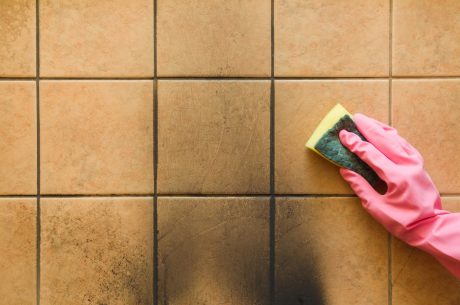
How DIY fails: Using wrong household cleaners sets stains permanently into materials. Improper wiping techniques spread contamination rather than removing it. Operating HVAC before duct cleaning distributes particles throughout homes. Cleaning without respiratory protection creates serious health exposure. Addressing only visible damage while missing hidden contamination. Delaying professional intervention while chemical damage accelerates. Attempting electronics cleaning with moisture causing additional failures. Keeping contaminated items that continuously recontaminate cleaned areas. Premature painting trapping contamination that bleeds through later.
The actual costs: DIY cleaning supplies and equipment: $300-$600. Time investment at 60-80 hours: $1,500-$2,000 opportunity cost. Items destroyed by improper cleaning: $1,000-$3,000. Electronics failures from incomplete remediation: $5,000-$15,000. HVAC efficiency losses: $500-$1,000 annually. Health impacts: $5,000-$20,000+. Property value losses from persistent odors: $20,000-$50,000. Eventual professional remediation needed anyway: $15,000-$35,000.
Total DIY approach cost: $48,000-$126,000 versus immediate professional remediation: $12,000-$30,000
Santa Rosa Beach’s Climate Accelerates Soot Damage
What is soot damage like in Santa Rosa Beach’s coastal environment? Far more rapid and severe than inland locations.
High humidity accelerates acid formation as atmospheric moisture combines with soot compounds forming corrosive acids within hours rather than days. Salt air compounds corrosion, multiplying damage rates on metal surfaces. Year-round warmth maintains constant chemical reaction rates without seasonal slowdowns. HVAC dependency means near-continuous system operation distributing damage relentlessly.
These factors create dramatically compressed timelines. Soot damage taking two weeks to become severe elsewhere manifests in 3-5 days here. Santa Rosa Beach homeowners face shorter intervention windows and higher damage severity than other regions.
Frequently Asked Questions
What is soot damage compared to fire damage? Fire damage occurs during active combustion—burns, charring, and immediate destruction. Soot damage is post-combustion deterioration from toxic residue deposition. Soot damage often costs more to remediate than fire damage because it affects entire properties through HVAC distribution, creates progressive chemical deterioration, and requires specialized cleaning rather than simple reconstruction.
How quickly does soot damage begin? Immediately. Acidic compound formation starts within hours of soot deposition. Visible metal corrosion appears within 24-48 hours. Electronics begin experiencing failures within days to weeks. Every hour of delay increases damage severity and remediation costs.
Can I clean soot damage myself? Not effectively. Professional remediation requires specialized equipment (HEPA filtration, industrial dehumidifiers, thermal foggers), commercial-grade chemicals unavailable to consumers, certified training in proper techniques, and ability to address hidden contamination in HVAC, wall cavities, and other concealed spaces. DIY attempts consistently fail and often worsen damage.
Will insurance cover soot damage remediation? Usually, if you have fire coverage and follow proper procedures. However, coverage depends on immediate notification, professional documentation before cleanup, using approved vendors, and proper claim advocacy. DIY cleanup before professional assessment can void coverage or result in severely reduced claim payments.
How long does professional soot damage remediation take? Typically 5-14 days depending on damage extent. Minor contamination: 3-5 days. Moderate damage: 7-10 days. Severe whole-house damage: 10-14+ days. Emergency response should begin within 24 hours to prevent progressive damage, but complete remediation requires thorough processes that cannot be rushed.
What’s the difference between soot damage and smoke damage? Smoke damage refers to odor absorption and discoloration from gaseous combustion products. Soot damage involves solid particulate deposition creating corrosive chemical damage, toxic contamination, HVAC distribution, and progressive deterioration. Soot damage is typically more severe, more expensive to remediate, and creates longer-term health and property risks than smoke damage alone.
Don’t let soot damage destroy your Santa Rosa Beach property. PuroClean provides comprehensive damage assessment and professional remediation. Call (850) 399-3380 now for free evaluation and 24/7 emergency response.
PuroClean of Santa Rosa Beach: Your Soot Damage Restoration Experts
When fire affects your home, understanding what is soot damage is critical, but professional remediation by certified experts actually eliminates the destruction and protects your investment.
PuroClean of Santa Rosa Beach specializes in comprehensive soot damage restoration including 24/7/365 emergency response preventing progressive damage, complete assessment using advanced detection identifying all damage including hidden contamination, professional cleaning with specialized equipment and chemicals designed for soot damage, complete HVAC decontamination eliminating distribution networks, content restoration saving belongings whenever possible, advanced odor elimination neutralizing VOCs permanently, corrosion prevention stopping progressive chemical damage, insurance advocacy maximizing claim payments, and final verification through testing confirming safe reoccupancy.
We understand that proper soot damage remediation isn’t about making homes look clean—it’s about stopping progressive chemical destruction and eliminating health hazards. Our certified technicians follow IICRC standards using professional-grade equipment including HEPA filtration systems, hydroxyl generators, thermal foggers, industrial dehumidifiers, and specialized cleaning agents unavailable to consumers.
We’re local Santa Rosa Beach professionals understanding our unique coastal climate’s acceleration of soot damage and the compressed intervention windows our environment creates. We’re your neighbors, and protecting your family’s health and your property’s value are our priorities.
Don’t let soot damage continue destroying your home’s structure, systems, contents, and value. When fire strikes, immediate professional response stops progressive damage before it compounds into catastrophic losses.
Soot damage from fire? Call PuroClean of Santa Rosa Beach at (850) 399-3380 immediately for emergency restoration. We respond 24/7, work with all insurance companies, and guarantee complete damage elimination. Every hour of delay increases damage and costs—call now.
Your home is your largest investment and your family’s sanctuary. Professional soot damage restoration protects both, eliminating ongoing chemical destruction and toxic exposure that DIY approaches inevitably miss.
Available 24/7/365 | Contact Us Online | Google Business Profile | IICRC Certified | Insurance Preferred | Complete Water Damage Remediation Solutions


 PuroClean of Santa Rosa Beach