 PuroClean of Lakewood Ranch & Siesta Key
Water damage restoration is the process of mitigating and repairing the damage caused by water intrusion. This process involves several critical steps designed to restore a property to its pre-damage condition. It’s not just about removing water; it’s about addressing the underlying issues and ensuring the environment is safe and healthy.
Let’s delve into the key stages of water damage restoration to understand how professionals tackle these challenges. By familiarizing yourself with these steps, you’ll be better equipped to handle any water damage situation with confidence.
Emergency Water Cleanup
When water damage occurs, immediate action is essential. Emergency water cleanup is the first step in the restoration process. This involves removing standing water from the affected area to prevent further damage.
Professionals use powerful pumps and vacuums to extract water quickly and efficiently, reducing the risk of secondary damage. This stage is often the most urgent, as any delay can lead to more extensive and costly repairs down the line.
Importance of Swift Action
Swift action is vital because standing water can seep into floors, walls, and furniture, causing extensive damage. Additionally, stagnant water can become a breeding ground for bacteria and mold, posing health risks to occupants. By acting promptly, you can significantly reduce the impact of water damage. The longer water sits, the more damage it can cause, potentially leading to structural issues and increased repair costs.
Damage Assessment
Once the initial water cleanup is complete, restoration professionals conduct a thorough assessment of the damage. This step involves evaluating the extent of the water intrusion and identifying areas that require repair or replacement. The assessment helps in formulating a detailed plan of action, ensuring that all affected areas are addressed systematically. Understanding the full scope of the damage is essential for effective restoration, as it guides the subsequent steps and resource allocation.
Identifying the Source
During the assessment, it is crucial to identify and address the source of the water intrusion. Whether it’s a leaky roof, a broken pipe, or floodwaters, resolving the underlying issue prevents future incidents. By identifying and rectifying the source, you can prevent recurring problems and ensure long-term stability for your property. This step often involves collaboration with other professionals, such as plumbers or roofing specialists, to ensure a comprehensive solution.
Water Damage Repair
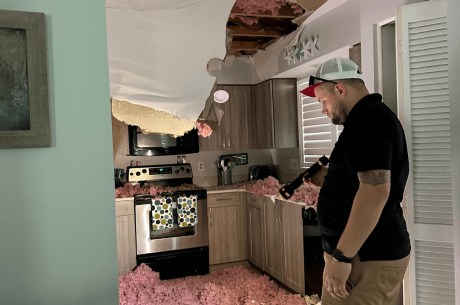
Water damage repair focuses on restoring damaged structures and materials. This stage may involve repairing or replacing drywall, flooring, insulation, and electrical systems. Restoration professionals use specialized equipment and techniques to ensure a thorough repair process.
The goal is to restore the property to its original condition, making it safe and comfortable for occupancy. This stage often requires a blend of technical expertise and creative problem-solving to address complex challenges effectively.
Drying and Dehumidification
An essential part of water damage repair is drying and dehumidification. Even after visible water is removed, moisture can remain trapped in materials, leading to mold growth and further damage. Industrial-grade dehumidifiers and air movers are used to eliminate moisture from the affected areas.
Proper drying techniques prevent long-term issues and ensure that repairs are durable and effective. Monitoring moisture levels throughout this process is crucial to ensure complete drying and prevent any hidden moisture pockets from causing future problems.
Mold Prevention and Remediation

Mold can develop quickly in damp environments, often within 24 to 48 hours. Therefore, mold prevention and remediation are crucial components of water damage restoration. Professionals use antimicrobial treatments and advanced techniques to eradicate mold and prevent future growth.
This step not only protects the structural integrity of the property but also safeguards the health of its occupants. Mold remediation requires careful handling and expertise to ensure that all mold spores are effectively eliminated.
Ongoing Monitoring
Ongoing monitoring is essential to ensure that mold does not return. Restoration experts may conduct follow-up inspections and air quality tests to verify that the environment is safe for occupants. Regular monitoring helps in early detection of any potential issues, allowing for prompt intervention. By maintaining vigilance, you can ensure a healthy living environment and prevent the recurrence of mold problems, protecting both your property and your well-being.
Cleaning and Sanitizing
Water damage can leave behind unpleasant odors and contaminants. Cleaning and sanitizing are vital to restoring a healthy and comfortable living environment. Professionals use specialized cleaning agents to disinfect surfaces and neutralize odors. This step is crucial in eliminating any harmful bacteria or pathogens that may have been introduced during the water intrusion.
A thorough cleaning process enhances the overall quality of the indoor environment, making it safe for occupants.
Personal Property Restoration
In addition to structural cleaning, personal belongings such as furniture, clothing, and documents may require restoration. Professionals employ various techniques to salvage and restore valuable items, minimizing the overall impact of water damage. Each item is assessed for damage and treated accordingly to maximize the chances of successful restoration. This personalized approach not only preserves sentimental and valuable items but also reduces the financial burden of replacing them.
Final Restoration and Reconstruction
The final phase of water damage restoration involves restoring the property to its pre-damage condition. This may include painting, installing new flooring, and making necessary structural repairs. Restoration professionals work diligently to ensure the property is safe, functional, and aesthetically pleasing. Attention to detail is paramount in this stage, ensuring that the final results meet or exceed the original standards.
Comprehensive Reconstruction
In severe cases, comprehensive reconstruction services may be required. This involves rebuilding areas that have sustained significant damage, ensuring that the property is fully restored and safe for occupancy. Reconstruction is often the most time-consuming and complex stage, requiring skilled labor and careful planning. However, when done correctly, it can transform a damaged property into a space that is even better than before.
Conclusion
Understanding the water damage restoration process is key to managing and reducing the impact of water intrusion. From emergency cleanup to full reconstruction, every step is important to return your property to its original condition. Acting quickly and working with professionals helps protect your home or business from further damage.
If you are dealing with water damage, contact PuroClean of Lakewood Ranch & Siesta Key immediately. Our skilled team responds fast and handles every stage of water restoration with care and expertise. Let us help you restore your property efficiently and protect your investment with trusted support.


 PuroClean of Lakewood Ranch & Siesta Key