

When your home or business has experienced damage, you may need a property inspection. But, what does that look like? You may see obvious damage, such as soaked flooring, smoke-stained walls, or visible mold, but some problems are not as easy to spot.
That is why a professional property damage inspection is an important first step. Our trained restoration professionals can assess the affected areas of your home, look for damage that may not be immediately visible, and help determine what needs to happen next.
The Property Inspection Starts With a Visual Assessment
The first part of an inspection is usually a careful look at the affected property. A restoration professional will examine areas where damage is visible and look for signs that water, smoke, fire, or other contaminants may have spread beyond the original problem.
For example, water from a plumbing leak may travel underneath flooring, behind cabinets, or into walls. A fire may leave smoke and soot residues in rooms that were not directly affected by the flames.
The goal is to understand the extent of the damage rather than focusing only on what can be seen at first glance.
Moisture May Be Checked in Hidden Areas
With water damage, one of the biggest concerns is moisture that remains after the visible water is gone. Materials such as drywall, flooring, insulation, and cabinetry can absorb water and hold onto it.
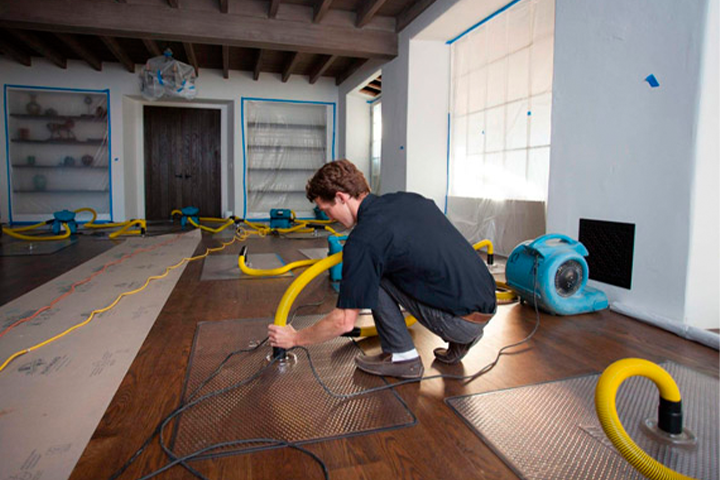
Restoration professionals may use moisture detection equipment to identify areas that require additional attention. This can help determine whether moisture has spread into materials or spaces that would otherwise be easy to overlook.
Finding these areas early can help prevent additional problems from developing later.
Damaged Materials Are Evaluated
Not every damaged material will require the same treatment. During an inspection, the condition and type of material can help determine whether it can be cleaned, dried, restored, or needs to be removed.
For example, some flooring or building materials may be salvageable after proper drying and cleaning, while materials that are heavily damaged or contaminated may require removal.
The condition of personal belongings may also be considered. Depending on the circumstances, certain contents may be candidates for specialized cleaning or restoration.

The Source of the Damage Matters
Understanding where the damage came from is another important part of the inspection.
With water damage, this could mean determining whether the problem came from a burst pipe, appliance leak, plumbing issue, roof leak, or another source. With fire damage, the inspection may involve looking beyond the areas directly affected by flames to identify smoke and soot damage.
Identifying the source and extent of the problem helps restoration professionals determine which areas need immediate attention.
A Restoration Plan Can Then Be Developed
Once the property has been assessed, the information gathered during the inspection can be used to determine the appropriate restoration steps.
Depending on the situation, this could include water extraction, structural drying, cleaning, odor removal, smoke and soot cleanup, mold remediation, or removal of damaged materials.
The work required will depend on the type and severity of the damage. A small localized problem may require a very different approach than damage that has affected multiple rooms or areas of a building.
Why a Professional Inspection Matters
Property damage is not always limited to what you can see. Moisture can remain inside building materials, smoke residues can spread throughout a property, and contaminated materials may require special handling.
A professional inspection provides a more complete picture of what has happened and what areas may need attention. It can also help prevent overlooked damage from becoming a larger problem.
If your home or business has experienced property damage, the IICRC certified technicians at PuroClean of Schererville can assess the situation and help determine the appropriate next steps. Acting quickly can help limit additional damage and get the restoration process underway.