




Being a water restoration team, we are no strangers to seeing water backlogs and floods in people’s basements. Water can enter your home and basement if there are to drainage problems, flash floods, appliance failures in or near your home. Here’s what you can do to keep water out of your basement. Because, no matter the cause, water damage can have severe damage to your home.
7 Ways To Keep Water Out Of Your Basement
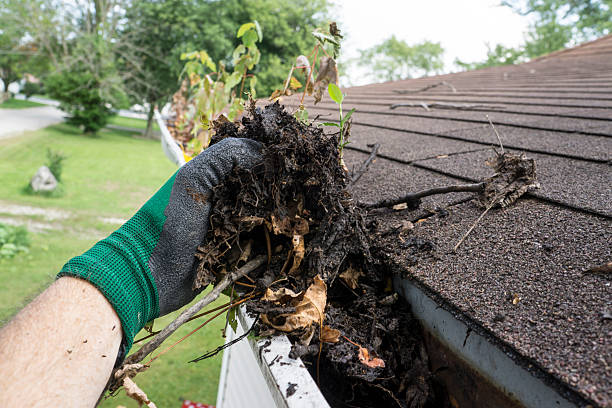
1. Clean rain gutters. Blocked gutters may cause accumulated roof water to pour directly into your home’s foundation. Being near the basement, this increases the risk of basement flooding. Water can get into the foundation and stay damp long before home owners notice. To keep water out of your basement, remove any debris, such as leaves or branches from the gutters and check the gutters for loose particles if you have asphalt roofing. Tighten any loose gutter straps and spout extensions. If there is gunk and sludge in your downspouts, clean them by pouring water into the downspouts with a garden hose, or using gloves to pull debris out..
2. Extend downspouts. To keep water out of your basement, extend any downspouts at least five feet away from your house. If needed, plastic or metal extensions can be added to the downspouts. Alternatively, consider having an underground drain pipe installed. This system can send gutter water run-off away from your house and foundation.
3. Slope the ground away from your foundation. Make sure that the ground next to your foundation slopes away from the foundation to divert rainwater away from your home. The “crown” of dirt around your house should slope at least six inches over the first 10 feet in all directions. Sloping away from your foundation will help you keep water out of your basement.
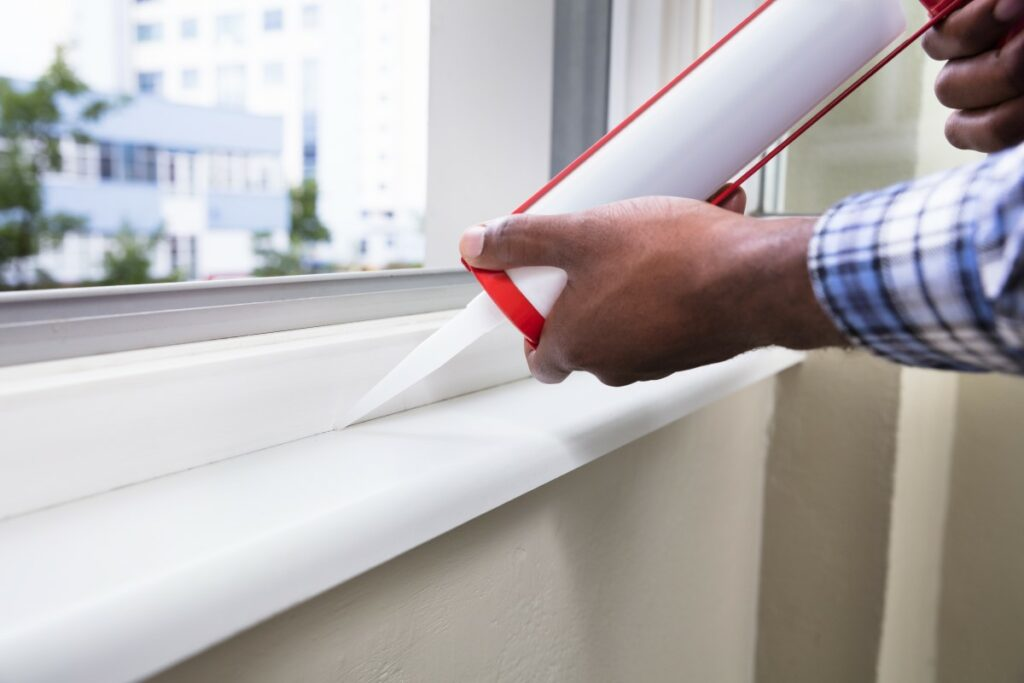
4. Seal gaps in the basement. Water may leak into your basement through gaps or cracks around plumbing pipes or cracks in concrete walls. To keep water out of your basement, seal these gaps with polyurethane caulk or hydraulic cement.
*If water comes through the floor, sealing gaps won’t do the trick and you need to fix the groundwater problem, usually with a sump pump.
5. Install a French drain. For serious water problems, install a curtain drain such as a French drain. This type of drainage system consists of a series of underground pipes that diverts water away from your home’s foundation.
6. Waterproof interior basement walls. Condensation that forms on basement walls may be prevented by applying sealant on the walls. You can waterproof basement walls with concrete coatings, silicate-based concrete sealers, waterproofing paint or plastic sheets or panels. You can also waterproof exterior walls of the basement, or get a restoration contractor to provide this service, to fix gaps in the foundation. Although it’s a costly job and it requires excavating around the house.
7. Install a sump pump. These devices provide protection against flooding by pumping out water that has accumulated in the sump basin. When the water level in the basement floor rises, the sump pump will automatically discharge the water outside your house. Learn how to choose a sump pump here and how to test a sump pump in this article.
In case your basement has flooded, you should call our water damage contractors immediately. To avoid safety hazards, don’t enter the basement and make sure to not make direct contact with floodwater. For flood water damage repair and mold remediation service, contact us at 219-800-7876. To learn more about who we are and what we do, read about our water damage restoration services in Schererville and around Indiana. Together, we can help keep water out of your basement.

