


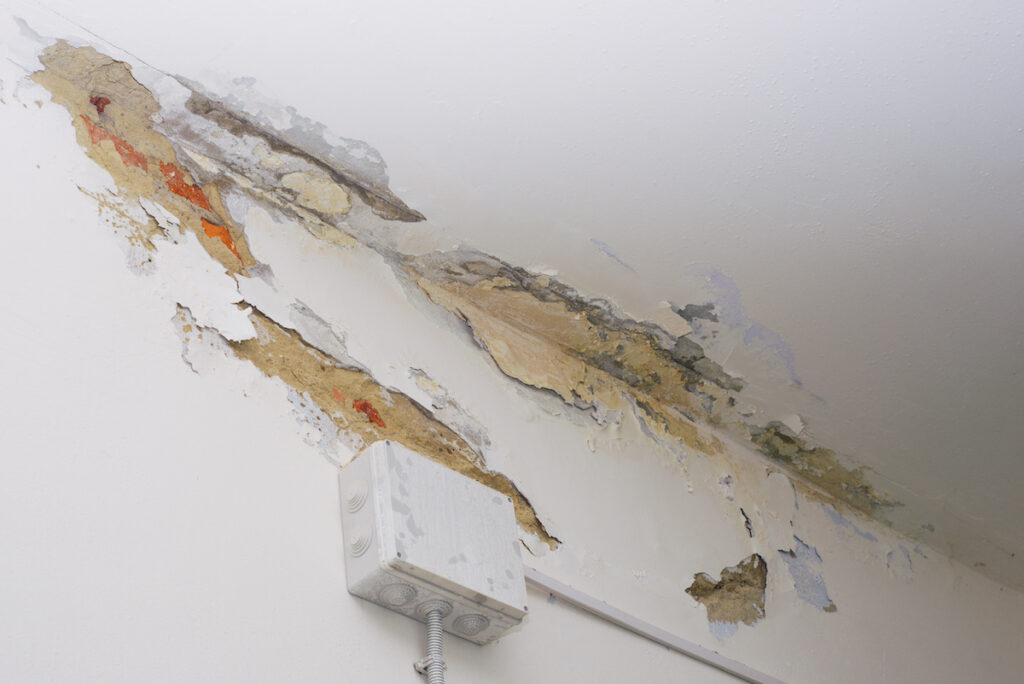
Seeing the sky turn from grey to blue, and the ground from white to green, many of us are eager to change our wardrobes, talk more walks, and put away our snow shovels. Something to keep in mind during this transition period, is that while we are warming up, so is the ground, which can mean hidden moisture and water intrusion if we aren’t careful. The habitual “Spring Thaw” is a period of intense hydraulic pressure, which can lead to structural issues.
The Indiana Spring Thaw
In Northwest Indiana, and Lake County in particular, the soil has a high clay content. During the winter, our soil freezes with the cold, and it expands when the water within the soil turns to ice. The undergoing process, dubbed a frost heave, can not only supply pressure to the soil, but its surroundings.
During the shift from winter to spring, the top layer of snow and ice melt quickly. Since only the top layer melts, not the deeper soil below, the resulting water has nowhere to go. This water typically runs off to sit near your home, especially if it is ground level or lower than your lawn, which can lead to hidden moisture making it’s way into your home.

The Danger of Hidden Moisture
Everyone knows that visible water in a home or basement isn’t ideal, that’s why people have sump pumps or maintain their piping. However, most people typically forget about the hidden moisture, or the water they can’t see.
- Seeping Behind Walls: Once inside and on the floor, water can creep up drywall and insulation, creating hidden moisture that can remain undetected for a while.
- Progression of Mold: When water is left to stand, mold colonize can develop in only 24-48 hours. To develop, mold only needs a little organic material to grow, which your drywall or your flooring provides
- Efflorescence: Sometimes a white, powdery substance can form on base level floorboards, bricks, or concrete slabs. This is a tell-tale sign that water is already moving through your walls and damaging the structure.
Steps to Take to Combat Hidden Moisture
You don’t have to wait for itchy eyes or for a musty smell to develop to protect your home. Our technicians have collected three steps you can take to protect yourself and your home this spring.
- Clear your Home’s Perimeter: If possible, shovel any snow into the middle of your yard away from the base of your house, at least three to five feet.
- Divert Downspouts: Downspouts direct water from your roof, but if you aren’t careful, the direction can lead to your house. Ensure downspouts point away from the foundation of your home by about 10 feet. If your current downspout is too short, use metal or plastic sheets to make up the difference.
- Test Sump Pumps: When they work, sump pumps make all the difference. You can test your sump pump to see if it works by pouring water into the sump pump basin to see if the motor springs into action.
When to Call the Professionals
Once you notice signs of water, a damp carpet, standing puddles, or a musty smell, it is time to call our team. Hidden moisture has usually taken hold in a house at this point, but we can fix it. Our professional restoration and reconstruction crew are equipped to handle any structural drying issue.
IICRC Certified and versed in industry standards, we use thermal imaging and moisture meters to discover hidden moisture behind walls and under floorboards, without having to rip them up. Puroclean’s proprietary QuickDry Systems manages the humidity and airflow in a home, eradicating mold and removing water.
Don’t wait and let the spring thaw become a summer mold project. Protect your home any way you can with the above steps. If you need help, or the spring that still takes a toll on your home, call us today at 219-800-7876.

If you want to learn more about water intrusion and common causes of property damage in Indiana homes, click the link.

