


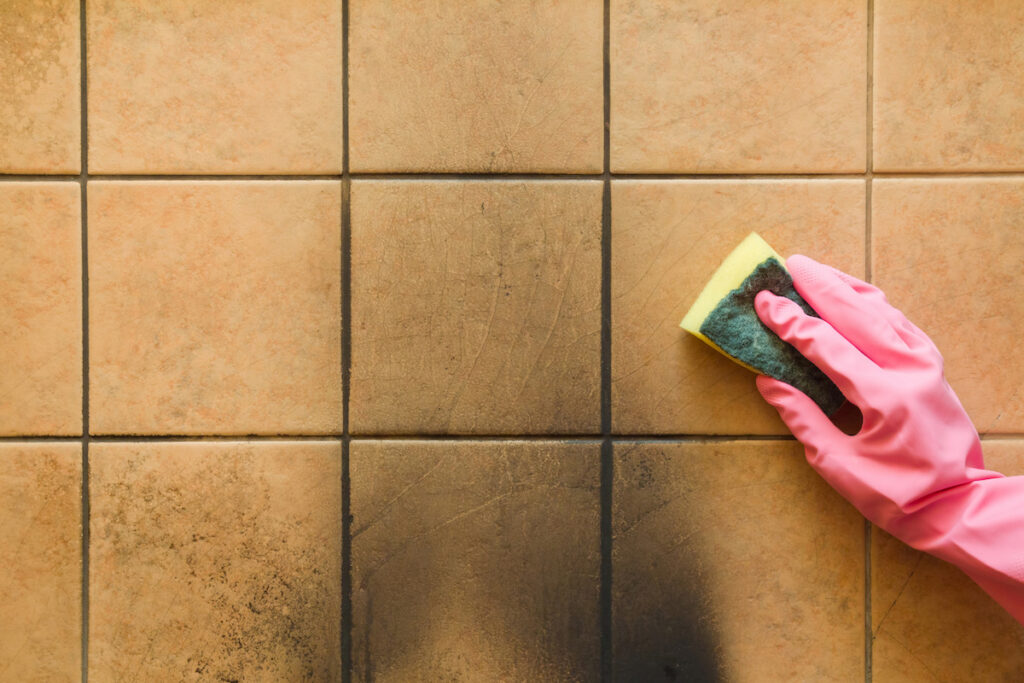
In our article below, our experts will answer some of the most frequently asked questions about soot and soot dangers so that you can know what to expect. Soot removal is one of the hardest restoration projects after a fire. Not only is it unsightly, it is also dangerous when animals and humans come in contact.
What Is Soot?
Soot is made of tiny carbon particles created by incomplete combustion of hydrocarbons and fossil fuels, including charred wood, oil, coal, and other materials. Soot contains many acids from chemicals, metals, soils, and dust. These particles leave behind a visible dark substance and foul smell.
What Are Soot Dangers From Fire?
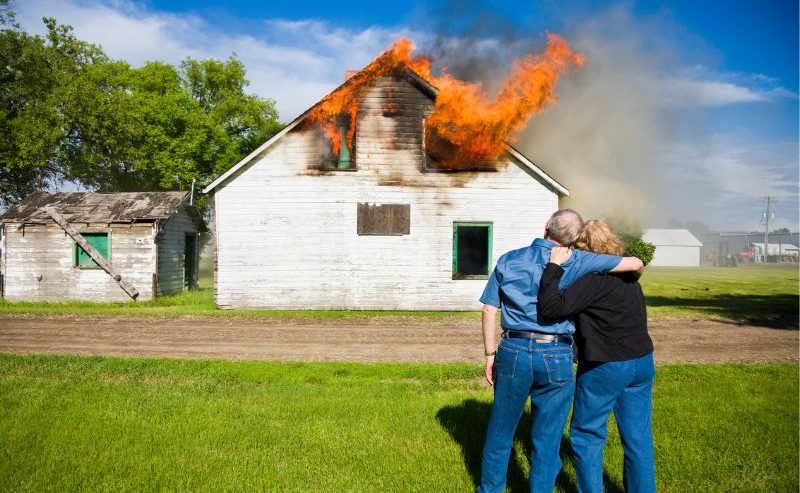
Soot will appear on the scene most commonly during and after a fire. During a fire, soot is formed when the carbon particles do not burn thoroughly during the combustion process. Incomplete combustion allows the fuel to burn at a lower temperature with a slightly reduced oxygen supply.
When these particles settle on surfaces, they can cause discoloration and carry a noticeable smell. Soot can be difficult to remove because it is very fine and easily embeds in porous materials like wood and fabric.
Because of its fine consistency, soot can spread throughout your home, attaching to surfaces in every room. Soot’s acidic properties can also lead to further property damage and result in poor indoor air quality if it isn’t removed promptly.
Where Is Soot Found Outside of A Fire?
It might be surprising to learn that soot can be found in your home even if there wasn’t a fire. Be on the lookout for soot in the following areas:
- On your stovetop. Soot can build up on your stovetop if you use oil for cooking. Heating oil causes it to break down, which can produce soot.
- In your fireplace. Even if your fireplace hasn’t been used for a while, soot can still be present. Burning wood can form soot, which can remain in your fireplace from previous fires. This is especially the case if your fireplace isn’t cleaned after every use.
- On your walls. The chemical compounds in oil-based paints are known to attract soot.
- Burning candles. Candles made of paraffin wax produce soot when burned. A black ring around the edge of the candle indicates that soot is present.
- On light switches and outlets. Areas of electricity can also attract soot.
- Furnaces. These are also sources of soot contamination when they produce a puff back.
What Are Some Soot Dangers From Exposure?
Soot dangers should be taken seriously because they can lead to potential health hazards. Soot particles are small enough to enter the body through inhalation, ingestion, or via the skin and eyes. The adverse effects of soot’s toxic particles can include:
- Asthma attacks
- Coughing
- Difficulty breathing
- Eye irritation
- Headaches
- Nosebleeds
- Sore throat
These symptoms of soot exposure can also lead to other long-term health issues. Since soot is a known carcinogen, it can increase your cancer risk. For those with compromised immune systems and health sensitivities, inhaling soot particles can damage your heart and lungs, worsening chronic respiratory conditions like asthma and emphysema. If soot is present in your home, removing it as soon as possible is imperative to avoid any health consequences.
What Should I Keep In Mind When Removing Soot?
Smoke and soot are the two main threats to be aware of during a house fire, so it’s important to learn to how to remove them and avoid soot dangers.
A home is constructed of many items that contain chemicals, such as plastics, foams, carpets, wood products, and synthetic fabrics. Soot derived from these materials leads to hazards that can make fire restoration challenging and sometimes dangerous. No matter the severity of the fire, soot particles can infiltrate a home through the heating, ventilation, and air conditioning (HVAC) system.
Always wear personal protective equipment (PPE) such as gloves, eyewear, and masks to avoid soot dangers. Ensure that the area you are cleaning is well-ventilated by opening windows and doors. Professional specialized techniques, like air scrubbing and thermal fogging, may also be needed to restore indoor air quality following a fire.

How Do I Remove Soot?
The first step to removing soot is to identify the source. Once you know where the soot is coming from, you can take the necessary steps to remove it. If the soot is on a non-porous surface, like metal or glass, you can use a damp cloth to wipe it away. For porous surfaces, like wood or fabric, you’ll need to use a cleaner specifically designed to remove soot.
When cleaning up soot particles, avoid using water-based cleaners. Water will just spread the soot around and make the problem worse. Instead, use a dry-cleaning solvent or an oil-based cleanser. You can also use a vacuum with a high-efficiency particulate air (HEPA) filter to remove soot from surfaces like carpets and upholstery.
Once you’ve removed the soot, you may need to take steps to prevent it from returning. It’s a good idea to clean your stovetop regularly and ensure your fireplace is well-cleaned. Another good tip: avoid using oil-based paint in your home.
Often, professional help is needed to remove soot from your home thoroughly. If the soot is widespread or you’re not comfortable cleaning it yourself, hire a reputable fire damage restoration company. These companies have the experience and equipment to remove soot quickly and safely.
Soot can be a complex problem that requires much effort to eliminate, so it’s important to begin the removal process as soon as possible. The preceding steps ensure your soot removal can be done quickly and safely.
For Professional Fire Remediation Services, Contact PuroClean
For professional and immediate fire damage restoration or smoke remediation services following a house fire, do not hesitate to contact us. As “The Paramedics of Property Damage®,” we are the first responders to your commercial property emergency. We are available 24 hours a day, seven days a week. To schedule an appointment, call us at 219-800-7876.

