 PuroClean of Lansdale
 Table of Contents
The Call No Homeowner Wants to Receive
It started like any other day in Ardmore, Pennsylvania. An 85-year-old homeowner was simply trying to address what seemed like routine property damage when testing revealed something far more dangerous: asbestos-containing materials hidden within the walls and ceilings of her bedroom, hallway, and bathroom.
People Also Read: Professional Biohazard Cleanup | Ensuring Your Health & Safety
What followed was a month-long journey through testing, reviews, approvals, and professional asbestos abatement a process that left her temporarily displaced from her home during the cleanup. If you’re a homeowner in the Ardmore area, this story could easily be yours.
Asbestos doesn’t announce itself with alarms or warning signs. It hides in plain sight, waiting to be disturbed during renovations, repairs, or after property damage.
This is why understanding asbestos abatement isn’t just important it’s potentially lifesaving.
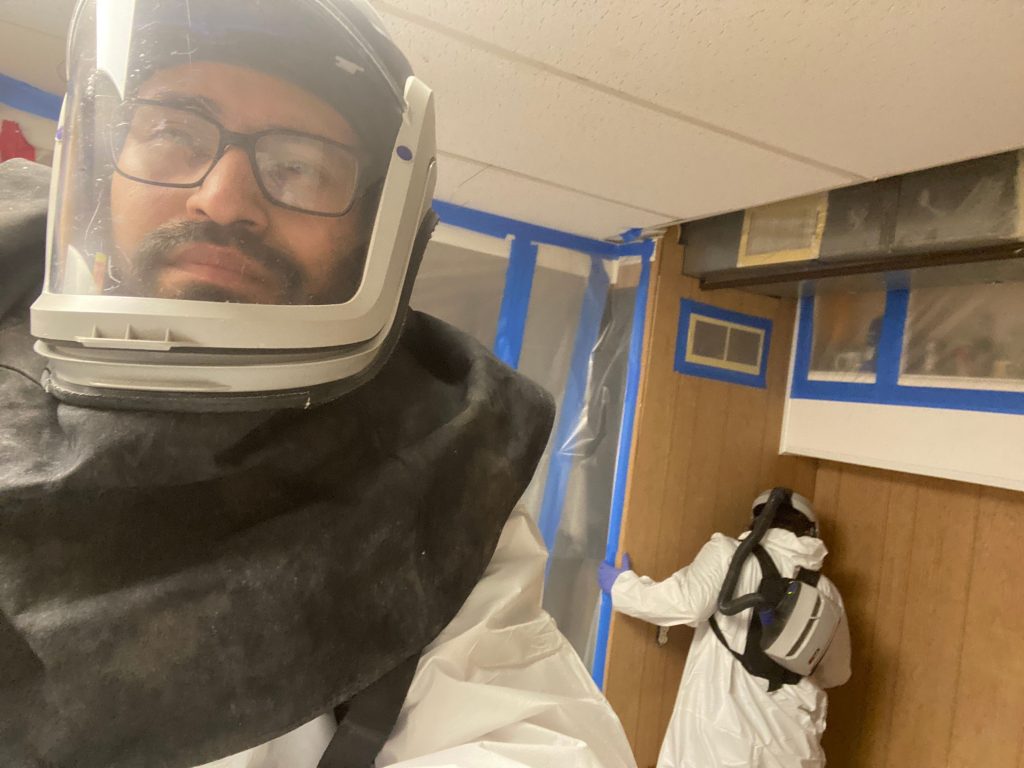
What Exactly Is Asbestos Abatement and Why Does It Matter?
Asbestos abatement is the professional process of identifying, containing, and safely removing asbestos-containing materials (ACM) from your property. Unlike regular demolition or renovation work, asbestos abatement requires specialized training, equipment, and strict adherence to EPA and OSHA regulations.
Here’s what makes asbestos so dangerous:
Asbestos is a naturally occurring mineral fiber that was widely used in building materials from the 1930s through the 1980s. When these materials are disturbed through renovation, water damage, fire, or simple deterioration microscopic fibers become airborne. Once inhaled, these fibers can cause serious health conditions including asbestosis, lung cancer, and mesothelioma, often decades after exposure.
The Ardmore case illustrates a critical point: the homeowner didn’t even know asbestos was present until professional testing was conducted.
The plaster in her bedroom tested positive for asbestos, and out of an abundance of caution, adjacent rooms with similar materials were also included in the abatement scope even though initial tests showed negative results.
The Hidden Threat: Where Asbestos Hides in Your Home
If your home was built before 1980, there’s a significant chance it contains asbestos in one or more areas. Common hiding places include:
Structural Materials:
- Wall and ceiling plaster (exactly what was found in the Ardmore home)
- Textured paint and patching compounds
- Ceiling tiles and acoustic treatments
- Vinyl floor tiles and the adhesive beneath them
Insulation Materials:
- Pipe and boiler insulation
- Vermiculite attic insulation
- HVAC duct insulation
- Cement sheets around wood-burning stoves
Other Common Sources:
- Roofing shingles and felt
- Siding materials
- Window caulking and glazing
- Door gaskets on older appliances
The challenge is that asbestos materials often look identical to non-asbestos alternatives. Visual inspection alone cannot determine if a material contains asbestos only laboratory testing can confirm its presence.
The Professional Asbestos Abatement Process: What to Expect
When PuroClean responded to the Ardmore property, the process followed strict protocols designed to protect both the occupants and the technicians performing the work. Here’s what a professional asbestos abatement project typically involves:
Step 1: Testing and Laboratory Analysis
The process began with careful sampling of suspected materials. In this case, samples were collected from the bedroom, hallway, and bathroom. These samples were sent to a certified laboratory for analysis using polarized light microscopy the gold standard for asbestos identification.
When initial results showed positive findings in the bedroom but negative in adjacent areas, additional testing was conducted. Why? Because materials that appear identical might have different compositions, and some areas might contain mixed or layered materials where asbestos could be present in deeper layers.
Step 2: Containment and Preparation
Once asbestos is confirmed, the affected area must be completely sealed off from the rest of the property. This involves:
- Constructing physical barriers using heavy-duty plastic sheeting
- Creating negative air pressure systems to prevent fiber migration
- Establishing decontamination chambers for worker entry and exit
- Removing or protecting contents in the work area
The Ardmore homeowner had to relocate temporarily because the bedroom, hallway, and bathroom were completely sealed off during the three-day abatement process.
Step 3: Safe Removal and Disposal
Trained technicians wearing appropriate respiratory protection and protective clothing carefully remove asbestos materials using wet methods to minimize dust. Every piece of removed material is:
- Wetted down to prevent fiber release
- Carefully contained in sealed, labeled bags
- Transported to EPA-approved disposal facilities
- Documented with proper chain-of-custody records
This isn’t a job for general contractors or DIY enthusiasts. Pennsylvania requires specific licensing and certification for asbestos abatement work, and violations can result in substantial fines and health risks.
Step 4: Air Testing and Clearance
After removal is complete, the area undergoes rigorous air testing to ensure fiber counts meet acceptable levels. Only when clearance testing confirms the space is safe can reconstruction begin and occupants return.
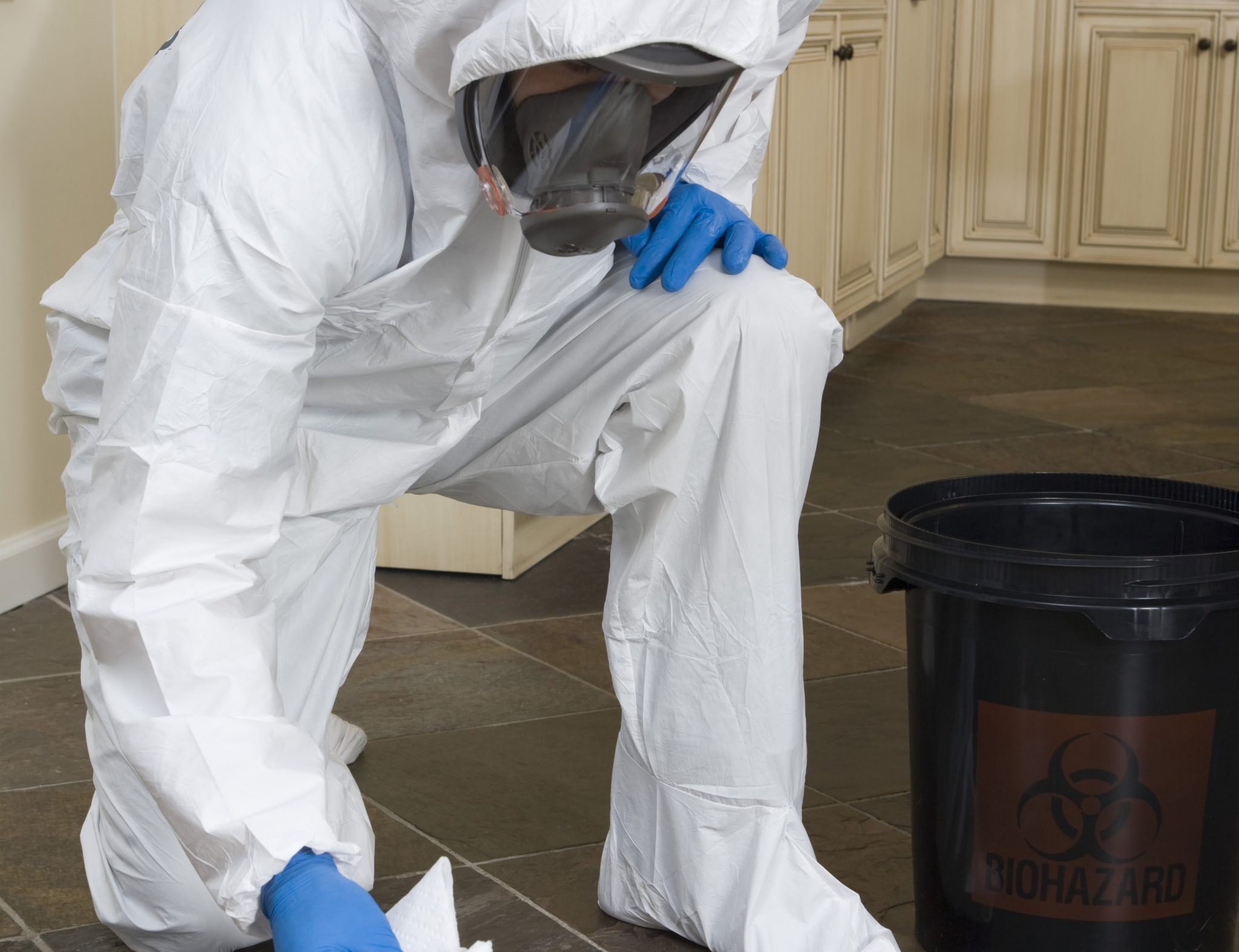
The Real Cost of Asbestos Abatement: Investment in Safety
The financial aspect of asbestos abatement often concerns homeowners, but understanding the costs helps you plan appropriately. In the Ardmore case, the initial approved abatement cost was $12,187.93, with a supplement pending for additional air testing and disposal.
Factors that influence abatement costs include:
- Square footage of affected areas
- Type and condition of asbestos materials
- Accessibility of the work area
- Number of rooms requiring containment
- Required air monitoring and testing
- Disposal fees for hazardous waste
- Whether contents need to be removed and stored
While this might seem expensive, consider the alternative: improper handling of asbestos can result in contamination requiring even more extensive (and costly) remediation. Worse, it can expose your family to health risks with consequences that won’t appear for decades.
Many insurance policies cover asbestos abatement when it’s discovered during the repair of covered losses. The Ardmore homeowner’s abatement was reviewed and approved by Allstate Insurance, demonstrating that insurance companies recognize the importance of proper abatement.
Why DIY Asbestos Removal Is Never Worth the Risk
The internet is filled with questionable advice about handling asbestos yourself. Let’s be crystal clear: DIY asbestos removal is dangerous, often illegal, and can create bigger problems than you started with.
Here’s what can go wrong:
When you disturb asbestos materials without proper containment, you release millions of microscopic fibers throughout your home. These fibers settle on every surface, get into your HVAC system, and become nearly impossible to remove completely. Your “cost-saving” measure can transform your entire home into a contaminated environment requiring professional remediation far more expensive than the original abatement would have cost.
The Ardmore case shows another risk: materials you think are safe might actually contain asbestos. The homeowner’s hallway and bathroom initially tested negative, but the restoration team recommended including them in the abatement because they contained the same plaster materials as the positive-testing bedroom.
What if those negative results were due to sampling variation? What if deeper layers contained asbestos? Professional judgment and an abundance of caution protected everyone involved.
The Timeline: How Long Does Asbestos Abatement Take?
One of the most common questions homeowners ask is: “How long will this take?” The Ardmore case provides a realistic timeline:
- October 30: Initial job assignment and inspection
- November 3: Estimate submitted for review
- November 4-13: Multiple rounds of review, revisions, and approvals
- November 14: Payment approved, abatement scheduled
- November 19-20: Three-day abatement completed
- November 25: Final payment processed
From start to finish, the project took approximately three weeks, with most of that time dedicated to the approval process rather than the actual abatement work. The physical abatement itself was completed in just three days.
Your timeline may vary based on:
- Complexity of testing and lab turnaround times
- Insurance review and approval processes
- Scheduling availability of certified abatement contractors
- Size and complexity of the affected area
- Required clearance testing
Red Flags: When to Suspect Asbestos in Your Home
You can’t see, smell, or taste asbestos, but certain situations should raise your awareness:
Immediate concerns:
- You’re planning renovations in a pre-1980 home
- You’ve discovered water damage affecting old plaster or insulation
- Fire damage has exposed building materials
- You notice deteriorating ceiling or wall materials
- Vinyl tiles are cracking or breaking
The critical mistake: Many homeowners discover asbestos only after they’ve already started demolition work. Once materials are disturbed, the contamination risk multiplies exponentially. Always test before you tear into anything in an older home.
The Ardmore homeowner was fortunate that testing occurred before major disturbance of the materials. This allowed for controlled, professional removal rather than emergency contamination response.
Choosing the Right Asbestos Abatement Company
Not all restoration companies are equipped to handle asbestos abatement. When selecting a contractor, verify:
Essential qualifications:
- State-issued asbestos abatement license
- Proper insurance including pollution liability coverage
- Certified and trained technicians
- Membership in professional organizations (like the Indoor Air Quality Association)
- EPA-approved disposal methods
Questions to ask:
- How many asbestos projects have you completed in the past year?
- Will you provide documentation of proper disposal?
- What air monitoring will you perform?
- How will you protect unaffected areas of my home?
- What happens if clearance testing fails?
PuroClean of Lansdale, the company that handled the Ardmore abatement, demonstrated professional excellence throughout the process. They coordinated with insurance reviewers, addressed technical questions, maintained communication with the elderly homeowner, and completed the work according to all regulatory requirements.
The Insurance Question: Will Your Policy Cover Asbestos Abatement?
Coverage varies significantly depending on your policy and the circumstances. In the Ardmore case, Allstate Insurance reviewed and approved the abatement costs because the asbestos was discovered during the assessment of covered property damage.
Generally, insurance may cover asbestos abatement when:
- It’s discovered during repairs for a covered loss (water damage, fire, etc.)
- It must be removed to complete covered repairs
- It’s suddenly and accidentally released due to a covered peril
Insurance typically won’t cover:
- Pre-existing asbestos in good condition
- Asbestos discovered during elective renovations
- Gradual deterioration over time
The key is documentation and timing. Have a professional restoration company like PuroClean coordinate with your insurance adjuster from the beginning. In the Ardmore case, the detailed documentation, photographs, lab results, and professional estimates helped secure approval for the necessary work.
Life After Abatement: What Comes Next
Once abatement is complete and clearance testing confirms the area is safe, life can return to normal but with important considerations:
The affected areas in the Ardmore home required reconstruction after abatement. This included:
- Repairing or replacing removed wall and ceiling materials
- Repainting affected areas
- Reinstalling any removed fixtures or trim
- Restoring the space to pre-loss condition
For the 85-year-old homeowner, this meant additional weeks of work, but she could rest assured that her home was now safe from asbestos exposure. The investment in professional abatement protected not just her health, but also the wellbeing of family members, visitors, and future occupants.
Prevention and Awareness: Protecting Your Family
While you can’t eliminate asbestos from a home that contains it without professional abatement, you can minimize risk:
Smart practices for older homes:
- Never sand, scrape, or drill into materials that might contain asbestos
- Keep suspected materials in good condition and undisturbed
- Address water leaks immediately to prevent material deterioration
- Have materials tested before any renovation project
- Hire certified professionals for any work involving suspected ACM
Educate your family: Make sure everyone in your household understands that older building materials require special care. This is especially important if you have teenagers who might tackle DIY projects or younger children who might disturb materials during play.
Your Health Is Worth Professional Protection
The Ardmore homeowner’s experience demonstrates something crucial: asbestos abatement isn’t just about property restoration it’s about protecting human health.
At 85 years old, she faced displacement from her home, the stress of a complex restoration project, and the uncertainty of dealing with a hazardous material. But because she worked with certified professionals, her story has a positive ending: a safe, restored home free from asbestos contamination.
Your home should be your sanctuary, not a source of hidden health threats. If you’re in the Greater Philadelphia area whether in Ardmore, Lansdale, or surrounding communities and you suspect asbestos in your property, don’t wait. Don’t attempt DIY solutions. Don’t ignore the problem.
Contact PuroClean today for professional asbestos testing and abatement services. Our certified technicians have the expertise, equipment, and experience to handle asbestos safely, efficiently, and in full compliance with all regulations.
We’ll coordinate with your insurance company, keep you informed throughout the process, and restore your peace of mind along with your property.
Your family’s health is irreplaceable. Make the call that protects it: Call us for a consultation and testing. Because when it comes to asbestos, professional protection isn’t a luxury it’s a necessity.
Frequently Asked Questions About Asbestos Abatement
Q: How do I know if my home contains asbestos?
A: The only way to confirm asbestos presence is through professional testing by a certified inspector. Homes built before 1980 are most likely to contain asbestos in plaster, insulation, floor tiles, and other materials.
Visual inspection cannot determine asbestos content laboratory analysis is required. If you’re planning renovations or have discovered property damage in an older home, testing should be your first step.
Q: How much does asbestos abatement typically cost?
A: Asbestos abatement costs vary based on the size of the affected area, type of materials, and complexity of the project. A typical residential project might range from $10,000 to $20,000, though smaller projects cost less and extensive whole-home abatements cost more.
The Ardmore case discussed in this article cost approximately $12,188 for bedroom, hallway, and bathroom abatement. Always get a detailed estimate from a certified contractor, and check whether your insurance policy covers abatement costs.
Q: Can I stay in my home during asbestos abatement?
A: This depends on the scope of work and the location of the abatement area. If the affected area can be completely sealed off with proper containment and negative air pressure, you may be able to remain in unaffected areas.
However, many homeowners choose to relocate temporarily for peace of mind. In the Ardmore case, the elderly homeowner needed to find alternative accommodations during the three-day abatement process. Your abatement contractor can assess your specific situation and make recommendations.
Q: How long does the asbestos abatement process take?
A: The physical abatement work often takes just a few days the Ardmore project was completed in three days. However, the entire process from testing through final clearance can take 2-4 weeks, with much of that time devoted to lab analysis, insurance reviews, and scheduling.
Emergency abatements can sometimes be expedited. The review and approval process may take longer, especially when insurance coordination is required.
Q: Is asbestos dangerous if it’s not disturbed?
A: Asbestos materials in good condition that remain undisturbed generally pose minimal risk. The danger occurs when asbestos-containing materials are damaged, deteriorating, or disturbed during renovation or demolition, releasing microscopic fibers into the air.
However, even undisturbed asbestos should be monitored for deterioration, and any work affecting the materials should only be performed by certified professionals.
If you have known asbestos in your home, create a management plan and avoid any activities that might disturb it.
Q: What happens if I accidentally disturb asbestos materials?
A: If you suspect you’ve disturbed asbestos-containing materials, immediately stop work, leave the area, and close off access to prevent others from entering.
Do not attempt to clean up the materials yourself. Contact a certified asbestos abatement professional for emergency response. They will assess contamination, perform necessary air testing, and safely remediate the area. Time is critical the sooner professionals respond, the less extensive the contamination and cleanup will be.
Protect Your Investment & Restore Your Peace of Mind
Don’t let water damage and potential mold growth overwhelm you. Contact PuroClean of Lansdale today at (267) 834-5900 for a free consultation. We’ll be there to guide you through the restoration process and ensure your property is restored quickly, safely, and efficiently.


 PuroClean of Lansdale