 PuroClean of Lansdale
Table of Contents
Living in Norristown and Montgomery County comes with incredible benefits historic charm, proximity to Philadelphia, four distinct seasons, and a vibrant community.
However, our Mid-Atlantic location, variable weather patterns, and aging infrastructure also create specific vulnerabilities when it comes to water damage. At PuroClean, we’ve responded to thousands of water damage emergencies throughout Montgomery County over the years, and we’ve seen firsthand how the combination of natural and man-made factors creates water damage risks that property owners need to understand and prepare for.
Whether you own a home in Norristown, operate a business in King of Prussia, or manage rental properties anywhere in Montgomery County, understanding the most common causes of water damage in our area empowers you to take preventive measures and respond quickly when problems occur. Knowledge truly is power when it comes to protecting your property investment and avoiding the costly consequences of water intrusion. Let’s explore the primary culprits behind water damage in Montgomery County and what you can do to minimize your risk.
Freeze-Thaw Cycles and Burst Pipes: Our Winter Challenge
Anyone who’s lived in Norristown through several winters knows that freeze-thaw cycles represent one of our most significant water damage threats.
Unlike regions with consistent freezing temperatures, the Mid-Atlantic experiences temperature fluctuations that can swing from below freezing at night to above freezing during the day, sometimes within hours. These cycles create ideal conditions for pipe failures and ice dam formation.
Burst pipes during winter cold snaps are among the most devastating water damage events we handle. When temperatures drop into the teens or low twenties, particularly during extended cold spells, pipes in vulnerable locations can freeze solid.
Pipes in unheated attics, crawl spaces, exterior walls, and garages are especially at risk. The danger often comes not during the freeze itself, but during the thaw as ice melts, water begins flowing through ruptured sections, sometimes at full supply pressure.
The damage from burst pipes can be catastrophic because water often flows for hours before being discovered. A single burst pipe can release hundreds of gallons per hour, flooding multiple rooms and levels of a property. We’ve responded to situations where frozen pipes ruptured overnight, and property owners awoke to find water cascading down walls, soaking through ceilings, and pooling several inches deep on floors. The combination of water volume and extended exposure time makes these incidents particularly destructive.
Ice dams on roofs create significant water intrusion problems during Pennsylvania winters. When heat escapes through attics, it melts snow on the roof. This melted water runs down until it reaches the colder eaves, where it refreezes, creating a dam of ice. As more snow melts, water backs up behind the ice dam and eventually finds its way under shingles and into attic spaces. Properties with inadequate attic insulation or ventilation are particularly vulnerable to ice dam formation.
The freeze-thaw cycles also affect outdoor plumbing and hose connections. Many Norristown homeowners forget to disconnect garden hoses before winter or fail to shut off and drain exterior hose bibs. When water trapped in these fixtures freezes, it can burst not just the exterior fixture but also connected pipes inside walls. This type of damage often isn’t discovered until spring or until water stains appear on interior walls.
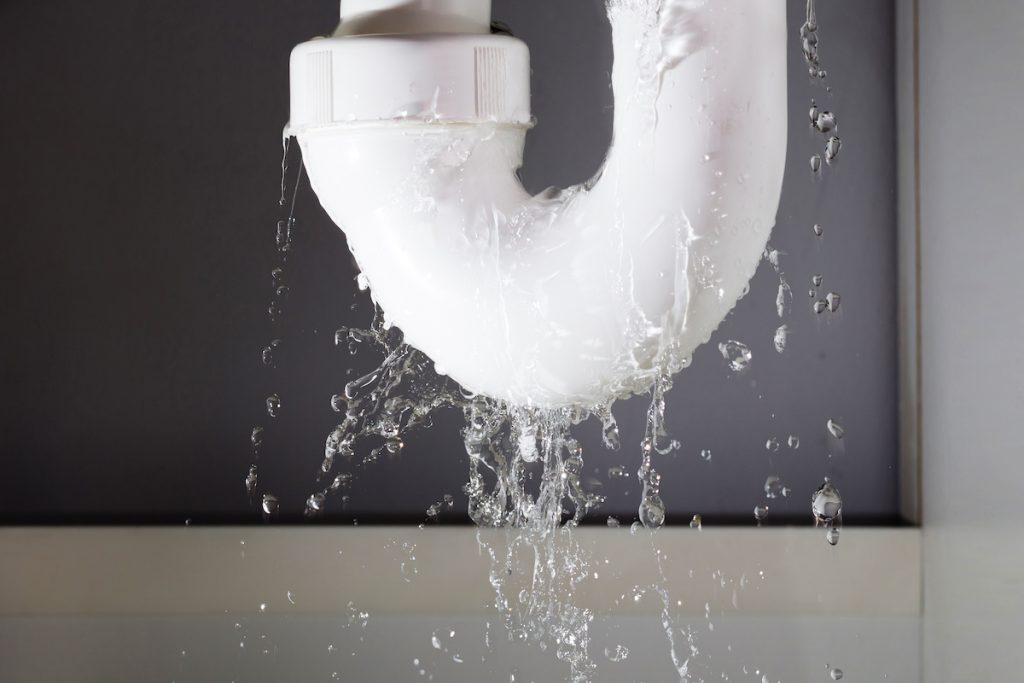
Heavy Rainfall and Flash Flooding
While winter brings freeze concerns, spring and summer rainfall creates its own set of water damage challenges in Montgomery County. Pennsylvania’s weather patterns can bring intense rainfall events, with thunderstorms producing several inches of rain in short periods. When combined with our area’s topography and urban development, these rainfall events frequently result in flash flooding and water intrusion.
Spring rainfall is particularly problematic because it often coincides with snowmelt, saturated ground conditions, and high water tables. The combination means that drainage systems and soil are already at or near capacity when additional rainfall arrives. Low-lying areas throughout Norristown and Montgomery County experience frequent flooding during spring storms, with water rising quickly in yards, streets, and parking areas.
The Schuylkill River and its tributaries create flood risks for properties in the Norristown area. While major flooding events are less frequent than in past decades thanks to improved flood control measures, significant rainfall can still cause creek and stream flooding that affects nearby properties. Even properties not in designated flood zones can experience water intrusion when nearby waterways exceed their banks during extreme rainfall events.
Urban flooding has increased in Norristown and surrounding areas as development has added impervious surfaces like parking lots, buildings, and roadways. Stormwater that once absorbed into soil now runs off these surfaces, overwhelming drainage systems designed decades ago for less developed conditions. The result is water accumulating in streets, yards, and against buildings, finding any available path into interior spaces.
Basement flooding during heavy rainfall is extremely common in Montgomery County properties, particularly in older homes built before modern waterproofing standards. Water enters through foundation cracks, window wells, bulkhead doors, and gaps around utility penetrations. Once inside, it can damage flooring, drywall, personal belongings, and mechanical systems. Many Norristown properties experience recurring basement flooding during heavy storms, a frustrating problem that requires comprehensive solutions.
Aging Infrastructure and Plumbing Failures
Norristown’s housing stock includes many properties built in the early-to-mid 20th century, and while these homes have character and charm, they also have aging plumbing systems that are increasingly prone to failure. At PuroClean of Norristown, plumbing-related water damage calls represent a significant portion of our emergency responses.
Old galvanized steel pipes that were standard in homes built before the 1960s corrode from the inside out, gradually restricting water flow and weakening until they eventually rupture or develop pinhole leaks. Many Norristown properties still have original galvanized supply lines that are operating on borrowed time. These failures often occur inside walls or ceiling spaces, allowing water to cause extensive hidden damage before becoming visible.
Polybutylene pipes installed during the 1970s through 1990s have proven problematic in many Montgomery County homes. These gray plastic pipes were once considered innovative but have a tendency to become brittle and fail without warning. If your home was built or renovated during this period and still has polybutylene plumbing, replacement should be considered a high priority to prevent sudden catastrophic failures.
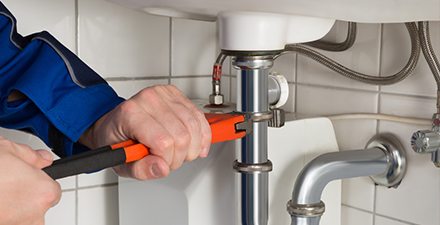
Sewer line issues plague many older Norristown properties. Clay tile sewer lines that were standard decades ago crack and separate over time, allowing tree roots to infiltrate. Once roots establish themselves inside sewer lines, they create blockages that cause sewage backups into basements through floor drains and fixtures. These backups involve contaminated water requiring specialized remediation and pose serious health hazards.
Water heater failures occur with predictable frequency as units reach the end of their useful life, typically eight to twelve years. A failing water heater can release forty to eighty gallons of water into your basement, utility room, or wherever it’s located. We’ve responded to water heater failures that damaged finished basements, destroyed stored belongings, and required extensive restoration work. Regular inspection and timely replacement prevent most of these incidents.
Supply line failures to appliances like washing machines, dishwashers, and refrigerators cause frequent water damage. Rubber supply hoses deteriorate over time and can burst without warning, releasing water at full pressure. Because these appliances are often located near wooden cabinetry and finished flooring, even brief leaks can cause significant damage. Upgrading to braided stainless steel supply lines dramatically reduces this risk.
Sump Pump Failures and Basement Water Issues
Many Norristown properties rely on sump pumps to manage groundwater and prevent basement flooding, making sump pump reliability critical. Unfortunately, sump pumps fail regularly, often during the heavy rainfall events when they’re needed most. At PuroClean of Norristown, we respond to numerous sump pump failure emergencies each year, particularly during spring.
Power outages during storms disable sump pumps at the worst possible time. When heavy rainfall knocks out power, your sump pump stops operating even as water continues flowing into the sump basin. The basin overflows, and basement flooding follows. Properties without battery backup sump pumps or generators are completely vulnerable during power outages.
Mechanical failures happen when sump pumps reach the end of their lifespan, typically five to seven years of regular use. Float switches stick, motors burn out, impellers clog, and discharge lines freeze during winter. Many homeowners don’t realize their sump pump has failed until they discover water in their basement. Regular testing and maintenance, along with timely replacement, prevents many of these failures.
Overwhelmed sump pumps can’t keep up when groundwater inflow exceeds the pump’s capacity during extreme rainfall. A pump adequate for normal conditions may be insufficient during major storms. Properties with high water tables or significant groundwater issues may require larger capacity pumps or even dual pump systems to handle peak flow conditions.
Clogged or frozen discharge lines prevent sump pumps from expelling water even when the pump itself is functioning. Discharge lines that terminate too close to foundations can create a cycle where pumped water immediately re-enters the drainage system. Lines that run above ground can freeze during winter, causing pumps to run continuously while water backs up and overflows the basin.
Roof Leaks and Ice Dams
Roofing systems in Montgomery County face challenges from our four-season climate, including summer heat, winter ice and snow, spring storms, and fall wind and rain. These conditions test roofing materials and create multiple pathways for water intrusion.
Aging asphalt shingles eventually reach the end of their functional life, typically twenty to twenty-five years depending on quality and maintenance. As shingles age, they lose granules, become brittle, crack, and curl. Missing or damaged shingles allow water to penetrate through roof underlayment and into attic spaces. Many Norristown properties have roofs approaching or exceeding their expected lifespan, creating increasing vulnerability to leaks.
Flashing failures around chimneys, skylights, dormers, and roof valleys cause many of the leak calls we receive. Properly installed flashing directs water away from vulnerable roof penetrations and transitions. Over time, flashing can separate from adjacent materials, corrode, or become damaged during roof work or storms. When flashing fails, water finds its way into attic spaces and wall cavities, often traveling some distance before causing visible interior damage.
Ice dams, as mentioned earlier, represent a significant winter water damage source. Even properties with new roofs can experience ice dam damage if attic insulation and ventilation are inadequate. Water backing up behind ice dams can cause extensive damage to roof decking, insulation, walls, and ceilings. Preventing ice dams requires proper attic insulation to minimize heat loss and adequate ventilation to keep roof surfaces cold.

Wind damage during storms tears off shingles, damages flashing, and creates openings for water intrusion. While Pennsylvania doesn’t experience hurricanes, severe thunderstorms and occasional remnants of tropical systems can produce damaging winds. These wind events often occur during heavy rainfall, allowing water to penetrate through newly created openings.
HVAC and Condensation Issues
Heating and cooling systems in Montgomery County properties can create water damage through condensation, drain line failures, and equipment malfunctions. These issues occur year-round but are particularly common during peak heating and cooling seasons.
Air conditioning condensate drain line clogs cause water damage during summer cooling season. AC systems produce significant condensation that must drain away through condensate lines. When these lines become clogged with algae growth or debris, water backs up and overflows drain pans, dripping onto ceilings or into finished spaces. Properties with AC units in attics or second-floor mechanical closets experience particularly severe damage when condensate overflows.
Frozen evaporator coils can result from restricted airflow due to dirty filters, low refrigerant, or equipment malfunctions. When frozen coils eventually thaw, large amounts of water can overwhelm drain systems and cause water damage. This problem often occurs when systems are neglected or when equipment is failing.
Furnace humidifier leaks occur in many Montgomery County properties that use whole-house humidifiers to combat dry winter air. These units can develop leaks from failed water supply connections, cracked reservoirs, or clogged drains. Because humidifiers are often located in areas not regularly inspected, leaks can continue for extended periods before discovery.
Condensation on ductwork happens when cold supply ducts run through unconditioned spaces without proper insulation. This condensation drips onto surrounding materials, causing water damage, mold growth, and deterioration. The problem is gradual and often isn’t discovered until staining appears or musty odors develop.
Sewer Backups and Drain Problems
Sewer and drain backups represent some of the most unpleasant and hazardous water damage scenarios we handle at PuroClean of Norristown. These situations involve contaminated water requiring specialized handling and creating serious health risks for property occupants.
Municipal sewer backups can occur during heavy rainfall when stormwater overwhelms combined sewer systems still present in older sections of Norristown. When these systems exceed capacity, contaminated water can back up into properties through connection points, floor drains, and fixtures. Properties in areas with older infrastructure face higher risk during extreme rainfall events.
Tree root infiltration into sewer lines is extremely common in Montgomery County’s tree-lined neighborhoods. Mature trees send roots seeking water and nutrients, and sewer lines provide both. Once roots penetrate through joints or cracks, they create blockages that cause sewage to back up into buildings. Regular sewer line inspection and maintenance can identify root problems before they cause backups.
Main drain line blockages from grease, debris, or foreign objects cause localized backups affecting individual fixtures or entire plumbing systems. Kitchen drain lines are particularly prone to grease accumulation, while bathroom drains collect hair and soap residue. When these blockages prevent drainage, water overflows from fixtures, damaging flooring, cabinetry, and spaces below.
Basement floor drain backups occur when main sewer lines become blocked or when municipal systems back up during heavy rainfall. These drains are designed to remove water from basements but become entry points for sewage when problems occur upstream. Floor drain backups can release contaminated water throughout basement spaces, requiring extensive remediation.
Foundation and Basement Water Intrusion
Foundation water issues are extremely common in Norristown and Montgomery County properties, particularly in older homes. Understanding these issues helps property owners recognize and address vulnerabilities before serious damage occurs.
Foundation cracks develop from settlement, soil movement, hydrostatic pressure, and the natural aging of concrete and masonry materials. Even small cracks can provide pathways for water intrusion, particularly during heavy rainfall or when groundwater levels are high. Horizontal cracks near the base of foundation walls are especially concerning as they often indicate structural movement and provide significant water entry points.
Poor site drainage causes water to accumulate around foundations rather than flowing away as intended. Properties where soil has settled over time, where gutters and downspouts discharge too close to buildings, or where grading slopes toward structures experience water accumulation during rainfall. This water eventually finds paths into basements through cracks, gaps, or porous materials.
Window well flooding occurs in properties with basement windows set in below-grade window wells. When drainage at the bottom of window wells fails or becomes clogged, water accumulates during rainfall and eventually forces its way through or around windows. Many older properties have window wells without proper drainage, making them vulnerable during every significant rain event.
Hydrostatic pressure from saturated soil can force water through foundation walls and floor cracks. During periods of heavy rainfall or spring snowmelt, groundwater levels rise and pressure builds against foundations. This pressure can force water through any available opening, causing it to seep through walls or bubble up through floor cracks.
Prevention and Early Detection
Understanding these common causes of water damage in Montgomery County empowers you to take preventive measures and implement early detection strategies. While some causes can’t be completely prevented, you can significantly reduce your risk and minimize damage through proactive maintenance and monitoring.
Regular property inspections should focus on the systems and areas most vulnerable to the water damage causes we’ve discussed. Inspect your roof annually, looking for missing or damaged shingles, deteriorated flashing, and signs of previous leaks. Check plumbing fixtures, supply lines, and appliances for signs of leaks, corrosion, or deterioration. Test your sump pump before spring to ensure it operates correctly when you need it most.
Maintenance programs prevent many water damage incidents before they occur. Clean gutters and downspouts at least twice yearly, ensuring water drains properly away from your foundation. Have your plumbing system inspected periodically, particularly if you have older galvanized or polybutylene pipes. Service your HVAC system annually, ensuring condensate drainage is working properly. Replace water heaters when they reach the end of their expected lifespan rather than waiting for failure.
Winterization prevents freeze-related damage. Disconnect and drain garden hoses before winter. Insulate exposed pipes in attics, crawl spaces, and exterior walls. Maintain adequate heating throughout your property, even in spaces you don’t regularly use. During extreme cold, allow faucets to drip slightly to keep water moving through vulnerable pipes.
Upgrade vulnerable components before they fail. Replace rubber washing machine and dishwasher hoses with braided stainless steel versions. Install water alarms beneath water heaters, near washing machines, under sinks, and in basements where leaks might occur but go undetected. Consider installing a battery backup for your sump pump or a water-powered backup system. Install an automatic water shutoff system that can detect unusual flow and shut off your main water supply before a burst pipe causes catastrophic damage.
Professional inspections by qualified contractors help identify potential problems before they cause damage. Have your roof inspected by a licensed roofing contractor, particularly if it’s approaching twenty years old. Schedule plumbing inspections to identify corroded pipes, failing fixtures, or other vulnerabilities. Have your foundation inspected if you notice recurring basement moisture or signs of structural movement.
When Water Damage Occurs
Despite your best prevention efforts, water damage can still occur. When it does, rapid response minimizes damage and reduces restoration costs. At PuroClean of Norristown, we’ve seen countless situations where quick action prevented minor incidents from becoming major problems, and unfortunately, we’ve also seen situations where delayed response allowed limited damage to become extensive and costly.
Stop the water source if possible and safe to do so. Shut off supply valves to leaking fixtures or appliances. Turn off your main water supply if you can’t isolate the source. During flooding situations, never enter standing water that may be electrically energized. Your safety is always the first priority, and no property is worth risking your life.
Contact PuroClean of Norristown immediately. We offer 24-hour emergency response because we know that water damage doesn’t wait for business hours. Our team will dispatch immediately, often arriving within an hour or two depending on your location and the current situation. We’ll assess the damage, begin emergency water extraction and mitigation, and develop a comprehensive restoration plan to return your property to its pre-loss condition.
Document the damage thoroughly for insurance purposes. Take photos and videos of all affected areas before any cleanup begins. Make detailed notes about the water source, when you discovered the damage, and what actions you’ve taken. Keep receipts for any emergency services or supplies. This documentation supports your insurance claim and helps ensure you receive appropriate coverage.
Your Montgomery County Water Damage Restoration Partner
Living in Norristown and Montgomery County means navigating the challenges that come with our Mid-Atlantic climate and aging infrastructure. However, understanding the common causes of water damage in our area empowers you to minimize these risks through prevention and respond effectively when incidents occur. At PuroClean of Norristown, we’re proud to serve our community as the trusted partner for water damage restoration throughout the region.
Our team has extensive experience with every type of water damage that affects Montgomery County properties, from burst pipes to basement flooding, sump pump failures to roof leaks. We understand the unique challenges that our climate and construction methods create, and we’ve invested in the training, equipment, and expertise necessary to handle these challenges effectively. When you call PuroClean of Norristown, you’re not just getting a restoration company—you’re getting knowledgeable neighbors who understand your situation and are committed to helping you recover.
Located in Norristown, we’re positioned to respond quickly throughout Montgomery County. Whether you’re in King of Prussia, Conshohocken, Plymouth Meeting, Lansdale, or anywhere in between, our team can reach you promptly when water damage emergencies occur. We maintain our equipment and vehicles in ready condition 24/7, ensuring that we’re always prepared to respond when you need us.
Protect Your Investment & Restore Your Peace of Mind
Don’t let water damage and potential mold growth overwhelm you. Contact PuroClean of Lansdale today at (267) 834-5900 for a free consultation. We’ll be there to guide you through the restoration process and ensure your property is restored quickly, safely, and efficiently.
 PuroClean of Lansdale