 PuroClean of Lansdale
Tackling home improvement projects yourself can be incredibly rewarding and cost-effective but knowing when to put down the tools and call a professional could save you thousands in repairs and protect your family’s safety.
This comprehensive guide breaks down the most common home repair projects to help you make informed decisions about what you can handle and what requires expert intervention.
The Golden Rule of Home Repairs
Before diving into specific projects, remember this essential principle: if a mistake could cause injury, extensive property damage, or violate building codes, it’s worth hiring a professional. The money you save on labor costs isn’t worth the potential consequences of a botched repair.
Painting Projects: Perfect for DIY Enthusiasts
DIY Difficulty Level: Easy
Painting walls, ceilings, and trim is one of the most accessible home improvement projects for beginners. With proper preparation and basic tools, you can achieve professional-looking results.
What You Can Handle:
- Interior wall painting
- Ceiling painting
- Trim and baseboard touch-ups
- Cabinet refinishing (with proper preparation)
Essential Steps for Success:
- Clean surfaces thoroughly and allow to dry completely
- Fill holes and cracks with high-quality spackling paste
- Apply primer to ensure even coverage and color accuracy
- Use painter’s tape to protect floors, fixtures, and adjacent surfaces
- Invest in quality brushes and rollers for smooth application
When to Call a Professional:
- Exterior painting on multi-story homes
- Lead paint removal (especially in homes built before 1978)
- Specialty finishes like faux painting or textured walls
- Painting in hard-to-reach areas requiring scaffolding
Floor Upgrades: Know Your Limits
DIY Difficulty Level: Easy to Moderate
Flooring projects range from simple maintenance tasks to complex installations that require precision and specialized tools.
DIY-Friendly Floor Projects:
- Vinyl Floor Repairs: Use strong adhesive to fix lifting seams and replace individual damaged tiles
- Hardwood Floor Maintenance: Fill minor scratches with matching wood stain markers or crayons, then apply floor polish
- Laminate Floor Installation: Most modern laminate systems feature click-lock technology that doesn’t require nails or glue
- Basic Floor Cleaning and Refinishing: Light sanding and applying polyurethane finish to worn hardwood
Leave These to the Professionals:
- Solid hardwood floor installation (requires precise measurements, specialized tools, and experience with subfloor preparation)
- Tile floor installation over large areas
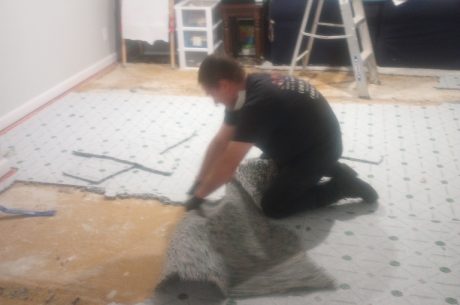
- Floor repairs following water damage, fire, or flooding
- Subfloor replacement or structural floor repairs
- Installing heated flooring systems
Electrical Repairs: Safety First
DIY Difficulty Level: Easy to Dangerous
Electrical work presents serious safety risks and typically requires permits and inspections. While some basic tasks are manageable, most electrical projects should be left to licensed electricians.
Safe DIY Electrical Tasks:
- Replacing standard light bulbs with energy-efficient LED or CFL alternatives
- Installing new outlet covers and switch plates
- Replacing light switch covers
- Installing battery-operated smoke detectors
Always Hire a Professional For:
- Installing new electrical outlets or circuits
- Upgrading electrical panels or fuse boxes
- Installing ceiling fans or heavy light fixtures
- Any rewiring projects
- GFCI outlet installation in bathrooms and kitchens
- Outdoor electrical work
Warning Signs You Need an Electrician:
- Frequent circuit breaker trips
- Flickering lights
- Outlets that feel warm to the touch
- Burning smells from electrical components
Plumbing Work: Proceed with Caution
DIY Difficulty Level: Easy to Moderate
Basic plumbing maintenance can save you money on service calls, but major plumbing work should be handled by licensed professionals to avoid costly water damage.
DIY Plumbing Projects:
- Faucet Repairs: Replace washers, O-rings, and cartridges in leaky faucets
- Toilet Maintenance: Replace flappers, chains, and fill valves
- Drain Cleaning: Use plungers, drain snakes, or enzymatic cleaners for minor clogs
- Showerhead Installation: Most models simply screw onto existing pipe threads
- Toilet Seat Replacement: Quick and straightforward with basic tools
Call a Professional Plumber For:
- Moving or installing new plumbing fixtures
- Pipe replacement or major leak repairs
- Water heater installation or repair
- Sewer line issues
- Installing new water supply lines
- Bathroom or kitchen remodeling projects
Red Flags Requiring Immediate Professional Help:
- Multiple drain backups
- No hot water
- Sewage odors
- Water stains on walls or ceilings
Installing Tile: Precision Required
DIY Difficulty Level: Moderate to Advanced
Tile installation requires patience, precision, and the right tools. While small projects are manageable for experienced DIYers, larger installations are best left to professionals.
DIY-Appropriate Tile Projects:
- Kitchen Backsplash Installation: Smaller area allows for practice and easier error correction
- Single Tile Replacement: Match existing tiles and use proper adhesive and grout
- Decorative Accent Tiles: Add visual interest to existing installations
- Small Bathroom Areas: Such as shower niches or small accent walls
Professional Installation Recommended:
- Large floor tile installations
- Bathroom shower and tub surrounds
- Outdoor tile projects
- Natural stone tile installation
- Heated tile floor systems
When to Call a Restoration Professional:
- Visible mold growth behind existing tile
- Water damage or soft spots in walls
- Musty odors indicating hidden moisture problems
- Structural issues affecting tile substrate
Smart Money-Saving Tips for Home Repairs
Tool Rental vs. Purchase
Before buying expensive tools for a one-time project, consider these alternatives:
- Rent from home improvement stores for tools you’ll use infrequently
- Borrow from friends or neighbors who own the equipment
- Join community tool libraries in areas where available
- Factor rental costs into your budget when comparing DIY vs. professional costs
Planning for Success
- Research thoroughly before starting any project
- Watch instructional videos from reputable sources
- Read manufacturer instructions completely before beginning
- Have a backup plan and professional contact information ready
- Start with smaller projects to build confidence and skills
Know When to Stop
- Don’t continue if you feel overwhelmed or unsafe
- Recognize when you’re in over your head before causing damage
- Budget for professional help as a contingency in your project planning
Professional Services: When Expert Help is Essential
Emergency Situations Requiring Immediate Professional Response:
- Water damage from burst pipes or flooding
- Fire damage requiring smoke and soot removal
- Mold discovery behind walls or in ventilation systems
- Electrical emergencies like exposed wires or electrical fires
- Gas line issues or gas odors
Specialized Services Worth the Investment:
- Structural repairs affecting home safety
- HVAC installation and major repairs
- Roofing projects on steep or high structures
- Foundation work requiring specialized equipment
- Permit-required projects needing inspections
Making the Right Choice for Your Home
The decision between DIY and professional help ultimately depends on your skill level, available time, tool access, and risk tolerance. Consider these factors:
Choose DIY When:
- You have the necessary skills and tools
- Mistakes won’t cause safety hazards or expensive damage
- You have adequate time to complete the project properly
- The project doesn’t require permits or inspections
Hire Professionals When:
- Safety risks are involved
- Specialized tools or expertise are required
- Building codes and permits are necessary
- The cost of potential mistakes exceeds professional fees
- You lack confidence in your abilities
Remember that attempting repairs beyond your skill level can lead to safety hazards, building code violations, and significantly higher costs when professionals must fix both the original problem and your attempted solution.
Conclusion
Smart homeowners know that successful home improvement isn’t about doing everything yourself—it’s about making informed decisions that balance cost savings with safety and quality results. By understanding your limits and knowing when to call in the experts, you can tackle rewarding DIY projects while avoiding costly mistakes.
For emergency restoration services including water damage, fire damage, smoke removal, and mold remediation, trust the expertise of certified professionals who have the training, equipment, and experience to restore your home safely and effectively. When disaster strikes, quick professional response can mean the difference between minor repairs and major reconstruction.
Ready to start your next home improvement project? Remember: measure twice, cut once, and never hesitate to call a professional when safety is on the line.
 PuroClean of Lansdale