 PuroClean of Lansdale
Table of Contents
Water damage restoration in Ambler addresses unique regional challenges including clay soil composition, historic construction methods, and Pennsylvania’s extreme weather patterns. This definitive guide explains the science of water migration and evaporation, professional restoration equipment and technology, hidden costs beyond initial damage, mold development timelines, and strategies for protecting belongings and structural integrity. Ambler properties face elevated risks from aging infrastructure and homes built before modern waterproofing standards. Professional restoration prevents the 10-15% property value loss associated with water damage history while using industrial dehumidifiers, moisture meters, and infrared cameras to ensure complete drying that DIY methods cannot achieve.
When Water Becomes Your Home’s Worst Enemy
The sound of dripping water at 3 AM. That unmistakable musty smell when you open the basement door. The sinking feeling when you step onto carpet that squishes under your feet. These are scenarios no Ambler homeowner wants to experience, yet thousands face them every year.
Water damage doesn’t discriminate. It attacks historic homes along Lindenwold Avenue just as readily as newer construction in Ambler’s developing neighborhoods. It strikes during winter freeze-thaw cycles, spring storm seasons, and even during quiet summer nights when a water heater decides its time is up. The question isn’t whether you’ll face water damage; it’s when, and whether you’ll be prepared to respond effectively.
This comprehensive guide to water damage restoration in Ambler provides the knowledge you need to protect your property, respond effectively during emergencies, and understand the restoration process from start to finish. Whether you’re dealing with a minor leak or major flooding, the information here could save you thousands of dollars and months of stress.
Why Ambler Properties Face Unique Water Damage Risks
Ambler, Pennsylvania, sits in a unique position that creates specific vulnerabilities for property owners. Understanding these local factors helps you better protect your investment and respond appropriately when problems arise.
Geographic and Topographic Factors
Ambler’s location in Montgomery County places it in an area where the Wissahickon Creek and its tributaries create natural drainage patterns. While the borough itself isn’t in a major floodplain, many properties sit in areas where groundwater can accumulate during heavy precipitation. The rolling terrain means water flows toward lower elevations, and if your property sits in one of these lower areas, you face increased risk.

The soil composition in the region contains significant clay content. Clay soil doesn’t drain quickly, meaning water sits near foundations longer after storms. This extended contact increases hydrostatic pressure and the likelihood of basement water infiltration. During spring thaw or heavy summer storms, this becomes particularly problematic.
Historical Construction Methods
Ambler’s charm includes many homes built in the early to mid-20th century. While these properties offer character and solid construction, they often lack modern waterproofing systems. Original foundations may not include moisture barriers, drainage systems, or proper grading that newer homes feature.
Many older Ambler homes have stone foundations that, while durable, can allow water seepage through joints and porous areas. Basement floors may be bare concrete poured directly on soil without proper vapor barriers. These historical construction methods, perfectly acceptable when built, create vulnerabilities by today’s standards.
Climate Patterns Affecting Ambler
Pennsylvania’s weather creates a perfect storm of water damage risks. Cold winters bring freeze-thaw cycles that crack foundations and burst pipes. Spring brings heavy rainfall and rapid snow melt. Summer thunderstorms can drop several inches of rain in hours. Fall brings more precipitation as weather systems transition.
The area averages about 45 inches of precipitation annually, spread fairly evenly throughout the year. This consistent moisture exposure means properties rarely get extended dry periods to recover from minor water issues. Professional water damage restoration in Ambler must account for these perpetual moisture challenges.
Infrastructure Considerations
Ambler’s municipal water and sewer systems, while well-maintained, include aging components in some neighborhoods. Older sewer laterals can develop issues with tree root intrusion, settling, or deterioration. When heavy rains overwhelm the system, backups can occur, creating Category 3 water damage scenarios requiring immediate professional response.
The Science Behind Water Damage; What’s Really Happening
Understanding the science of water damage helps property owners appreciate why professional restoration matters and why certain procedures are necessary.
Water Migration and Absorption
Water doesn’t simply sit where it lands. It follows the path of least resistance, flowing downward through gravity but also moving laterally through capillary action in porous materials. Drywall, wood, concrete, and insulation all absorb water at different rates and to different degrees.
Drywall can absorb substantial water, becoming saturated and compromised within hours. Wood swells as it absorbs moisture, potentially warping and permanently deforming. Concrete, while appearing solid, contains millions of tiny pores that allow water infiltration. These processes continue long after visible standing water is removed.
Evaporation and Humidity
When water evaporates from saturated materials, it doesn’t disappear; it becomes water vapor that increases indoor humidity. High humidity prevents further evaporation and creates ideal conditions for mold growth. This is why professional water damage restoration in Ambler requires dehumidification, not just water extraction and air movement.
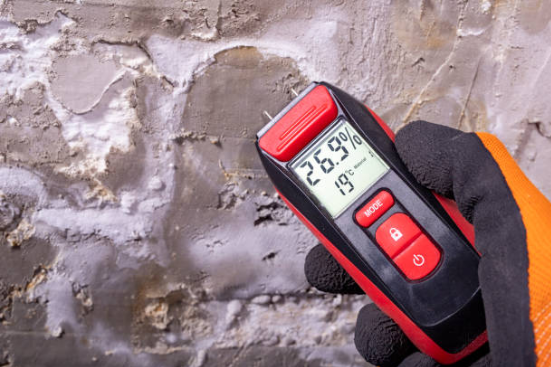
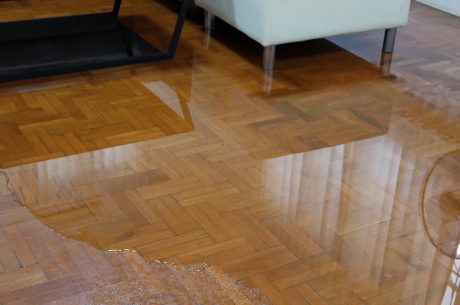
The relationship between temperature, humidity, and evaporation is complex. Professionals use psychrometric calculations to determine optimal equipment settings, air temperature, and humidity targets. Different materials require different drying approaches; hardwood floors need slower, more controlled drying than carpet to prevent warping and cracking.
Microbial Growth Dynamics
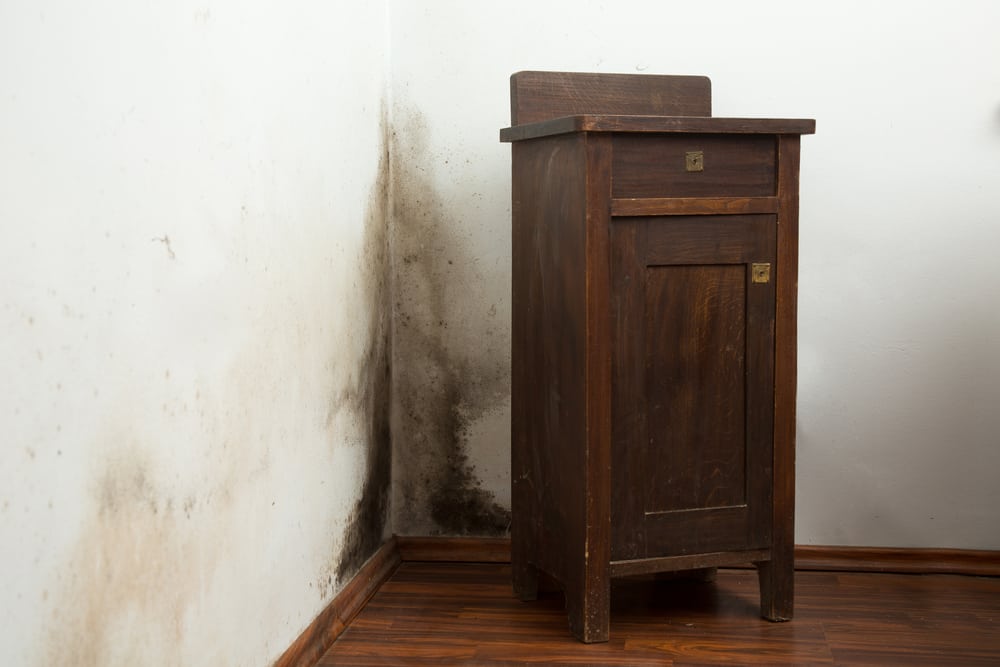
Bacteria and mold spores exist everywhere in the environment. Under normal conditions, they remain dormant. Water damage creates the moisture, organic material, and temperature conditions these organisms need to thrive. Mold can begin growing within 24 to 48 hours after water exposure.
Different mold species have different requirements and health implications. Some produce mycotoxins that cause serious health effects. Others are allergenic but less dangerous. All mold growth indicates excessive moisture that requires professional remediation and water damage mitigation strategies.
Material Degradation
Water doesn’t just wet materials; it changes their properties. Drywall gypsum core dissolves and loses structural integrity. Wood begins decomposing through bacterial action. Metals corrode through oxidation. Adhesives fail, causing delamination of flooring and other materials.
Some damage is immediately apparent. Other degradation processes continue for weeks or months if moisture isn’t properly removed. This delayed damage is why thorough professional restoration is essential, even when surface conditions appear acceptable.
Emergency Response Protocol for Water Damage
Having a clear action plan before water damage occurs reduces panic and minimizes damage when emergencies happen. Here’s your step-by-step emergency response protocol.
Pre-Emergency Preparation
Before water damage occurs, take these preparatory steps:
Know your main water shut-off valve location. Ensure it’s accessible and operational. Test it annually to verify it works properly. Make sure all household members know its location.
Program emergency contacts into your phone, including a 24/7 restoration company, your insurance agent, and utility companies. Keep hard copies of important documents, insurance policies, and emergency contacts in a waterproof container.
Create a home inventory with photos or video of all rooms and valuable items. Store this documentation securely off-site or in cloud storage. This dramatically simplifies insurance claims.
Identify the locations of floor drains, clean-outs, and utility shut-offs. Mark them clearly for easy location during emergencies.
Immediate Emergency Actions
When water damage occurs, follow these steps in order:
First Priority; Safety: Assess the situation for electrical hazards, structural instability, and contamination. If water has reached electrical panels or outlets, do not enter the area. If the ceiling is sagging or you hear cracking sounds, evacuate immediately.
Second Priority; Stop the Source: If the water source is controllable (burst pipe, overflowing appliance, running faucet), stop it. Turn off the main water supply if needed. For external flooding or uncontrollable sources, skip this step.
Third Priority; Document: Before touching anything, photograph and video everything. Capture wide shots showing the extent of damage and close-ups of specific affected areas. Include time stamps if your device allows. This documentation is crucial for insurance claims.
Fourth Priority; Contact Professionals: Call a certified water damage restoration company immediately. Companies specializing in water damage restoration in Ambler offer 24/7 emergency response and can typically arrive within hours. The faster professional help arrives, the less damage occurs.
Fifth Priority; Protect Undamaged Areas: If you can safely do so, remove items from affected areas. Place aluminum foil or wood blocks under furniture legs to prevent staining. Move valuable items, electronics, and documents to dry locations.
Sixth Priority; Begin Minor Mitigation: If it’s safe and the water is clean (Category 1), use towels or mops to soak up small amounts. However, don’t attempt major cleanup; leave that for professionals. Do not use regular vacuum cleaners on water; this creates serious electrical hazards.
Contacting Your Restoration Company
When calling for emergency water damage restoration in Ambler services, provide specific information:
- Your location and contact information
- The source of water damage, if known
- Approximate amount of water and areas affected
- Water category (clean, gray, or black), if you can determine
- Any safety concerns like electrical hazards or structural issues
- Whether you’ve stopped the water source
This information helps restoration teams arrive prepared with appropriate equipment and safety measures.
Professional Restoration Equipment and Technology
Professional water damage restoration uses specialized equipment that’s far more effective than consumer-grade tools. Understanding these technologies helps you appreciate the restoration process and recognize qualified professionals.
Water Extraction Equipment
Truck-Mounted Extractors: These powerful systems mount in vehicles and can extract thousands of gallons per hour through large-diameter hoses. They create powerful suction that removes water from carpets, floors, and other surfaces far more effectively than portable units.
Submersible Pumps: For standing water, submersible pumps quickly remove large volumes. Professional pumps can handle contaminated water and operate continuously without overheating, unlike consumer models.
Portable Extractors: These wheeled units access areas trucks can’t reach, like upstairs rooms or tight spaces. They’re powerful enough for professional use but mobile enough for convenience.
Drying Equipment
Industrial Dehumidifiers: These units remove dozens of gallons of moisture from the air daily. Low-grain refrigerant (LGR) dehumidifiers are particularly effective, operating efficiently even at lower humidity levels where standard dehumidifiers lose effectiveness.
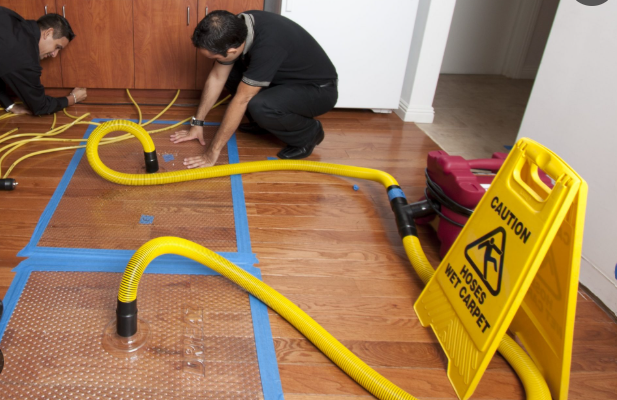
Air Movers: High-velocity air movers create airflow patterns that promote evaporation. Properly positioned air movers work synergistically with dehumidifiers; air movers promote evaporation while dehumidifiers remove the moisture from the air, allowing continuous drying.
Desiccant Dehumidifiers: These specialized units use chemical attractants rather than refrigeration to remove moisture. They’re particularly effective in cold environments or when extremely low humidity levels are needed.
Monitoring Equipment
Moisture Meters: These devices detect moisture content in materials. Pin-type meters use probes that penetrate surfaces, while pinless meters use electromagnetic waves to detect moisture non-destructively. Professionals use both types to map moisture and monitor drying progress.
Infrared Cameras: Thermal imaging reveals temperature differences that indicate moisture presence. Wet materials appear cooler than dry materials, allowing technicians to detect hidden moisture in walls, ceilings, and floors without destructive investigation.
Hygrometers and Thermo-Hygrometers: These instruments measure humidity and temperature, providing data needed for psychrometric calculations. This scientific approach ensures proper drying conditions.
Moisture Mapping Software: Modern restoration companies use software that documents moisture readings, creates visual maps of affected areas, and tracks drying progress over time. This provides verifiable documentation for insurance claims and ensures thorough drying.
Specialized Cleaning Equipment
Air Scrubbers: These units filter air, removing mold spores, bacteria, and odors. HEPA filtration captures 99.97% of particles down to 0.3 microns, dramatically improving air quality during restoration.
Foggers and Misters: For antimicrobial application and odor control, professional foggers distribute treatments evenly throughout affected spaces, reaching crevices and hard-to-access areas that manual application misses.
Sink overflow situations and other water damage scenarios often require specialized cleaning equipment to properly sanitize affected areas.
The True Cost of Water Damage; Beyond the Obvious
When water damage strikes, property owners naturally focus on immediate restoration costs. However, the true financial impact extends far beyond initial restoration bills.
Direct Restoration Costs
Professional water damage restoration in Ambler typically costs between $1,000 and $4,000 for minor incidents affecting small areas. Moderate damage affecting multiple rooms or requiring significant drying runs $4,000 to $10,000. Severe damage requiring extensive reconstruction can cost $10,000 to $50,000 or more.
These costs include:
- Emergency response and inspection
- Water extraction
- Drying and dehumidification (typically 3-5 days minimum)
- Antimicrobial treatments
- Content manipulation and cleaning
- Minor repairs and reconstruction
Category 3 water damage (sewage or contaminated water) costs significantly more due to safety protocols, specialized cleaning, and extensive material removal. Professional mold removal costs add to restoration expenses if mold develops.
Hidden and Delayed Costs
Structural Damage: Water compromises structural elements. Even after visible damage is repaired, hidden deterioration continues if moisture wasn’t fully removed. Floor joists, wall studs, and support beams may require replacement months or years later if initial restoration was inadequate.
Mold Remediation: If water damage isn’t addressed promptly and thoroughly, mold develops. Remediation requires containment, specialized cleaning, material removal, and significant reconstruction. Costs often exceed original water damage restoration by two to three times.
Health Impacts: Mold exposure causes respiratory issues, allergies, and other health problems. Medical costs, lost work time, and reduced quality of life represent significant financial impacts beyond property damage.
Property Value Loss: Homes with documented water damage or mold history sell for 10-15% less than comparable properties. Buyers fear hidden problems and factor remediation costs into their offers. Professional documentation of proper restoration helps mitigate this impact.
Insurance Premiums: Filing water damage claims can increase your insurance premiums. Multiple claims may lead insurers to non-renew policies, forcing you into more expensive high-risk insurance markets.
Temporary Housing: Severe water damage may render your home uninhabitable during restoration. Hotel costs, temporary rentals, and associated expenses add up quickly. While insurance may cover these costs, deductibles and limits apply.
Opportunity Costs
Time spent managing water damage restoration diverts attention from work, family, and other priorities. The stress and disruption create intangible costs that, while difficult to quantify, significantly impact quality of life.
Prevention Investment vs. Damage Costs
Preventive measures cost far less than restoration. A $500 sump pump with battery backup prevents thousands in basement flooding damage. A $100 annual plumbing inspection identifies problems before they become emergencies. Water leak detection systems costing $300-500 alert you to leaks immediately, often preventing damage entirely.
The return on investment for prevention is substantial. Most water damage scenarios that homeowners face are preventable through regular maintenance and modest investments in protective systems.
Mold; The Silent Consequence of Water Damage
Mold growth following water damage represents one of the most serious secondary problems property owners face. Understanding mold helps you recognize its danger and importance of professional remediation.
How Quickly Mold Develops
Mold spores exist everywhere. They’re in the air we breathe, on surfaces, and throughout the environment. Under normal conditions, they remain dormant. Water damage creates ideal growth conditions; moisture, organic material (wood, drywall, paper), and moderate temperatures.
Within 24 to 48 hours of water exposure, mold begins growing. By 72 hours, visible mold colonies often appear. This rapid development is why time is critical when addressing water damage. Professional water damage restoration in Ambler includes antimicrobial treatments and proper drying protocols specifically to prevent mold growth.
Health Effects of Mold Exposure
Mold affects different people differently. Some individuals show minimal symptoms, while others develop severe reactions. Common health effects include:
- Respiratory symptoms; coughing, wheezing, shortness of breath
- Nasal and sinus congestion
- Eye irritation; burning, watering, redness
- Skin irritation and rashes
- Headaches and fatigue
- Allergic reactions ranging from mild to severe
Certain mold species produce mycotoxins that cause more serious health effects. Black mold (Stachybotrys chartarum) receives significant attention, though many mold varieties pose health risks. Immunocompromised individuals, young children, elderly people, and those with respiratory conditions face greater risks.
Where Mold Hides
Mold grows wherever moisture and organic material meet. Visible mold on walls or ceilings represents only part of the problem. Mold also grows:
- Inside wall cavities
- Under flooring and carpet padding
- In HVAC systems and ductwork
- Behind cabinets and appliances
- In attics and crawl spaces
- On the backside of drywall
This hidden growth is why professional mold assessment uses specialized tools. Infrared cameras detect temperature differences indicating moisture. Moisture meters confirm elevated levels. Air sampling identifies spore concentrations even when mold isn’t visible.
Professional Mold Remediation
Proper mold remediation requires containment, specialized equipment, and specific protocols. Trying to clean mold yourself often spreads spores throughout your home, making the problem worse. Professional remediation includes:
Containment: Physical barriers and negative air pressure prevent mold spores from spreading to unaffected areas during remediation.
Air Filtration: HEPA air scrubbers continuously filter air, capturing spores before they can settle and establish new colonies.
Material Removal: Porous materials (drywall, insulation, carpet) that have significant mold growth generally require removal and disposal. Non-porous surfaces can often be cleaned.
Antimicrobial Treatment: EPA-registered antimicrobial products kill remaining mold and help prevent regrowth.
Source Correction: Addressing the moisture source prevents future mold growth. No amount of cleaning solves mold problems if moisture issues continue.
Asbestos concerns add complexity to mold remediation in older Ambler homes. Materials containing asbestos require special handling and licensed professionals.
Protecting Your Belongings During Water Damage
Water damage affects not just your property structure but also personal belongings, furniture, electronics, and irreplaceable items. Understanding how to protect these items minimizes loss.
Immediate Item Protection
When safe, remove items from affected areas as quickly as possible. Priority items include:
- Electronics; immediately unplug and move to dry areas
- Important documents; financial records, legal papers, photographs
- Valuable items; jewelry, collectibles, heirlooms
- Furniture; particularly wood furniture that warps when wet
- Textiles; clothing, linens, curtains
Even if items are wet, removing them from standing water and wet environments reduces damage. Dry items in well-ventilated areas, but don’t use heat sources like ovens or hair dryers, which can cause additional damage.
Professional Content Cleaning
Restoration companies offer specialized content cleaning services using ultrasonic cleaning, freeze-drying, and other advanced techniques that salvage items impossible to restore through conventional methods.


Content pack-out services inventory, remove, clean, and store your belongings during restoration. Items return only when your property is fully restored, properly dried, and safe. This service protects belongings and creates space for effective structural restoration.
Electronics and Appliances
Water and electronics don’t mix. Even if electronics appear dry on the outside, internal moisture causes corrosion and failure. Never turn on water-damaged electronics without professional evaluation. Restoration companies work with electronics restoration specialists who can often save devices through:
- Complete disassembly and cleaning
- Corrosion removal
- Component replacement
- Thorough drying in controlled environments
- Testing before return
Appliances affected by water damage need professional inspection before reuse. Water heaters, HVAC systems, washers, and other appliances may have internal damage not visible externally. Safety concerns require expert evaluation.
Documents and Photographs
Documents and photographs often hold irreplaceable value. Wet documents require careful handling:
- Separate items carefully to prevent tearing
- Blot excess water with clean absorbent materials
- Lay flat or hang to air dry
- Use fans for circulation but avoid direct heat
- Consider professional document restoration for valuable items
Modern photo printing may be somewhat water-resistant, but older photographs deteriorate rapidly when wet. Professional restoration uses freeze-drying and other techniques to salvage damaged photographs and documents that appear beyond saving.
Textiles and Furniture
Upholstered furniture absorbs substantial water and dries slowly. Professional cleaning and drying prevents mold growth and permanent damage. Wood furniture requires careful drying to prevent warping, cracking, and finish damage. Rapid drying causes wood to crack; controlled, gradual drying preserves pieces.
Carpets and pad affected by Category 2 or 3 water typically require disposal. Even Category 1 water damage may require carpet replacement if water has been present more than 48 hours. Professional assessment determines what’s salvageable versus what requires replacement.
Water Damage and Your Home’s Structural Integrity
Water doesn’t just damage finishes and belongings; it compromises structural elements that support your home. Understanding these impacts emphasizes why professional restoration matters.
Foundation Impacts
Water around foundations creates hydrostatic pressure that forces moisture through concrete. Over time, this causes:
- Foundation cracks that expand
- Efflorescence (white mineral deposits on concrete)
- Spalling and deterioration of foundation surfaces
- Structural movement and settling
Chronic water infiltration weakens foundations progressively. What starts as minor seepage becomes major structural problems requiring extensive repair. Professional water damage restoration in Ambler addresses both immediate water damage and underlying foundation issues contributing to water intrusion.
Wood Structural Elements
Homes use wood for framing, floor systems, roof structures, and other critical elements. Water damage affects wood in several ways:
Swelling: Wood absorbs water and swells, causing dimensional changes. Floors buckle, doors stick, and framing distorts.
Rot: Prolonged moisture exposure allows wood-destroying fungi to establish. Wood rot seriously compromises structural integrity. Affected members lose load-bearing capacity and require replacement.
Insect Attraction: Moisture-damaged wood attracts termites, carpenter ants, and other wood-destroying insects. These pests compound damage and spread to previously unaffected areas.
Floor Systems
Floor systems typically include subfloors, floor joists, and finished flooring. Water affects all these components:
Subfloors (usually plywood or OSB) absorb water readily, swelling and delaminating. Once compromised, subfloors lose strength and must be replaced. Floor joists exposed to moisture can rot, compromising structural support. Finished flooring (hardwood, laminate, tile) suffers damage ranging from staining to complete failure.
Professional assessment determines repair versus replacement needs. Sometimes only the visible flooring requires replacement; other times, complete floor system removal and reconstruction is necessary.
Wall Systems
Interior walls typically include framing studs, drywall, and various finishes. Water damage affects these components differently:
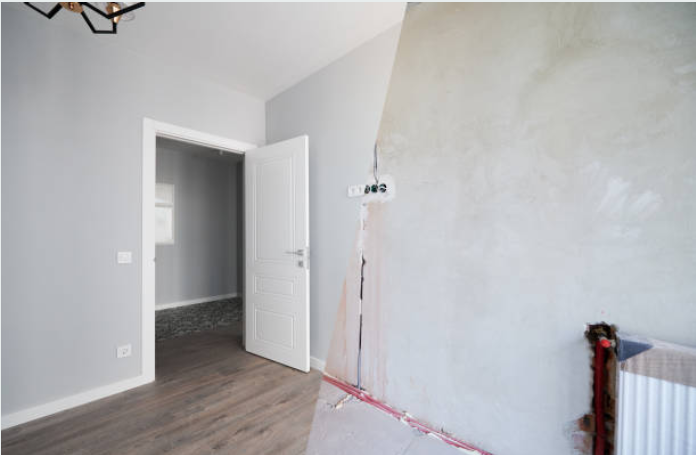
Drywall absorbs water like a sponge. Once saturated, it loses structural integrity and typically requires replacement. Attempting to dry heavily saturated drywall often fails, leaving weakened material that eventually fails.
Wall studs (wood or metal) provide structural support. Wood studs exposed to water can rot, while metal studs corrode. Insulation within walls absorbs water, loses R-value, and promotes mold growth. Most types require replacement after water exposure.
Working with Insurance Adjusters Effectively
Navigating insurance claims adds stress to an already difficult situation. Understanding the process and working effectively with adjusters maximizes your settlement and reduces headaches.
Understanding Your Policy
Before damage occurs, understand your coverage. Review your policy, noting:
- Coverage limits and deductibles
- Specific inclusions and exclusions
- Requirements for prompt notification
- Procedures for filing claims
- Provisions for temporary housing
Different policies vary significantly. Replacement cost policies pay for new materials regardless of depreciation. Actual cash value policies factor in depreciation, paying less. Understanding your coverage prevents surprises during claims.
Immediate Notification
Most policies require prompt notification of damage. Call your insurance company immediately after ensuring safety and contacting restoration professionals. Delayed notification can jeopardize your claim. When calling, provide:
- Policy number and contact information
- Nature and extent of damage
- Source of water damage
- Date and time damage occurred
- Actions you’ve taken (stopping water, contacting restoration company)
Request a claim number and adjuster assignment. Document the name and contact information of everyone you speak with.
Documentation Best Practices
Comprehensive documentation supports your claim. Insurance companies require evidence of damage and proof of loss. Before any cleanup begins:
- Photograph and video all affected areas from multiple angles
- Capture close-ups of specific damage
- Include time and date stamps if possible
- Document water levels with measurements
- Photograph damaged belongings
- Create detailed written descriptions
Continue documenting throughout restoration. Photograph drying equipment placement, removed materials, and restoration progress. This evidence demonstrates proper mitigation and supports your claim.
The Adjuster’s Inspection
Insurance adjusters inspect damage to assess claims. Be present during inspections when possible. Point out all damaged areas; adjusters focus on major visible damage but may miss secondary impacts. Have your restoration company’s representative present; they identify issues adjusters might overlook.
Adjusters prepare estimates based on their inspection. These initial estimates often undervalue damage. Professional restoration companies providing water damage restoration in Ambler services help identify discrepancies and advocate for complete coverage.
Mitigation Requirements
Insurance policies require policyholders to mitigate damage. This means taking reasonable steps to prevent additional damage. Professional restoration qualifies as mitigation. DIY attempts, delays, or inadequate response can result in claim denials for preventable damage.
Document all mitigation efforts, including:
- When restoration company was contacted
- When services began
- What services were performed
- Costs of emergency services
- Receipts for all expenses
Most policies cover reasonable mitigation costs even when total damages exceed policy limits.
Dealing with Claim Disputes
Sometimes adjusters deny claims or offer inadequate settlements. If this happens:
- Request written explanation of denial or low offer
- Review your policy carefully for applicable coverage
- Obtain independent damage assessments
- Consider hiring a public adjuster who works for you, not the insurance company
- Document everything in writing
Professional restoration companies often assist with claim disputes, providing technical expertise and documentation supporting your claim. Contact reputable restoration companies for guidance navigating complex claims situations.
Long-Term Solutions and Property Improvements
After experiencing water damage, implementing preventive measures and improvements reduces future risk and protects your investment.
Comprehensive Waterproofing
For properties with recurring water issues, comprehensive waterproofing provides long-term solutions:
Exterior Waterproofing: Excavating around foundations, applying waterproof coatings, installing drainage systems, and proper backfill creates barriers preventing water infiltration.
Interior Waterproofing: Installing interior drain tile systems, sump pumps with battery backup, and vapor barriers on walls provides protection when exterior solutions aren’t feasible.
Combination Approaches: Often, combining exterior and interior strategies provides optimal protection.
Drainage Improvements
Proper drainage redirects water away from your property:
- Ensure gutters and downspouts function properly; clean regularly and extend downspouts at least six feet from foundations
- Grade soil away from foundations; ground should slope at least 6 inches over 10 feet
- Install French drains or swales to redirect surface water
- Consider yard drainage systems for properties with chronic standing water
Plumbing Upgrades
Upgrading aging plumbing prevents common water damage sources:
- Replace old supply lines, particularly polybutylene and galvanized pipes
- Install braided stainless steel supply lines to appliances
- Upgrade to PEX or copper plumbing in older homes
- Install water leak detection systems
- Consider whole-house shut-off valves that activate automatically when unusual water flow is detected
Foundation Repairs
Foundation cracks allow water infiltration and compromise structural integrity. Professional foundation repair includes:
- Crack injection with epoxy or polyurethane
- Carbon fiber reinforcement for bowed walls
- Pier systems for settling foundations
- Comprehensive drainage solutions
HVAC Improvements
HVAC systems affect indoor humidity and air quality. Improvements include:
- Ensuring proper condensate drain function
- Installing pan switches that shut off systems when drain lines clog
- Upgrading to systems with better humidity control
- Adding whole-house dehumidification in humid climates
Smart Home Technology
Modern technology provides early warning and prevention:
- Water leak sensors at critical locations
- Smart water shut-off valves controllable via smartphone
- Humidity monitors alerting you to elevated levels
- Sump pump monitors indicating when pumps activate or fail
These systems typically cost $300-1,000 but prevent thousands in water damage.
Regular Maintenance Programs
Implementing regular maintenance prevents most water damage:
- Annual plumbing inspections
- Twice-yearly gutter cleaning
- Seasonal roof inspections
- Regular HVAC maintenance
- Monitoring basement humidity and addressing elevations
- Testing sump pumps quarterly
Maintenance costs far less than restoration. Investing in prevention protects your property and provides peace of mind.
Conclusion
Water damage restoration in Ambler requires understanding local challenges, rapid response, professional expertise, and comprehensive solutions. From Ambler’s unique geography and weather patterns to the complex science of water migration and microbial growth, every aspect of water damage demands specialized knowledge and proper equipment.
The true cost of water damage extends far beyond immediate restoration expenses. Structural impacts, health concerns, property value effects, and the potential for catastrophic mold growth make professional restoration essential, not optional. DIY approaches may seem economical initially but often result in incomplete drying, hidden moisture problems, and expensive secondary damage.
Working effectively with insurance companies, protecting belongings, and understanding the restoration process reduces stress during emergencies. More importantly, implementing preventive measures, upgrading vulnerable systems, and maintaining your property proactively prevents most water damage scenarios entirely.
When water damage does occur, immediate professional response minimizes damage and costs. Companies specializing in water damage restoration in Ambler provide 24/7 emergency services, comprehensive restoration from extraction through reconstruction, and insurance assistance that simplifies the claims process.
Your home represents your largest investment and your family’s sanctuary. Protecting it from water damage through knowledge, preparation, and professional support when needed ensures it remains safe, healthy, and valuable for years to come.
Don’t wait for disaster to strike. Contact PuroClean of Lansdale today at (267) 834-5900 to schedule a property assessment, discuss preventive strategies, or respond to water damage emergencies. Located at 2033 Lucon Rd, Bldg. Rear, Schwenksville, PA 19473, we serve Ambler and all Montgomery County communities with certified, professional restoration services that protect your property and peace of mind.
Stay Connected
Follow us for property protection tips, emergency preparedness guidance, and restoration insights:

 PuroClean of Lansdale