 PuroClean of Lansdale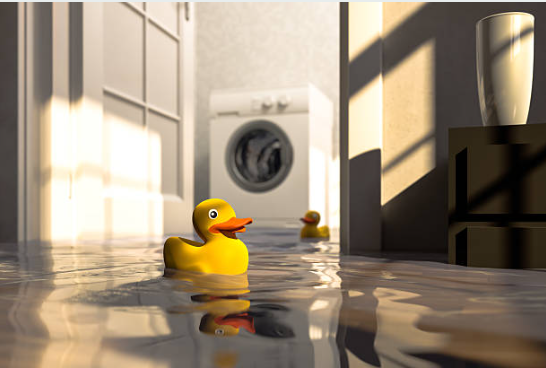
Table of Contents
Water doesn’t wait for permission to destroy your home. When a pipe bursts at 3 AM or a storm floods your basement on a quiet Sunday morning, every minute counts. For Blue Bell residents, understanding the immediate actions required during water damage emergencies can mean the difference between a quick restoration and months of costly repairs, mold growth, and structural damage.
Water damage restoration in Blue Bell requires immediate response within 24-48 hours to prevent permanent damage. This comprehensive guide covers emergency response protocols, professional restoration processes, cost-saving strategies, and prevention tips specifically tailored for Blue Bell homeowners facing water damage from burst pipes, flooding, or storm damage.
Understanding Water Damage in Blue Bell Homes
Blue Bell’s unique geographic location in Montgomery County brings specific water damage risks that homeowners must understand. The area experiences seasonal weather patterns that contribute to various water intrusion scenarios throughout the year.
IMAGE 1 PLACEMENT HERE Suggested Image: Blue Bell residential home with visible water damage on exterior walls or flooded basement Alt Text: Water damage restoration in Blue Bell home showing flooding aftermath
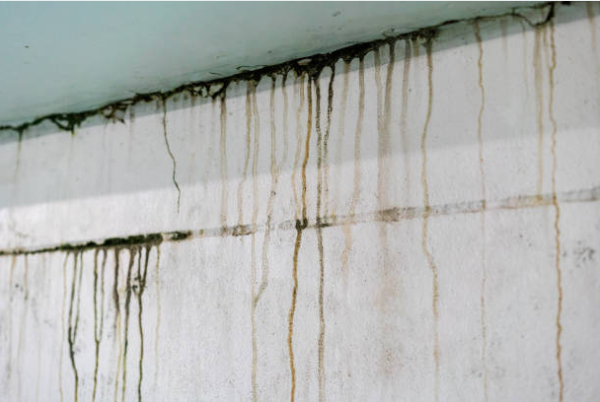
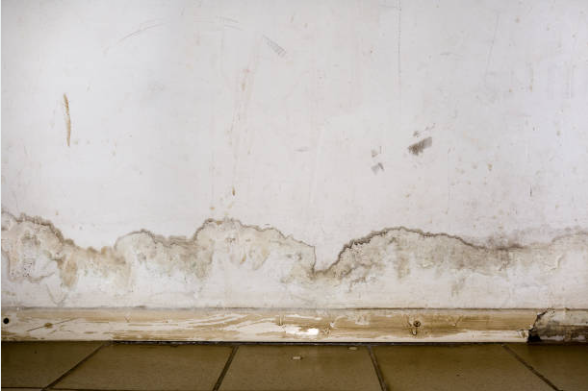
Spring thaw events combined with heavy rainfall can overwhelm drainage systems, causing basement flooding. Winter freeze-thaw cycles stress plumbing systems, leading to burst pipes. Summer thunderstorms bring flash flooding risks. Understanding these patterns helps homeowners prepare and respond effectively.
Water damage classifications determine restoration approaches. Category 1 involves clean water from supply lines. Category 2 contains contaminants from appliances or toilets. Category 3 includes severely contaminated water from sewage or flooding. Each category requires different safety protocols and restoration techniques.
The severity also matters. Class 1 affects minimal areas with low absorption materials. Class 2 impacts entire rooms with significant absorption. Class 3 involves water from overhead sources affecting walls and ceilings. Class 4 requires specialty drying due to deep saturation in materials like hardwood or plaster.
The First 30 Minutes: Emergency Response Actions
Time becomes your enemy the moment water invades your property. Water damage restoration in Blue Bell starts with your immediate actions before professionals arrive.
First, ensure everyone’s safety. If water contacts electrical outlets or appliances, shut off electricity at the main breaker. Never enter standing water without confirming power is disconnected. Evacuate anyone unable to safely navigate the affected area.
Stop the water source if possible. Shut off the main water valve for burst pipes. Place buckets under leaking ceilings. Move furniture and valuables to dry areas. Remove area rugs to prevent dye transfer. Lift upholstered furniture onto blocks to prevent further absorption.
Document everything immediately. Take photos and videos from multiple angles before moving items. Capture water levels, affected areas, and damaged belongings. This documentation proves invaluable for insurance claims and helps restoration professionals assess damage severity remotely.
Contact emergency restoration services immediately. Available 24/7 at (267) 642-1220, professional teams mobilize quickly to prevent secondary damage. Quick response prevents mold growth, which can begin within 24-48 hours of water exposure.
Open windows and doors for ventilation if weather permits. Use fans to promote air circulation. Remove excess water with mops or towels. These actions slow damage progression until professionals arrive with industrial equipment.
Professional Water Damage Restoration Process
Understanding professional restoration helps homeowners know what to expect and why each step matters for complete recovery.
Initial Assessment and Inspection
Certified technicians arrive equipped with moisture detection technology. Infrared cameras identify hidden water behind walls and under floors. Moisture meters measure saturation levels in various materials. This assessment determines restoration scope and creates an action plan.
Technicians categorize water type and damage class. They identify safety hazards like compromised structures or electrical dangers. This inspection phase typically takes 45-90 minutes, depending on property size and damage extent.

Water Extraction
Industrial-grade pumps and vacuums remove standing water rapidly. Truck-mounted extraction units handle large volumes efficiently. Specialized tools reach water trapped in tight spaces under cabinets or in crawl spaces.
Complete extraction prevents further damage and accelerates drying. Even after visible water removal, materials remain saturated and require thorough drying processes.
Drying and Dehumidification
Professional-grade air movers create optimal airflow patterns for efficient drying. Commercial dehumidifiers remove moisture from air and materials. Strategic equipment placement ensures thorough drying of all affected areas.
This phase typically requires 3-5 days but varies based on damage severity, materials affected, and environmental conditions. Technicians monitor progress with moisture meters, adjusting equipment placement as needed.
Specialized techniques handle unique situations. Desiccant dehumidification works in enclosed spaces. Injecting dry air into wall cavities prevents hidden moisture accumulation. Floor mat systems extract water from hardwood floors without removal.
Cleaning and Sanitization
Water carries contaminants requiring thorough sanitization. Professional-grade antimicrobials prevent bacterial growth. Air scrubbers with HEPA filters remove airborne particles and odors.
Technicians clean and sanitize all affected surfaces, belongings, and structural elements. This prevents mold growth and ensures safe occupancy after restoration.
Restoration and Reconstruction
Final restoration returns your property to pre-loss condition. Minor repairs include replacing drywall, painting, and installing new carpet. Major reconstruction involves structural repairs, extensive remodeling, or complete room rebuilds.
Reconstruction services handle everything from minor cosmetic fixes to major structural work, providing single-source convenience during stressful situations.
Types of Water Damage and Their Unique Challenges
Different water damage scenarios require specialized approaches for effective restoration.
Burst Pipes and Plumbing Failures
Frozen pipes burst without warning, releasing hundreds of gallons within hours. Supply line failures affect specific areas but can saturate walls and subfloors. These situations typically involve clean water initially, though contamination risk increases over time.
Quick response minimizes damage. Professional water damage restoration in Blue Bell addresses burst pipe emergencies promptly, preventing extensive structural damage and mold development.

Basement Flooding
Basements flood from multiple sources: heavy rainfall overwhelming drainage, sump pump failures, foundation cracks, or sewer backups. Each source presents unique contamination and safety concerns.
Sewer backups contain dangerous pathogens requiring specialized handling and disposal. Foundation flooding may indicate structural issues needing repair before restoration completion. Proper assessment identifies root causes while addressing immediate damage.
Storm and Flood Damage
Severe weather events bring overwhelming water volumes and extensive contamination. Floodwater contains sewage, chemicals, and debris requiring careful handling. Storm damage often combines water intrusion with wind damage, requiring comprehensive restoration approaches.
Appliance Leaks and Failures
Water heaters, washing machines, dishwashers, and refrigerators fail gradually or catastrophically. Slow leaks cause hidden damage over time, while sudden failures release large volumes quickly. Regular appliance maintenance prevents many failures, but age and wear eventually cause problems.
Roof Leaks
Damaged shingles, flashing failures, or ice dams allow water into attic spaces and walls. This water travels along structural elements, appearing far from entry points. Roof leaks often go unnoticed until significant damage accumulates, making regular inspections crucial.
Cost Factors for Water Damage Restoration
Understanding cost factors helps homeowners budget and make informed decisions during restoration planning.
Damage Extent and Classification
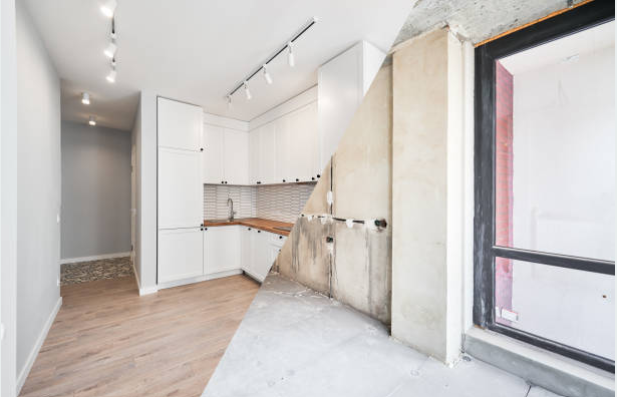
Minor water damage affecting single rooms costs less than whole-house flooding. Clean water extraction and drying costs less than contaminated water requiring specialized disposal and sanitization. Extensive structural damage requiring reconstruction significantly increases costs.
Average costs range from $1,000-$4,000 for minor incidents to $10,000-$50,000+ for major flooding. These figures vary based on property size, materials affected, and restoration requirements.
Materials Affected
Different materials require varied restoration approaches affecting costs. Hardwood floors may need specialty drying or replacement. Drywall absorbs water readily, often requiring removal and replacement. Carpet and padding typically need replacement after significant water exposure.
High-end finishes cost more to restore or replace. Tile, stone, and specialty materials require skilled craftsmen and premium materials for matching restoration.
Time Factor
Quick response reduces costs significantly. Water sitting for days causes secondary damage requiring extensive repairs. Mold growth necessitates expensive remediation. Structural damage from prolonged moisture exposure requires major reconstruction.
Emergency response services cost more than scheduled work but save money by preventing extensive damage. The 24/7 emergency availability at (267) 642-1220 provides immediate help when every minute counts.
Insurance Coverage
Most homeowner’s policies cover sudden, accidental water damage like burst pipes but exclude flood damage requiring separate flood insurance. Understanding coverage helps homeowners make informed decisions about restoration approaches.
Working with restoration companies experienced in insurance assistance streamlines claims processes. The Certified Priority Response program provides clear protocols and agreed-upon scopes, reducing claim costs and increasing satisfaction.
Preventing Future Water Damage
Prevention costs far less than restoration. Smart homeowners implement protective measures reducing water damage risks.
Regular Maintenance
Inspect plumbing regularly for leaks, corrosion, or damage. Replace aging water heaters before failure. Maintain appliances according to manufacturer recommendations. These simple steps prevent many common water damage scenarios.
Clean gutters and downspouts seasonally. Ensure proper drainage away from foundations. Grade soil to direct water away from structures. These exterior measures prevent water intrusion during storms.
Monitoring Systems
Water detection systems alert homeowners to leaks before major damage occurs. Smart sensors connect to smartphones, providing alerts even when away from home. Automatic shut-off valves stop water flow when leaks are detected.
Sump pumps need regular testing and maintenance. Battery backup systems prevent failures during power outages when pumps are most critical. Consider alarm systems alerting you to pump malfunctions.
Winterization
Blue Bell’s winter temperatures cause frozen pipe risks. Insulate exposed pipes in unheated areas like crawl spaces, attics, and garages. Disconnect and drain outdoor hoses. Shut off exterior faucets and drain supply lines.
During extreme cold, allow faucets to drip slightly. Open cabinet doors under sinks allowing warm air circulation around pipes. These simple measures prevent costly burst pipe scenarios.
Learn more preventive strategies specifically designed for Montgomery County homes.
Property Improvements
Consider installing backwater valves preventing sewer backups during heavy rainfall. Upgrade sump pumps to models with greater capacity. Install french drains around foundations in flood-prone areas.
Seal foundation cracks promptly. Apply waterproofing treatments to basement walls and floors. These investments protect your property while increasing value.
Choosing the Right Restoration Company
Selecting qualified professionals ensures proper restoration and protects your investment.
Certifications and Training
Look for companies with Institute of Inspection, Cleaning and Restoration Certification (IICRC) credentials. These certifications demonstrate technical competence and commitment to industry standards. Ongoing training keeps technicians current with best practices and technologies.
Specialized certifications for water damage restoration, mold remediation, and structural drying indicate expertise in critical areas. Companies investing in advanced training deliver superior results.
Response Time and Availability
Water damage doesn’t follow business hours. Companies offering 24/7 emergency response prevent damage escalation. Quick mobilization demonstrates commitment to customer service and damage mitigation.
Local companies respond faster than distant competitors. Companies serving Blue Bell, Ambler, Horsham, Lansdale, and surrounding Montgomery County areas understand local conditions and maintain nearby equipment and personnel.
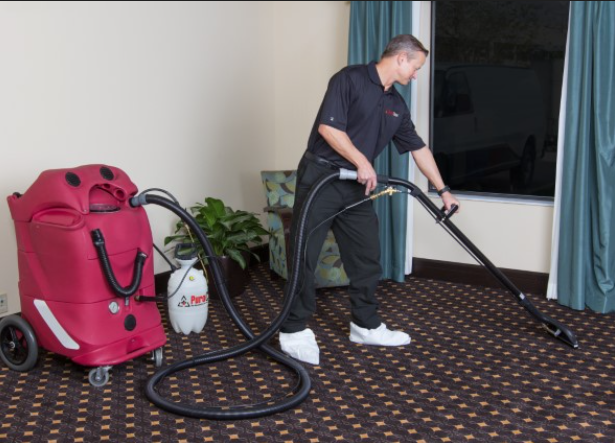
Equipment and Technology
Modern water damage restoration in Blue Bell requires advanced equipment. Industrial extractors, commercial dehumidifiers, air movers, and moisture detection technology enable thorough, efficient restoration.
Companies investing in proper equipment demonstrate professionalism and capability. Ask about equipment capabilities during initial consultations.
Insurance Experience
Companies familiar with insurance processes simplify claims and reduce stress. Direct insurance billing eliminates upfront costs. Clear documentation and communication with adjusters expedite approvals and payments.
Programs designed specifically for insurance partnerships, like Certified Priority Response, benefit both property owners and insurance companies through standardized processes and quality assurance.
Reviews and Reputation
Research companies thoroughly before emergencies occur. Check online reviews on Google Maps, social media platforms like Facebook and Instagram, and industry sites. Consistent positive feedback indicates reliable service.
Ask for references from past clients with similar situations. Reputable companies gladly provide references demonstrating their work quality and customer satisfaction.
Comprehensive Services
Choose companies handling all restoration aspects from initial extraction through final reconstruction. Single-source providers streamline communication, scheduling, and accountability. This convenience proves invaluable during stressful restoration periods.
Companies offering related services like fire damage restoration, mold remediation, and environmental hazard remediation demonstrate comprehensive expertise and capabilities.
Insurance Claims and Documentation
Proper documentation and claims management protect your financial interests during restoration.
Immediate Documentation
Photograph and video all damage before moving anything. Capture water levels, affected areas, damaged belongings, and source identification. Multiple angles provide comprehensive documentation for adjusters.
Create detailed inventories of damaged belongings including descriptions, approximate values, and purchase dates if known. This information supports claims for contents coverage.
Contact Your Insurance Company Promptly
Report damage immediately, even if uncertain about coverage. Delays may complicate claims. Provide basic information: date, time, cause, and general damage description. Request adjuster assignment and claim number for reference.
Understand your policy coverage, deductibles, and limitations. Ask specific questions about restoration coverage, temporary living expenses if applicable, and claims processes.
Professional Coordination
Restoration companies experienced in insurance work coordinate directly with adjusters. They provide detailed estimates, documentation, and progress reports. This coordination expedites approvals and ensures proper compensation.
The Certified Priority Response program establishes clear protocols and pre-approved scopes reducing delays and disputes. This benefit both property owners seeking quick restoration and insurance companies managing costs effectively.
Maintain Records
Keep copies of all documentation: estimates, invoices, correspondence, photos, and receipts. Organize materials chronologically for easy reference. These records prove invaluable if questions arise during claims processing.
Track all expenses related to water damage including temporary accommodations, storage, meals, and other covered costs. Submit these for reimbursement according to policy terms.
Understand the Process
Insurance claims involve multiple steps: reporting, inspection, estimate review, approval, restoration, and final payment. Understanding these steps reduces confusion and stress. Ask restoration companies and adjusters about expected timelines and next steps throughout the process.
Conclusion
Water damage restoration in Blue Bell requires quick response, professional expertise, and comprehensive approaches addressing immediate damage while preventing future problems. Understanding emergency protocols, restoration processes, cost factors, and prevention strategies empowers homeowners to protect their properties effectively.
Choosing qualified restoration professionals makes the difference between complete recovery and ongoing problems. Look for certified companies offering 24/7 emergency response, advanced equipment, insurance expertise, and comprehensive services handling all restoration aspects.
Don’t wait for disaster to strike before establishing a relationship with restoration professionals. Research companies now, understand your insurance coverage, implement preventive measures, and keep emergency contact information readily available.
For immediate assistance with water damage emergencies, contact PuroClean of Lansdale 24/7 at (267) 834-5900. Located at 2033 Lucon Rd, Bldg. Rear, Schwenksville, PA 19473, the team serves Blue Bell and surrounding Montgomery County communities with professional water damage restoration services. Connect on LinkedIn or X (Twitter) for helpful tips and updates.
Have you inspected your home for potential water damage risks, and do you know who to call when water damage strikes?

 PuroClean of Lansdale