 PuroClean of Lansdale
Table of Contents
Water damage restoration in Maple Glen is a time-sensitive process that demands immediate attention and professional intervention to prevent catastrophic property loss and health hazards. Every year, thousands of Maple Glen homeowners face water emergencies from burst pipes, severe storms, appliance failures, and flooding events; yet many remain unaware of crucial facts that could minimize damage and reduce restoration costs. This comprehensive guide reveals ten essential facts every property owner in Maple Glen must understand about water damage restoration, equipping you with the knowledge to protect your home, make informed decisions during emergencies, and avoid costly mistakes that could compromise your property’s structural integrity and your family’s health.
Fact 1: The First 24 Hours Determine Total Damage Severity
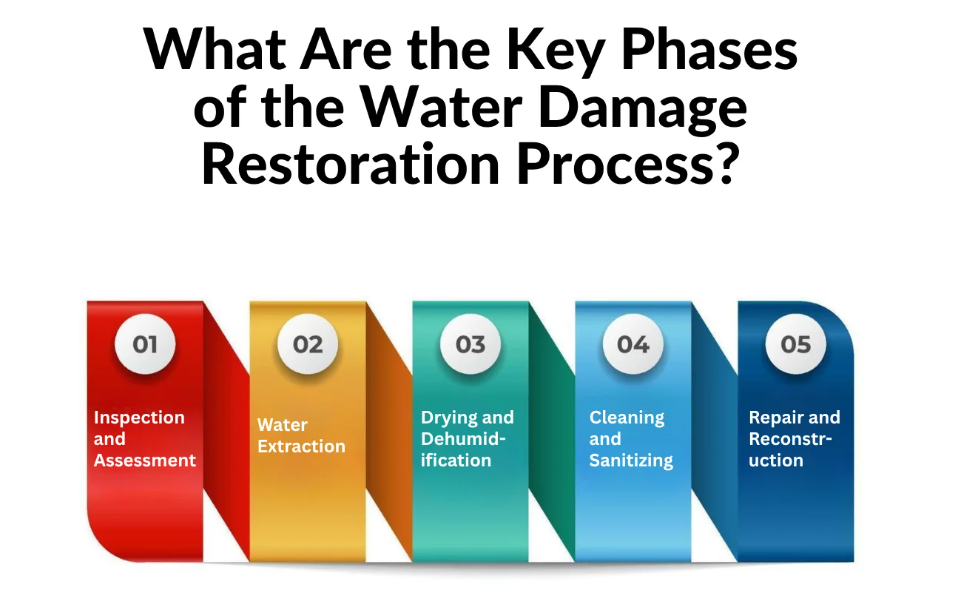
The single most important factor in water damage restoration in Maple Glen is response time. Within the first 60 minutes of water intrusion, water spreads rapidly throughout your property, saturating porous materials like carpet, drywall, insulation, and wood. Furniture absorbs water, metal surfaces begin corroding, and photographs, documents, and other paper goods start deteriorating.
Between 1 and 24 hours, damage accelerates exponentially. Drywall begins swelling and breaking down, metal surfaces tarnish, furniture swells and cracks, and dyes and inks from textiles, carpets, and artwork can bleed onto other materials. Wood flooring swells and warps, and contamination from bacteria and other microorganisms begins developing.
The 24-hour mark represents a critical threshold in water damage events. After this point, mold and mildew growth begins, structural damage becomes more severe, restoration costs increase dramatically, and health and safety risks escalate significantly. Some materials that could have been saved with immediate response become unsalvageable after 24-48 hours.
This timeline explains why professional water damage restoration in Maple Glen companies maintain 24/7 emergency response capabilities. Delays of even a few hours can mean the difference between minor restoration and major reconstruction, between saving precious belongings and losing them permanently.
Property owners often underestimate small water incidents, believing they can handle cleanup themselves or wait until normal business hours to call professionals. This mistake consistently leads to more extensive damage than the original incident warranted. Even seemingly minor water intrusions require immediate professional assessment to detect hidden moisture and prevent long-term complications.
The Certified Priority Response program addresses this critical timing factor by streamlining emergency response protocols, reducing response times, and ensuring restoration teams arrive equipped with appropriate tools and resources for the specific situation. This systematic approach minimizes damage and reduces overall restoration costs.
When water damage strikes, every minute counts. Having emergency contact information readily available eliminates precious time spent searching for qualified restoration companies. Store the emergency number (267) 834-5900 in your phone and post it in visible locations where all household members can access it quickly during emergencies.
Fact 2: Hidden Water Causes More Damage Than Visible Water
One of the most dangerous misconceptions about water damage is that what you see represents the full extent of the problem. In reality, water damage restoration in Maple Glen professionals consistently discover that hidden moisture causes significantly more damage than visible water accumulation.
Water follows the path of least resistance, traveling through wall cavities, beneath flooring systems, into insulation, and through structural elements. Gravity pulls water downward, so water on an upper floor inevitably affects lower levels; often in areas far from the original intrusion point. Water also wicks horizontally through porous materials, spreading damage far beyond the initial wet area.
Wall cavities present particular challenges because they’re invisible to property owners. Water inside walls saturates insulation, damages electrical systems, promotes mold growth, and weakens structural elements; all while showing minimal external signs. By the time visible damage appears on wall surfaces, extensive hidden damage has already occurred.
Flooring systems hide substantial water damage. Water seeps beneath vinyl, tile, and laminate flooring, saturating subfloors and creating ideal conditions for mold growth. Hardwood flooring can appear relatively dry on the surface while moisture trapped underneath causes warping, cupping, and crowning that manifests weeks after the water event.
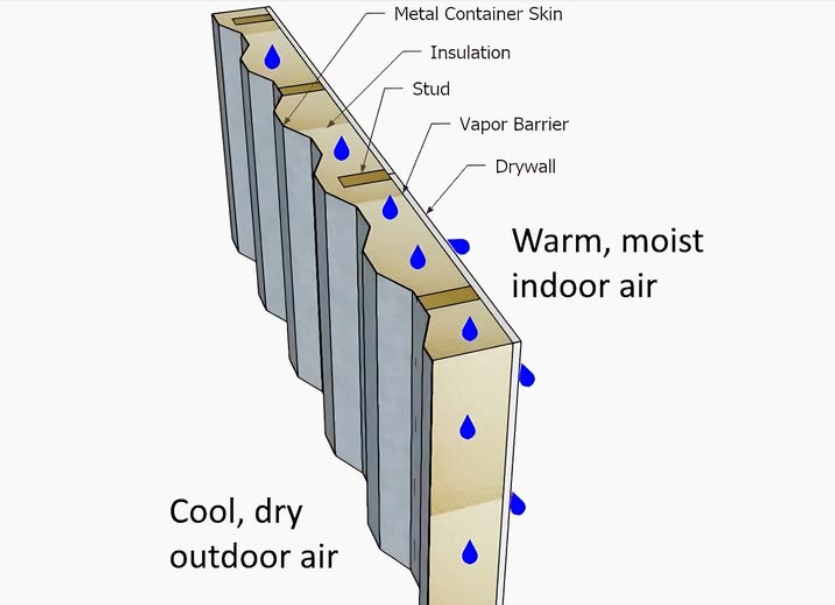
Ceiling cavities above water-damaged areas trap moisture, leading to collapsed ceilings, mold growth, and electrical hazards. Visual inspection from below rarely reveals the full extent of damage in attic spaces, roof systems, and upper-level floor systems.
Professional moisture detection technology addresses this challenge through tools unavailable to homeowners. Infrared thermal imaging cameras detect temperature differences indicating moisture presence behind surfaces. These cameras reveal water migration paths and hidden moisture accumulation without destructive investigation.
Moisture meters measure water content in various materials with pinpoint accuracy. These devices identify moisture gradients that guide strategic equipment placement for optimal drying efficiency. Hygrometers measure ambient humidity levels, helping technicians monitor drying progress and prevent secondary damage from excessive humidity.
Without this technology, homeowners attempting DIY restoration inevitably miss hidden moisture. This oversight seems insignificant initially but leads to devastating consequences when mold colonies establish themselves in wall cavities, under flooring, and in other hidden areas. By the time the problem becomes visible, remediation costs often exceed the original water damage restoration cost by several times.
The lesson is clear; never assume you’ve identified all water damage through visual inspection alone. Professional assessment using advanced detection technology is the only reliable method to map the full extent of water intrusion and develop comprehensive restoration plans that address both visible and hidden damage.
Fact 3: Your Homeowner’s Insurance Has Specific Water Damage Coverage Limitations
Understanding insurance coverage before water damage occurs prevents disappointing surprises when filing claims. Water damage restoration in Maple Glen residents often discover too late that their insurance policies contain significant limitations, exclusions, and requirements affecting coverage and claim payments.
Most standard homeowners insurance policies cover sudden and accidental water damage. This includes burst pipes, appliance malfunctions, water heater failures, and accidental overflow from sinks, tubs, or toilets. Coverage typically includes both the cost to repair or replace damaged property and professional restoration services necessary to dry the structure and prevent secondary damage.
However, policies typically exclude gradual damage resulting from long-term leaks, lack of maintenance, or slowly developing problems. If an adjuster determines that water damage resulted from a slow leak that should have been discovered and repaired earlier, the claim may be denied entirely or benefits significantly reduced.
Flood damage presents the most significant coverage gap. Standard homeowners policies explicitly exclude flood damage, which insurance companies define as water entering from outside the structure due to rising water levels. This includes river flooding, flash floods, heavy rain accumulation, and storm surge. Flood coverage requires separate flood insurance through the National Flood Insurance Program or private flood insurance carriers.
[Image Position 3] Image Description: Comparison chart showing covered versus non-covered water damage scenarios for homeowners insurance Alt Text: Water damage restoration in Maple Glen insurance coverage guide showing policy limitations
Sewer backup is another common exclusion unless specifically added as a policy endorsement. When municipal sewer systems overflow or tree roots cause backups into homes, the resulting damage may not be covered without this additional coverage. Given Maple Glen’s mature tree canopy and aging infrastructure in some neighborhoods, this endorsement provides valuable protection.
Policy limits and deductibles affect out-of-pocket costs. Some policies include sublimits for water damage that are lower than the overall dwelling coverage limit. Deductibles; the amount you pay before insurance coverage begins; vary by policy but typically range from $500 to $2,500 or more.
Prompt claim notification is crucial. Most policies require notification within a specific timeframe after damage discovery. Delays in reporting can result in reduced benefits or claim denial. Immediate notification protects your rights under the policy and allows the claims process to begin without unnecessary delays.
Policy requirements for mitigation; steps taken to prevent further damage; affect coverage. Insurance policies typically require property owners to take reasonable steps to prevent additional damage after the initial event. This includes stopping the water source if possible, removing standing water, and protecting undamaged property. Failure to mitigate can reduce claim payments by the amount of additional damage that could have been prevented.
Professional water damage restoration documentation satisfies insurance requirements and strengthens claims. Detailed moisture mapping, equipment logs, progress photographs, and daily reports demonstrate that restoration work is necessary, appropriately scoped, and properly executed according to industry standards.
Review your policy before water damage occurs, understand coverage limitations and exclusions, consider additional endorsements for flood and sewer backup protection, and maintain documentation of home maintenance to demonstrate you’ve fulfilled your responsibilities. These steps position you for successful claims when water damage strikes.
Fact 4: Mold Can Begin Growing Within 48 Hours
The relationship between water damage and mold growth makes time-sensitive response critical for water damage restoration in Maple Glen properties. Mold spores exist naturally in all environments, remaining dormant until moisture and organic material create ideal growth conditions. Water damage provides exactly these conditions, transforming dormant spores into active mold colonies within remarkably short timeframes.
Mold growth begins between 24 and 48 hours after water exposure in ideal conditions. Temperature, humidity, and available organic materials influence the exact timeline, but the 48-hour mark represents a critical threshold. Once mold establishes itself, colonies spread rapidly, releasing additional spores that colonize new areas and creating a cascading mold problem.
Mold doesn’t require standing water; elevated humidity levels above 60% provide sufficient moisture for growth. This means that even after visible water is removed, trapped moisture in walls, flooring, and other materials continues supporting mold development. The mold often establishes itself in hidden areas; inside wall cavities, beneath flooring, in ceiling spaces; where it grows undetected until visual signs or musty odors reveal its presence.
Different mold species present varying health risks. Some molds are relatively benign, causing minor allergic reactions or respiratory irritation in sensitive individuals. Others produce mycotoxins; toxic compounds that can cause serious health effects even in healthy individuals. The infamous “black mold” (Stachybotrys chartarum) produces potent mycotoxins linked to severe respiratory issues, neurological problems, and immune system suppression.
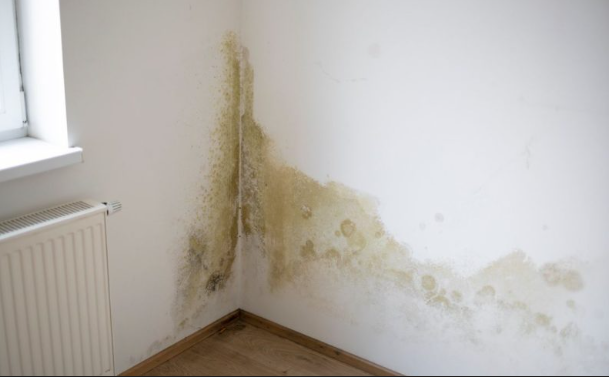
Health effects from mold exposure range from mild to severe depending on exposure duration, mold species, individual sensitivity, and concentration levels. Common symptoms include respiratory problems, allergic reactions, skin irritation, headaches, fatigue, and aggravation of asthma and other pre-existing conditions. Children, elderly individuals, and those with compromised immune systems face elevated risks.
Mold remediation is significantly more expensive than water damage restoration. While professional water damage restoration might cost a few thousand dollars for a moderate incident, mold remediation for the same property could easily cost $10,000 to $30,000 or more if mold has spread throughout HVAC systems or requires extensive material removal.
Prevention through rapid, thorough drying remains the most effective mold control strategy. Professional water damage restoration in Maple Glen teams understand the critical importance of the 48-hour window and deploy equipment and strategies designed to achieve complete drying within this timeframe whenever possible.
Air movers and dehumidifiers work synergistically to reduce humidity levels quickly, antimicrobial treatments inhibit microbial growth during the drying process, continuous moisture monitoring ensures materials reach appropriate dryness standards, and negative air pressure containment prevents moisture migration to unaffected areas.
Property owners sometimes believe that surface cleaning and drying visible water prevents mold growth. This misconception leads to devastating mold problems when hidden moisture; undetected without professional assessment; creates ideal growth conditions in concealed areas. By the time visible mold appears, extensive hidden growth has already occurred.
The clear message is that preventing mold growth requires professional water damage restoration beginning within hours of water intrusion. The investment in professional services immediately after water damage prevents exponentially larger mold remediation costs and protects occupant health from potentially serious mold-related illness.
Fact 5: Not All Restoration Companies Are Equally Qualified
The water damage restoration in Maple Glen industry includes companies with vastly different qualification levels, expertise, equipment, and service standards. Choosing the wrong company can result in incomplete restoration, hidden damage, inflated costs, and complications with insurance claims.
Industry certifications provide the clearest qualification indicator. The Institute of Inspection, Cleaning and Restoration Certification (IICRC) sets industry standards and certifies technicians who complete comprehensive training programs and pass rigorous examinations. IICRC certification in Water Damage Restoration (WRT) demonstrates that technicians understand the science of drying, proper equipment usage, and industry best practices.
However, certification alone doesn’t guarantee quality. Some companies employ one or two certified technicians while most crew members lack formal training. The best companies maintain multiple certifications including Advanced Structural Drying (ASD), Applied Microbial Remediation (AMR), and Fire and Smoke Restoration (FSR), indicating comprehensive expertise across restoration disciplines.
Experience specifically in emergency water damage restoration matters tremendously. Companies that primarily perform other services; construction, cleaning, or general contracting; and handle restoration occasionally lack the focused expertise that emergencies demand. Dedicated restoration companies understand the unique challenges of water damage and can anticipate complications before they occur.
Equipment inventory reveals a company’s capability and commitment. Professional restoration operations maintain extensive equipment including truck-mounted extraction units, commercial-grade dehumidifiers, industrial air movers, thermal imaging cameras, and moisture detection technology. This equipment represents hundreds of thousands of dollars in investment that serious companies make to serve clients properly.

Response capabilities differentiate emergency restoration companies from contractors who occasionally handle water damage. True emergency response means 24/7 availability, 365 days per year, with crews ready to deploy within hours regardless of time or day. This capability requires significant investment in personnel, equipment staging, and operational logistics.
Insurance industry relationships indicate credibility and reliability. Restoration companies that maintain strong relationships with major insurance carriers have proven their ability to deliver quality work, provide proper documentation, and price services fairly. While property owners choose their own restoration company regardless of insurance preferences, these relationships demonstrate industry recognition of the company’s capabilities.
Documentation quality affects insurance claim success. Professional companies provide comprehensive documentation including detailed damage assessments, moisture mapping, equipment logs, daily progress reports, and before/after photographs. This documentation satisfies insurance requirements and supports proper claim evaluation.
Communication standards vary dramatically among restoration companies. The best companies provide regular updates, explain processes clearly, answer questions thoroughly, and maintain accessible communication channels. They understand that water damage creates significant stress and prioritize keeping property owners informed throughout the restoration process.
Local presence and community engagement demonstrate commitment to the areas served. Companies with established local operations understand Maple Glen’s specific challenges; climate patterns, construction types common in different neighborhoods, and local building codes. They’re invested in their reputation within the community and motivated to deliver exceptional service to neighbors.
Before selecting a water damage restoration company, verify IICRC certification for key personnel, confirm 24/7 emergency response capabilities, review online ratings across multiple platforms, request and check recent references, and assess communication quality during initial contact. These steps help identify qualified professionals who deliver reliable restoration services. Connect with certified teams through their professional networks to verify credentials and industry standing.
Fact 6: Seasonal Factors Impact Water Damage Risk in Maple Glen
Understanding seasonal water damage patterns in water damage restoration in Maple Glen helps property owners anticipate risks and implement preventive measures during high-risk periods. Maple Glen’s four-season climate creates distinct water damage challenges throughout the year.
Winter presents the highest risk period for water damage in Maple Glen. When temperatures drop below freezing, exposed pipes in unheated areas; garages, crawl spaces, attics, and exterior walls; are vulnerable to freezing. Frozen pipes don’t immediately cause damage; the danger occurs during thawing when ice blockages cause pressure buildup that bursts pipes, releasing hundreds of gallons of water into homes.
Ice dams form when heat escaping through roofs melts snow, which then refreezes at the eaves where roof surfaces are colder. This ice buildup prevents proper drainage, causing meltwater to back up under shingles and leak into homes. Maple Glen’s variable winter temperatures create ideal ice dam conditions through repeated freeze-thaw cycles.
Winter property protection includes pipe insulation in vulnerable areas, maintaining consistent home temperatures even when away, allowing faucets to drip during extreme cold snaps, keeping cabinet doors open under sinks along exterior walls, and ensuring adequate attic insulation and ventilation to prevent ice dams.
Spring brings different challenges as snowmelt and heavy rainfall saturate the ground. Hydrostatic pressure; water pressure in soil surrounding foundations; increases dramatically during spring thaw, forcing water through any foundation cracks, compromised waterproofing, or inadequate drainage systems. Basement flooding peaks during March and April in Maple Glen.
Rapid snowmelt overwhelms drainage systems, especially when ground remains frozen beneath the surface, preventing absorption. Water pools near foundations, increasing intrusion risk through basement walls, windows, and floor cracks. Gutters and downspouts clogged with winter debris contribute to foundation water exposure by failing to direct roof runoff away from structures.
Summer severe weather brings flash flooding potential. While less common than gradual spring flooding, summer thunderstorms can dump several inches of rain in hours, overwhelming municipal drainage systems and causing rapid basement flooding. Sump pumps become critical protection during these events, but power outages from severe storms can disable pumps precisely when they’re most needed.
Fall presents preparation opportunities but also unique risks. Falling leaves clog gutters, downspouts, and yard drains, setting up water intrusion problems during late-fall rains. Property owners focused on holiday preparations sometimes neglect fall maintenance tasks that would prevent winter water damage.
Appliance failures occur year-round but spike during extreme weather periods. Water heaters work harder during cold months, increasing failure risk. Washing machines and dishwashers experience more frequent use during holidays, stressing supply lines and internal components. HVAC systems produce condensate that must drain properly; frozen condensate lines cause water backups into homes.
Seasonal maintenance calendars address these varying risks through targeted prevention activities. Winter preparation includes pipe protection and roof inspection, spring tasks focus on foundation drainage and sump pump testing, summer maintenance emphasizes HVAC systems and appliance inspection, and fall work centers on gutter cleaning and heating system service.
Understanding these seasonal patterns helps Maple Glen property owners anticipate high-risk periods, schedule preventive maintenance appropriately, and recognize when extra vigilance is warranted. This knowledge transforms seasonal changes from water damage threats into opportunities for protective action.
Fact 7: Proper Documentation Significantly Affects Insurance Payouts
The difference between successful and unsuccessful insurance claims often comes down to documentation quality. Water damage restoration in Maple Glen professionals understand that comprehensive documentation serves multiple purposes; demonstrating damage extent, justifying restoration scope, tracking progress, and providing evidence for insurance claim evaluation.
Immediate documentation begins before any cleanup or restoration work. Photograph and video all damaged areas from multiple angles, capturing wide shots showing overall damage and close-ups of specific problems. Document water sources when identifiable, showing failed appliances, burst pipes, or other water intrusion points. These images establish baseline conditions before any mitigation work begins.
Content inventory requires meticulous attention. List all damaged items with descriptions, approximate values, and purchase information if available. Receipts strengthen claims but aren’t required; insurance companies accept reasonable valuations based on similar item costs. Organize inventory by room, noting whether items are salvageable or require replacement.
Professional restoration companies provide documentation that insurance adjusters expect and trust. Moisture mapping shows the extent of water intrusion using scientific measurements rather than subjective descriptions. These maps identify all affected areas, moisture levels in various materials, and areas requiring targeted drying attention.
Equipment logs document what equipment was deployed, where it was placed, and how long it operated. This information justifies equipment charges on restoration invoices and demonstrates that appropriate equipment was used for the specific damage scenario. Daily logs track equipment adjustments, moisture reading changes, and work performed, creating a comprehensive restoration timeline.

Progress photographs document restoration advances from initial damage through final completion. Before-and-after comparisons demonstrate the work’s effectiveness and justify the costs involved. These visual records prove invaluable when adjusters question whether specific work was necessary.
Daily progress reports summarize work performed, materials removed or cleaned, equipment adjustments made, and any complications encountered. These reports create a paper trail showing continuous progress toward restoration goals and justify the time required for proper restoration.
Scope documentation explains what work is necessary and why. Detailed scopes address affected materials, required removal or restoration methods, and industry standard protocols applied. Well-written scopes help adjusters understand why specific work is necessary even when damage isn’t immediately obvious.
Thermal imaging reports provide visual evidence of hidden moisture that justifies invasive procedures like drywall removal or flooring demolition. These reports transform “the contractor says water is behind the wall” into scientific evidence that moisture exists in specific locations at measurable levels.
Air quality testing results document conditions before and after restoration, particularly important for Category 2 or 3 water damage where contamination concerns arise. These results provide objective evidence that the property is safe for occupancy after restoration completion.
Final inspection reports with moisture readings confirming all materials have reached appropriate dryness levels close the documentation loop. These reports provide assurance to both property owners and insurance companies that restoration was completed to industry standards.
Property owners attempting DIY restoration typically provide minimal documentation; a few smartphone photos and handwritten lists. This documentation gap often results in disputes with adjusters, reduced claim payments, or denials of coverage for work that appears unjustified without supporting evidence.
Professional documentation removes subjectivity from claim evaluation. Scientific measurements, detailed photographs, and comprehensive reports provide objective evidence that facilitates fair claim resolution and appropriate payment for necessary restoration work. Learn more about effective emergency response protocols that include proper documentation procedures.
Fact 8: DIY Restoration Often Costs More Long-Term
The temptation to handle water damage restoration independently is understandable; immediate cost savings seem significant. However, water damage restoration in Maple Glen professionals consistently see DIY attempts that ultimately cost property owners far more than professional restoration would have initially.
The primary DIY failure point is inadequate moisture detection. Without professional-grade moisture meters, thermal imaging cameras, and hygrometers, homeowners cannot accurately map water intrusion extent. Water hidden in walls, beneath flooring, and in structural elements goes undetected and untreated.
This hidden moisture creates perfect conditions for mold growth. Within 48 hours, mold colonies establish themselves in wall cavities, under flooring, and in other concealed areas. The mold grows undetected until visual signs or musty odors reveal its presence; typically weeks or months after the original water event.
At this point, professional mold remediation becomes necessary. Remediation costs typically far exceed what professional water damage restoration would have cost initially. A water damage event that might require $3,000 in professional restoration can easily generate $15,000 to $30,000 in mold remediation costs when DIY attempts fail to address hidden moisture.
Equipment limitations compound DIY challenges. Consumer-grade wet-dry vacuums, box fans, and portable dehumidifiers lack the power and efficiency of professional equipment. What professional equipment accomplishes in 3-5 days might take consumer equipment 2-3 weeks; if it can achieve proper drying at all.
Extended drying times increase secondary damage risk. The longer materials remain wet, the more damage occurs. Wood warps, drywall crumbles, metal corrodes, and adhesives fail. Materials that could have been saved with rapid professional drying become unsalvageable after extended exposure to moisture.
Time investment requirements often surprise DIY attempts. Proper water damage restoration requires continuous equipment operation with regular monitoring and adjustment. This means staying home to manage equipment, empty dehumidifiers, move air movers, and track drying progress; a commitment most working homeowners cannot sustain.
Incomplete drying is the most common DIY failure. Materials may feel dry to the touch while retaining significant moisture in their core. Without moisture meters to confirm dryness to industry standards (generally 12-15% moisture content for wood materials), homeowners cannot determine when drying is truly complete.
Insurance complications represent another hidden DIY cost. Many insurance policies require professional mitigation beginning within specific timeframes. DIY attempts may void coverage or result in reduced claim payments. Even when DIY work doesn’t void coverage, inadequate documentation typically results in lower claim payments than professional restoration would receive.
Structural damage from improper restoration techniques creates additional costs. Removing wet drywall incorrectly can damage surrounding areas, improper equipment use can cause electrical issues, and inadequate containment spreads moisture to previously unaffected areas. These mistakes extend damage beyond the original incident.
The “hidden costs” of DIY restoration include lost work time, equipment rental fees, replacement costs for materials that professional drying could have saved, eventual mold remediation, and reduced property value from inadequately addressed water damage. When comprehensively calculated, these costs typically exceed professional restoration fees.
Professional restoration provides value beyond immediate damage repair. Comprehensive moisture detection, industrial-grade equipment, expertise preventing common pitfalls, documentation satisfying insurance requirements, and warranties backing completed work all contribute to value that DIY approaches cannot match.
The decision between DIY and professional restoration isn’t just about initial cost; it’s about total cost, restoration quality, and long-term property protection. For all but the most minor water incidents, professional restoration represents the more cost-effective choice when all factors are considered.
Fact 9: Advanced Technology Detects Damage Invisible to the Naked Eye
Modern water damage restoration in Maple Glen relies on sophisticated technology that has revolutionized the industry’s ability to detect, map, and remediate water damage comprehensively. These technologies detect water intrusion and hidden moisture that would be completely invisible using traditional visual inspection methods.
Thermal imaging cameras represent perhaps the most significant technological advancement in water damage detection. These cameras detect infrared radiation (heat) emitted by all objects and convert it into visible images showing temperature variations. Since wet materials have different thermal properties than dry materials, thermal imaging reveals moisture patterns behind walls, beneath floors, and in ceilings without any destructive investigation.
Thermal imaging identifies water migration paths showing how water traveled from the intrusion point throughout the structure, hidden moisture accumulation in walls and ceiling cavities, wet insulation that appears dry from the surface, and roof leaks hidden beneath intact shingles or roofing materials. This information guides strategic drying equipment placement and identifies areas requiring material removal for proper drying.
Moisture meters provide quantitative data about water content in various materials. Pin-type meters use electrical conductivity between two pins inserted into materials to measure moisture levels. Pinless meters use radio frequency to measure moisture content without surface penetration, ideal for finished surfaces where pin holes would cause damage.
Different materials require different moisture standards. Wood should typically be below 12-15% moisture content, drywall below 1% on most meter scales, and concrete varies by thickness and type. Professional technicians understand these standards and interpret meter readings correctly for various materials and conditions.
Hygrometers measure ambient humidity levels, providing critical data for monitoring drying progress. As materials release moisture during drying, humidity levels rise; dehumidifiers must remove this moisture to maintain conditions conducive to continued drying. Hygrometer readings guide dehumidifier capacity selection and placement.
Psychrometers combine temperature and humidity measurements to calculate relative humidity and dew point; the temperature at which water vapor condenses into liquid. This data helps technicians optimize drying conditions and prevent condensation on cooler surfaces that could spread moisture to unaffected areas.
Borescopes and inspection cameras allow visual examination of areas impossible to see otherwise. These fiber-optic cameras snake through small openings to inspect wall cavities, ductwork, and other concealed spaces without destructive investigation. They confirm thermal imaging findings and reveal specific conditions in hidden areas.
Moisture sensors placed throughout affected areas continuously monitor conditions and transmit data to central monitoring systems. This technology allows real-time tracking of drying progress without manual readings at each location, improving efficiency and ensuring consistent monitoring.
Data logging equipment records all measurements automatically, creating comprehensive records of the entire restoration process. This data serves multiple purposes including demonstrating thorough restoration work to insurance companies, identifying problems with drying progress quickly, and providing evidence that industry standards were followed throughout restoration.
Air quality monitoring equipment detects microbial growth indicators, measures particulate levels, and identifies contamination in HVAC systems. This technology ensures that restoration creates healthy indoor environments and identifies problems requiring additional remediation.
This advanced technology transforms water damage restoration from guesswork into science. Rather than assuming areas are dry based on surface feel or visual inspection, technicians confirm dryness through objective measurements. Hidden moisture that would inevitably cause mold growth and structural damage in DIY restorations is detected and addressed properly through professional technology-based restoration.
The technology investment required for comprehensive water damage assessment; typically $50,000 to $100,000 or more for a well-equipped restoration company; explains why professional restoration delivers results impossible for homeowners to achieve independently. This investment demonstrates commitment to restoration excellence and differentiates qualified professionals from less capable competitors.
Fact 10: Prevention Strategies Cut Water Damage Risk by 80%
The most effective water damage restoration in Maple Glen is the damage that never occurs. Research and industry experience demonstrate that comprehensive prevention strategies reduce water damage risk by approximately 80%, making prevention the highest-return investment property owners can make.
Plumbing system maintenance forms the foundation of water damage prevention. Annual professional inspections identify developing problems before failures occur. Plumbers assess pipe condition looking for corrosion, mineral buildup, and deterioration; inspect connections and joints for leaks; evaluate water pressure to identify abnormal levels that stress systems; and examine shut-off valves ensuring they function properly during emergencies.
Water heater maintenance prevents one of the most common catastrophic water damage sources. Annual maintenance includes flushing sediment that accelerates tank corrosion, testing pressure relief valves for proper operation, inspecting anode rods and replacing when significantly deteriorated, checking for leaks at connections and the tank itself, and replacing units approaching their expected lifespan (typically 10-12 years) before failure occurs.
Appliance supply line replacement represents a small investment with enormous damage prevention value. Standard rubber supply lines deteriorate over time; heat exposure, pressure fluctuations, and chemical reactions in the water all degrade rubber, leading to eventual failure. Braided stainless steel supply lines resist these factors far better and should replace rubber lines on washing machines, dishwashers, refrigerator ice makers, and water heaters. Replace supply lines every 5-7 years regardless of apparent condition.
Automatic shut-off valves on appliances detect water flow irregularities and immediately stop water supply when leaks occur. These devices prevent hundreds or thousands of gallons from flooding homes during failures. Advanced systems monitor water flow patterns throughout entire homes and shut off main water supplies when abnormal usage suggests leaks.
Water leak detection systems provide early warning before minor leaks become major damage events. Basic systems place sensors near water heaters, washing machines, dishwashers, sump pumps, and other leak-prone areas. When sensors detect moisture, they trigger alarms alerting homeowners to problems. Advanced systems connect to smartphone apps providing alerts wherever homeowners are located and some integrate with automatic shut-off systems.
Basement waterproofing protects against groundwater intrusion and foundation leaks. Comprehensive waterproofing includes interior drainage systems channeling water to sump pumps, exterior waterproofing preventing water penetration through foundation walls, proper grading directing surface water away from foundations, and gutter and downspout systems effectively removing roof water from the property. For existing homes, focus on ensuring gutters are clean and functional, downspouts extend at least 6 feet from foundations, and foundation cracks are sealed promptly when discovered.
Sump pump systems require regular maintenance and testing. Test pumps monthly by pouring water into the pit until the float activates the pump. Verify proper discharge outside the property, ensure the check valve functions preventing backflow, and clean the pit annually removing accumulated debris. Battery backup systems protect against pump failure during power outages that frequently accompany severe weather.
Seasonal preparation addresses weather-specific risks. Winter preparation includes insulating exposed pipes, maintaining consistent heating, sealing air leaks around pipes, and keeping garage doors closed when temperatures drop below freezing. Spring preparation focuses on testing sump pumps, clearing yard drains, inspecting foundation waterproofing, and ensuring proper lot grading. Summer tasks include HVAC condensate line inspection, outdoor faucet and hose connection checks, and sprinkler system maintenance. Fall preparation emphasizes gutter cleaning, roof inspection, and heating system service before winter demands peak performance.
Smart home integration enables automated protection. Modern systems monitor water flow continuously, detect unusual patterns suggesting leaks, automatically shut off water when problems are detected, send smartphone alerts wherever homeowners are located, and integrate with home automation systems for comprehensive property protection.
The cost-benefit analysis of prevention is compelling. Comprehensive prevention strategies might cost $2,000 to $5,000 initially for system upgrades, monitoring devices, and professional inspections. Ongoing maintenance adds perhaps $500 annually. Over a 10-year period, total investment might reach $7,000 to $10,000. A single significant water damage event easily costs $10,000 to $50,000 in restoration and related expenses, not including deductibles, premium increases, and items insurance doesn’t cover. The prevention investment pays for itself many times over by preventing just one major water damage incident.
Beyond financial benefits, prevention provides peace of mind. Knowing that systems are monitored, maintenance is current, and protective measures are in place reduces stress; particularly when traveling or during severe weather events when water damage risk peaks.
Understanding Maple Glen’s Unique Water Damage Challenges
Water damage restoration in Maple Glen faces challenges specific to the community’s characteristics, including housing stock age, terrain features, climate patterns, and infrastructure considerations that influence water damage risk and restoration requirements.
Housing stock in many Maple Glen neighborhoods dates to the 1950s through 1980s. These homes often feature plumbing systems approaching or exceeding their expected lifespan, older water heaters nearing replacement age, foundation waterproofing that has deteriorated over decades, and outdated drainage systems designed for different rainfall patterns than current climate conditions produce.
Older homes present additional challenges during restoration. Asbestos-containing materials in some homes require specialized abatement procedures during demolition and restoration, lead paint concerns necessitate special handling in homes built before 1978, and outdated electrical systems create safety hazards when wet. Restoration companies serving Maple Glen must understand these challenges and maintain appropriate certifications for dealing with environmental hazards.
Terrain and topography influence water damage patterns. Many Maple Glen properties feature sloped lots where surface water naturally flows toward lower areas. Properties in low-lying areas face increased flooding risk during heavy rain events, while homes on slopes may experience water flowing from uphill properties onto their lots. Foundation walls on downhill sides experience greater hydrostatic pressure requiring enhanced waterproofing.
The mature tree canopy throughout Maple Glen provides beautiful aesthetics but creates water damage risks. Tree roots infiltrate sewer lines causing backups, fallen branches during storms damage roofs creating leak entry points, root systems near foundations can damage waterproofing and drainage systems, and leaves clog gutters, downspouts, and yard drains; all contributing to water intrusion risk.
Storm sewer and drainage infrastructure in some neighborhoods dates to original development decades ago. These systems sometimes struggle to handle the increased rainfall intensity modern climate patterns produce. During severe weather, overwhelmed storm sewers can backup into homes or create flooding conditions that affect multiple properties simultaneously.
The community’s mix of housing types requires different restoration approaches. Single-family homes, townhouses, and apartments each present unique challenges. Townhouses may experience water damage affecting multiple units from a single source, requiring coordination among multiple property owners and insurance companies. Apartments involve property manager coordination and potential temporary relocation of affected residents.
Understanding these Maple Glen-specific factors allows restoration professionals to anticipate challenges, develop appropriate strategies, and deliver effective solutions tailored to the community’s unique characteristics. This local knowledge complements technical expertise to provide optimal restoration outcomes.
Emergency Response Protocols for Maple Glen Residents
Knowing exactly what to do when water damage strikes can mean the difference between minor damage and catastrophic loss. Water damage restoration in Maple Glen residents should familiarize themselves with these emergency response protocols before disasters occur, ensuring quick, effective action during actual emergencies.
Immediate safety assessment comes first. Before addressing water damage, ensure the environment is safe. Electrical hazards pose the most serious immediate danger; water and electricity create deadly combinations. If water reaches electrical outlets, appliances, or the electrical panel, do not enter the area. Instead, shut off power at the main breaker if you can do so without entering wet areas; otherwise, wait for emergency services or restoration professionals.
Structural concerns also warrant caution. Ceilings sagging from water weight can collapse without warning, floors saturated with water may not support weight safely, and stairways can become slippery hazards. If structural integrity seems compromised, evacuate and wait for professional assessment.
Source identification and water shutoff prevents additional damage. If possible, identify the water source and stop it. Shut off water supply to failed appliances, close main water valves for plumbing failures, and turn off HVAC systems if condensate lines are leaking. Some situations; severe storms or external flooding; involve water sources you cannot control, but eliminating controllable sources prevents continued damage.
Emergency contact comes next. Call your professional water damage restoration company immediately. Don’t wait until morning if damage occurs at night; don’t wait until Monday if it happens on the weekend. Every hour of delay increases damage severity. When calling (267) 834-5900, provide your address, describe the situation including water source if known and extent of visible damage, note any safety concerns, and mention if you’ve shut off utilities. The dispatcher will guide you through additional steps while crews prepare to respond.
Insurance notification should occur simultaneously with restoration company contact. Most policies require prompt claim notification. Call your insurance company’s claims line, provide your policy number and contact information, describe the damage, and obtain a claim number. Ask about immediate steps you should take, coverage questions you have, and when an adjuster will contact you.
While waiting for professional response, take steps to prevent additional damage if safe to do so. This might include placing buckets under active leaks, moving valuables from affected areas to dry locations, removing standing water using wet-dry vacuums if safe, and opening windows if weather permits to increase air circulation. However, do not undertake major cleanup or removal before professionals arrive and document the damage.
Documentation begins immediately. Use smartphones to photograph and video all damage from multiple angles, capture the water source if identifiable, document water levels or saturation extent, photograph damaged contents before moving them, and save these images in multiple locations (cloud storage, email to yourself) to prevent loss if devices are damaged.
What not to do is equally important. Don’t use regular household vacuum cleaners on standing water as electrical shock risk is severe, don’t turn on ceiling fixtures if ceilings are wet (electrocution hazard), don’t enter areas with structural concerns, and don’t begin major cleanup before documentation is complete.
Professional response typically begins within 2-4 hours for emergency situations. Crews arrive with appropriate equipment and expertise to safely assess conditions, extract standing water, place drying equipment, and begin the restoration process immediately.
Having emergency contact information readily available eliminates time wasted searching for qualified restoration companies during crises. Store (267) 834-5900 in your phone contacts under “Water Damage Emergency,” post the number near water heaters and other high-risk areas, and ensure all household members know where to find emergency contact information.
Long-Term Property Protection Strategies
Beyond immediate prevention measures, comprehensive long-term strategies provide maximum protection for water damage restoration in Maple Glen properties. These approaches integrate maintenance routines, systematic upgrades, and ongoing monitoring into property management plans that dramatically reduce water damage risk over time.
Develop a comprehensive maintenance calendar that schedules all water damage prevention tasks throughout the year. January tasks include inspecting pipes in unheated areas for freeze protection, testing sump pumps, and checking roof for ice dam formation. March activities focus on spring flood preparation including testing sump pumps again, clearing yard drains, and inspecting basement waterproofing. June tasks emphasize HVAC system inspection, particularly condensate line functionality. September preparation includes gutter cleaning, fall roof inspection, and heating system service.
Create detailed property documentation that serves multiple purposes. Maintain records of all plumbing system components including installation dates and expected lifespans, water heater age and maintenance history, roof age and inspection findings, foundation waterproofing details, and appliance ages and supply line replacement dates. This information guides replacement timing, helps identify age-related failure risks, and provides valuable documentation for insurance purposes and property sales.
Establish relationships with qualified professionals before emergencies occur. Identify and vet a trusted plumber for routine maintenance and emergency response, research and select a water damage restoration company so you know exactly who to call during emergencies, work with a roofer for regular inspections and prompt leak repair, and consult with a foundation specialist if property shows signs of water intrusion or foundation concerns.
Consider systematic upgrades that enhance long-term protection. Whole-house water monitoring systems provide comprehensive leak detection and automatic shutoff capabilities, upgraded electrical panels with ground fault circuit interrupters (GFCIs) near water sources reduce electrical hazards, improved attic insulation and ventilation prevents ice dams while reducing energy costs, and sewer line replacement or lining before failure occurs prevents devastating backups.
Financial planning for water damage prevention includes budgeting annual maintenance costs, setting aside replacement reserves for major systems approaching lifespan end, considering umbrella insurance policies for catastrophic events, and evaluating whether flood insurance provides appropriate protection for your property’s risk profile.
Educate all household members about water damage prevention and emergency response. Everyone should know where the main water shutoff is located and how to operate it, understand how to shut off individual fixture supplies, recognize early warning signs of water damage like musty odors or staining, and know emergency contact information and basic response protocols.
Stay informed about evolving risks and technologies. Climate patterns are changing with increasing rainfall intensity and flooding risk in many areas, new technologies provide better protection options than were available years ago, and building codes and insurance requirements evolve requiring periodic review. Follow your restoration company’s educational content to stay current on best practices and emerging risks.
Document lessons learned from any water damage incidents to prevent recurrence. If a specific failure occurred, ensure that component is upgraded or reinforced. If water intrusion followed a particular path, address vulnerability in that area. Each incident provides valuable information for preventing future damage.
Community engagement provides additional protection through neighborhood watch programs that monitor properties during owner absence, sharing information about local contractors and service providers, collective advocacy for infrastructure improvements addressing drainage concerns, and mutual support during widespread events affecting multiple properties.
Review and update your protection strategy annually. As properties age, systems deteriorate, and risks evolve, protection strategies must adapt. Annual reviews ensure that prevention measures remain current, identify new vulnerabilities requiring attention, and incorporate lessons learned from industry developments and personal experiences.
Long-term protection represents ongoing commitment rather than one-time action. However, this commitment delivers enormous value through damage prevention, property value preservation, insurance cost management, and peace of mind that comes from knowing your home is well-protected against water damage risks.
Conclusion
Understanding these ten critical facts about water damage restoration in Maple Glen empowers property owners to protect their homes, respond effectively during emergencies, and make informed decisions that minimize damage and costs. The 24-hour response window, hidden moisture dangers, insurance coverage limitations, rapid mold growth, varying contractor qualifications, seasonal risk patterns, documentation importance, DIY pitfalls, advanced detection technologies, and prevention effectiveness all combine to illustrate why professional water damage restoration represents essential protection for your most valuable investment.
Water damage strikes unexpectedly but preparedness dramatically influences outcomes. Implementing prevention strategies, maintaining emergency contact information, understanding insurance coverage, and recognizing when professional intervention is necessary positions you to minimize damage severity and accelerate recovery when water incidents occur.
Don’t wait for water damage to strike before establishing your emergency response plan. Take action today to protect your Maple Glen property by implementing prevention strategies, scheduling professional inspections for aging systems, storing emergency contact information where all household members can access it, and reviewing your insurance coverage to understand protection and limitations.
For 24/7 emergency water damage restoration in Maple Glen, contact certified professionals at (267) 834-5900. Our experienced teams serve Maple Glen and surrounding communities from our Schwenksville location with rapid response capabilities and comprehensive restoration services designed to return your property to pre-loss condition while protecting your health and property value.
Schedule a comprehensive property assessment to identify vulnerabilities, discuss prevention strategies, and establish a relationship with qualified restoration professionals before emergencies occur. Prevention and preparation are investments that pay dividends through damage avoided and stress reduced during one of homeownership’s most challenging experiences.
Take action now; contact our certified team to schedule your property assessment and protect your home from devastating water damage before disaster strikes.
Connect with PuroClean of Lansdale:
Professional network on LinkedIn


 PuroClean of Lansdale