 PuroClean of Lansdale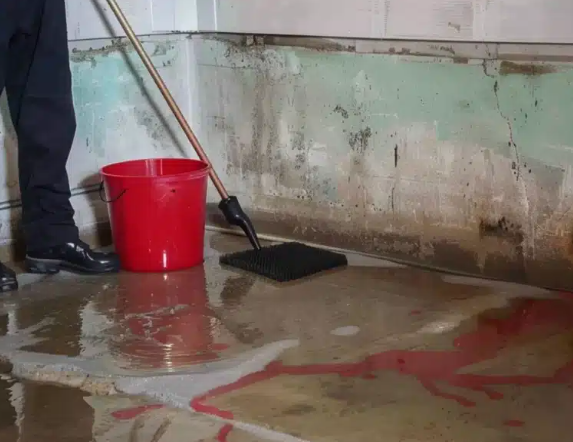
Table of Contents
Water damage restoration in Spring House requires immediate professional intervention to prevent structural deterioration and mold growth. PuroClean of Lansdale provides 24/7 emergency response with certified restoration specialists who follow a proven 7-step process: emergency contact and assessment, water extraction, moisture detection, structural drying, sanitization, reconstruction, and final inspection. With an average response time of 60 minutes and state-of-the-art equipment, homeowners and businesses in Spring House can expect complete property recovery within 3-5 days for most water damage scenarios.
Imagine waking up at 3 AM to the sound of rushing water in your Spring House home. Your basement is flooding, and panic sets in. Will your family heirlooms survive? What about the structural integrity of your property? These are questions no homeowner wants to face, yet water damage emergencies affect thousands of Pennsylvania residents each year.
The harsh reality is that water damage doesn’t wait for convenient moments. Whether it’s a burst pipe during a winter freeze, a sewage backup after heavy rainfall, or a malfunctioning appliance, the consequences can be devastating. Within 24 hours, water infiltration can lead to irreversible damage; drywall begins to swell, wooden floors warp, and mold spores start colonizing damp surfaces.
However, there’s hope. Professional water damage restoration in Spring House can reverse most damage when addressed promptly and correctly. This comprehensive guide reveals the exact 7-step process that certified restoration specialists use to rescue properties from water catastrophes, ensuring your home or business returns to its pre-loss condition.

Understanding Water Damage in Spring House
Spring House, Pennsylvania, presents unique challenges when it comes to water damage. The community’s mix of historic properties and modern developments means that homes range from century-old structures with aging plumbing to contemporary builds with complex water systems. Understanding these local factors is crucial for effective restoration.
The region experiences distinct seasonal patterns that contribute to water damage risks. Harsh winter temperatures often lead to frozen pipes that burst when temperatures rise. Spring thaws and summer thunderstorms can overwhelm drainage systems, causing basement flooding. Additionally, the area’s soil composition; primarily clay-based; tends to retain water, increasing hydrostatic pressure against foundation walls.
Water damage falls into three categories according to the Institute of Inspection, Cleaning and Restoration Certification (IICRC). Category 1, or clean water, originates from sanitary sources like supply lines or rainwater. Category 2, gray water, contains some contamination from sources like washing machines or dishwashers. Category 3, black water, is highly contaminated and poses serious health risks, typically from sewage backups or flood water.
Time is the enemy in water damage scenarios. Within the first hour, water begins penetrating porous materials like drywall, carpet, and upholstery. Between 1-24 hours, mold and mildew start developing, and metal surfaces begin to tarnish. After 24-48 hours, structural damage becomes more severe, with wooden floors warping and drywall beginning to crumble. Beyond one week, the damage often becomes irreversible, requiring extensive reconstruction rather than restoration.
Step 1: Emergency Contact and Rapid Response
The moment water damage occurs, every second counts. Professional water damage restoration in Spring House begins with immediate contact to certified specialists. PuroClean of Lansdale operates a 24/7 emergency hotline at (267) 834-5900, ensuring that help is always just a phone call away, regardless of the time or day.
During the initial call, trained coordinators gather critical information about your emergency. They’ll ask about the water source, the extent of visible damage, and whether the water supply has been shut off. This preliminary assessment helps dispatch the appropriate equipment and specialist team to your property. For Spring House residents, response times typically average 60 minutes or less from the initial call.
While waiting for professionals to arrive, there are several safety measures homeowners should take. First, if safe to do so, shut off the main water supply to prevent additional flooding. Turn off electricity to affected areas to eliminate electrocution risks. Remove valuable items from water’s path, but avoid entering standing water if it’s more than a few inches deep or if electrical outlets might be submerged. Document the damage with photographs for insurance purposes, but personal safety must always take priority over property preservation.
Upon arrival, restoration specialists immediately implement emergency measures to stop further damage. This includes deploying emergency board-up services if windows or doors are compromised, placing tarps over roof leaks, and setting up temporary power sources if needed. The goal is to stabilize the situation before beginning the formal assessment and restoration process.

Step 2: Comprehensive Damage Assessment
A thorough damage assessment forms the foundation of effective restoration. Certified specialists conduct a room-by-room inspection using advanced technology to identify all affected areas, including those not immediately visible. This scientific approach ensures no hidden moisture pockets are overlooked, which could lead to mold growth or structural problems later.
Moisture detection equipment plays a crucial role in this phase. Infrared cameras reveal temperature differences that indicate wet areas behind walls and under floors. Moisture meters provide precise readings of water content in various materials, helping specialists determine which items can be salvaged and which require replacement. Hygrometers measure relative humidity levels, ensuring the environment is properly monitored throughout the drying process.
The assessment also categorizes damage severity using industry-standard classifications. Class 1 damage affects only part of a room with minimal water absorption into materials. Class 2 involves an entire room with significant water absorption into walls and carpeting. Class 3 represents the worst-case scenario where water has penetrated from overhead, saturating walls, ceilings, insulation, and subflooring. This classification determines the restoration strategy and timeline.
Documentation during assessment is meticulous. Specialists photograph all damage, create detailed written reports, and develop comprehensive restoration plans. This documentation serves multiple purposes; it guides the restoration team, provides transparency to property owners, and supports insurance claims. Many restoration companies, including PuroClean of Lansdale, provide digital reports accessible to homeowners and insurance adjusters in real-time.
Step 3: Water Extraction and Removal
Once assessment is complete, immediate water extraction begins. The faster water is removed, the less secondary damage occurs. Professional-grade extraction equipment removes hundreds of gallons per minute, significantly reducing drying time and preventing further absorption into building materials.
For standing water deeper than two inches, truck-mounted extractors provide the most powerful suction. These industrial machines can remove thousands of gallons in a single session. For shallow water or carpeted areas, portable extraction units offer precision and maneuverability. Specialists often use a combination of equipment to ensure thorough water removal from all affected surfaces.
Specialized techniques address different materials and scenarios. Carpet and upholstery require weighted extraction tools that compress fibers while suctioning water. Hardwood floors need careful treatment to prevent cupping and warping; water is extracted without excessive pressure that could damage the wood. In cases of sewage backup or contaminated water, specialized pumps and containment procedures protect workers and prevent cross-contamination to unaffected areas.
After bulk water removal, restoration specialists address residual moisture. Even when surfaces appear dry, significant moisture often remains trapped in materials. This hidden moisture requires specialized drying equipment to prevent ongoing damage. The extraction phase concludes when moisture meters confirm that standing water has been eliminated and surfaces are ready for the drying process.

Step 4: Moisture Detection and Monitoring
Successful water damage restoration in Spring House requires continuous moisture monitoring throughout the restoration process. What the eye can see represents only a fraction of the actual water penetration. Advanced moisture detection technology reveals the complete picture, ensuring every wet area receives appropriate treatment.
Professional restoration specialists use multiple monitoring tools. Penetrating moisture meters measure water content deep within materials like wood and drywall. Non-invasive meters assess moisture without damaging surfaces, ideal for finished walls and expensive materials. Thermal imaging cameras visualize moisture patterns across large areas, identifying problem zones that would otherwise go undetected.
Daily monitoring creates a data-driven restoration approach. Specialists record moisture readings multiple times per day, tracking drying progress and adjusting equipment as needed. This scientific method ensures materials reach appropriate moisture levels for their type. Wood flooring, for instance, requires different target moisture content than drywall or concrete. Meeting these specific thresholds prevents future problems like mold growth or material warping.
Hidden moisture poses the greatest long-term risk. Water travels through wall cavities, beneath flooring, and into insulation, creating ideal conditions for mold growth. Restoration companies like those serving Spring Mount use specialized equipment to access these hidden areas. Wall cavities may require small inspection openings to insert probes and confirm dryness. Subfloor moisture requires lifting sections of flooring to treat the source directly.
Step 5: Drying and Dehumidification
Proper drying is both art and science. While powerful equipment accelerates moisture removal, the process must be carefully controlled to prevent additional damage. Too rapid drying can cause wood to crack and split, while insufficient drying leaves moisture that promotes mold growth. Professional restoration specialists balance these factors using proven techniques developed over decades of industry experience.
Industrial air movers create powerful airflow across wet surfaces, dramatically increasing evaporation rates. These aren’t ordinary fans; they move thousands of cubic feet of air per minute, creating a continuous exchange that pulls moisture from materials. Strategic placement is critical. Specialists position air movers to create circular airflow patterns that maximize efficiency without causing secondary damage from excessive air movement.
Commercial dehumidifiers work in tandem with air movers, removing moisture from the air itself. As air movers pull water from materials into the atmosphere, dehumidifiers capture that airborne moisture, preventing it from being reabsorbed elsewhere. Two types serve different purposes. Refrigerant dehumidifiers work efficiently in moderate temperatures and humidity levels. Desiccant dehumidifiers excel in colder conditions or when very low humidity is required, making them ideal for Spring House’s variable climate.
Specialized drying techniques address specific materials. Hardwood floor drying systems create chambers that isolate affected areas, using controlled temperature and humidity to prevent cupping and warping. Structural cavity drying equipment delivers heated air directly into wall cavities and subfloors, targeting moisture that standard equipment can’t reach. These advanced methods, combined with continuous monitoring, typically achieve complete drying within 3-5 days for most water damage scenarios.
Step 6: Cleaning and Sanitization
Water damage brings more than moisture; it introduces contaminants, bacteria, and potential health hazards. Professional cleaning and sanitization transform affected areas from contaminated spaces into safe, healthy environments. This critical phase protects occupants’ health while preparing surfaces for final restoration.
The cleaning approach depends on water category. Clean water requires standard antimicrobial treatments to prevent bacteria and mold growth. Gray water demands more aggressive cleaning with industrial-strength disinfectants. Black water contamination necessitates extensive decontamination procedures, including removal of porous materials that cannot be adequately sanitized, such as carpet padding and drywall.
Antimicrobial and antibacterial treatments are applied to all affected surfaces. These solutions eliminate existing microorganisms and create a protective barrier against future growth. Specialists pay particular attention to areas prone to mold development; corners, joints, and any location where moisture accumulates. For properties that experienced sewage backups, specialized decontamination protocols following IICRC S500 standards ensure complete safety.
Odor removal requires sophisticated approaches beyond simple air fresheners. Water damage creates persistent odors from bacterial growth, mildew, and decomposing materials. Professional deodorization uses thermal fogging, ozone treatments, or hydroxyl generators to neutralize odors at the molecular level. These treatments don’t mask odors; they eliminate the source, ensuring your Spring House property smells clean and fresh after restoration. For specialized mold concerns, services like commercial mold remediation provide comprehensive solutions.

Step 7: Restoration and Reconstruction
The final phase transforms damaged property back to its pre-loss condition or better. Restoration encompasses everything from minor repairs like replacing baseboards to major reconstruction like rebuilding entire rooms. This comprehensive approach ensures your Spring House property not only looks restored but functions perfectly and maintains its value.
Minor restoration addresses cosmetic and surface-level damage. Specialists replace damaged drywall, install new baseboards and trim, and repaint affected areas. Carpet may be professionally cleaned and reinstalled, or replaced if beyond salvage. These repairs restore the appearance and functionality of your home while addressing all damage caused by water intrusion.
Major reconstruction becomes necessary when water has compromised structural elements. This might include replacing floor joists, rebuilding walls, or installing new subflooring. Experienced restoration companies maintain relationships with licensed contractors, plumbers, and electricians to coordinate comprehensive reconstruction. The goal is seamless integration; new materials should match existing construction perfectly.
Quality restoration specialists view this phase as an opportunity for improvement. They might suggest upgrades like water-resistant drywall in vulnerable areas, improved waterproofing for basements, or modernized plumbing systems to prevent future issues. These preventive enhancements, combined with expert craftsmanship, ensure your property emerges from restoration stronger and more resilient than before the damage occurred. For comprehensive support throughout this process, emergency water damage mitigation services provide complete solutions from initial emergency through final restoration.
Why Choose Professional Water Damage Restoration Services
The temptation to handle water damage independently is understandable, especially for seemingly minor incidents. However, professional restoration provides advantages that far outweigh DIY attempts. The difference between amateur and professional restoration often determines whether your property fully recovers or suffers long-term consequences.
Professional equipment represents a significant advantage. Industrial extractors, commercial dehumidifiers, and specialized moisture detection tools cost tens of thousands of dollars; equipment that homeowners cannot reasonably purchase for a single incident. This machinery doesn’t just work faster; it produces superior results that prevent secondary damage and future problems.
Expertise matters enormously in water damage scenarios. Certified specialists understand how water behaves in different materials, how quickly mold develops under various conditions, and which salvage techniques work for specific items. They’ve seen countless scenarios and know how to address complications that surprise inexperienced individuals. This knowledge prevents costly mistakes that can extend damage or create new problems.
Time efficiency provides another critical benefit. Professional teams work around the clock when necessary, deploying multiple technicians and extensive equipment simultaneously. What might take weeks for a homeowner to address piecemeal, professionals complete in days. This speed directly translates to reduced damage; every hour water remains in contact with building materials increases deterioration.
Insurance coordination streamlines the recovery process. Restoration companies work regularly with insurance adjusters and understand documentation requirements. They provide detailed estimates, comprehensive photo documentation, and clear communication that expedites claims processing. Many companies bill insurance directly, eliminating out-of-pocket expenses for policyholders. For residents of nearby communities seeking similar expertise, water damage restoration services in Lansdale offer identical professional standards and rapid response capabilities.
Common Causes of Water Damage in Spring House
Understanding common water damage causes helps Spring House residents prevent emergencies before they occur. While some incidents are unavoidable, many result from preventable issues that regular maintenance and awareness can address.
Burst pipes top the list, especially during winter months. Pennsylvania’s freezing temperatures cause water inside pipes to expand, creating pressure that splits pipes open. This often occurs in uninsulated exterior walls, crawl spaces, and attics. A single burst pipe can release hundreds of gallons before the main water line is shut off, causing catastrophic damage.
Sewage backups create particularly hazardous situations. These occur when municipal sewer lines become overwhelmed during heavy rainfall or when tree roots infiltrate and block pipes. Sewage water is Category 3, or black water, requiring extensive decontamination. Properties built before 1980 face higher risk due to aging sewer lines and connections.
Appliance failures strike unexpectedly. Water heaters typically last 8-12 years before failure, but many homeowners delay replacement until catastrophic leaks occur. Washing machine hoses deteriorate over time, and dishwasher seals crack with age. These appliances often fail during operation, releasing large volumes of water quickly. Regular inspection and timely replacement of aging components prevent most appliance-related water damage.
Basement flooding affects many Spring House properties, particularly older homes. Poor grading around foundations directs rainwater toward basements rather than away. Sump pump failures during storms leave basements vulnerable to flooding. Foundation cracks, whether from settling or hydrostatic pressure, allow groundwater penetration. Addressing these issues requires comprehensive basement flooding cleanup services that address both immediate damage and underlying causes.
Storm damage brings unique challenges. Heavy rainfall can overwhelm roof drainage systems, causing water to pool and penetrate roofing materials. Wind-driven rain finds its way through the smallest gaps around windows and doors. Flash flooding, increasingly common due to climate change, can rapidly inundate properties in low-lying areas. Comprehensive storm damage restoration services help property owners recover from these weather-related events.

Insurance Claims and Documentation
Navigating insurance claims after water damage can feel overwhelming, but proper documentation and professional support streamline the process significantly. Understanding your policy coverage and working with experienced restoration specialists ensures you receive appropriate compensation for damages.
Most homeowner’s insurance policies cover sudden and accidental water damage, such as burst pipes or appliance failures. However, they typically exclude damage from lack of maintenance or gradual leaks. Flood insurance requires separate policies; standard homeowner’s policies don’t cover flood damage. Understanding these distinctions before water damage occurs helps set realistic expectations and ensures adequate coverage.
Documentation begins the moment damage is discovered. Photograph all affected areas from multiple angles, capturing both wide shots showing overall damage and close-ups of specific issues. Video documentation provides additional context, particularly for demonstrating the extent of water intrusion. Save any physical evidence, such as failed appliance parts or damaged materials, as adjusters may request inspection.
Contact your insurance company immediately after securing the property and addressing safety concerns. Delays in reporting can complicate claims or even result in denial. During this initial contact, obtain your claim number and adjuster assignment. Ask about temporary repairs you’re authorized to make and clarify any documentation requirements specific to your policy.
Professional restoration companies serve as valuable advocates during insurance claims. They provide detailed estimates that insurance adjusters understand, comprehensive documentation that supports your claim, and direct communication with insurers to clarify technical restoration requirements. Many companies participate in insurance company networks, streamlining approvals and payment processes. PuroClean’s Certified Priority Response (CPR) Program specifically helps reduce claim costs while increasing satisfaction through strict certification standards and clear protocols.
Prevention Tips for Spring House Homeowners
Prevention remains the most effective water damage strategy. While some incidents are unavoidable, implementing proactive measures significantly reduces risk and protects your Spring House property from costly emergencies.
Regular maintenance prevents most water damage incidents. Inspect pipes annually, looking for corrosion, leaks, or moisture stains. Replace washing machine hoses every five years, even if they appear functional; internal deterioration isn’t visible. Service your water heater annually, checking for rust and testing the pressure relief valve. These simple maintenance tasks prevent catastrophic failures.
Winterization protects against freeze-related damage. Insulate pipes in unheated areas like crawl spaces, attics, and exterior walls. Disconnect garden hoses and drain exterior faucets before the first freeze. During extreme cold snaps, let faucets drip slightly to maintain water flow and prevent freezing. Know where your main water shutoff valve is located; in emergencies, every second counts.
Improve drainage around your property to prevent basement flooding. Ensure gutters and downspouts direct water at least five feet from your foundation. Grade soil away from your house, creating a slope that moves water outward. Install window well covers to prevent rainwater accumulation. Test your sump pump quarterly by pouring water into the sump pit; verify it activates and pumps water effectively.
Monitor your property for warning signs. Water stains on ceilings or walls indicate leaks requiring immediate attention. Musty odors suggest hidden moisture and potential mold growth. Unexplained increases in water bills may signal hidden leaks. Address these signs immediately; small problems become major disasters when ignored. For comprehensive prevention strategies, review these 10 ways to prevent water damage specifically tailored for local climate conditions.
How quickly should I respond to water damage?
Immediate response is critical. Contact professional water damage restoration in Spring House within the first hour if possible. Every minute counts; mold can begin growing within 24-48 hours, and structural damage accelerates rapidly. The faster professionals begin extraction and drying, the better your chances of complete restoration without extensive reconstruction.
What should I do while waiting for restoration specialists?
Shut off the main water supply if the leak is ongoing. Turn off electricity to affected areas if safe to do so. Remove valuables and important documents from water’s path. Begin documenting damage with photos for insurance purposes. Do not enter standing water deeper than a few inches, and never enter if electrical outlets might be submerged. Your safety takes priority over property preservation.
How long does water damage restoration take?
Most water damage restoration in Spring House takes 3-5 days for drying and initial restoration. However, timeline varies based on damage severity, affected materials, and extent of required reconstruction. Minor incidents with quick professional response may resolve in 2-3 days. Severe flooding or extensive structural damage can require 2-3 weeks for complete restoration. Your restoration specialist will provide a detailed timeline after assessment.
Will my insurance cover water damage restoration?
Coverage depends on your policy and the damage cause. Most homeowner’s insurance covers sudden accidents like burst pipes or appliance failures. Gradual damage from poor maintenance is typically excluded. Flood damage requires separate flood insurance. Review your policy and contact your insurance company immediately after damage occurs. Professional restoration companies work directly with insurers to clarify coverage and streamline claims processing.
Can I stay in my home during water damage restoration?
This depends on damage extent and location. Minor water damage affecting a single room typically allows continued occupancy with some inconvenience from equipment noise and technician activity. Extensive damage, particularly involving contaminated water or significant structural issues, may require temporary relocation for safety and to allow unimpeded restoration work. Your restoration specialist will advise based on your specific situation.
How can I prevent mold after water damage?
Professional restoration prevents mold through rapid water extraction, thorough drying, and antimicrobial treatments. The key is eliminating moisture within 24-48 hours before mold spores establish colonies. DIY attempts often fail because hidden moisture remains in wall cavities, subflooring, and insulation. Industrial dehumidifiers and moisture monitoring ensure complete drying that prevents mold growth. If you suspect mold development, professional mold removal services can assess and remediate the issue safely.
CONCLUSION
Water damage doesn’t have to spell disaster for your Spring House property. Understanding the comprehensive 7-step restoration process empowers homeowners to make informed decisions during emergencies. From immediate emergency response through final reconstruction, professional restoration specialists transform water-damaged properties back to their pre-loss condition while preventing long-term complications like mold growth and structural deterioration.
The difference between successful recovery and ongoing problems lies in rapid professional intervention. Industrial equipment, certified expertise, and proven protocols achieve results that DIY attempts simply cannot match. When water damage strikes, every hour matters. Professional restoration specialists understand this urgency and respond accordingly, deploying comprehensive resources to protect your most valuable investment.
PuroClean of Lansdale stands ready to serve Spring House residents 24 hours a day, 7 days a week. With certified restoration specialists, state-of-the-art equipment, and a commitment to complete customer satisfaction, they’ve helped countless property owners recover from water emergencies. Their Certified Priority Response program ensures rapid deployment, transparent communication, and exceptional results that exceed industry standards.
Don’t wait for water damage to strike. Connect with PuroClean on Facebook, Instagram, LinkedIn, or Twitter to stay informed about prevention tips, seasonal maintenance recommendations, and restoration insights. Save their emergency number in your phone: (267) 834-5900. When disaster strikes, you’ll have immediate access to the help you need.
Is your Spring House property prepared for water damage emergencies? Do you know where your main water shutoff valve is located? Have you inspected your sump pump, water heater, and washing machine hoses recently? Taking these simple preventive steps today could save thousands in damage tomorrow.
CONTACT INFORMATION
PuroClean of Lansdale
Address: 2033 Lucon Rd, Bldg. Rear, Schwenksville, PA 19473
Service Areas: Abington, Ambler, Blue Bell, Center Square, Fort Washington, Harleysville, Horsham, Kulpsville, Lansdale, Maple Glen, Montgomeryville, North Wales, Prospectville, Roslyn, Schwenksville, Skippack, Spring House, Spring Mount, Willow Grove, Woxall
Get directions and leave a review: Google Maps Location


 PuroClean of Lansdale