


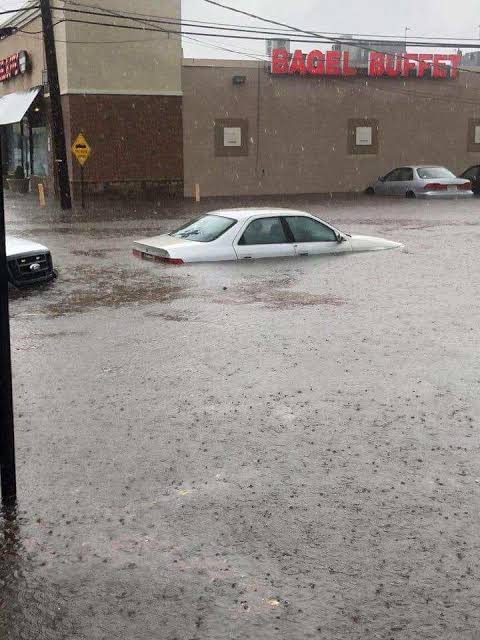
Discover five common reasons homeowners need professional water damage restoration in Cliffside Park, NJ, and learn how fast action can reduce repairs and help prevent mold growth.
Expert Water Damage Restoration in Cliffside Park, NJ During Storm and Flood Emergencies.
Storm season in Cliffside Park, NJ brings more than heavy rain and strong winds—it brings an increased risk of water damage that can threaten your home’s structure, indoor air quality, and long-term value. Whether it’s a flooded basement after a summer thunderstorm, a roof leak caused by wind-driven rain, or a burst pipe during severe weather, acting quickly is critical.
Many homeowners assume that once the standing water is gone, the problem is solved. In reality, water can seep into drywall, insulation, subfloors, and framing within minutes. Without professional Water Damage Restoration in Cliffside Park, hidden moisture can lead to mold growth, wood rot, and expensive structural repairs.
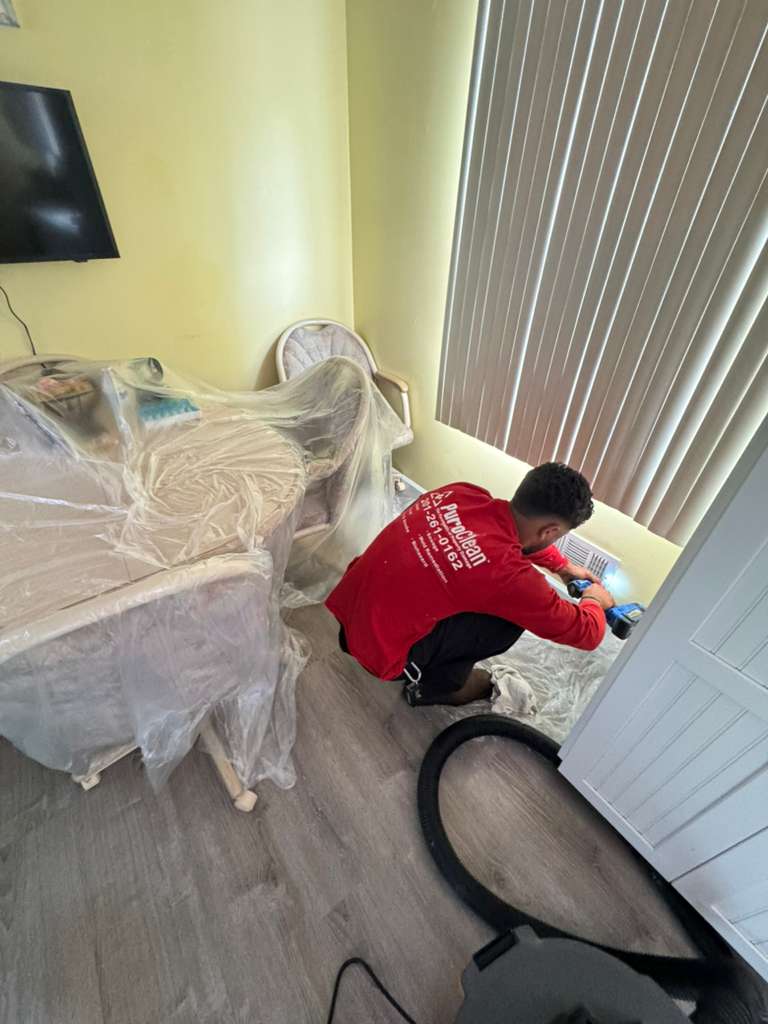
If you own a home in Cliffside Park, understanding the risks associated with storm season can help you protect your property and make informed decisions when water damage occurs.
Why Storm Season Is a Higher Risk for Water Damage in Cliffside Park
Located along the Hudson River and characterized by steep terrain, older homes, and dense residential neighborhoods, Cliffside Park faces several storm-related challenges.
Heavy rainfall can overwhelm drainage systems, while clogged gutters, aging plumbing, and saturated soil increase the risk of water intrusion. Summer thunderstorms, tropical systems, and Nor’easters can all contribute to flooded basements, roof leaks, and foundation seepage.
Because many homes in the area were built decades ago, aging pipes and older roofing materials can make properties even more vulnerable during severe weather. This is when you need Water Damage Restoration in Cliffside Park by Puroclean of Secaucus
1. Heavy Rain Can Flood Basements in a Matter of Hours
Basement flooding is one of the most common reasons homeowners call for emergency water damage restoration in Cliffside Park.
Heavy rainfall can overwhelm sump pumps and drainage systems, allowing water to enter through:
- Foundation cracks
- Basement windows
- Floor drains
- Utility penetrations
- Poor grading around the home
Even a small amount of standing water can soak drywall, insulation, flooring, furniture, and stored belongings.
Professional water damage restoration in Cliffside Park removes standing water quickly, while commercial dehumidifiers and structural drying equipment help prevent secondary damage.
Pro Tip: If your basement floods repeatedly, addressing drainage and waterproofing issues can reduce future restoration costs.
2. Roof Leaks Often Cause Hidden Water Damage
Not every storm leaves obvious damage.
High winds may loosen shingles or flashing, allowing rainwater to enter your attic or wall cavities. Because these leaks are often slow, homeowners may not notice them until they see:
- Water stains on ceilings
- Bubbling paint
- Soft drywall
- Sagging ceilings
- Musty odors
By then, moisture may have spread throughout the structure.
Professional water damage restoration in Cliffside Park uses thermal imaging cameras and moisture meters to locate hidden water without unnecessary demolition.
3. Warm, Humid Weather Creates Ideal Conditions for Mold Growth
Storm season doesn’t just bring rain—it also brings humidity.
When moisture remains trapped inside walls or beneath flooring, mold can begin growing within 24 to 48 hours under the right conditions.
Common areas where mold develops include:
- Behind drywall
- Under carpet padding
- Inside insulation
- Crawl spaces
- Attics
- Around HVAC systems
Professional structural drying and humidity control help reduce the conditions that allow mold to spread. water damage restoration in Cliffside Park
4. Hidden Moisture Can Continue Damaging Your Home
One of the biggest mistakes homeowners make is assuming visible dryness means the property is completely dry.
Water often migrates into:
- Wall cavities
- Wood framing
- Subfloors
- Ceiling assemblies
- Cabinets
- Baseboards
Left untreated, hidden moisture can weaken structural components and create ongoing repair issues.
Professional water damage restoration in Cliffside Park uses:
- Moisture mapping
- Thermal imaging
- Hygrometers
- Commercial drying equipment
- Daily moisture monitoring
These tools help ensure every affected area is properly dried before repairs begin.
5. Professional Restoration Can Save Money in the Long Run
Delaying restoration often leads to:
- Mold remediation
- Drywall replacement
- Flooring replacement
- Structural repairs
- Cabinet replacement
- Indoor air quality issues
Rapid emergency water extraction and structural drying can help preserve many building materials, reducing both repair costs and restoration time.
Professional documentation—including moisture reports, photographs, and detailed estimates—can also support your insurance claim.
Warning Signs You Shouldn’t Ignore
Call a water damage restoration professional if you notice:
- Standing water
- Water stains
- Musty odors
- Warped hardwood flooring
- Bubbling paint
- Soft drywall
- Mold growth
- Swollen baseboards
- High indoor humidity
These signs often indicate hidden moisture that requires specialized drying equipment.
What Does Professional water damage restoration in Cliffside Park include?
A comprehensive restoration process typically involves:
- Emergency response and inspection
- Moisture mapping
- Water extraction
- Structural drying and dehumidification
- Cleaning and sanitization
- Odor removal
- Damage repairs
- Final moisture verification
Following recognized restoration standards helps ensure your property is thoroughly dried before reconstruction begins.
Protect Your Home Before the Next Storm
Preparation can reduce the likelihood of severe water damage.
Consider these preventive measures:
- Clean gutters and downspouts regularly.
- Test your sump pump before storm season.
- Inspect your roof annually.
- Replace aging plumbing supply lines.
- Seal foundation cracks.
- Install smart water leak detectors.
- Trim trees near your roof.
- Review your homeowners insurance coverage.
These simple steps can help reduce your risk when severe weather strikes.
Final Thoughts
Storms are unpredictable, but your response to water damage doesn’t have to be.
If your home experiences flooding, roof leaks, burst pipes, or storm-related water intrusion, acting quickly is one of the best ways to reduce structural damage and prevent mold growth.
Professional water damage restoration in Cliffside Park, NJ provides more than water removal—it includes moisture detection, structural drying, sanitation, repairs, and guidance throughout the recovery process.
The sooner restoration begins, the better the opportunity to protect your home, your belongings, and your investment.
Frequently Asked Questions
How quickly should water damage be addressed?
Immediately. Water can begin damaging building materials within hours, and mold may begin developing within 24–48 hours.
Can I use fans to dry my home?
Household fans may help circulate air, but they typically cannot remove hidden moisture trapped inside walls, flooring, and insulation.
Does homeowners insurance cover water damage?
Coverage depends on the cause of the damage and the terms of your policy. Sudden plumbing failures may be covered, while flood damage from rising water often requires separate flood insurance.