Thunderstorms in Edgewater can move quickly, but the damage they leave behind can take much longer to address.
Heavy rain can overwhelm drainage systems, send water into basements and lower levels, expose roof or window leaks, and cause water to enter areas of a home that normally stay dry. For homeowners in a waterfront community like Edgewater, storm-related water intrusion deserves particular attention.
Bergen County identifies flooding as Edgewater’s primary natural hazard, noting that heavy rainfall can overwhelm the borough’s runoff capacity. The borough’s location along the Hudson River also creates additional shoreline flooding concerns during major storms. (Bergen County, NJ – Official Website)
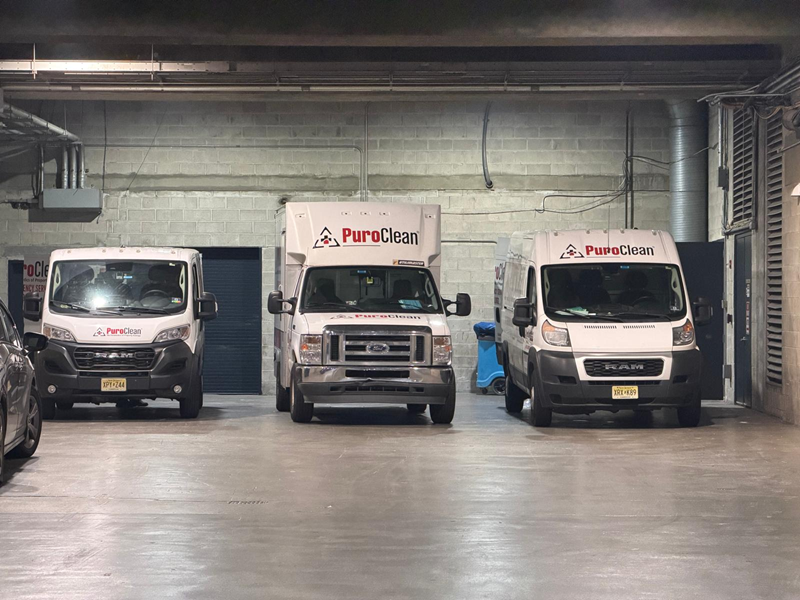
If a thunderstorm has recently passed through Edgewater, don’t assume your home is fine simply because you don’t see standing water.
Here are the steps homeowners should take after a major storm and when it’s time to call a professional for water damage restoration in Edgewater.
1. Start With Safety
Before checking for water damage, make sure it’s safe to enter the affected area.
If your home has significant flooding, electrical issues, structural concerns, or standing water near electrical outlets or appliances, avoid entering the area until it has been assessed safely.
New Jersey’s emergency management guidance recommends checking for structural damage before entering a flooded home and avoiding downed or loose power lines. (NJ.gov)
Safety comes before cleanup.
If you’re unsure whether an area is safe, contact the appropriate emergency professionals before attempting to clean it yourself.
2. Look for More Than Standing Water
One of the biggest mistakes homeowners make after a storm is looking only for obvious flooding.
Water can enter through:
- Roof leaks
- Damaged flashing
- Windows and doors
- Basement walls
- Foundation areas
- Plumbing systems
- Drains and sump systems
- Cracks or other openings
Check ceilings, walls, floors, closets, basements, and other areas that may have been exposed to moisture.
Look for:
- Water stains
- Damp drywall
- Warped flooring
- Peeling or bubbling paint
- Wet insulation
- Musty odors
- Moisture around windows
- Unexpected puddles or damp spots
A home doesn’t need to be flooded to have water damage.
3. Don’t Ignore Your Basement
Basements and lower levels deserve special attention after heavy rainfall.
Thunderstorms in Edgewater can create significant runoff, making lower areas of properties particularly important to inspect after heavy rain.
Check your basement for:
💧 Standing water
Even a small amount can indicate a larger drainage or intrusion issue.
💧 Damp walls or floors
These can indicate water is entering through the foundation or another location.
💧 Musty odors
A persistent odor can be a sign that moisture remains somewhere in the space.
💧 Wet belongings
Furniture, boxes, carpeting, and stored items can absorb water quickly.
If water has entered your basement, don’t simply remove the visible water and assume the problem is over.
4. Address Water Quickly
Time matters after water enters your home.
The longer materials remain wet, the greater the opportunity for additional damage and mold growth.
Professional water damage restoration after Thunderstorms in Edgewater typically involves more than simply removing standing water. PuroClean of Secaucus’ water damage mitigation service includes water removal, drying, and stabilization to address moisture before it creates additional problems.
A professional restoration team can assess the affected areas and determine what materials need to be dried, cleaned, monitored, or removed.
That’s important because water can hide.
Moisture may remain:
- Behind drywall
- Under flooring
- Inside walls
- Beneath carpeting
- Around baseboards
- In insulation
- Under cabinets
What looks like a small leak on the surface can sometimes involve a much larger affected area.
5. Don’t Forget About Mold
Storm-related water damage and mold can go hand in hand.
If materials remain damp, mold can become an additional concern. That’s why drying the affected area thoroughly is an important part of water damage restoration.
PuroClean’s Edgewater service information specifically notes the importance of eliminating moisture sources and using professional drying equipment to help prevent mold growth following water damage.
After a storm, pay attention to:
- Musty smells
- New discoloration
- Damp drywall
- Persistent condensation
- Peeling paint
- Areas that remain wet after cleanup
Don’t simply cover up water stains or paint over damaged areas.
The source of the moisture should be identified first.
6. Be Careful With DIY Water Cleanup
For a very small, clean-water spill, homeowners may be able to handle basic cleanup themselves.
Storm-related flooding can be different.
If water has entered through flooding, sewage, contaminated sources, or an unknown pathway, it’s important to understand what type of water you’re dealing with before beginning cleanup.
You also need to consider whether water has entered structural materials that aren’t easily dried with household equipment.
If you’re dealing with significant water intrusion, professional assessment can help determine the extent of the damage and the appropriate drying strategy.
7. Document the Damage
Before moving too far into cleanup, document what happened.
Take photos and videos of:
- Standing water
- Water stains
- Damaged flooring
- Damaged drywall
- Wet belongings
- Exterior storm damage
- The apparent source of the water
Keep records of what was damaged and when you discovered the issue.
If you’re filing an insurance claim, this documentation can be helpful when communicating with your insurance company.
PuroClean of Secaucus also states that its restoration team can assist with insurance-related communication and documentation during property damage projects.

When Thunderstorms in Edgewater Happen, Call for Water Damage Restoration in Edgewater?
Consider calling a professional if:
- Your basement has flooded
- Water has entered through the roof or exterior walls
- Multiple rooms are affected
- Drywall, flooring, or insulation is wet
- You cannot identify where the water came from
- Water remains after your initial cleanup
- You notice a musty odor after the storm
- You suspect hidden moisture
- The water may be contaminated
- You’re concerned about mold
The sooner a significant water loss is assessed, the sooner the source and affected areas can be addressed.
PuroClean of Secaucus Provides Water Damage Restoration in Edgewater, NJ
When a thunderstorm leaves your Edgewater home with water damage, you don’t have to navigate the restoration process alone.
PuroClean of Secaucus serves Edgewater with 24/7 emergency water damage mitigation and restoration services. The team handles storm-related flooding, leaks, water extraction, structural drying, and related restoration needs for residential and commercial properties.
Their local Edgewater service page specifically highlights rapid water removal, drying, and stabilization to help limit further damage and reduce the risk of mold growth.
Water Damage After a Storm? Don’t Wait.
If your Edgewater home has experienced water intrusion after a thunderstorm, acting quickly can help limit additional damage.
Contact PuroClean of Secaucus for 24/7 emergency water damage restoration in Edgewater, NJ at (551) 309-7900.