


Flood damage is one of the most common causes of property damage in New Jersey, and Secaucus is no exception. From heavy rainstorms and flash flooding to burst pipes and sewer backups, water can enter your home or business with little warning. What starts as a few inches of standing water can quickly turn into extensive damage affecting flooring, drywall, electrical systems, furniture, and even your property’s structural integrity.
For homeowners, landlords, business owners, and property managers, understanding why flooding is so common in Secaucus is the first step toward protecting your investment. While no one can control the weather, knowing the area’s unique flood risks and preparing in advance can reduce damage and speed up recovery if flooding occurs.

In this guide, we’ll explore why Secaucus is especially susceptible to flooding, the most common causes of water damage, which properties face the greatest risk, and what you can do to protect your home or commercial building before the next major storm.
Why Does Secaucus Experience Frequent Flooding?
Secaucus has several characteristics that make flooding more likely than in many surrounding communities. Its geography, infrastructure, and weather patterns all contribute to an elevated flood risk.
The Hackensack Meadowlands
One of the biggest reasons Secaucus experiences flooding is its location within the Hackensack Meadowlands. This expansive wetland system naturally collects and stores water, but during periods of heavy rainfall, the surrounding drainage systems can become overwhelmed.
While the Meadowlands provide important environmental benefits, they also mean that portions of Secaucus sit at relatively low elevations where water can accumulate quickly during storms.
Proximity to the Hackensack River
The Hackensack River borders parts of Secaucus and plays a major role in local flood events.
When prolonged rainfall raises river levels or coastal weather pushes water inland, nearby neighborhoods and commercial districts may experience flooding. High tides combined with severe weather can further slow drainage, allowing water to remain in streets and low-lying areas longer than expected.
Heavy Rainfall and Flash Flooding
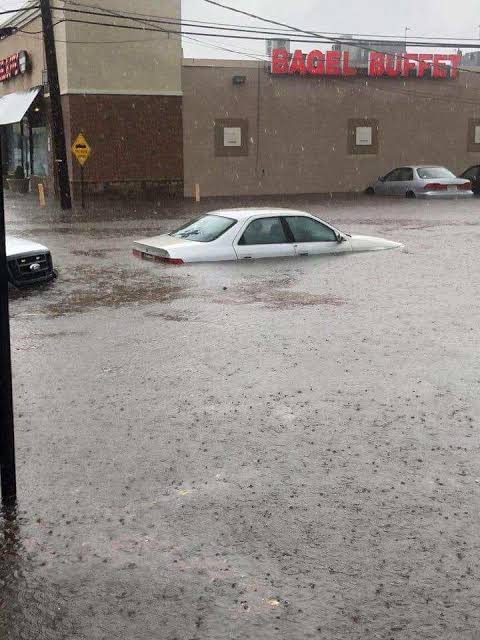
Summer thunderstorms and slow-moving storm systems can produce several inches of rain in a short amount of time. When rainfall exceeds the capacity of storm drains, water has nowhere to go except across roads, parking lots, and eventually into buildings.
Flash flooding is particularly dangerous because it develops rapidly, often with little warning.
Nor’easters and Coastal Storms
Secaucus may not sit directly on the Atlantic coastline, but it still feels the effects of Nor’easters, tropical storms, and hurricanes. These weather events can combine strong winds, heavy rainfall, and elevated water levels, creating widespread flooding across northern New Jersey.
Even after the rain stops, saturated ground and high river levels may continue causing water problems for days.
Urban Development and Limited Drainage
Like many developed communities, Secaucus has large areas covered by roads, parking lots, sidewalks, and commercial buildings. These hard surfaces prevent rainwater from soaking into the ground, increasing runoff and placing additional strain on drainage systems.
This is one reason localized flooding can occur even during storms that are not considered major weather events.
Common Causes of Flood Damage in Secaucus
While severe weather receives most of the attention, many flood damage calls actually result from plumbing failures and everyday household issues.
Burst Pipes
A burst pipe can release hundreds of gallons of water in just a few hours. Freezing temperatures, aging plumbing, corrosion, and excessive water pressure are among the most common causes.
Even a small crack in a supply line can cause extensive water damage if it goes unnoticed.
Water Heater Failures
Water heaters become more susceptible to leaks as they age. Sediment buildup, corrosion, or a failed pressure relief valve can result in sudden flooding that affects nearby flooring, drywall, and personal belongings.
Routine maintenance and replacement of aging units can help reduce this risk.
Washing Machine and Dishwasher Leaks
Appliance supply hoses are often overlooked until they fail. A cracked washing machine hose or leaking dishwasher connection can release a significant amount of water, especially if the leak occurs while no one is home.
Replacing rubber hoses with braided stainless-steel lines is a simple preventive measure.
HVAC System Leaks
Air conditioning systems produce condensation that drains through a condensate line. If this line becomes clogged or damaged, water may overflow into ceilings, walls, or flooring, creating hidden moisture that can go unnoticed for weeks.
Roof Leaks
Heavy rain and high winds can damage shingles, flashing, and roofing materials, allowing water to enter attics and upper floors. Because roof leaks often begin slowly, homeowners may not notice the problem until water stains or mold appear indoors.
Regular roof inspections can help identify potential issues before they become expensive repairs.
Sewer Backups
Heavy rainfall can overwhelm municipal sewer systems, causing wastewater to back up through drains, toilets, or basement plumbing fixtures. Because sewage contains harmful bacteria and pathogens, these situations require specialized cleanup and disinfection.
Sump Pump Failures
Many homes rely on sump pumps to keep basements dry. Unfortunately, mechanical failures, clogged discharge lines, or power outages during storms can prevent the pump from operating when it’s needed most.
Installing a battery backup system provides additional protection during severe weather.
Which Properties Face the Highest Flood Risk?
Although every property can experience water damage, certain building types in Secaucus are particularly vulnerable.
Homes with Finished Basements
Finished basements often contain carpeting, drywall, furniture, electronics, and valuable personal belongings. Because basements sit below ground level, they are especially susceptible to flooding from heavy rainfall, groundwater intrusion, and sump pump failures.
Even a few inches of water can result in thousands of dollars in repairs.
Older Homes
Many older homes feature aging plumbing systems, outdated drainage, and foundations that may have developed small cracks over time. These conditions increase the likelihood of leaks and water intrusion during storms.
Regular inspections and preventive maintenance are especially important for older properties.
Apartment Buildings and Condominiums
In multi-family buildings, water doesn’t stay confined to one unit. It can travel through shared walls, ceilings, plumbing chases, and utility spaces, affecting multiple residents and increasing restoration complexity.
Property managers should have an emergency response plan in place to minimize disruption and protect tenants.
Warehouses and Distribution Centers
Secaucus is a major logistics hub with numerous warehouses and industrial facilities. Flooding in these environments can damage inventory, machinery, and loading areas while disrupting supply chains and business operations.
Rapid water extraction and structural drying help reduce downtime and protect valuable assets.
Hotels, Retail Stores, and Office Buildings
Commercial properties depend on staying operational. Flooding can force temporary closures, interrupt customer service, and damage equipment, merchandise, and interior finishes.
Prompt restoration helps businesses reopen sooner and reduces the financial impact of water damage.
Why Every Hour Matters After a Flood
Many property owners underestimate how quickly water damage spreads.
Within minutes, water begins soaking into flooring, drywall, insulation, furniture, and wood framing.
Within hours, moisture migrates into hidden areas that aren’t visible without specialized detection equipment.
Within 24 to 48 hours, conditions may become favorable for mold growth, especially when humidity remains high.
The longer water sits, the more extensive—and expensive—the restoration process becomes.
Warning Signs of Hidden Water Damage
Not all flood damage is immediately visible. While standing water is an obvious concern, moisture often remains trapped behind walls, beneath flooring, inside insulation, and above ceilings long after surfaces appear dry.
Ignoring hidden moisture can lead to structural deterioration, mold growth, and costly repairs.
Watch for these common warning signs after heavy rain, flooding, or a plumbing leak.
Musty Odors
A persistent musty smell is one of the earliest indicators of hidden moisture. Even if you don’t see visible mold, the odor may suggest water has become trapped inside walls, under flooring, or in other concealed areas.
Water Stains
Brown or yellow stains on ceilings and walls often indicate previous or ongoing water intrusion. These stains should never be painted over without first identifying and correcting the source of the moisture.
Warped or Buckling Floors
Hardwood, laminate, and luxury vinyl flooring can expand and warp after prolonged exposure to water. If you notice raised edges, gaps between planks, or soft spots underfoot, hidden moisture may still be present.
Peeling Paint or Bubbling Drywall
Moisture trapped behind painted surfaces often causes paint to bubble, blister, or peel. Drywall may also become soft, swollen, or begin to crumble.
Increased Indoor Humidity
If your home feels unusually humid after a flood, moisture may still be trapped inside the building. Elevated humidity levels can slow drying and create conditions that encourage mold growth.
Visible Mold
Mold may appear as black, green, white, or gray spots on walls, ceilings, baseboards, or around windows. Even a small amount of visible mold may indicate a larger hidden moisture problem that should be professionally evaluated.
How to Help Protect Your Property from Flood Damage
Although flooding cannot always be prevented, taking proactive steps can significantly reduce your property’s risk.
Keep Gutters and Downspouts Clean
Leaves, debris, and clogged gutters prevent rainwater from draining properly. Water that overflows near your foundation increases the risk of basement leaks and foundation seepage.
Inspect and clean gutters at least twice each year, especially before hurricane season and during the fall.
Test Your Sump Pump
If your property has a sump pump, test it regularly to ensure it’s working correctly.
Pour water into the sump pit to verify that the pump activates automatically. If possible, install a battery backup system to keep the pump operating during power outages.
Inspect Your Roof
Loose shingles, damaged flashing, and deteriorated roof materials allow water to enter your attic and interior living spaces.
Routine inspections help identify problems before severe weather turns small leaks into major restoration projects.
Maintain Plumbing Systems
Older plumbing systems should be inspected periodically for signs of corrosion, leaks, or weakened fittings.
Replacing aging supply lines before they fail is often far less expensive than repairing extensive flood damage.
Install Smart Leak Detectors
Modern water leak sensors can alert homeowners through a mobile app when leaks are detected.
Some advanced systems can automatically shut off the water supply to reduce damage.
Seal Foundation Cracks
Even small foundation cracks may allow groundwater to enter basements during prolonged rain.
Professional sealing and waterproofing can reduce the likelihood of water intrusion.
Elevate Important Belongings
Store valuable documents, electronics, family keepsakes, and seasonal decorations above floor level, particularly if they are kept in a basement or lower level.
Waterproof storage containers offer additional protection.
Why Professional Flood Restoration Is Important
Many homeowners assume that once standing water has been removed, the property will dry naturally. Unfortunately, water often remains hidden in building materials where it can continue causing damage.
Professional restoration companies use specialized equipment and proven techniques to ensure the entire structure—not just visible surfaces—is properly dried.
Advanced Moisture Detection
Professional technicians use moisture meters and thermal imaging cameras to locate hidden water behind walls, beneath flooring, and inside ceilings.
This technology helps identify areas that would otherwise be impossible to inspect without unnecessary demolition.
Commercial Water Extraction
Industrial pumps and truck-mounted extraction systems remove standing water much faster than household equipment.
Rapid extraction reduces the amount of moisture absorbed by structural materials and shortens the overall drying process.
Structural Drying
Commercial air movers and dehumidifiers work together to remove moisture from framing, drywall, flooring, and insulation.
Drying continues until moisture readings confirm that materials have returned to acceptable levels.
Cleaning and Sanitization
Floodwater may contain bacteria, dirt, chemicals, or other contaminants.
Professional restoration often includes cleaning, sanitizing, deodorizing, and antimicrobial treatments to improve indoor environmental conditions following water damage.
Flood Damage Repairs
Once the property is dry, damaged drywall, flooring, trim, insulation, cabinetry, and other materials can be repaired or replaced as needed.
Why Acting Quickly Can Save Thousands
Time is one of the most important factors following a flood.
The sooner water is removed and moisture is controlled, the greater the likelihood that building materials and personal belongings can be restored rather than replaced.
Fast response may help:
- Reduce structural damage
- Lower restoration costs
- Prevent mold growth
- Preserve flooring and cabinetry
- Improve indoor air quality
- Shorten business interruptions
- Speed up insurance claims
Waiting even a day or two can significantly increase the amount of restoration work required.
Final Thoughts
Flooding is an unfortunate reality for many property owners in Secaucus due to the community’s location, weather patterns, and infrastructure. While no one can eliminate every flood risk, preparation and quick action can make a substantial difference when water damage occurs.
Regular maintenance, seasonal inspections, and understanding your property’s vulnerabilities are some of the best ways to reduce the impact of future flooding. If water does enter your home or business, addressing the problem immediately helps protect your investment and minimizes the likelihood of long-term structural damage or mold growth.
Whether the flooding is caused by heavy rainfall, a burst pipe, sewer backup, or appliance failure, prompt action and professional restoration can help restore your property safely and efficiently.
Frequently Asked Questions
Find answers to common questions about our services
Floodwater should be removed as quickly as possible. Immediate water extraction helps reduce structural damage and lowers the risk of mold growth, which can begin within 24 to 48 hours under the right conditions.
Minor clean-water spills may be manageable, but extensive flooding, contaminated water, and sewer backups should be handled by trained restoration professionals using specialized drying and sanitation equipment.
Secaucus is located within the Hackensack Meadowlands and near the Hackensack River. Low-lying terrain, heavy rainfall, coastal weather, and dense urban development all contribute to an increased risk of flooding.
Property water damage can pose several dangers including structural instability, electrical hazards, mold and mildew growth leading to health issues, contamination from sewage or chemicals, and potential collapse of weakened structures.
Prompt water removal, professional structural drying, humidity control, and moisture monitoring significantly reduce the likelihood of mold developing after a flood.
Floodwater should be removed as quickly as possible. Immediate water extraction helps reduce structural damage and lowers the risk of mold growth, which can begin within 24 to 48 hours under the right conditions.
Minor clean-water spills may be manageable, but extensive flooding, contaminated water, and sewer backups should be handled by trained restoration professionals using specialized drying and sanitation equipment.
Secaucus is located within the Hackensack Meadowlands and near the Hackensack River. Low-lying terrain, heavy rainfall, coastal weather, and dense urban development all contribute to an increased risk of flooding.
Property water damage can pose several dangers including structural instability, electrical hazards, mold and mildew growth leading to health issues, contamination from sewage or chemicals, and potential collapse of weakened structures.
Prompt water removal, professional structural drying, humidity control, and moisture monitoring significantly reduce the likelihood of mold developing after a flood.

PuroClean of Secaucus
(551) 309-7900
300 Lighting Way, Secaucus, NJ 07094


© 2026 PuroClean. All Rights Reserved.