 PuroClean of South Merced
Table of Contents
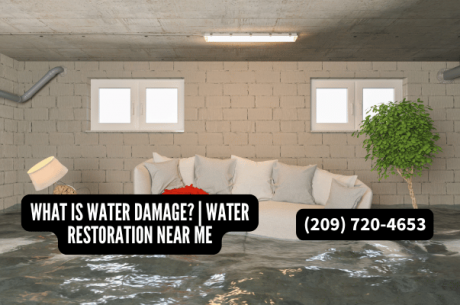
When winter storms unleash their fury across the Central Valley, flood restoration becomes a critical lifeline for Merced homeowners and businesses facing water damage emergencies. The combination of atmospheric rivers, overwhelmed drainage systems, and agricultural runoff creates perfect storm conditions that can transform peaceful neighborhoods into disaster zones within hours.
Central Valley’s unique geography makes Merced particularly vulnerable during storm season. The flat terrain, combined with aging levee systems and urban development on former floodplains, means that what starts as heavy rainfall can quickly escalate into serious flooding requiring immediate professional flood restoration services.
Understanding why 24/7 availability matters during these critical periods can mean the difference between manageable cleanup and catastrophic property loss for Merced residents.
Why Storm Season Demands Round-the-Clock Flood Restoration
California’s storm season typically runs from November through March, with atmospheric rivers capable of dumping months’ worth of rainfall in just days. During these intense weather events, flood restoration emergencies don’t follow business hours, they happen when nature decides, often in the middle of the night or during weekend family gatherings.
Merced’s location in the San Joaquin Valley creates a funnel effect for storm systems moving inland from the Pacific. When these weather patterns stall over the Central Valley, the resulting precipitation overwhelms local drainage infrastructure designed for typical California dry conditions.
The city’s mix of older homes and newer developments means flooding affects different properties in unique ways. Historic neighborhoods with aging plumbing systems face internal flooding from overwhelmed sewer systems, while newer developments deal with surface water infiltration through inadequate drainage planning.
Professional flood restoration teams understand that storm-related flooding often involves contaminated water from overwhelmed municipal systems, agricultural runoff, and industrial sources. This contamination requires specialized cleanup protocols that go far beyond simple water removal.
The Anatomy of Storm Season Flooding in Merced
Central Valley storm systems create multiple flooding scenarios that demand different flood restoration approaches. Understanding these patterns helps property owners recognize when professional intervention becomes essential rather than optional.
Atmospheric rivers bring sustained rainfall that saturates soil and overwhelms Merced’s storm drain capacity. When these drains back up, water seeks alternative routes often through basement foundations, crawl spaces, and ground-level entry points into homes and businesses.
Urban flooding occurs when pavement and development prevent natural water absorption, creating runoff that exceeds drainage system capacity. This surface flooding can enter buildings through doors, windows, and foundation cracks, requiring comprehensive flood restoration to address both visible and hidden water intrusion.
Agricultural drainage from surrounding farmland carries pesticides, fertilizers, and organic matter into flood waters. When this contaminated water enters structures, it creates health hazards that only certified restoration professionals can safely remediate.
Flash flooding from rapid snowmelt in the Sierra Nevada foothills can reach Merced with little warning. These events often catch residents unprepared, making immediate access to emergency flood restoration services absolutely critical for minimizing damage and protecting family health.
Advanced Technology in Emergency Flood Restoration
Modern flood restoration utilizes sophisticated equipment that makes 24/7 response both effective and safe during challenging storm conditions. Truck-mounted extraction systems can remove thousands of gallons per hour, even when external power sources are compromised by storm damage.
Thermal imaging technology identifies hidden moisture intrusion that homeowners can’t detect, ensuring comprehensive water removal that prevents mold growth and structural damage in the weeks following storm events. This technology proves especially valuable when flood restoration teams work in darkened structures during power outages.
Industrial dehumidifiers and air movers create controlled drying environments that function effectively even in high-humidity conditions common during Central Valley storm systems. Professional equipment operates independently of weather conditions, maintaining consistent performance when restoration success depends on rapid moisture removal.
Moisture monitoring systems track drying progress in real-time, allowing flood restoration technicians to adjust equipment placement and operation to ensure optimal results even when external conditions remain challenging.
The True Cost of Delayed Storm Response
Insurance industry data shows that delayed flood restoration response during storm events increases total damage costs by 400-600% compared to immediate professional intervention. What begins as manageable water intrusion becomes extensive structural damage when proper restoration protocols aren’t initiated within hours of discovery.
Secondary damage often exceeds original flood damage when storm-related water intrusion isn’t addressed immediately. Mold growth accelerates in Merced’s humid storm season conditions, while structural materials continue deteriorating until professional drying procedures begin.
Emergency displacement costs mount rapidly when flood restoration delays force families from their homes during storm season. Hotel stays, extended dining expenses, and storage fees create significant financial burdens that proper emergency response prevents.
Health risks associated with contaminated storm water require immediate professional remediation. Delayed response increases exposure time and contamination spread, potentially creating long-term health consequences for entire families.
Merced-Specific Storm Season Challenges
Central Valley’s agricultural environment creates unique contamination scenarios during storm flooding. Pesticide runoff, fertilizer residues, and organic matter require specialized flood restoration protocols that address both immediate damage and long-term health concerns.
Merced’s older housing stock, particularly homes built before modern flood-resistant construction standards, requires specialized restoration techniques. Professional teams understand how different construction materials and methods respond to flood damage and contamination.
Local infrastructure limitations during major storm events can complicate restoration logistics. Professional flood restoration companies maintain local supply chains and equipment resources that remain accessible even when regional transportation becomes challenging.
Municipal services often become overwhelmed during major storm events, making private restoration services essential for timely recovery. Established companies maintain relationships with local utilities, inspectors, and emergency services that expedite restoration processes.
The Professional Emergency Response Process
Emergency flood restoration begins with immediate safety assessment and damage containment. Professional teams identify electrical hazards, structural concerns, and contamination risks that could endanger occupants during initial response operations.
Rapid water extraction using truck-mounted equipment removes standing water quickly while preventing additional damage to unaffected areas. Industrial extractors operate at vacuum levels impossible to achieve with consumer equipment, dramatically reducing damage progression.
Contamination assessment determines appropriate safety protocols for restoration workers and occupants. Storm-related flooding often involves Category 2 or Category 3 contaminated water requiring specialized handling procedures that only certified flood restoration professionals can safely manage.
Structural drying utilizing professional-grade dehumidifiers and air movers creates controlled environments that extract moisture from building materials and air spaces. This scientific approach prevents secondary damage and ensures successful restoration outcomes.
Prevention and Preparedness Strategies
Proactive maintenance helps prevent storm damage that requires emergency flood restoration services. Regular gutter cleaning, drain inspection, and foundation waterproofing reduce vulnerability to storm-related water intrusion.
Emergency preparedness plans should include immediate contact information for reliable restoration services. Having 24/7 flood restoration contact details readily available enables rapid response when storm damage occurs.
Insurance policy reviews ensure adequate coverage for storm-related damage and emergency service costs. Understanding coverage limitations and requirements helps property owners make informed decisions during crisis situations.
Early warning systems like weather alerts and flood monitoring help property owners prepare for potential damage. Proactive preparation reduces emergency response complexity and improves flood restoration outcomes.
Working with Insurance During Storm Emergencies
Most homeowners’ insurance policies cover sudden storm damage when proper notification and response procedures are followed. Professional flood restoration companies understand insurance requirements and help property owners navigate claims processes during stressful emergency situations.
Documentation requirements become critical during major storm events when multiple claims overwhelm insurance adjusters. Professional restoration teams provide detailed damage assessment and photographic evidence that supports successful claims resolution.
Emergency service costs are typically covered under most policies when storm damage results from covered weather events. The additional expense of 24/7 service often represents minimal cost compared to delayed response consequences.
Temporary living expenses may be covered when flood restoration requires extended displacement during storm season. Professional companies coordinate with insurers to ensure proper documentation and claim support for additional living costs.
Frequently Asked Questions About Emergency Flood Restoration During Storm Season
Q: How quickly should I call for flood restoration services during a storm?
A: Call immediately upon discovering water intrusion, even during active storms. Professional teams can begin damage assessment and containment while conditions remain challenging, preventing exponential damage progression.
Q: Are emergency flood restoration services available during severe weather conditions?
A: Yes, certified restoration companies maintain 24/7 response capability specifically for storm emergencies. Professional crews are equipped and trained to work safely during challenging weather conditions when immediate response is critical.
Q: Will my insurance cover emergency flood restoration during storm season?
A: Most homeowners’ policies cover storm-related water damage from covered incidents like roof damage or plumbing failures. However, surface flooding may require separate flood insurance. Professional companies help determine coverage and work with adjusters.
Q: What should I do while waiting for emergency flood restoration teams during a storm?
A: Ensure family safety first, then stop water sources if safely possible. Document damage with photos, avoid electrical hazards, and don’t enter standing water. Professional teams will handle comprehensive damage assessment upon arrival.
Q: How do I choose reliable emergency flood restoration services during storm season?
A: Look for IICRC certification, 24/7 local availability, proper licensing and insurance, and storm experience. Avoid companies that can’t guarantee immediate response or outsource emergency calls to distant locations.
Trust PuroClean of South Merced for Emergency Flood Restoration
When Central Valley storms threaten your Merced property, PuroClean of South Merced provides the immediate flood restoration response that protects both your investment and your family’s safety. Our certified technicians maintain true 24/7/365 availability with local response teams positioned throughout the Merced area.
We understand Central Valley’s unique storm patterns and maintain specialized equipment designed for contaminated flood water common during agricultural area flooding. Our IICRC-certified professionals combine advanced technology with local expertise to deliver superior restoration results even under challenging storm conditions.
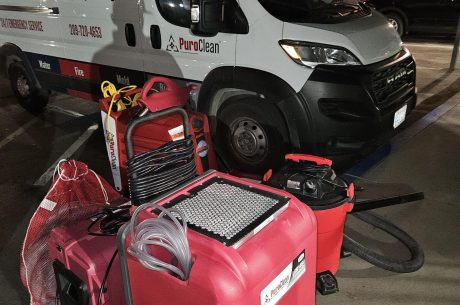
Our emergency response vehicles remain fully stocked and strategically positioned for rapid deployment during storm season. We don’t rely on distant crews or outsourced emergency services—our local team responds immediately when you need help most.
Don’t let storm flooding destroy your property and peace of mind. Call PuroClean of South Merced immediately at (209) 720-4653 for emergency flood restoration services. We answer 24/7/365 and deploy crews within hours, not days.
(209) 720-4653 | Contact Us Online | Available 24/7 | Google Business Profile

 PuroClean of South Merced