


Table of Contents
The Mold Remediation Process is a critical service for homeowners dealing with moisture damage, leaks, or flooding. Mold spreads quickly in damp environments and can damage structures while affecting indoor air quality and health.
In areas like Merced County, homes may experience mold growth due to water damage, plumbing leaks, poor ventilation, or past flooding. Understanding how the Mold Remediation Process works can help homeowners make informed decisions and act quickly before mold spreads.
This guide explains the Mold Remediation Process step by step, what professionals do during remediation, and when it’s time to call an expert restoration company like PuroClean of South Merced.
What Is the Mold Remediation Process?
The Mold Remediation Process refers to the professional procedure used to identify, contain, remove, and prevent mold growth in homes or buildings.
Unlike simple mold cleaning, remediation focuses on:
- Eliminating active mold colonies
- Removing contaminated materials
- Addressing the moisture source
- Restoring safe indoor air quality
According to the U.S. Environmental Protection Agency, controlling moisture and properly removing contaminated materials are essential steps to prevent mold from returning.
Why Mold Remediation Is Important for Homes in Merced County
Merced County homes are particularly vulnerable to mold due to:
- Water leaks from aging plumbing systems
- Flooding or water damage
- Poor attic or crawlspace ventilation
- Humidity buildup in bathrooms and kitchens
Without a proper Mold Remediation Process, mold can:
- Damage drywall, insulation, and flooring
- Cause musty odors
- Trigger allergies or respiratory problems
- Reduce property value
Professional remediation ensures mold is removed safely and permanently.
Related: How Mold Remediation Can Save Your Home and Health in Merced, CA
The 7 Essential Steps in the Mold Remediation Process
Below is the typical Mold Remediation Process used by professional restoration companies.
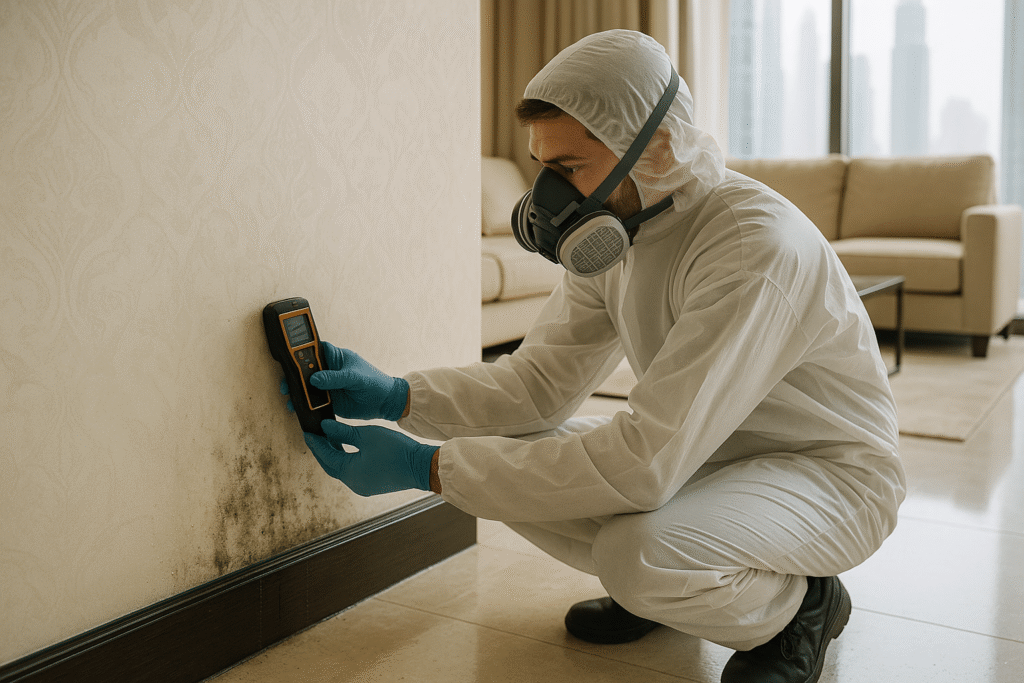
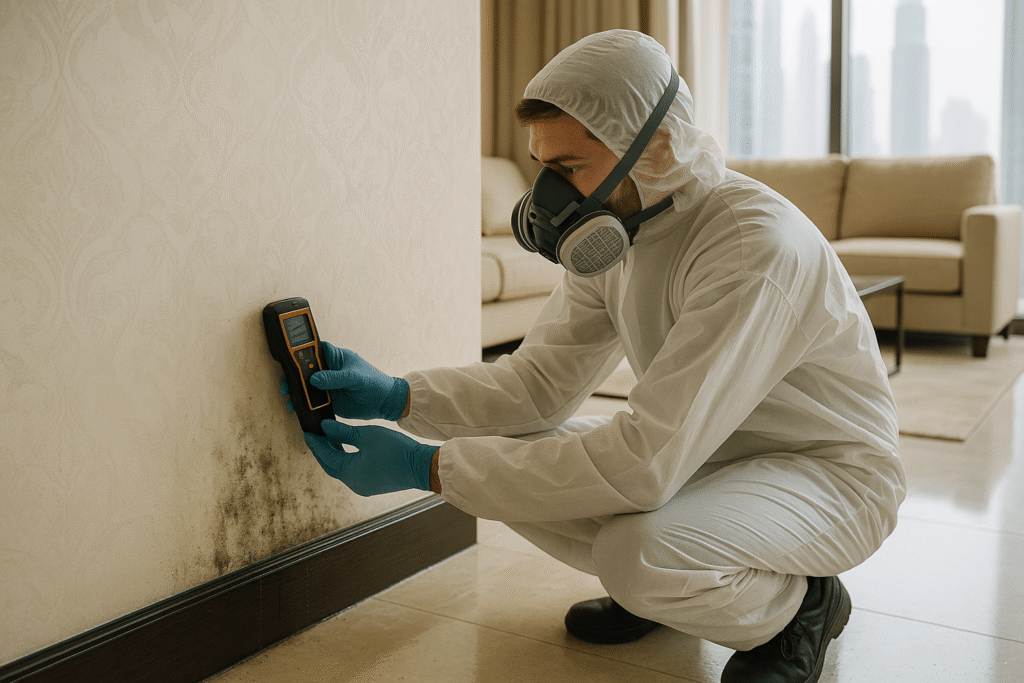
Step 1 – Mold Inspection and Damage Assessment
Every Mold Remediation Process begins with a thorough inspection.
Professionals evaluate:
- Visible mold growth
- Water damage areas
- Moisture levels in walls and floors
- Indoor air quality
Special tools often used include:
- Moisture meters
- Infrared cameras
- Air sampling equipment
This step determines the extent of contamination and the remediation strategy.
Step 2 – Containment of Affected Areas
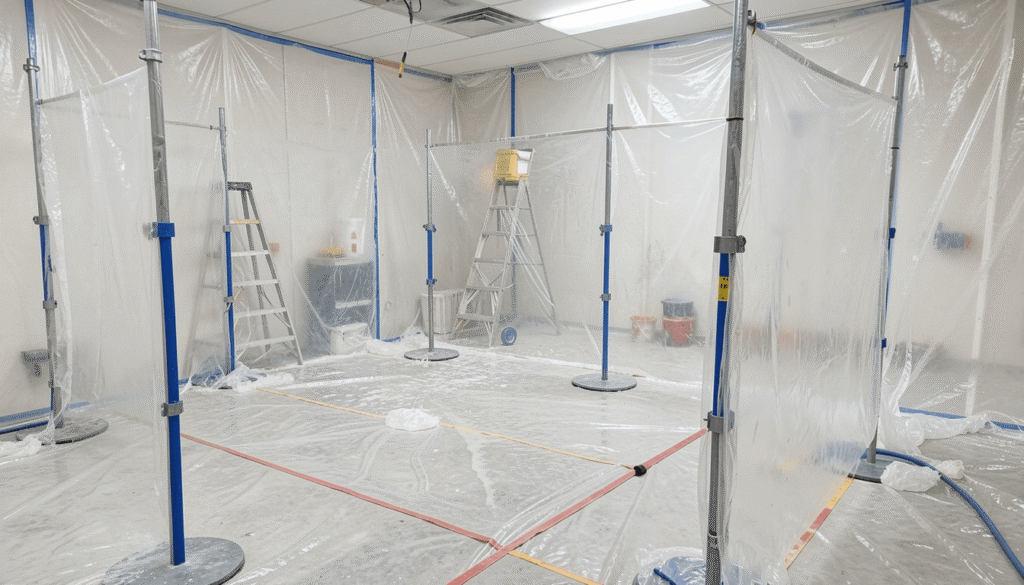
Containment prevents mold spores from spreading during removal.
Professionals isolate contaminated spaces using:
- Plastic containment barriers
- Negative air pressure machines
- HEPA filtration systems
This part of the Mold Remediation Process is essential because mold spores easily travel through the air and can contaminate other rooms.
Step 3 – Air Filtration and Mold Spore Control
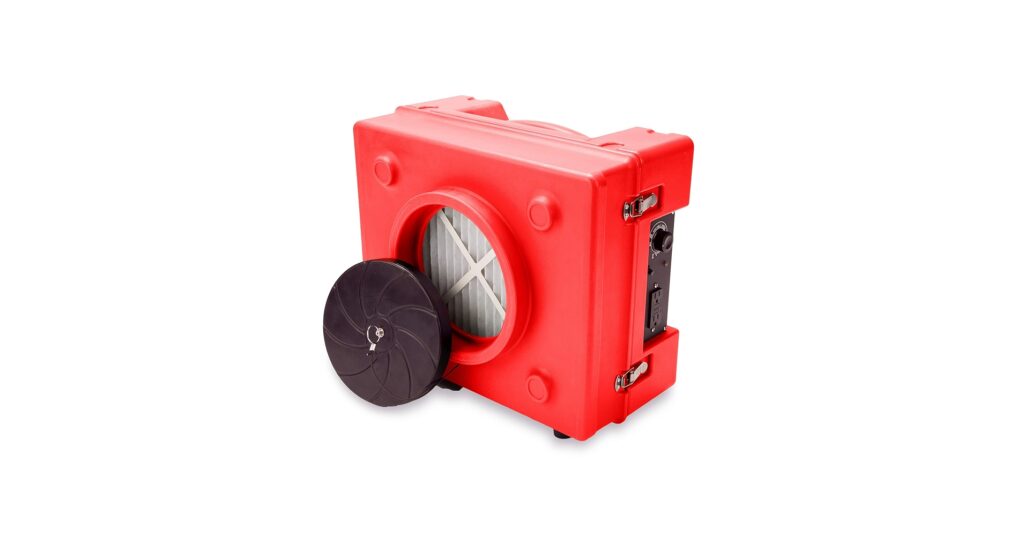
Specialized equipment cleans the air during the Mold Remediation Process.
Common tools include:
- HEPA air scrubbers
- Negative air machines
- Industrial filtration systems
These systems capture airborne spores, improving indoor air quality while remediation is underway.
Step 4 – Removing Mold-Contaminated Materials
Some materials cannot be salvaged once mold spreads into them.
Common items removed during the Mold Remediation Process include:
- Moldy drywall
- Ceiling tiles
- Insulation
- Carpets and padding
Porous materials often must be discarded because mold grows deep within them and cannot be fully cleaned.
Step 5 – Cleaning and Disinfecting Surfaces
Once contaminated materials are removed, technicians clean remaining surfaces.
The Mold Remediation Process typically includes:
- Antimicrobial treatments
- HEPA vacuuming
- Surface scrubbing with specialized cleaning agents
Hard surfaces like tile or metal can often be cleaned and restored effectively.
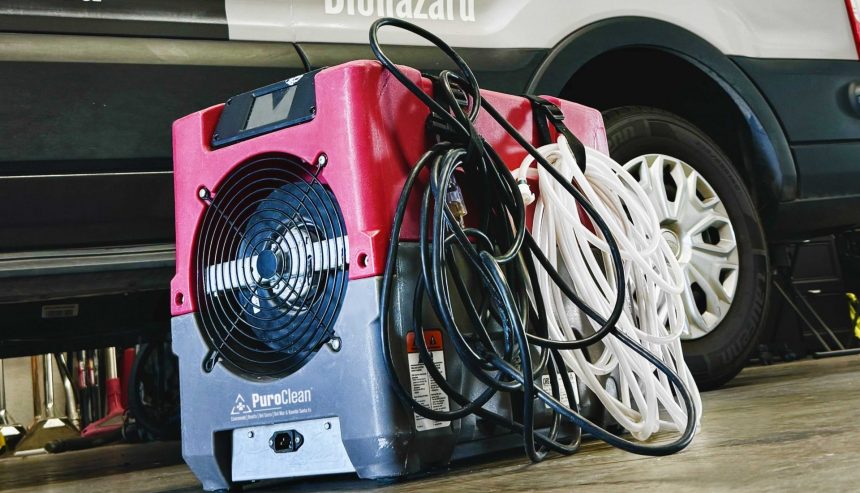
Step 6 – Drying and Dehumidification
Moisture control is the foundation of any successful Mold Remediation Process.
Technicians use:
- Industrial dehumidifiers
- Air movers
- Moisture monitoring tools
Drying prevents new mold growth and protects building materials from further damage.
Step 7 – Restoration and Final Verification
The final step of the Mold Remediation Process focuses on restoring the affected area.
This may include:
- Replacing drywall
- Reinstalling flooring
- Painting or finishing surfaces
- Conducting final mold inspections
Once completed, the area should be dry, odor-free, and free of visible mold growth.
How Long Does the Mold Remediation Process Take?
The remediation Process can take anywhere from:
- 1–2 days for small areas
- 3–7 days for moderate contamination
- 1–2 weeks for large remediation projects
The timeline depends on:
- Size of the affected area
- Type of materials contaminated
- Severity of moisture damage
Professional restoration companies provide detailed timelines after inspection.
Can You Handle the Mold Remediation Process Yourself?
Small mold areas under 10 square feet may sometimes be cleaned by homeowners.
However, professional remediation is recommended when:
- Mold spreads through walls or insulation
- There has been major water damage
- Mold covers large areas
- Occupants have respiratory issues
Large mold contamination should be handled by trained professionals using protective equipment and specialized tools.
Related: When to Call a Mold Remediation Specialist in South Merced
How Do Professionals Prevent Mold from Returning?
A proper Remediation Process also includes prevention strategies.
Professionals typically recommend:
- Fixing plumbing leaks
- Improving home ventilation
- Installing dehumidifiers
- Sealing crawlspaces or basements
- Maintaining HVAC systems
Addressing moisture problems is the most effective way to stop mold from returning.
When Should You Call a Mold Remediation Professional in Merced County?
You should contact professionals if you notice:
- Persistent musty odors
- Visible mold growth on walls or ceilings
- Water damage after flooding or leaks
- Recurring mold problems
Acting quickly can prevent structural damage and expensive repairs.
Need Mold Remediation in Merced County? Contact PuroClean of South Merced
If you suspect mold in your home, the safest solution is to work with experienced professionals.
PuroClean of South Merced specializes in the full Mold Remediation, helping homeowners restore safe and healthy living environments.
Their trained technicians provide:
- Mold inspection and assessment
- Professional containment and removal
- Industrial drying and dehumidification
- Property restoration services
Whether your property has experienced water damage, flooding, or hidden mold growth, their team can respond quickly and effectively.
Call PuroClean of South Merced today to schedule a mold inspection and protect your home.
FAQs About the Mold Remediation Process
What is the first step in the Mold Remediation Process?
The mold remediation process is a professional method used to identify, contain, remove, and prevent mold growth inside homes or buildings. It typically includes inspection, containment, air filtration, removal of contaminated materials, cleaning, drying, and restoration.
How long does the mold remediation process take?
Most mold remediation projects take 1–5 days, depending on the size of the affected area and the level of contamination. Larger projects involving water damage or structural materials may take one to two weeks to complete.
How much does mold remediation cost in Merced County?
The cost of mold remediation usually ranges from $500 to $6,000, depending on the size of the infestation, materials affected, and required repairs. Large remediation projects involving structural damage may cost significantly more.
Is mold remediation safe for homeowners?
Yes. Professional mold remediation uses containment barriers, HEPA air filtration, and protective equipment to keep homeowners safe while removing mold spores and contaminated materials.
Can mold come back after remediation?
Yes, mold can return if the moisture source is not fixed. Professional remediation includes identifying and eliminating the cause of moisture, such as leaks, humidity, or ventilation issues.
What are the signs you need mold remediation?
Common signs include:
Musty odors
Visible mold growth
Water damage or leaks
Allergy symptoms indoors
Peeling paint or warped drywall
Can I remove mold myself?
Small mold areas under 10 square feet can sometimes be cleaned by homeowners. Larger infestations or mold inside walls, insulation, or HVAC systems should be handled by professionals.
Does homeowners insurance cover mold remediation?
Insurance may cover mold remediation if the mold resulted from a covered event, such as sudden water damage from a burst pipe. Mold caused by long-term neglect or humidity often is not covered
Who should I call for mold remediation in Merced County?
Homeowners should contact a licensed mold remediation company like PuroClean of south merced that specializes in water damage restoration and mold removal. Professional services ensure mold is safely removed and prevented from returning.
Does mold remediation remove mold permanently?
Yes, when the Mold Remediation Process includes moisture control and proper removal of contaminated materials.
What is the mold remediation process?
The mold remediation process is a professional method used to identify, contain, remove, and prevent mold growth inside homes or buildings. It typically includes inspection, containment, air filtration, removal of contaminated materials, cleaning, drying, and restoration.