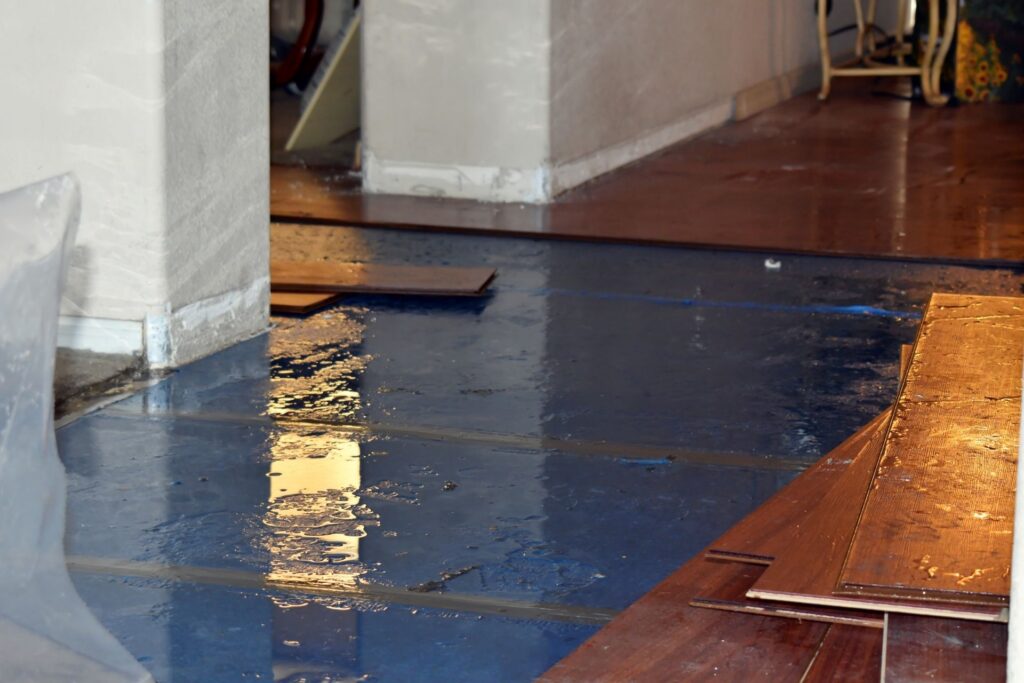
Water mitigation and water restoration are two distinct phases of recovering from a water damage event, and knowing the difference matters more than most homeowners expect. Mitigation happens first: stopping further damage, removing standing water, and drying out the structure before anything else can happen. Restoration comes after, once mitigation is complete, and covers the actual rebuild, replacing drywall, refinishing floors, whatever it takes to bring the property back to its pre-loss condition. The two phases run on different timelines, cover different scopes of work, and often involve separate conversations with an insurance adjuster, which is why homeowners who use the terms interchangeably- something we hear a lot from Jacksonville homeowners after their first water event- can end up confused about where one phase ends and the other begins.
What Exactly Happens During Water Mitigation?
Water damage mitigation is the emergency response phase. It starts with identifying the source of water intrusion and, if possible, stopping it, followed by extracting standing water and assessing how far moisture has spread into floors, walls, and other materials. According to the IICRC, the professional standards organization that publishes the industry’s water damage restoration guidelines, water mitigation work also includes documenting the damage, classifying the water source, and beginning structural drying with air movers and dehumidifiers. The goal during this phase is simple: stop the damage from worsening and prevent secondary problems such as mold growth, which tends to move fast in Jacksonville’s humidity if a property isn’t dried out quickly- something we see often in homes near Camp Lejeune where families are frequently relocating and don’t always catch a slow leak early.
Mitigation typically happens within the first 24 to 48 hours after a water event, since that window is critical for limiting how much of the property needs more extensive repair later.
What Happens During Water Restoration?
Once a structure is fully dry and mitigation work is complete, restoration begins. This phase covers the actual repair and rebuilding work, things like replacing damaged drywall, refinishing or replacing flooring, repainting, and reinstalling trim or cabinetry that had to be removed during mitigation. Restoration is where the property gets put back together, and it can range from minor cosmetic repairs to a full reconstruction project, depending on how extensive the original damage was. On larger jobs, like the kind we often see on older homes throughout Jacksonville, restoration can also mean coordinating multiple trades to get everything back to matching condition.
Unlike mitigation, which is largely about speed and damage control, restoration is about craftsmanship and matching the finished product to the property’s original condition.
Why Does Water Get Classified During Mitigation?
Part of the mitigation process involves classifying the water source, since that classification determines what materials can be dried and saved versus what needs to be removed and replaced. Water damage is categorized into three categories of water: Category 1 is clean water from a sanitary source, Category 2 involves water with some contamination, and Category 3 is grossly contaminated water that poses health risks. This classification isn’t just paperwork. It directly shapes decisions about which materials are salvageable, which affects both the scope of restoration work and how an insurance claim gets processed, something that comes up often on Jacksonville properties near Wilson Bay and other flood-prone areas where Category 2 and 3 water events are more common.
Does Insurance Treat Mitigation and Restoration Differently?
Insurance companies often handle mitigation and restoration as two separate line items, even on the same claim. Mitigation is typically treated as an emergency service meant to prevent further loss, which is why many policies cover it promptly and without extensive pre-approval. Restoration, on the other hand, often requires more documentation, estimates, and sometimes a separate approval process, since it involves rebuilding rather than emergency response. Understanding this distinction can help homeowners anticipate why the early days of a claim move quickly while the rebuild phase sometimes takes longer to get underway, a pattern we walk Jacksonville clients through regularly so there are no surprises mid-claim.
Can the Same Company Handle Both Phases?
Some restoration companies handle both mitigation and rebuilding, while others specialize in one phase and coordinate closely with a trusted partner for the other. Either approach can work well; what matters most is clear communication and thorough documentation handed off between whoever manages each phase, so nothing gets lost in translation. A mitigation team that documents damage carefully from day one makes the eventual restoration estimate and any related insurance claim more straightforward, regardless of who completes the rebuild.
Dealing With Water Damage and Not Sure Where to Start?
Whether a property needs emergency water extraction, structural drying, or help navigating what comes next, having an experienced team lead the mitigation process makes recovery faster and less stressful from day one. At PuroClean of South Onslow, we handle water mitigation across Southeastern North Carolina, working quickly to stop the damage, dry the structure, and set the property up for a smooth transition into repairs. Contact our team today for emergency assistance, and we’ll be with you every step of the way.
Frequently Asked Questions
How long does water mitigation usually take?
Mitigation, including water extraction and structural drying, typically takes three to five days depending on the extent of the water damage, though larger losses or extensive contamination can take longer.
Can restoration begin before mitigation is fully complete?
Generally no. Materials need to be fully dry and verified before rebuilding begins, since closing up walls or installing new flooring over residual moisture can trap dampness and lead to mold growth later.
Does homeowners insurance cover both mitigation and restoration?
Most policies cover both phases when the damage results from a covered event, but coverage details, deductibles, and documentation requirements vary by policy, so it’s worth reviewing the specifics with the insurance provider.
What happens if water damage isn’t addressed quickly?
Delayed response increases the risk of water spreading further into building materials, can cause clean water to become more contaminated over time, and raises the likelihood of mold growth, all of which generally increase the scope and cost of the eventual restoration.
Is it possible to do water mitigation without later needing restoration?
For minor events caught and dried quickly, sometimes no rebuilding is needed beyond the drying process itself. Larger or longer-standing water events almost always require at least some restoration work afterward.