 PuroClean of South Onslow
 Table of Contents
Mold removal is a critical first step in restoring a healthy indoor environment—but eliminating visible mold doesn’t always mean your air is clean. In South Onslow, where high humidity and frequent coastal rains create ideal conditions for mold growth, even the most thorough remediation can leave behind invisible airborne spores. These microscopic particles are light enough to remain suspended in the air for hours—or even days—traveling through ventilation systems, settling in hidden areas, and reintroducing contamination over time.
That’s why air quality testing after mold removal is essential. It provides scientific confirmation that mold spores, allergens, and microbial contaminants have been reduced to safe levels, ensuring your home or business is truly habitable again. Without this critical follow-up step, there’s no reliable way to know if the air you breathe is free of harmful pollutants.
For residents and property owners throughout South Onslow, Jacksonville, Sneads Ferry, and neighboring coastal communities, the risk of airborne mold is often underestimated. While surfaces may look clean, indoor air can still carry spores, mycotoxins, and volatile organic compounds (VOCs) that affect respiratory health and comfort. Over time, these contaminants can cause headaches, allergic reactions, or chronic irritation, particularly in children, seniors, or anyone with asthma.
In short, post-remediation air testing doesn’t just verify the success of mold cleanup—it protects your health, your property’s structural integrity, and your peace of mind. Whether you’re a homeowner, landlord, or business owner in South Onslow, professional air quality testing is the only way to ensure your indoor environment is genuinely safe to occupy.

Mold Can Linger in the Air After Remediation
Once visible mold has been removed, microscopic spores may still remain suspended in the air, carried through ventilation systems or settling in areas that weren’t cleaned directly. These spores can continue to affect indoor environments long after surfaces appear clean.
Exposure to airborne mold may cause symptoms such as:
- Persistent coughing or sneezing
- Itchy eyes and throat
- Headaches, fatigue, or difficulty breathing
In homes with children, elderly residents, or individuals with asthma or other respiratory sensitivities, even low levels of mold in the air can be problematic. That’s why confirming the absence of airborne spores after mold removal is not optional—it’s necessary.
Why It Matters in South Onslow’s Climate
The climate in South Onslow presents unique challenges when it comes to mold prevention and indoor air quality. Situated near the Atlantic Coast, this region is regularly exposed to high humidity, salt-laden air, frequent rainfall, and coastal storms, all of which contribute to persistent moisture in homes and buildings.
These environmental factors create a perfect breeding ground for mold, especially in areas that are poorly ventilated or have suffered previous water damage.
If your property has experienced flooding from hurricanes or heavy rains, roof or plumbing leaks, or even just extended periods of indoor humidity, the risk of mold growth—and more importantly, lingering mold spores in the air—is significantly increased.
Even after visible mold is removed, these spores can remain suspended in the air or trapped within HVAC systems, drywall cavities, or other hidden areas, posing a continued threat to indoor air quality.
This issue is especially relevant in neighborhoods and communities close to the water, such as North Topsail Beach, Sneads Ferry, and other low-lying parts of South Onslow. Homes and businesses in these areas are more likely to experience high moisture levels year-round, which increases the chances of mold recurrence and makes air quality testing after remediation not just recommended, but essential.
The combination of environmental exposure and building vulnerabilities means that without proper verification, mold may return silently and compromise both the health of occupants and the longevity of the structure.
What Air Quality Testing Reveals
Professional air quality testing is designed to detect:
- Mold spores that remain airborne after cleanup
- Elevated levels of allergens, dust, or microbial particles
- Imbalances in indoor versus outdoor air quality
Air samples are collected from different parts of your property and analyzed by certified labs. Results typically include a breakdown of spore counts per cubic meter, the types of mold detected, and how those levels compare to acceptable environmental standards.
If levels are still elevated, further remediation or ventilation improvements may be needed. In many cases, testing provides confirmation that no further action is necessary—which gives peace of mind to both homeowners and buyers during real estate transactions.
When Should You Schedule Air Quality Testing?
Not every mold remediation case requires post-removal testing, but in many situations it is highly recommended—especially when:
- Health symptoms persist even after cleanup
- You notice a musty odor that wasn’t present before
- You’re planning to sell, rent, or renovate a property
Testing is also wise in homes with HVAC systems that circulate air across multiple floors or zones. Spores that remain in ducts or vents can continue to spread, even after direct cleanup.
For properties in humid environments like South Onslow, where mold growth can return quickly, air quality testing serves as a safeguard against recurring problems.
The Link Between Air Testing and Mold Health Risks
Air quality testing is not just about checking boxes—it’s directly connected to long-term health and property safety. Invisible spores can trigger:
- Asthma attacks
- Chronic sinus issues
- Long-term immune responses
This is especially concerning in environments like schools, daycares, or rental properties where multiple people are affected. While mold remediation focuses on visible damage, air testing verifies whether the problem has been resolved at a microscopic level.
To understand how this works, it’s important to learn more about air sampling—a method used to collect and analyze air particles that can identify mold spores even in the absence of visible signs.
Ensure your air is as clean as your space—schedule air quality testing today. Call us at (910) 787-1881 or visit our website.
You may also like these related articles:
- What Happens During Mold Post-Remediation Verification?
- Indoor Air Purifiers vs. Professional Post-Remediation Testing: What’s More Effective?
- Top 10 Mold Prevention Tips After Remediation in South Onslow
Frequently Asked Questions (FAQs)
Q: Is air quality testing always necessary after mold removal?
A: Not always—but it is highly recommended when health symptoms continue, the mold issue was severe, or you’re concerned about indoor safety. It confirms whether remediation was effective.
Q: How soon after mold remediation should air be tested?
A: Usually within 24–48 hours after cleanup is complete. This allows the environment to stabilize and ensures test accuracy.
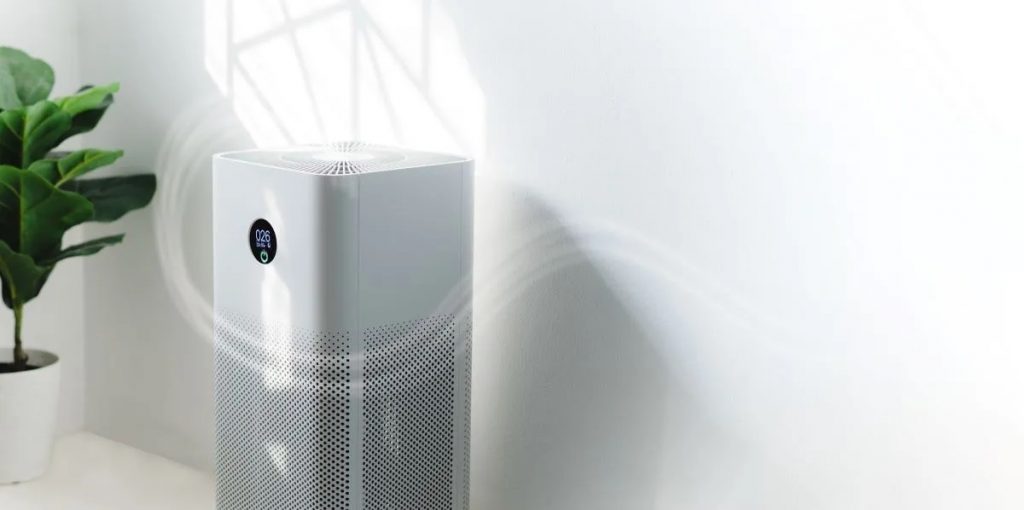
Q: Can I use a home air quality monitor instead of hiring a professional?
A: Consumer-grade devices can detect some pollutants, but they lack the sensitivity and reliability of lab-based testing. For mold spores, professional air sampling is the only accurate option.
Q: What if the test still shows mold in the air?
A: If levels are above safe thresholds, additional cleaning, HVAC duct inspection, or dehumidification may be required to prevent regrowth and health issues.
 PuroClean of South Onslow