Yes, smoke damage absolutely affects rooms the fire never touched, and in many cases, the rooms farthest from the fire are where the most overlooked damage lives. Smoke moves faster than flames and travels through HVAC ductwork, wall cavities, ceiling spaces, and open doorways within minutes of a fire starting. Soot particles are microscopic and chemically active, and they begin corroding and staining surfaces the moment they land. A kitchen fire, a bathroom fire, or even a contained bedroom fire can deposit damaging soot residue on walls, ceilings, contents, and air systems throughout the entire home. For homeowners between Hampstead and Jacksonville, understanding how smoke travels is the difference between a complete smoke damage restoration and a home that smells like smoke for years.
How Smoke Travels Through a Home
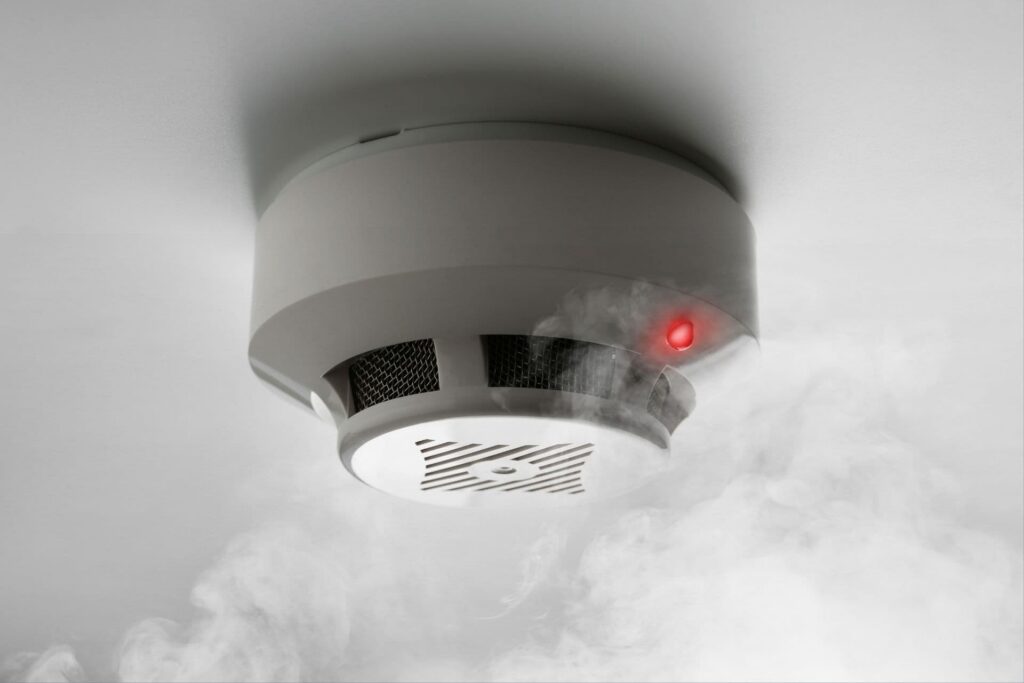
Smoke does not stay where the fire is. It follows air movement, pressure differentials, and the path of least resistance through every connected space in the structure. Hot air from a fire rises rapidly and pushes smoke upward and outward through any opening available, including gaps around light fixtures, electrical outlets, pipe penetrations in walls, and the spaces between floors in multi-story homes.
According to the NFPA, home fires cause billions of dollars in property damage every year, and much of that cost is driven by secondary damage like soot that travels far beyond the fire origin and goes unaddressed. The HVAC system is the most efficient smoke distribution system in any home. If the system was running when the fire started, or if it kicked on during or shortly after the event, smoke was pulled into the return vents and pushed through the ductwork into every room served by that system. Rooms on the opposite side of the house from the fire can end up with soot coating the inside of every vent register and deposited on every surface the air touches.
Why the HVAC System Is the First Thing to Address
Turning off the HVAC system immediately after a fire is one of the most important steps a homeowner can take, and it is one that most people do not think about in the chaos of the moment. Every minute the system runs after a fire, it is actively distributing contaminated air throughout the home and depositing soot in rooms that may otherwise have been unaffected.
The EPA classifies fine soot particles as a significant indoor air quality hazard, noting that they are small enough to bypass the body’s natural defenses and penetrate deep into the lungs. When those particles enter a home’s ductwork, they coat interior duct surfaces, the air handler, coils, and blowers, and get redistributed into every connected room each time the system cycles. Standard air filters are not designed to capture particles this fine and become saturated almost immediately. This is why replacing an air filter after a fire is not a solution. The entire duct system needs to be professionally inspected and cleaned.
What Soot Actually Does to Surfaces
Soot is not just discoloration. It is an acidic chemical compound that actively attacks the surfaces it lands on. The corrosive process begins within hours of deposition and accelerates over time, which means delay directly translates to increased damage and cost.
Within the first 24 to 48 hours, soot begins permanently etching glass, corroding metal fixtures and appliances, and staining porous materials like drywall, wood trim, fabric, and upholstery. Within 72 hours, permanent staining can occur on walls, ceilings, and countertops throughout the home, including rooms where no smoke was visible to the naked eye. The soot that settled in a bedroom across the house from a kitchen fire may be invisible, but it is still there, still acidic, and still working.
The type of fire affects the type of soot and how it behaves. Kitchen fires involving food or grease produce a protein smoke residue that is nearly invisible but leaves a strong, persistent odor and a varnish-like film that spreads extensively. Fires involving synthetic materials like plastic, foam furniture, or electrical components produce thick, oily, black soot that clings aggressively to surfaces and is particularly difficult to remove. Wood fires generate drier soot that travels quickly through air movement and settles broadly, but is more responsive to professional cleaning when addressed promptly.
The Rooms and Spaces Most People Miss
Beyond the obvious fire room and adjacent spaces, there are areas of the home that almost always sustain smoke damage after a structural fire and almost always get overlooked during initial assessment.
Attic spaces are one of the most commonly missed areas. Heat and smoke rise, and in a single-story home or any home with an attic, smoke pushes upward through ceiling penetrations and accumulates heavily in the insulation, roof decking, and rafters. Homeowners often do not discover attic contamination until months later, when odors persist and cannot be explained.
Closets and interior rooms with closed doors are another common surprise. Smoke finds its way under and around doors and into enclosed spaces, where it becomes trapped and concentrated. A closet full of clothing adjacent to a fire room can require full contents cleaning even if the closet door was shut throughout the event.
Crawl spaces and basement areas can also accumulate smoke when a fire occurs in the lower levels of a home or when smoke travels downward through structural gaps. In the humid climate between Hampstead and Jacksonville, a smoke-contaminated crawl space also creates conditions that accelerate mold growth, combining two restoration problems into one.
Why DIY Cleanup Makes Smoke Damage Worse
The instinct after a fire is to start cleaning immediately. That instinct, applied without professional guidance, often makes the problem significantly worse. Wiping soot with a wet cloth smears it deeper into porous surfaces. Using household cleaning products on the wrong type of soot can set stains permanently and worsen odor. Running fans to air out the home can spread dry soot particles to surfaces that were previously unaffected.
Smoke odor is not an odor problem in the conventional sense. It is a chemical contamination problem. Air fresheners, candles, and deodorizing sprays layer fragrance on top of smoke residue without addressing the underlying chemistry. When the fragrance fades, the odor returns, often stronger than before because the soot has continued its corrosive work in the interim. Professional thermal fogging and ozone treatment neutralize odor at the molecular level by following the same pathways the smoke traveled, which is why they work where household methods do not.
What a Complete Smoke Damage Assessment Looks Like
A proper assessment after any house fire goes well beyond the fire room. Certified technicians test the type of soot residue present, measure pH levels to understand the extent of corrosive activity, and map the spread of contamination throughout the structure, including HVAC components, wall cavities, attic spaces, and contents. Thermal imaging can identify smoke intrusion in areas not visible to the naked eye.
That full picture is also what your insurance claim requires. Documenting only the fire room and ignoring the smoke spread throughout the rest of the home means leaving legitimate damage off the claim and paying out of pocket for problems that surface later. A thorough restoration scope protects both your home and your coverage.
Call PuroClean of South Onslow Before You Start Cleaning
At PuroClean of South Onslow, we handle fire and smoke damage restoration throughout the area from Hampstead to Jacksonville and Clinton to Wallace. After any fire in your home, the single most important call you can make is to a certified restoration professional before any cleaning begins. We assess the full extent of smoke damage, document everything for your insurance claim, and restore your home to pre-loss condition using methods matched to the specific type of smoke and soot involved. Reach out to our team and let us take a look before the damage goes any further.
Frequently Asked Questions
Can smoke damage affect rooms the fire never touched?
Yes. Smoke damage absolutely affects rooms the fire never reached, and the rooms farthest from the fire often have the most overlooked damage. Smoke moves faster than flames and travels through HVAC ductwork, wall cavities, ceiling spaces, and open doorways within minutes. Soot particles are microscopic and chemically active, so they begin corroding and staining surfaces the moment they land. A contained kitchen, bathroom, or bedroom fire can deposit damaging soot on walls, ceilings, contents, and air systems throughout the entire home.
How does smoke travel through a house?
Smoke follows air movement, pressure differentials, and the path of least resistance through every connected space. Hot air from a fire rises rapidly and pushes smoke upward and outward through any opening, including gaps around light fixtures, electrical outlets, pipe penetrations, and the spaces between floors. The HVAC system is the most efficient smoke distributor in any home: if it were running, smoke gets pulled into the return vents and pushed through the ductwork into every room the system serves, even on the opposite side of the house.
Should you turn off your HVAC system after a fire?
Yes. Turning off the HVAC system immediately after a fire is one of the most important steps a homeowner can take. Every minute the system runs, it actively distributes contaminated air throughout the home and deposits soot in rooms that might otherwise have stayed unaffected. The fine soot particles coat the interior ducts, air handler, coils, and blowers, then get redistributed each time the system cycles. Standard air filters cannot capture particles this fine, so the entire duct system needs professional inspection and cleaning.
Why is DIY smoke cleanup a bad idea?
DIY cleanup often makes smoke damage significantly worse. Wiping soot with a wet cloth smears it deeper into porous surfaces, household cleaners on the wrong type of soot can set stains permanently and worsen odor, and running fans can spread dry soot to previously unaffected areas. Smoke odor is a chemical contamination problem, not a conventional odor problem, so air fresheners and sprays only mask it temporarily. Professional thermal fogging and ozone treatment neutralize odor at the molecular level by following the same paths the smoke traveled.
How quickly does soot damage surfaces after a fire?
Soot begins damaging surfaces within hours. It is an acidic chemical compound that actively attacks what it lands on, and the corrosive process accelerates over time. Within the first 24 to 48 hours, soot begins permanently etching glass, corroding metal fixtures and appliances, and staining porous materials like drywall, wood trim, and upholstery. Within 72 hours, permanent staining can occur on walls, ceilings, and countertops throughout the home, including rooms where no smoke was ever visible. Delay directly translates to more damage and higher cost.