In many cases, yes, smoke-damaged electronics and appliances can be saved. Whether a specific device makes it through depends on how close it was to the fire, how much smoke and soot got into it, and, most of all, how fast it gets professionally cleaned. Devices assessed and treated within the first day or two have real odds of a full recovery. One of the first questions homeowners ask us after a fire is whether the TV, laptop, or kitchen appliances are gone for good, and it’s an understandable worry, since replacing a house full of electronics on top of everything else a fire disrupts is a painful thing to sit with.
Why the First 24 to 48 Hours Matter Most
It’s rarely the fire itself that ends up killing most electronics; it’s what happens in the hours after. Soot residue left behind by a fire is acidic, and the moment it settles onto metal contacts, connectors, and circuit boards, it starts corroding them. A device that would have been fully restorable on day one can turn into a total loss by day five, simply because nobody addressed the soot sitting inside it.
Electrical fires alone account for tens of thousands of home fires every year, according to National Fire Protection Association data on home electrical fires, and that’s before counting cooking equipment, heating systems, and other ignition sources. Whatever started the blaze, once it’s out, the clock starts on everything electronic in the house.
Leave the Power Off, Even If It Looks Fine
If a TV or laptop looks totally normal after a fire, plugging it back in and seeing what happens feels like the obvious next step. We’d ask you to hold off. Soot makes internal components conductive in ways that aren’t visible from the outside, and powering on a device before it’s been professionally cleaned can short-circuit parts that would have otherwise been fine. Waiting a day or two for an assessment costs a lot less than guessing wrong.
Which Electronics Have the Best Odds?
Computers, TVs, and audio equipment tend to do better than people expect, especially if they weren’t in the direct path of the flames and get cleaned within the first couple of days. A lot of what determines the outcome isn’t visible at first glance either. Fine soot particles work their way into vents, seams, and internal components long before anything looks damaged on the outside.
Devices closer to the fire’s origin, or exposed to high heat rather than just smoke, have a much tougher road. Heat that’s warped a plastic housing or melted components inside usually can’t be undone, no matter how fast the cleaning happens.
What About Refrigerators, Washers, and Other Big Appliances?
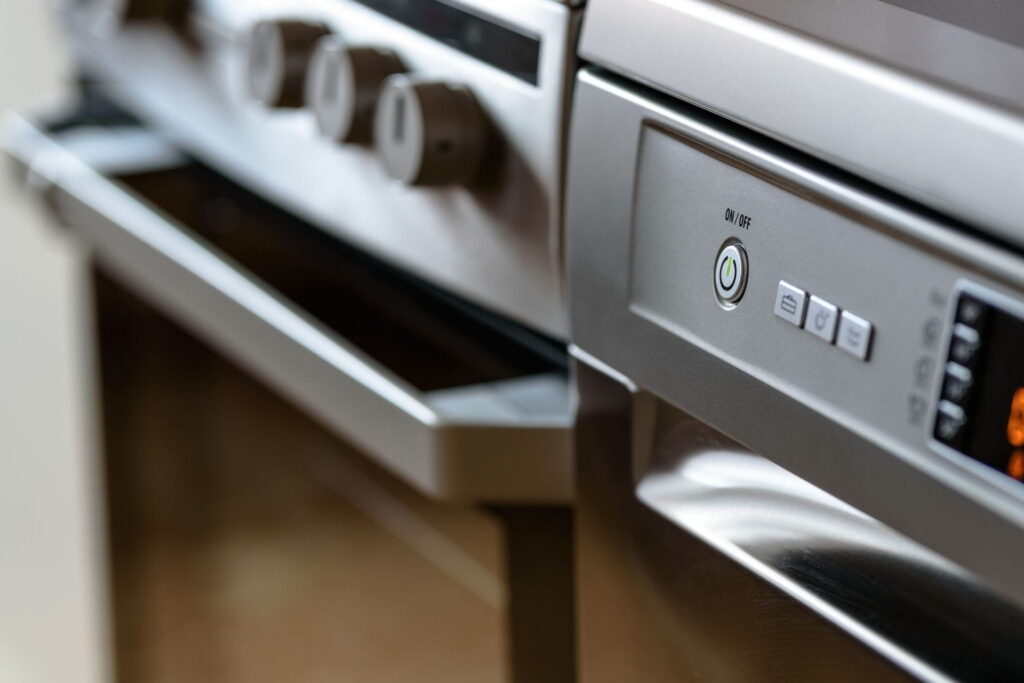
Major appliances get looked at a little differently than personal electronics. The outside usually cleans up fine, but the control boards, sensors, and wiring inside face the same corrosion risk as anything else in the house. We’ve seen refrigerators that looked completely normal develop circuit issues weeks later because the internal components never got properly cleaned or inspected, which is why we always push for a full assessment instead of just a surface wipe-down.
How We Handle Electronics Restoration
Our process starts with an assessment to figure out how exposed a device was and whether it’s a realistic candidate for restoration, as part of our broader fire and smoke damage restoration process. From there, circuit boards and internal components go through specialized cleaning designed to strip away the acidic residue without introducing moisture that could cause a whole new problem. Every device gets tested for function afterward, and if something doesn’t pass, we flag it rather than push it forward, so you’re never left guessing about what made it.
What This Means for Your Insurance Claim
Documentation matters just as much as the restoration itself when it comes to recovering costs for anything that can’t be saved. Photographing devices before they’re touched, keeping serial numbers and model info handy, and getting a written professional assessment all strengthen a claim considerably. Adjusters respond a lot better to a documented evaluation than to a guess about what survived.
It’s also worth knowing which valuation method your policy uses before a fire ever happens, since it can shape what you actually recover. According to NAIC, personal property is often covered on an actual cash value basis by default, meaning depreciation gets factored into the payout, unless a policyholder has specifically added replacement cost coverage for contents. A five-year-old TV settled on an actual cash value basis pays out less than what it costs to buy a comparable new one, which makes a thorough, well-documented assessment even more valuable in getting the strongest possible number from the depreciated side of that calculation.
It helps to understand what you’re dealing with physically, too. The EPA classifies fine soot particles as a serious indoor air quality hazard, noting they’re small enough to slip past the body’s natural defenses. That same fineness is exactly what lets soot travel deep into electronics that look completely untouched from the outside, which is part of why a professional assessment often catches damage that isn’t visible yet.
Ready to Find Out What Can Be Saved?
At PuroClean of South Onslow, we assess smoke-and fire-damaged electronics and appliances as part of our full fire damage restoration process for homeowners from Jacksonville to Wallace, Topsail Beach to Clinton, and everywhere in between. If your home has been through a fire, reach out to us, and we’ll help you sort out what’s salvageable before you assume the worst.
Frequently Asked Questions
How soon after a fire should electronics be assessed?
As soon as possible, ideally within 24 to 48 hours. Soot’s corrosive effect on internal components gets worse the longer it sits, so a quick professional assessment gives the best chance of a full recovery.
Can a laptop or computer be saved after smoke exposure?
Often, yes, particularly if it wasn’t near the fire’s origin and gets professionally cleaned promptly. Data on hard drives is frequently recoverable even when the device itself needs significant cleaning or repair.
Does homeowners insurance cover smoke-damaged electronics?
Most standard homeowners policies cover personal electronics as part of personal property coverage, though the payout depends on whether the policy covers replacement cost or actual cash value. Reviewing your specific policy or asking your adjuster clarifies what applies to your situation.
What should I do with smoke-damaged electronics before help arrives?
Leave them powered off and unplugged, and avoid touching or wiping them down, since that can push soot deeper into vents and seams. Photographing everything in place before it’s moved also helps document the damage for your insurance claim.
How long does the restoration process typically take?
It depends on how many devices are involved and how extensive the exposure was, but a single device assessment and cleaning often wraps up within a few days. Larger jobs with multiple appliances and electronics can take a bit longer since every unit gets tested individually before it’s marked complete.