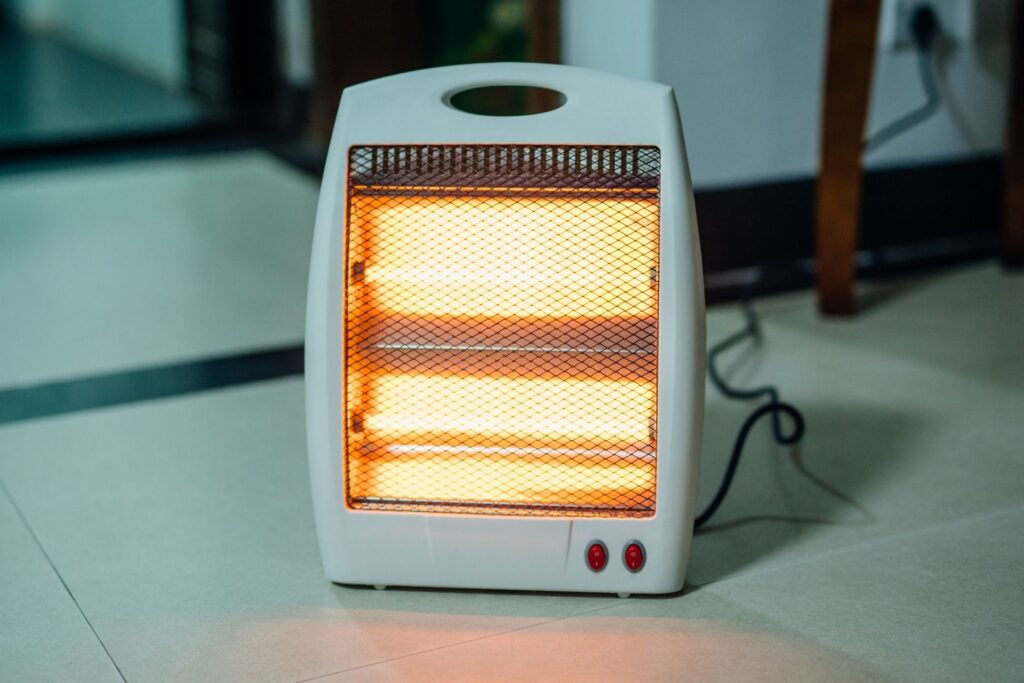
Winter nights along the coast get colder than people expect, and it’s tempting to close the bedroom door and plug in a space heater instead of fighting a whole-house system for one chilly room. That convenience comes with real risk, and it’s higher than most homeowners realize. Portable heaters cause a disproportionate share of fire deaths nationwide, and in an older Jacksonville or Wallace home, aging wiring and salt-air corrosion can raise that risk even further.
Are Space Heaters Riskier Than People Assume?
The numbers here are stark. According to the U.S. Fire Administration, portable heaters accounted for only about 3% of home heating fires between 2017 and 2019, but they were responsible for 41% of all fatal heating fires during that same period. That gap exists because space heaters get placed close to beds, curtains, and furniture, and because they draw enough current to strain an outlet or extension cord that wasn’t built for that kind of continuous load.
What Makes an Older Home More Vulnerable To Fire Risk?
Homes built decades ago simply weren’t wired for the number of devices modern households plug in. Older circuits often have fewer outlets, which pushes homeowners toward extension cords and power strips for a space heater, exactly the setup electrical safety experts warn against. Older wiring can also lack the arc-fault protection that newer homes have built into their circuit breakers, meaning a developing electrical fault has less of a chance of being caught before it turns into a fire.
How Do Coastal Conditions Add Another Layer of Risk?
Hampstead and Surf City homes deal with something inland houses don’t: salt-laden air working on electrical components year after year. Outlets, wiring connections, and breaker panels can corrode gradually in a humid coastal environment, and that corrosion can create loose or high-resistance connections, the exact conditions that generate heat and spark electrical fires.
This kind of corrosion often develops out of sight, inside a wall cavity or a breaker panel, so a home can look perfectly fine on the surface while the connections behind it are quietly degrading. Pair a corroding outlet with a space heater running on that same circuit for hours at a time, and you’ve stacked two risk factors on top of each other.
How Common Are Home Electrical Fires?
This isn’t a small-scale problem. The Electrical Safety Foundation International estimates that home electrical fires cause about 51,000 fires, nearly 500 deaths, and $1.3 billion in property damage every year, and the organization specifically warns against ever running a space heater off an extension cord or power strip. An older home’s electrical system, already working harder than it was designed to, has less margin for error when a high-draw appliance like a space heater gets added into the mix.
What Does Safe Space Heater Use Look Like?
Plugging a space heater directly into a wall outlet, never an extension cord or power strip, is the single most important habit to build. Keep the heater at least three feet from anything that can burn: bedding, curtains, furniture, and clothing all count. Never leave a space heater running unattended or while you’re asleep, and choose a model with a tip-over shutoff and overheat protection built in.
It’s also worth paying attention to how the outlet itself feels and sounds while the heater is running. A warm faceplate, a faint burning smell, or a crackling noise coming from the wall means stop using that outlet immediately, not just for that session but until an electrician has looked at it. If a breaker trips when the heater is running, that’s a warning sign worth taking seriously rather than resetting and moving on.
What are the Signs Your Home’s Wiring Needs a Closer Look?
A few warning signs are worth paying attention to before a space heater ever gets plugged in. Frequently tripping breakers, outlets that feel warm to the touch, flickering lights when an appliance turns on, or a persistent burning smell near an outlet all point to an electrical system that’s struggling. In a coastal home with any of these signs, having a licensed electrician inspect the wiring is worth doing before winter puts extra demand on the system.
What if a Fire Happens?
Even with every precaution taken, fires still happen, and when they do, the damage from smoke and soot spreads far beyond where the fire started. Soot is acidic and begins etching surfaces and corroding metal within hours, which is why a fast, professional response matters as much for smoke damage as it does for the fire itself.
PuroClean of South Onslow is Here When You Need Us
At PuroClean of South Onslow, we respond to fire and smoke damage across Hampstead, Surf City, and the surrounding Onslow County area, day or night. Contact our team if your home has experienced fire or smoke damage, or give us a call, and we’ll walk you through the restoration process from the first phone call.
Frequently Asked Questions
Can a space heater cause a fire even if it’s a newer model?
Yes, though newer models with tip-over shutoffs and overheat protection reduce the risk. The bigger factor is often the circuit and outlet the heater is plugged into, which matters regardless of the heater’s age.
Is it safe to run a space heater on a power strip?
No. Power strips and extension cords aren’t rated for the continuous, high-wattage draw of a space heater, and doing so is one of the most common causes of space heater fires.
How do I know if my home’s wiring is too old to handle a space heater?
Frequent breaker trips, warm outlets, or flickering lights when the heater runs are all signs the circuit is struggling. A licensed electrician can evaluate whether your wiring needs updating.
Does coastal humidity really affect electrical wiring?
Yes. Salt air and consistent humidity can corrode electrical connections over time, which increases resistance and heat buildup in outlets, panels, and wiring compared to a similar system inland.
What’s the safest place in a room to put a space heater?
On a flat, hard, non-flammable surface at least three feet from furniture, bedding, curtains, and anything else that can burn, and never on carpet or near a doorway where it could be knocked over.
What should I do first if a space heater causes a fire in my home?
Get everyone out safely and call the fire department. Once the fire is out, avoid running your HVAC system, since it will spread soot throughout the house, and contact a restoration company promptly to limit further damage.