 PuroClean of South Onslow
 When water shows up where it doesn’t belong in your Jacksonville or Hampstead home, it’s not just about how much water there is—it’s also about what’s in that water. Whether you’re dealing with a burst pipe, a backed-up toilet, or flooding from a coastal storm, understanding the different categories of water damage can help you make informed decisions about cleanup and restoration. Here in coastal North Carolina, where we’re no strangers to heavy rain and the occasional hurricane, knowing these differences could save you time, money, and potentially even your health.
What Category 1 Water Damage Means for Homeowners
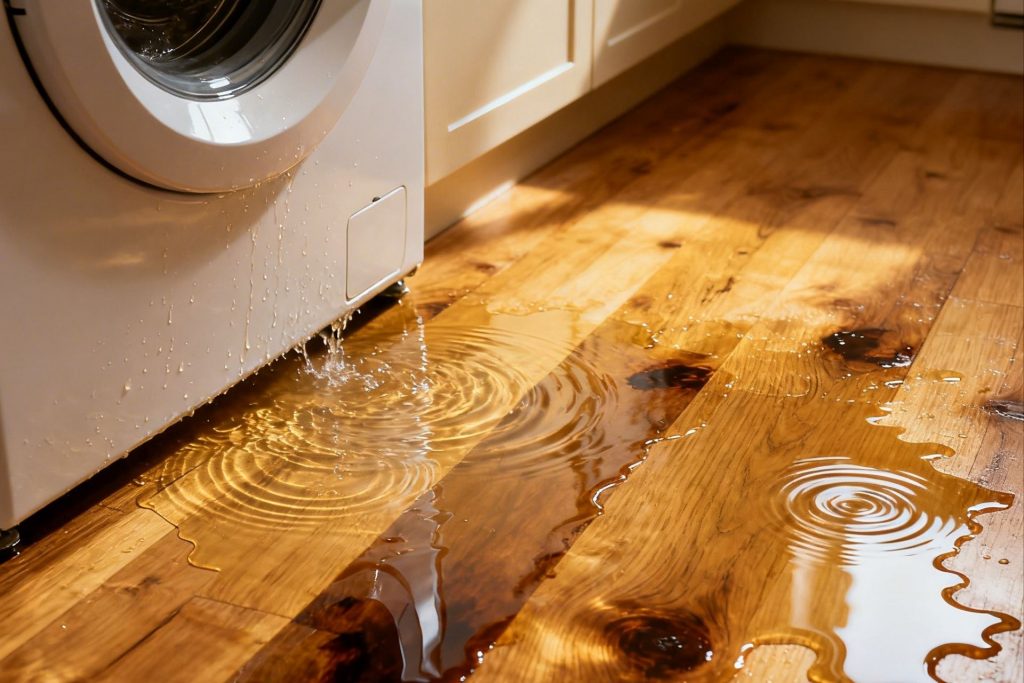
Category 1 water damage is what restoration professionals call “clean water” damage. This is water that comes from a sanitary source and doesn’t pose an immediate health risk to you or your family. Think of a supply line that breaks under your kitchen sink, a water heater that springs a leak, or rainwater that comes through a leaky window before it touches anything contaminated. In Jacksonville and surrounding areas like Surf City and Hampstead, we see a lot of Category 1 situations from appliance malfunctions and plumbing issues.
The good news about Category 1 water damage is that if you catch it quickly and handle the cleanup properly, it’s the most straightforward type to deal with. The water itself isn’t dangerous, though it can still cause serious structural damage if left sitting. Your hardwood floors can warp, drywall can crumble, and before you know it, you’ve got mold growing in places you can’t even see. Time is everything with water damage—even clean water becomes a bigger problem the longer it sits.
According to recent data, about 1 in 60 insured homes files a water damage claim each year, and many of these start as Category 1 situations. That’s why acting fast is so important. If you can get the water extracted and start the drying process within 24 to 48 hours, you’re much more likely to avoid permanent damage and keep that clean water from becoming something worse.
Category 2 Water Damage: Gray Water Concerns
Category 2 water damage involves what we call “gray water,” and this is where things get a bit more serious. Gray water contains some level of contamination that could make you sick if you come into direct contact with it or accidentally ingest it. Common sources include discharge from washing machines, dishwashers, or toilets that only have urine in them. If you’ve got a sump pump overflow or an aquarium that breaks, that’s typically Category 2 as well.
Here’s something important to understand about gray water—it doesn’t stay Category 2 forever. If gray water sits in your home for more than 48 hours, it can actually degrade into Category 3 water as bacteria multiply and contamination levels increase. This is especially true in our warm, humid coastal climate, where bacteria thrive. The temperature and humidity in our air create the perfect breeding ground for microbial growth, which means waiting even a day or two can turn a manageable situation into a serious health hazard.
Category 3 Water Damage: A Serious Water Emergency
Category 3 water damage is the worst-case scenario, often called “black water.” This water is grossly contaminated and contains harmful bacteria, fungi, and other pathogens that can cause serious illness. Category 3 sources include sewage backups, toilet overflows with feces, flooding from rivers or coastal storm surge, and any standing water that’s been sitting for an extended period. For coastal residents, this category often comes into play during hurricane season or when we get those torrential downpours that overwhelm drainage systems.
Recent statistics show that around 14,000 people in the U.S. experience water damage daily, and a significant portion of those involve Category 3 situations, particularly in coastal communities like ours. Black water requires immediate professional intervention—this isn’t something you can or should try to handle on your own. The health risks are just too significant, and improper cleanup can leave your family exposed to dangerous pathogens long after you think the problem is solved.
Category 3 water damage often means that affected materials need to be completely removed and replaced rather than cleaned. Drywall, insulation, carpet, and even some types of flooring typically can’t be salvaged when they’ve been contaminated with black water. The restoration process is extensive and involves specialized equipment, protective gear, and strict protocols to ensure complete decontamination.
The financial impact of Category 3 water damage can be substantial. Between the cost of removing and replacing materials, the specialized cleaning and disinfection required, and the potential for mold remediation if the situation isn’t addressed immediately, you’re looking at a significant investment in your home’s restoration. That’s why having a trusted restoration company on speed dial is so important—the faster you get professionals on site, the better your chances of minimizing both the damage and the cost.
How Water Damage Categories Affect Your Property
The category of water damage directly impacts how restoration work needs to be done and what materials can be saved versus what needs to be thrown out. With Category 2 water, you’re looking at more intensive cleaning procedures and possibly replacing porous materials like carpet padding, insulation, and drywall that absorbed the contaminated water. The restoration process requires antimicrobial treatments and careful monitoring to make sure everything is truly clean and safe.
Professional restoration teams use moisture meters and thermal imaging to track exactly where the water went and how deeply it penetrated. In older homes, especially those in historic neighborhoods or near the water, we often find that water travels in unexpected ways through the structure. What looks like a small problem on the surface might have affected areas you can’t see, which is why professional assessment is so important.
PuroClean of South Onslow: Water Damage Experts
When water damage strikes your home, whether it’s Category 1, 2, or 3, you need a restoration team that understands our local challenges and can respond quickly. At PuroClean of South Onslow, we’ve helped countless families from Jacksonville to Hampstead, Wallace to Clinton recover from water emergencies of all types. We know the unique issues that coastal living brings—from hurricane flooding to the humidity that makes everything worse—and we’re equipped with the advanced technology and expertise to handle it all.
Our highly rated professionals are available 24/7 because we understand that water damage doesn’t wait for business hours. From the moment you call us, we’ll start working to minimize the damage and get your property back to normal as quickly as possible. We handle everything from initial water extraction and drying to complete restoration and work directly with your insurance company to make the process as smooth as possible.
Don’t let water damage get worse while you wait. Contact PuroClean of South Onslow today to schedule an immediate consultation and let our experienced team take care of your property restoration needs. We’re your neighbors, and we’re here to help you through this.
 PuroClean of South Onslow