


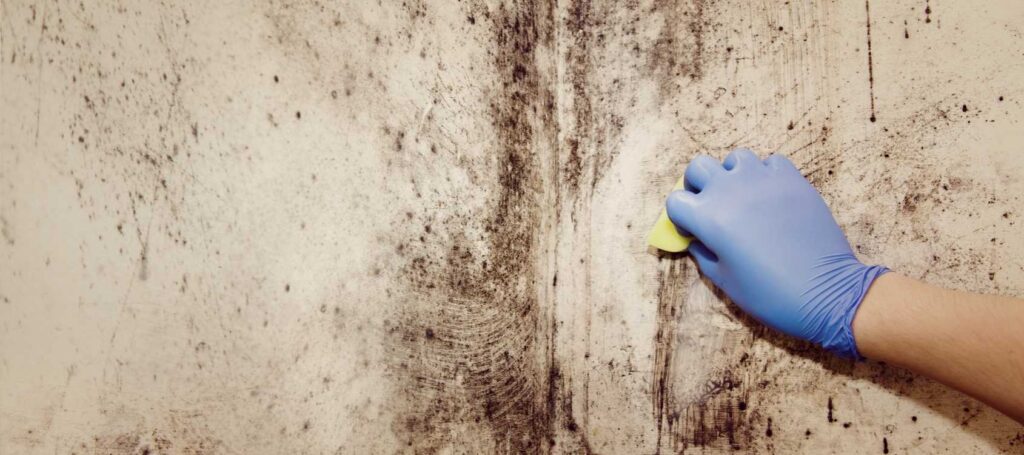
Mold prevention starts with moisture control. In Springfield and throughout the Ozarks, homeowners can reduce the risk of mold by watching for water intrusion, improving ventilation, controlling indoor humidity, and acting quickly after any water damage. A few smart prevention steps now can help you avoid a much larger remediation problem later.
- Mold needs a steady source of water or excess moisture to grow, which is why preventing leaks, humidity buildup, and water intrusion is so important.
- Regular home inspections can help you catch roof leaks, foundation cracks, plumbing issues, and other warning signs before mold has a chance to spread.
- Bathrooms, kitchens, laundry areas, and basements are some of the most common trouble spots because they tend to collect moisture and need better ventilation.
- Keeping indoor humidity below 50 percent with air conditioning or dehumidifiers can help create a less mold-friendly environment.
- Fast professional drying after floods, sewer backups, dishwasher overflows, or other water events can help prevent permanent damage and reduce the risk of mold growth.
- Professional mold remediation is often the safest and most effective way to address mold and keep it from returning.
Let’s take a closer look at each of these main points in more detail.
Mold Prevention Starts With Moisture Control
Mold does not appear out of nowhere. In nearly every case, it starts with moisture.
When water finds its way into a home or indoor humidity stays too high for too long, mold can begin to grow on drywall, wood, insulation, carpet, and other materials.
That is why mold prevention in your house is really about moisture prevention. The sooner homeowners identify and correct the conditions that allow mold to thrive, the better chance they have of avoiding larger and more expensive problems later.
Mold should always be taken seriously because it can spread quickly and affect both your home and your indoor air quality.
What may begin as a small hidden issue behind a wall, under flooring, or inside a damp basement can turn into a much bigger remediation project if it is ignored.
Taking practical steps to keep your property dry is one of the most important things you can do to protect your home.
Regular Inspections Can Help You Catch Problems Early
One of the best ways to prevent mold in your house is to make inspection your home a regular habit.
A semi-annual inspection is a smart place to start, especially in a climate like we have here in the Ozarks where heavy rains, humidity, and seasonal weather changes can all create opportunities for water intrusion.
During an inspection, homeowners should look carefully for staining, discoloration, musty odors, peeling paint, warped materials, and any other signs that moisture may be getting where it should not be.
The roof, windows, exterior walls, plumbing fixtures, and foundation are all common problem areas. Even a small crack in the foundation or a minor roof leak can introduce enough moisture to support mold growth over time.
If you find evidence of water damage, it is important to address the source right away rather than waiting to see if it gets worse.
Once the moisture issue is corrected, any suspected mold should be evaluated and handled properly so the problem does not continue to spread.
Bathrooms and Kitchens Need Better Ventilation Than Many Homeowners Realize
Bathrooms, kitchens, and laundry areas tend to hold more moisture than the rest of the home, which makes them some of the most common places for mold to develop.
Steam from showers, cooking, dishwashing, and laundry can build up quickly, especially in rooms that do not have enough airflow.
Over time, that extra humidity can settle on walls, ceilings, cabinets, and around windows, creating the damp conditions mold needs.
Exhaust fans can make a major difference in these spaces. Bathrooms should have working exhaust fans that are used during showers and for a period of time afterward.
Kitchens also benefit from proper ventilation, especially when cooking produces heat and steam on a regular basis.
When repainting bathrooms or other moisture-prone rooms, it can also be helpful to use paint products that contain mold inhibitors. While paint alone will not solve a moisture problem, it can be one part of a broader prevention strategy.
Indoor Humidity Should Be Kept Under Control Year-Round
Humidity is one of the biggest contributors to indoor mold growth, especially during the warmer months.
Even if there is no obvious leak, consistently high humidity can create damp conditions on surfaces throughout the house.
Air conditioners can help reduce indoor moisture, but in some homes, especially those with basements or limited airflow, a dehumidifier may also be necessary.
A good goal is to keep indoor humidity below 50 percent as much as possible. That can help reduce the likelihood of condensation, damp surfaces, and hidden moisture buildup.
Homeowners often think about mold only after a flood or plumbing leak, but the truth is that mold can also develop slowly in homes that simply stay too humid for too long.
Monitoring humidity levels and addressing problem areas early can go a long way toward preventing trouble.
Basements and Other Lower Levels Need Special Attention
Basements are often one of the most vulnerable areas of the home when it comes to mold.
Groundwater intrusion, poor drainage, foundation cracks, and cool surfaces that attract condensation can all create ongoing moisture issues below grade.
In the Ozarks, basements and lower levels can be especially challenging because of changing weather patterns and naturally damp conditions.
That is why basements should never be overlooked when you are thinking about mold prevention. They need proper drainage, good airflow, and dependable humidity control.
In many cases, a professionally installed dehumidifier that drains into a permanent system can help maintain a drier environment day after day.
It is also important to pay attention to any musty smells, visible staining, or signs of repeated dampness, because these are often clues that a deeper issue may be developing.
Flooring Choices Matter in Moisture-Prone Areas
Some materials are simply less forgiving when water is involved. Carpet in bathrooms is a good example.
While it may feel soft underfoot, it can also trap moisture, hide small leaks, and create an ideal environment for mold growth underneath the surface.
By the time a problem becomes visible, mold may already be well established in the padding or subfloor.
Homeowners should be especially cautious about using materials that absorb and hold moisture in rooms where leaks, splashes, and humidity are common.
Choosing more water-resistant surfaces in bathrooms, laundry rooms, and basements can make it easier to spot problems early and reduce the chances of hidden mold growth.
Fast Drying After Water Damage Is Critical
Any part of your home that receives a large amount of water should be cleaned and dried as quickly as possible.
Whether the source is a flood, sewer backup, dishwasher overflow, plumbing leak, or storm-related intrusion, time matters.
The longer water sits, the more damage it can do to building materials and the more likely mold is to begin growing.
This is where professional help from PuroClean Certified Restoraion can make an important difference.
Thorough drying is about much more than removing visible water. Moisture can remain trapped behind walls, under flooring, inside cabinets, and within structural materials long after surfaces appear dry.
Our professional restoration equipment is designed to locate and remove hidden moisture so the affected area can be properly dried and monitored. That kind of complete response can help reduce the risk of recurring mold problems later.
Professional Mold Remediation Helps Protect Your Home
When mold is already present, simply wiping it away or using over-the-counter cleaners is often not enough. If the underlying moisture problem has not been solved, mold can come back.
If the affected area is larger than it appears, disturbing it without proper containment can even spread spores to other areas of the home.
Our professional mold remediation is about more than surface cleaning. It involves identifying the source of moisture, removing damaged materials when necessary, cleaning affected areas properly, and helping ensure the conditions that caused the problem have been corrected.
With the right tools, training, and process, our professional remediation team can help restore a safer and healthier indoor environment.
Call PuroClean Certified Restoration When Water or Mold Becomes a Problem
Preventing mold starts with staying alert to moisture issues, improving ventilation, controlling humidity, and responding quickly when water damage occurs.
These steps can make a real difference in protecting your home. Still, even careful homeowners can end up facing unexpected leaks, flooding, or hidden mold growth.
If you notice signs of water damage, suspect mold in your home, or have experienced a flood, sewer backup, dishwasher overflow, or another major water event, contact PuroClean Certified Restoration.
Our team can respond quickly, identify the source of the problem, dry the affected area thoroughly, and provide professional mold remediation services to help keep the issue from returning.