


Basement water problems can escalate quickly, especially during heavy rains and seasonal weather shifts. Learn how to protect your basement from water intrusion and what to do if flooding still occurs, so you can reduce damage and recover faster.
- Defend from ground level by improving grading so soil slopes away from your foundation and using drainage solutions like a French drain when needed.
- Defend from within by sealing cracks and gaps, waterproofing basement walls, and making sure your sump pump is installed, tested, and reliable.
- Defend from above by maintaining your roof and gutters and extending downspouts so water is directed at least five feet away from your foundation.
- Watch for early warning signs like musty odors, damp spots, staining, and peeling paint that can indicate moisture issues before a major flood happens.
- If your basement floods, avoid direct contact with the water and call PuroClean Certified Restoration for safe water removal, professional drying, and cleanup.
Let’s take a closer look at each of these main points in more detail.
How to Prevent Sewage Backup In Your Basement and What to Do If It Gets In
When water gets into your basement, it is more than an inconvenience. Basement flooding can damage flooring, drywall, stored belongings, and the structure of your home, and it can disrupt your life in an instant.
Even a small amount of water can lead to lingering odors, warped materials, and the kind of hidden moisture that creates bigger problems down the road.
At PuroClean Certified Restoration, we regularly help homeowners recover from basement flooding caused by heavy rain, drainage issues, plumbing leaks, sump pump failures, and sewer backups.
Many basement water problems can be prevented or reduced with a few smart defensive strategies. Think of it as protecting your home in three layers: defending from the ground level, defending from within, and defending from above.
Defend From Ground Level: Keep Water Moving Away From the Foundation
One of the most effective ways to prevent basement flooding starts outside, right at the base of your home.
When rainwater or melting snow collects near the foundation, it naturally looks for the easiest place to go.
If the soil around your home slopes toward the house, water can pool against the foundation and increase the pressure that forces moisture through cracks, seams, and weak points.
A strong first line of defense is proper grading.
The top layer of soil should slope away from your foundation by at least six inches over the first ten feet in every direction.
Over time, landscaping can settle, mulch beds can build up in the wrong places, and drainage can slowly shift.
If you have recurring water issues, it is worth taking a close look at the grading around your home, especially near basement windows, stairwell entries, and low spots in the yard where water tends to collect.
If your property receives heavy runoff or sits in an area where water naturally flows toward your home, you may need additional support beyond grading alone.
If your home is situated on land that receives large amounts of water, it might be necessary to bolster your defenses with a French drain. It is designed to divert large amounts of water away from your foundation.
This type of drainage system collects water in a gravel-filled trench and guides it to a safer discharge point, reducing the amount of water pushing against your basement walls.
Defend From Within: Seal Weak Points and Prepare for the Water You Can’t Control
Even with good exterior drainage, basements still need internal defenses because water can find surprisingly small entry points.
Cracks in foundation walls, gaps around plumbing penetrations, and seams where floors meet walls are common trouble areas.
When water pressure builds in the soil outside, moisture can work its way through these weak spots and show up as dampness, staining, or actual pooling water.
One practical step is to inspect your basement carefully and seal any cracks and gaps. Areas around plumbing pipes are especially important.
Depending on the size and type of gap, polyurethane caulk or hydraulic cement can help close openings that allow water to enter.
Sealing alone will not fix larger drainage problems outside, but it can significantly reduce small leaks and prevent minor moisture from becoming an ongoing issue.
Waterproof coatings and concrete sealers can also help protect basement walls and reduce condensation issues.
Many homeowners assume moisture on basement walls is always a leak, but basements can also struggle with humidity and condensation, especially during the warmer months in Missouri.
Sealing and waterproofing measures, combined with proper ventilation and humidity control, can help keep your basement drier and more comfortable.
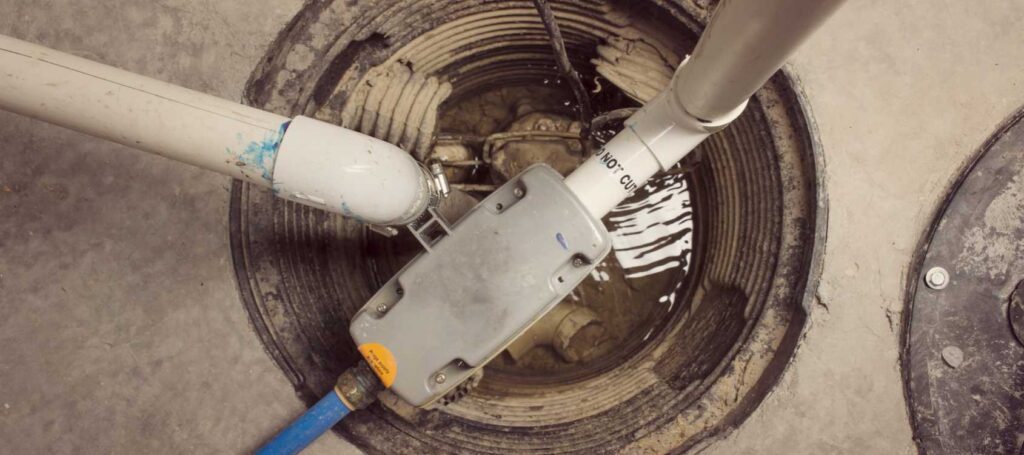
Another critical part of defending from within is having a sump pump system you can trust.
A sump pump is designed to remove water that collects beneath your basement floor and discharge it safely away from the house.
It can help protect your home during heavy rains, flash flooding, and even certain types of internal leaks.
If your basement has a sump pump, it should be inspected and tested at least once a year. There is nothing worse than having sewage backup in basement issues.
A pump that fails in the middle of a storm is one of the most common reasons homeowners end up dealing with major basement flooding.
If your basement is at risk for power outages during severe weather, a battery backup system is worth considering.
Heavy storms are often when you need your sump pump the most, and they are also when power loss is most likely.
Having a backup plan adds another layer of protection and can prevent a manageable situation from turning into a full-scale flood.
It is also important to recognize that not all basement water is the same.
Clean water from a supply line leak is very different from a sewage backup.
Sewage-contaminated water can carry harmful bacteria and should always be treated as hazardous.
If there is any chance your basement water involves a drain line, toilet overflow, or sewer backup, it is best to avoid contact and call for professional help immediately.
Defend From Above: Manage Roof Runoff Before It Becomes a Basement Problem
Basement flooding often starts at the roofline.
When gutters are clogged, downspouts are disconnected, or roof drainage is not directing water away from the home, rainwater can dump directly next to the foundation.
That water then travels downward and presses against basement walls, increasing the likelihood of leaks.
A strong defense from above begins with roof and gutter maintenance.
Checking for roof leaks, clearing gutters, and making sure downspouts are functioning properly can reduce the amount of water that ends up near your foundation.
It is also a good idea to check gutter straps and attachments after storms, since loosened hardware can cause gutters to sag and overflow in the wrong places.
Downspouts should discharge water at least five feet away from the foundation.
If your lot is small or the yard layout does not allow for above-ground extensions, an underground drain pipe system can move water away more discreetly and effectively.
The goal is always the same: keep roof runoff from soaking into the soil right next to your home.
Warning Signs That Your Basement Is Taking on Water
Basement flooding is not always sudden.
Many homeowners see early warning signs but do not realize what they are looking at until the problem grows.
Musty odors, peeling paint, damp or discolored walls, rust on metal surfaces, and warped baseboards can all indicate ongoing moisture.
White, chalky buildup on basement walls can be a sign that water is moving through masonry and leaving minerals behind as it evaporates.
If you notice these issues, it is smart to investigate early.
Catching basement moisture problems in the beginning can reduce damage, lower repair costs, and help prevent mold growth.
If Your Basement Floods: What to Do First to Protect Your Home and Your Health
If water still gets into your basement despite your best defensive measures, safety should come first.
Floodwater can contain contaminants, especially if it comes from a drain line or sewer backup.
It can also create electrical hazards if it reaches outlets, appliances, or wiring.
Avoid direct contact with floodwater, and do not enter standing water if you are unsure whether electricity is still on in the affected area.
It is also important to understand that visible water is only part of the problem.
Water can soak into drywall, insulation, wood framing, flooring, and subfloor materials, and it can spread into areas you cannot see.
That hidden moisture is what often leads to long-term odors, structural damage, and mold issues if the space is not dried correctly.
Call PuroClean Certified Restoration For Basement Water Removal
When you call PuroClean Certified Restoration, our focus is to remove water safely and quickly, dry the affected areas thoroughly, and help prevent secondary damage.
Professional water remediation is not just about extracting standing water.
It also involves moisture detection, commercial-grade drying equipment, dehumidification, and careful monitoring to ensure materials are drying to safe levels.
We also help homeowners understand what comes next.
That includes documenting damage for insurance, removing unsalvageable materials, cleaning and sanitizing affected surfaces, and creating a clear plan to restore the damaged areas as efficiently as possible.
Every water loss is different, and our goal is to respond with the right solution for your specific situation.
PuroClean Certified Restoration Are Your Experts For Basement Flood Cleanup
Even with strong prevention steps, basement flooding can still happen, especially during severe storms, plumbing failures, or sump pump issues.
If your basement floods, do not take chances with your health or your home.
Avoid direct contact with floodwater and contact PuroClean Certified Restoration so our team can safely remove the water professionally and help you get your home back to normal as quickly as possible.