


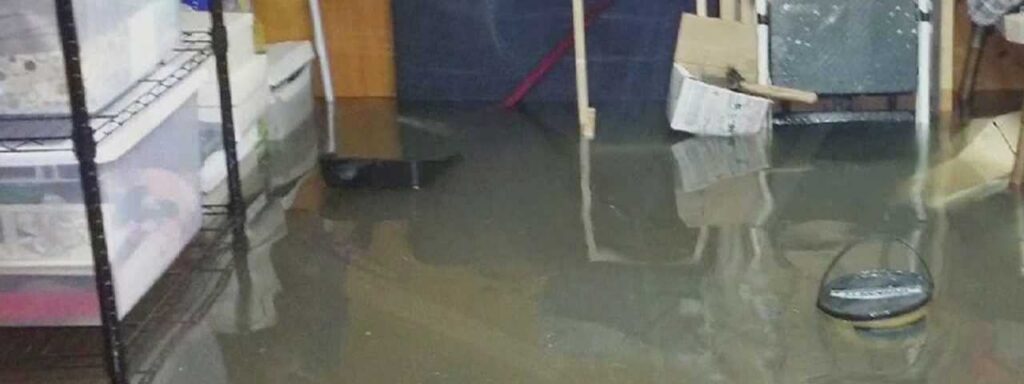
A sewage backup in your basement can cause serious property damage while also exposing your family to harmful contaminants. Knowing what to do in the first few minutes can help protect your health, limit additional damage and make the restoration process easier.
- Keep people and pets away from the affected area and avoid contact with sewage-contaminated water.
- Be extremely cautious around electricity and never enter standing water to reach electrical equipment or your breaker panel.
- Stop using toilets, sinks, showers, appliances and other plumbing fixtures until the cause of the backup has been corrected.
- Contact the appropriate professionals, which may include a plumber, your local sewer authority and a professional restoration company.
- Notify your insurance company promptly and document the damage from a safe location when possible.
- Remember that removing visible water is only part of the cleanup because contaminated moisture can remain behind walls, under flooring and inside other building materials.
- Professional sewage cleanup can help safely remove contaminated materials, clean and disinfect affected areas and thoroughly dry your home.
Let’s take a closer look at each of these main points in more detail.
What To Do When Sewage Backs Up Into Your Basement
A sewer backup in your basement is more than an unpleasant mess. Sewage-contaminated water can damage flooring, drywall, furniture and personal belongings while also introducing potentially harmful bacteria, viruses, fungi and parasites into your home.
Because of those health risks, a sewage backup should not be treated like an ordinary plumbing leak or clean-water flood. Limiting additional damage is important, but protecting yourself and your family should always come first.
If sewage has entered your basement, PuroClean Certified Restoration can provide professional cleanup and restoration services to help safely address both the visible damage and contamination that may be hiding out of sight.
Keep People and Pets Away From the Affected Area
Your first priority should be keeping everyone away from the sewage-contaminated portion of your home. Children and pets can be especially vulnerable to exposure, so prevent them from entering the basement or any other affected rooms.
Avoid walking through sewage water unless it is absolutely necessary for your safety. Contaminated water can spread to shoes, clothing and other surfaces, carrying the problem into previously unaffected areas of your home.
Be Extremely Careful Around Electricity
Standing water and electricity are a dangerous combination. If electrical outlets, appliances, cords or wiring may have come into contact with the water, stay away from them.
You may be able to shut off power to the affected area from a dry, safe location. However, if reaching your electrical panel requires entering standing water or a contaminated area, do not attempt it yourself.
Your safety is more important than trying to protect belongings or begin cleanup.
Stop Using Plumbing Fixtures
Until the source of the backup has been identified and corrected, avoid adding more wastewater to your plumbing system. Do not flush toilets, run sinks, take showers, drain bathtubs, use the dishwasher or run the washing machine.
Depending on the cause of the problem, continuing to send water through the system could push additional sewage into your basement. If appropriate and you can safely access it, you may also need to shut off your home’s main water supply while the problem is being evaluated.
Contact the Appropriate Professionals
A sewer backup can involve both a plumbing problem and a water damage restoration problem. A plumber or sewer professional may be needed to identify and correct the source of the backup, while a professional restoration company handles the contaminated water, affected building materials, drying and cleanup.
If your home is connected to a municipal sewer system, you may also want to notify your local sewer department or municipal authority, particularly if you suspect the problem could involve the public sewer system rather than only your home’s plumbing.
Contact Your Insurance Company
Notify your insurance provider as soon as is reasonably possible after discovering the backup. Coverage for sewer and drain backups can vary considerably from one homeowners policy to another, and some policies require additional sewer or water-backup coverage.
Your insurance company can explain what your particular policy covers and what documentation may be needed. Taking photos or video from a safe location can also help document the extent of the damage before cleanup begins.
Don’t Assume the Problem Ends Once the Water Is Gone
Removing standing sewage water is only one part of restoring the basement. Contaminated moisture can soak into drywall, insulation, wood, flooring and other porous materials.
Water can also travel behind walls or underneath finished surfaces where it may not be immediately visible.
These hidden areas are one reason professional sewage cleanup is so important. Simply removing the water and placing a few household fans in the basement may leave contaminated or damp materials behind.
If those materials are not properly addressed, lingering odors, structural damage and mold growth can become additional problems.
Professional Sewage Cleanup Helps Protect Your Home and Family
A sewage backup requires a different level of cleanup than most household water emergencies. Professional restoration technicians have the equipment, protective gear and procedures needed to remove contaminated materials, clean and disinfect affected areas and thoroughly dry the structure.
At PuroClean Certified Restoration, we understand that discovering sewage in your basement can be overwhelming. Our goal is to help homeowners move from an unexpected water damage emergency toward a clean, dry and restored home.
If sewage has backed up into your basement, don’t put your health at risk trying to handle the cleanup yourself. Contact PuroClean Certified Restoration for professional sewage cleanup and water damage restoration services.